

Loading, please wait...
Loading, please wait...

Adolescent health specialists increasingly recognize that digital environments shape modern developmental patterns. Recent nationwide epidemiological evidence reveals that frequent social media use strongly correlates with adolescent substance experimentation. As teenagers navigate algorithmic feeds, exposure to normalized risk behaviors escalates significantly. Consequently, clinicians must evaluate digital engagement alongside standard psychosocial risk factors during routine health maintenance visits.
A comprehensive nationwide analysis evaluated 20,103 secondary school students in grades 9 through 12 using 2023 Youth Risk Behavior Survey data. Investigators analyzed associations between digital engagement and adolescent substance choices. Specifically, researchers defined frequent engagement as checking social networks several times daily, hourly, or multiple times per hour.
Adjusted quasi-Poisson regression models demonstrated striking disparities across all evaluated substance categories. Compared to infrequent users or non-users, students reporting frequent digital activity displayed significantly higher adjusted prevalence ratios. For example, current alcohol use was twice as high among frequent users, with an adjusted prevalence ratio of 2.07. Furthermore, the likelihood of binge drinking surged dramatically, showing an adjusted prevalence ratio of 2.55.
In addition, researchers observed heightened risks for other substances. Current tobacco or nicotine use showed an adjusted prevalence ratio of 1.88. Similarly, lifetime marijuana experimentation was twice as prevalent, yielding an adjusted prevalence ratio of 2.09. Importantly, these statistical associations persisted across both sexes and remained robust after adjusting for race, ethnicity, and grade level.
The clear relationship between frequent social media use and youth risk behaviors stems from critical neurodevelopmental vulnerabilities. During adolescence, the prefrontal cortex continues to mature, which limits impulse control. Conversely, the adolescent reward system responds aggressively to immediate peer approval. Therefore, digital notifications, viral challenges, and interactive metrics activate dopaminergic pathways, encouraging compulsive application checking.
Moreover, intense platform engagement exposes youth to pervasive substance-related marketing and lifestyle portrayals. Content creators and social influencers routinely frame vaping, craft cocktails, and cannabis use as glamourous markers of autonomy. Because adolescents heavily value perceived peer norms, digital portrayals skew their understanding of actual substance prevalence. Consequently, teenagers frequently view risky experimentation as universal adolescent behavior.
Furthermore, digital networks substantially reduce barriers to obtaining restricted substances. Social applications often feature direct messaging channels where dealers market illicit products directly to adolescents. Thus, platform immersion combines biological vulnerability, peer emulation, and direct retail access, accelerating substance initiation.
Modern social algorithms maximize platform retention through predictive content recommendations. When an adolescent lingers on content depicting drinking or vaping tricks, recommendation engines immediately deliver related media. As a result, users find themselves trapped in digital echo chambers where substance experimentation seems ubiquitous. This algorithmic reinforcement distorts reality and systematically diminishes cautious behavior.
Simultaneously, digital peer dynamics magnify developmental anxieties, such as the fear of missing out. Teenagers constantly observe classmates posting updates from weekend gatherings involving alcohol or recreational drugs. Consequently, adolescents experience intense social pressure to replicate these behaviors to secure peer validation. In this manner, online praise functions as digital currency that rewards risky physical actions.
Additionally, algorithmic platforms facilitate discussions that trivialize chemical dangers. Peer commentary often portrays prescription drug misuse or nicotine vaping as harmless coping mechanisms for academic stress. Because adolescents frequently trust peers over institutional health authorities, these digital endorsements dismantle public health safeguards. Thus, algorithms and peer feedback combine to lower resistance against dangerous experimentation.
These findings provide actionable insights for pediatricians, general practitioners, and adolescent psychiatrists. Historically, clinicians screened for substance risks by evaluating family conflict, academic decline, or delinquent peer groups. However, contemporary clinical realities require physicians to evaluate digital media habits with comparable diligence. Proactive screen time screening helps healthcare providers detect emerging vulnerabilities before overt substance abuse disorders develop.
When adolescents present with sleep disruptions, anxiety, or falling grades, practitioners should explicitly explore their digital habits. Compulsive screen time directly correlates with late-night wakefulness, emotional distress, and exposure to harmful behavioral modeling. Therefore, pediatricians should incorporate digital wellness questions alongside validated screening questionnaires like the CRAFFT tool during routine checkups.
Furthermore, physicians must maintain an empathetic, non-judgmental demeanor during consultations. If clinicians simply reprimand patients regarding screen time, teenagers will withhold critical personal information. Instead, practitioners should explain how platform algorithms operate to exploit developmental vulnerabilities. By demystifying digital marketing tactics, clinicians empower young patients to resist peer manipulation and online substance normalization.
Across India, widespread smartphone adoption and affordable mobile data have transformed adolescent communication. Indian clinicians observe increasing rates of digital media dependence alongside concerning trends in youth nicotine vaping and alcohol experimentation. The Indian Academy of Pediatrics emphasizes proactive digital wellness guidelines, advising structured limits on recreational screen use to preserve developmental health.
Consequently, Indian practitioners must educate parents during routine family consultations. Many caregivers recognize the dangers of tobacco or alcohol, yet they frequently view unlimited smartphone access as harmless entertainment. Clinicians should urge families to establish device-free bedrooms and tech-free family meals. Moreover, parents should cultivate open dialogue regarding online influences, teaching adolescents to evaluate digital trends critically.
Simultaneously, community health initiatives and school wellness programs must incorporate digital literacy into substance prevention curricula. Healthcare educators should teach students how social platforms promote tobacco and alcohol products covertly. By combining vigilant clinical screening, active parental guidance, and school-based education, practitioners can build resilient protective environments for contemporary youth.
Frequent digital engagement exposes adolescents to widespread alcohol marketing, celebratory drinking memes, and curated peer imagery depicting alcohol as a social necessity. Furthermore, automated platform algorithms reinforce this exposure by continuously serving related party content. Consequently, teenagers perceive underage drinking as normative and socially desirable, which drastically lowers their psychological hesitation and doubles their likelihood of initiating alcohol consumption.
Clinicians and parents should monitor for distinct behavioral indicators, such as emotional irritability when devices are removed, declining academic performance, and disrupted nocturnal sleep. Additionally, compulsive hourly checking of notifications, withdrawal from family interactions, and secretiveness regarding online contacts warrant close attention. When these digital patterns coincide with sudden mood swings or secretive peer interactions, a formal evaluation for co-occurring substance experimentation is strongly advised.
Healthcare providers should encourage parents to establish collaborative, non-punitive digital boundaries rather than imposing rigid prohibitions. Specifically, practitioners recommend establishing device-free family mealtimes and removing smartphones from adolescent bedrooms at least one hour before sleep. Furthermore, parents should actively engage with the content their teenagers follow, fostering open discussions about targeted marketing, influencer culture, and the unrealistic nature of curated social media portrayals.
Disclaimer: This content is for informational and educational purposes only and should not be considered professional medical advice. Healthcare professionals must use their clinical judgment. Refer to the latest local and national guidelines for clinical practice.
References

Read summarized clinical updates, watch expert medical content, and earn CME certifications right from your smartphone.
Open your smartphone camera to scan and install.





A nationwide study links frequent social media use to doubled rates of tobacco, alcohol, binge drinking, and cannabis use among high schoolers. Pediatricians and clinicians must integrate digital wellness screening to mitigate adolescent substance misuse.
Today

A prospective multicenter trial demonstrates that a 15-day factory-calibrated continuous glucose monitoring system provides high analytical accuracy (MARD ~7.7%) and safety in pregnant women with gestational diabetes mellitus.
Today
Recent research reveals distinct protein secretion profiles and morphometric shifts between euploid and aneuploid human blastocysts cultured in an advanced 3D endometrial platform, opening new avenues for non-invasive embryo assessment.
Today
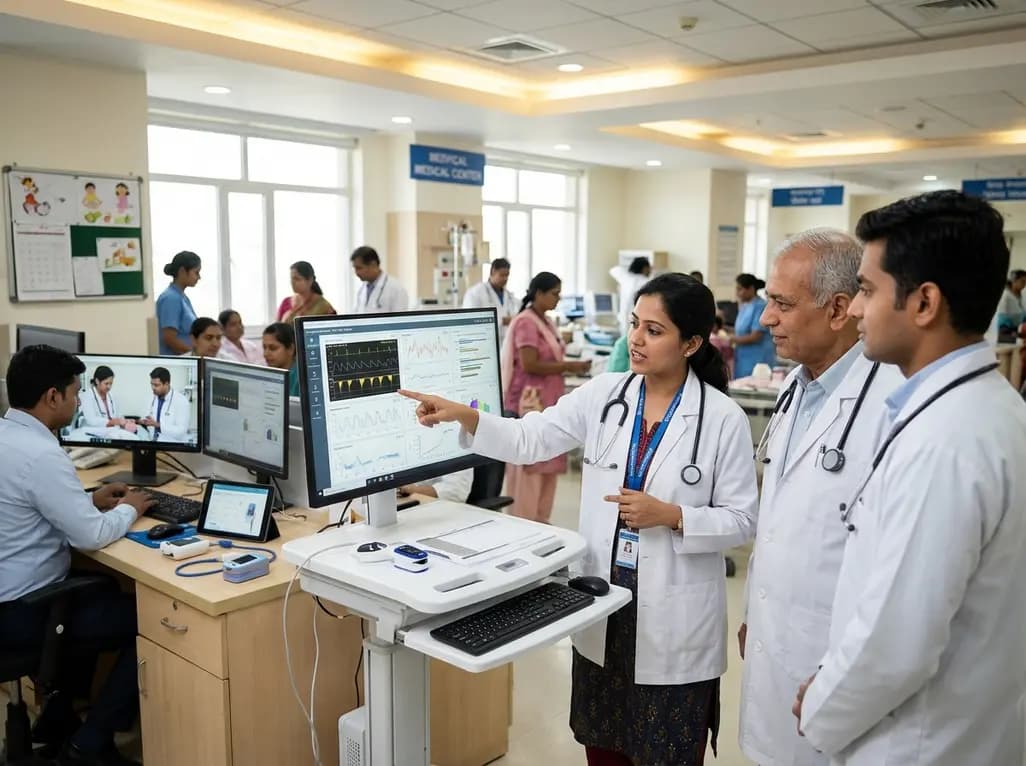
A landmark study details how an enterprise pediatric remote patient management model expanded from a single cardiology pilot to 16 diverse specialty programs by combining centralized digital operations with specialty clinical leadership.
Yesterday
Peripheral nerve injuries present clinical challenges due to regenerative mismatches between sensory and motor neurons. This review explores cutting-edge tissue-engineered nerve grafts designed as central-peripheral signal relays to overcome denervation atrophy and restore functional motor-sensory recovery.
Today
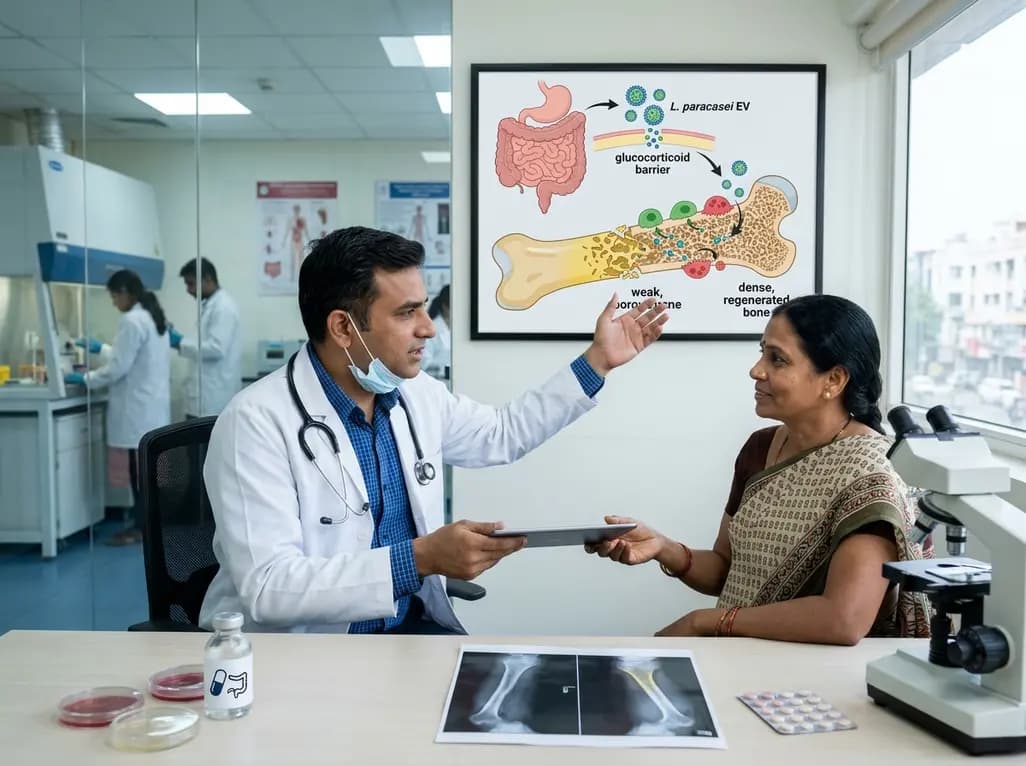
A novel oral nanoplatform using Lacticaseibacillus paracasei-derived extracellular vesicles delivers alendronate, reversing glucocorticoid-induced bone loss and restoring gut-immune-bone homeostasis.
Today
