.webp&w=384&q=75)

Loading, please wait...
Loading, please wait...
Firefighting is fundamentally recognized as a profession fraught with immediate physical dangers, yet the long-term health implications are equally profound. The International Agency for Research on Cancer (IARC) recently reclassified the occupation of firefighting as a Group 1 human carcinogen, signifying sufficient evidence that exposure leads to various malignancies. Despite this alarming classification, significant knowledge gaps persist regarding specific firefighter cancer risk factors and the overall burden of disease within diverse cohorts. To address these critical voids, the Firefighter Cancer Registry Act of 2018 mandated the creation of a national database. Consequently, the National Institute for Occupational Safety and Health (NIOSH) developed the National Firefighter Registry (NFR) for Cancer. This voluntary registry serves as a pivotal tool for tracking exposures and health outcomes over time. By centralizing data from thousands of responders, researchers can better understand the complex relationship between toxic occupational environments and oncogenesis. Ultimately, this initiative aims to provide the evidence base necessary for developing targeted prevention strategies and improving protective protocols across the global fire service.
The National Firefighter Registry represents a monumental shift toward structured, long-term health surveillance for emergency responders. Between January 2023 and December 2025, the registry successfully enrolled over 39,000 participants from across the United States and its territories. This initial phase focused on capturing a broad demographic and occupational snapshot of the firefighting community. Participants were encouraged to provide detailed work histories, which are essential for identifying latent firefighter cancer risk factors associated with specific roles or durations of service. Interestingly, the registry utilizes a digital platform to facilitate voluntary participation, ensuring that firefighters from urban, suburban, and rural settings can contribute their data. Furthermore, the registry integrates with state-level cancer databases to ensure that health outcomes are accurately tracked even if a participant leaves the service. This comprehensive approach is designed to mitigate the limitations of previous small-scale studies. By establishing a massive, longitudinal cohort, the NFR provides the statistical power needed to detect rare cancers and subtle risk correlations that were previously obscured. Therefore, the registry stands as a cornerstone of modern occupational medicine, offering a clearer picture of the silent hazards faced by those on the front lines.
Research indicates that firefighters are routinely exposed to a complex cocktail of hazardous substances, which serve as primary firefighter cancer risk factors. During active fire suppression, personnel encounter polycyclic aromatic hydrocarbons (PAHs), volatile organic compounds (VOCs), and heavy metals. Moreover, the modern built environment contains high concentrations of synthetic materials, which release highly toxic cyanides and dioxins when combusted. In addition to inhalation risks, dermal absorption is a significant route of exposure, particularly when personal protective equipment (PPE) becomes saturated with soot and chemicals. Beyond the fire ground, diesel exhaust in fire stations and the use of aqueous film-forming foams containing per- and polyfluoroalkyl substances (PFAS) contribute to the cumulative toxic load. Consequently, these exposures are linked to increased rates of mesothelioma, lung cancer, and various gastrointestinal malignancies. It is also important to note that the physical stress and disrupted circadian rhythms inherent in shift work may further exacerbate cancer risks by compromising immune function. Understanding these multifactorial influences is crucial for clinicians and occupational health specialists. By isolating these specific triggers, the NFR helps in formulating more effective decontamination procedures and healthier station design standards to protect personnel throughout their careers.
The first three years of the National Firefighter Registry have revealed significant trends in participant demographics, though some disparities remain evident. Notably, the current cohort is predominantly male and White, reflecting historical trends in the fire service. However, there is a pressing need to increase representation among female firefighters, as well as Black, Hispanic, and Asian responders. These underrepresented groups may face unique physiological responses or different exposure profiles that influence firefighter cancer risk factors. For instance, women in the fire service have reported concerns regarding reproductive cancers and the adequacy of female-specific PPE. Additionally, the registry observed that while full-time career firefighters showed high engagement, volunteer firefighters were less represented. This is concerning because volunteer personnel often serve in rural areas with different equipment standards and varying levels of training on toxic exposures. To address these gaps, NIOSH has implemented targeted recruitment strategies, including department roster-based outreach. This method has proven effective in reducing selection bias, as it captures a more accurate cross-section of the workforce rather than only those already diagnosed with cancer. Enhancing diversity within the registry is not merely a matter of equity; it is scientifically necessary to ensure that the findings are applicable to the entire firefighting population.
While the National Firefighter Registry is a United States-based initiative, its findings hold immense relevance for healthcare professionals and policymakers in India. The Indian fire service operates under diverse and often extreme conditions, frequently involving dense urban environments and industrial hazards. Currently, India lacks a centralized registry for tracking occupational cancer among responders, which makes the U.S. data a vital surrogate for understanding firefighter cancer risk factors locally. Indian firefighters are often exposed to similar carcinogens, including high levels of particulate matter and industrial chemical runoff. Furthermore, the prevalence of respiratory comorbidities in India may act synergistically with occupational toxins to increase cancer susceptibility. Therefore, Indian oncologists and internal medicine specialists should consider occupational history a critical component of patient assessment. Implementing localized versions of the NFR could help identify specific regional risks, such as those associated with seasonal crop burning or unique industrial fires. By adopting the methodologies established by NIOSH, Indian health authorities can begin to build a robust framework for surveillance and prevention. Ultimately, global collaboration in occupational health data sharing will lead to better protective gear and more stringent health regulations for firefighters across the subcontinent.
As the National Firefighter Registry moves into its next phase, the focus will shift from initial enrollment to long-term data analysis and intervention development. The high completion rates observed in the first three years suggest a strong commitment within the firefighting community to address the cancer crisis. However, the attrition observed during the work history section of the questionnaire indicates that simpler, more streamlined data collection methods may be necessary. Looking ahead, researchers plan to utilize the NFR to investigate the efficacy of "clean cab" initiatives and advanced PPE cleaning protocols. By correlating these interventions with cancer incidence rates, the registry can provide definitive proof of which safety measures are most effective. Additionally, molecular epidemiology studies may soon leverage NFR data to identify biomarkers of early exposure, allowing for earlier diagnosis and treatment. This proactive approach marks a transition from reactive healthcare to a preventive model. As more firefighters join the registry, the power of the data will only grow, eventually leading to a future where cancer is no longer an inevitable consequence of a career in the fire service.
The National Firefighter Registry serves as a comprehensive database that tracks the long-term health of firefighters alongside their specific occupational exposures. By identifying patterns between certain types of fires and cancer diagnoses, researchers can pinpoint specific firefighter cancer risk factors. This information is then used to update safety protocols, improve personal protective equipment, and advocate for legislative changes that protect responders, ultimately reducing the overall disease burden within the profession.
Tracking cancer risk is challenging due to the long latency periods between chemical exposure and the development of clinical disease. Furthermore, firefighters move between departments, retire, or switch roles, making it difficult for traditional studies to maintain contact. The NFR overcomes these hurdles by using a voluntary, longitudinal design and linking participant information with state cancer registries, ensuring that health outcomes are recorded regardless of employment status or geographic relocation.
While career firefighters typically have higher cumulative exposure due to more frequent calls, volunteer firefighters face unique firefighter cancer risk factors. Volunteers may have less access to advanced decontamination equipment or specialized PPE cleaning services. Additionally, they often remain in the fire service for decades in rural areas. The NFR is actively working to increase volunteer enrollment to better understand how their specific work environments and training levels influence their long-term cancer risk.
Disclaimer: This content is for informational and educational purposes only. It does not constitute medical advice or establish a doctor-patient relationship. Professional medical guidance should always be sought for the diagnosis and treatment of any health condition. Refer to the latest local and national guidelines for clinical practice.
References
Siegel MR et al. Characteristics of Participants During the First Three Years of the National Firefighter Registry for Cancer, United States, January 2023-December 2025. Am J Ind Med. 2026 Jul 14. doi: 10.1002/ajim.70112. PMID: 42449181.
International Agency for Research on Cancer (IARC). IARC Monographs Vol 132: Occupational exposure as a firefighter. Lyon, France: World Health Organization; 2023.
National Institute for Occupational Safety and Health (NIOSH). National Firefighter Registry (NFR) for Cancer: Program Overview and Progress Report. Centers for Disease Control and Prevention; 2025.

Read summarized clinical updates, watch expert medical content, and earn CME certifications right from your smartphone.
Open your smartphone camera to scan and install.





The National Firefighter Registry (NFR) for Cancer has released its first three-year enrollment analysis, covering over 39,000 firefighters. This landmark study highlights critical firefighter cancer risk factors and underscores the importance of long-term occupational health surveillance.
3 months ago
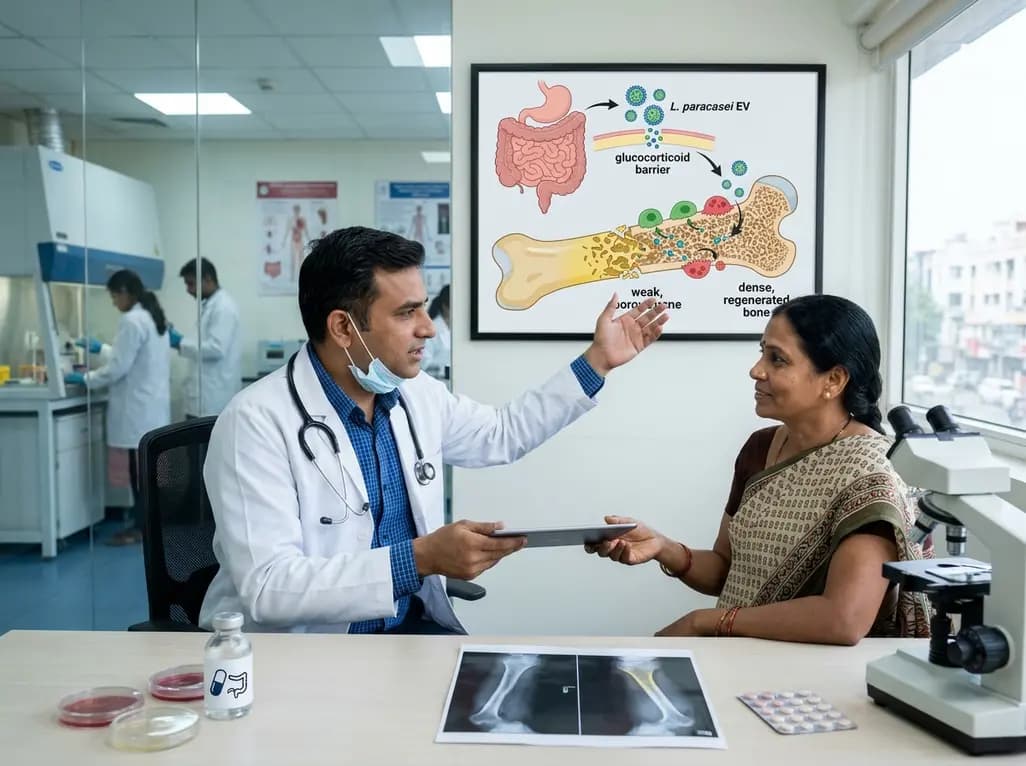
A novel oral nanoplatform using Lacticaseibacillus paracasei-derived extracellular vesicles delivers alendronate, reversing glucocorticoid-induced bone loss and restoring gut-immune-bone homeostasis.
Today

A study in JAMIA Open shows lightweight open-source reasoning LLMs achieve up to 95% sensitivity and accelerate evidence synthesis screening by nearly twentyfold, presenting a cost-effective, scalable AI solution for biomedical research and systematic reviews.
Yesterday
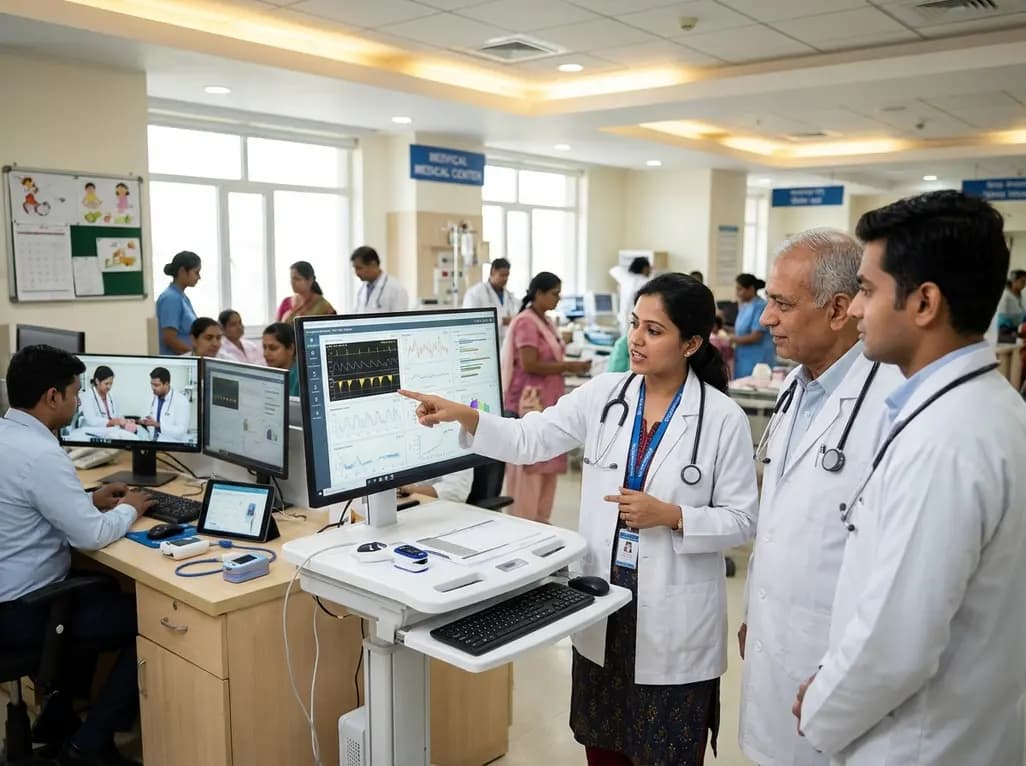
A landmark study details how an enterprise pediatric remote patient management model expanded from a single cardiology pilot to 16 diverse specialty programs by combining centralized digital operations with specialty clinical leadership.
Yesterday
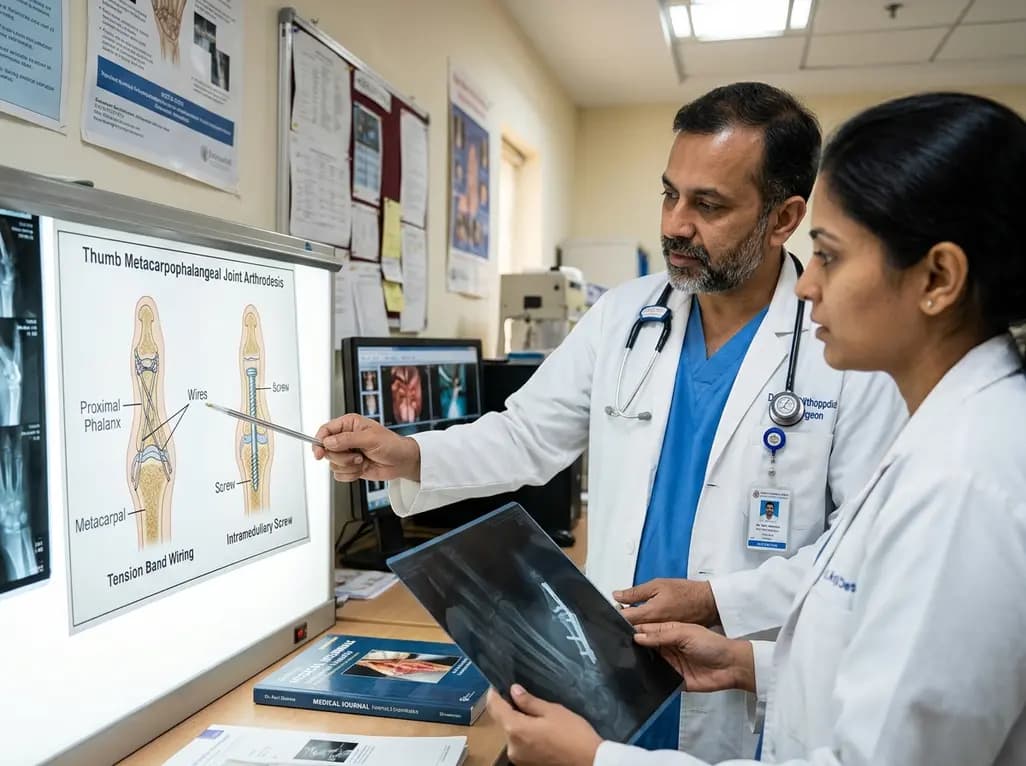
A comparative review of tension band wiring and intramedullary screw fixation in thumb metacarpophalangeal arthrodesis, evaluating union rates, hardware complications, and clinical outcomes.
Yesterday
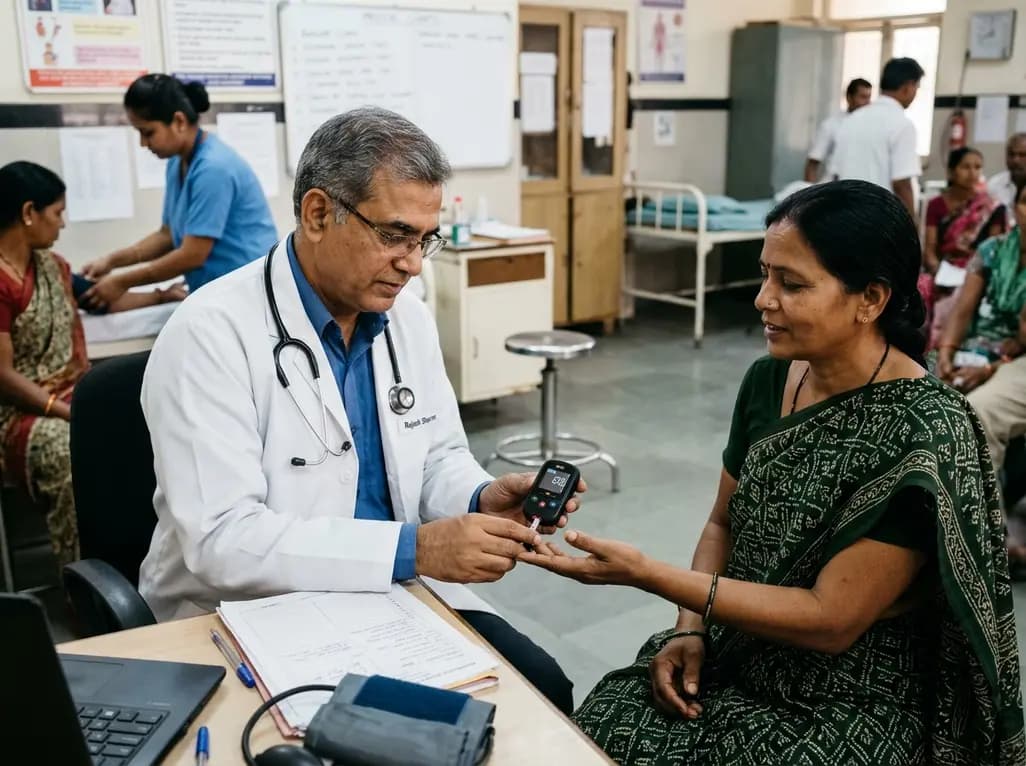
A real-world trial evaluating a near-infrared spectroscopy noninvasive glucose monitoring device in adults with type 2 diabetes demonstrated a combined MAD/MARD of 16.3 across 2,616 paired readings, highlighting its clinical feasibility.
Today
