.webp&w=384&q=75)

Loading, please wait...
Loading, please wait...

Systemic glucocorticoid use in JIA often serves as a critical bridging therapy to control disease activity immediately following diagnosis. However, clinicians must identify which patients are most likely to require higher cumulative doses to mitigate potential side effects. A recent retrospective study published in the Journal of Clinical Rheumatology investigated these factors during the first year of treatment for non-systemic JIA. The research included 164 patients, and findings showed that over 67% of the cohort received systemic glucocorticoid treatment during their initial year of therapy.
Specifically, several clinical factors significantly influenced the decision to initiate systemic therapy. For instance, higher baseline Juvenile Arthritis Disease Activity Score-71 (JADAS-71) scores and specific involvement of the ankle joint showed a strong association with increased use. Conversely, patients diagnosed with enthesitis-related arthritis (ERA) required systemic steroids far less frequently. These variations highlight how disease subtypes and initial presentation guide early management strategies in pediatric rheumatology.
Furthermore, when considering the total amount of medication administered, ankle involvement emerged as a robust predictor of higher cumulative doses. Additionally, antinuclear antibody (ANA) positivity and elevated baseline disease activity scores correlated with increased steroid exposure over the twelve-month follow-up period. Consequently, these insights are vital for clinicians aiming to personalize treatment plans and implement early steroid-sparing interventions. Importantly, understanding these determinants allows for more proactive management of potential complications like growth retardation.
Moreover, this knowledge supports the timely transition to biological disease-modifying antirheumatic drugs (bDMARDs) in high-risk patients. By identifying these predictors early, rheumatologists can better balance the need for rapid disease control with the long-term goal of minimizing steroid toxicity.
Research indicates that higher baseline JADAS-71 scores, ANA positivity, and ankle joint involvement are strong predictors of an increased cumulative systemic glucocorticoid dose during the first year.
Yes, the study found that patients with enthesitis-related arthritis (ERA) were significantly less likely to receive systemic glucocorticoid treatment compared to other JIA subtypes.
Disclaimer: This content is for informational and educational purposes only... Refer to the latest local and national guidelines for clinical practice.
References
Kucuk E et al. Factors Determining the Use of Systemic Glucocorticoid Treatment and Cumulative Dose During the First Year After Diagnosis of Juvenile Idiopathic Arthritis. J Clin Rheumatol. 2026 Jun 03. doi: 10.1097/RHU.0000000000002371. PMID: 42235084.
Franco L et al. Pan American League of Associations for Rheumatology updated recommendations for the management of systemic juvenile idiopathic arthritis. EMJ. Nov 2025.
Onel K et al. Panelists Explain ACR's Expanding JIA Guidelines. ACR Convergence 2025.

Read summarized clinical updates, watch expert medical content, and earn CME certifications right from your smartphone.
Open your smartphone camera to scan and install.





New study identifies JADAS-71, ankle involvement, and ANA positivity as key predictors of systemic glucocorticoid use and cumulative dose in JIA patients....
4 months ago
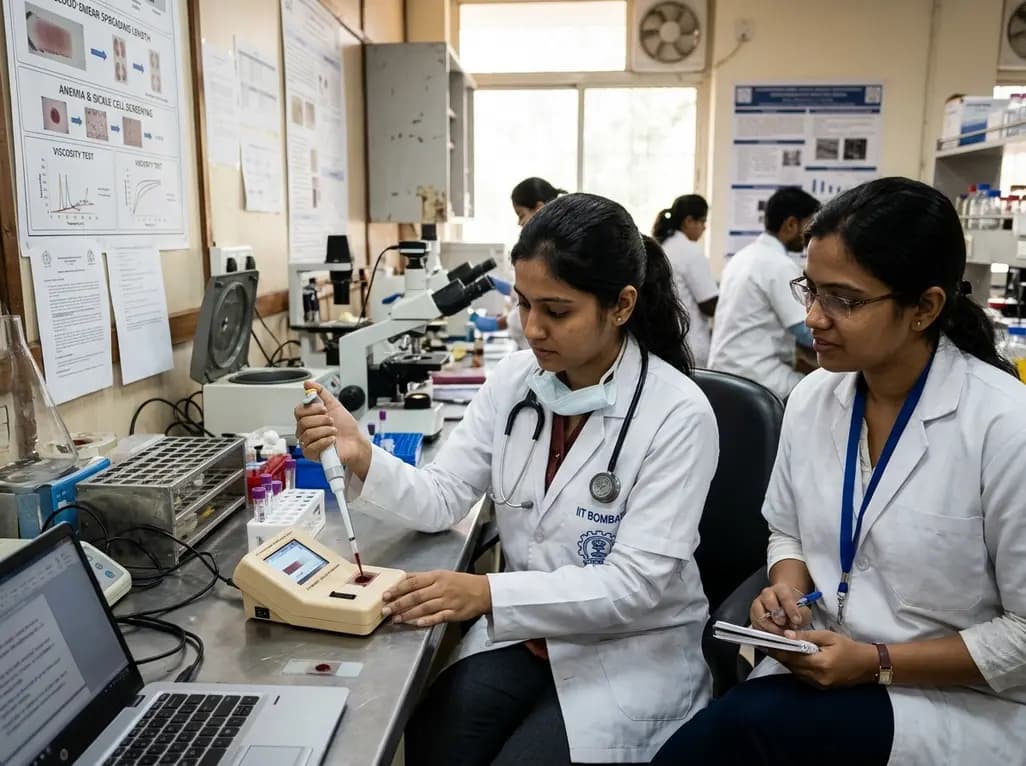
Researchers at IIT Bombay have engineered an automated, cost-effective point-of-care device that diagnoses anaemia and sickle cell disease from a single drop of blood. By measuring blood smear spreading length, this portable tool assesses blood viscosity to offer rapid screening in resource-limited healthcare centers.
Today

A multicenter study evaluates whether standardized simulation training reduces cup detachment during vacuum-assisted vaginal birth. Evidence-based simulation equips obstetricians to improve cup placement, reduce maternal-fetal trauma, and optimize clinical decision-making during operative deliveries.
Today
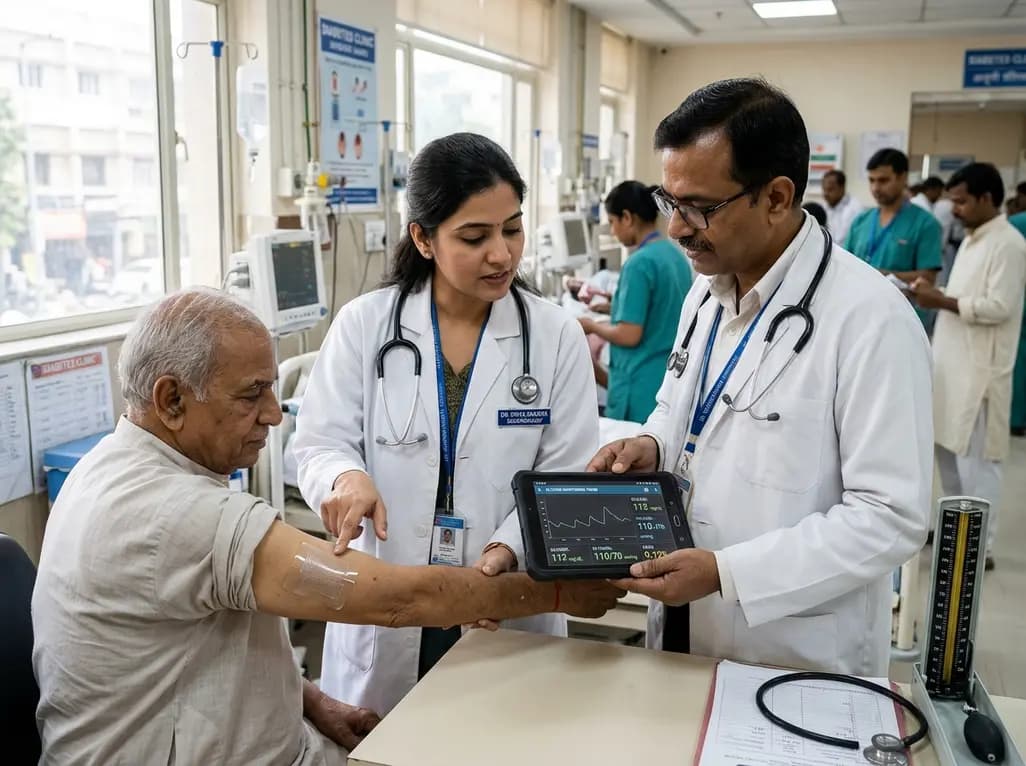
A breakthrough ultrathin multimodal sensor decouples physical hemodynamic monitoring from disposable electrochemical calibration, achieving long-term wearable glucose prediction with 81.36% accuracy and a 9.12% MARD. This offers a robust, drift-free solution for outpatient metabolic surveillance.
Today

A comparative review of tension band wiring and intramedullary screw fixation in thumb metacarpophalangeal arthrodesis, evaluating union rates, hardware complications, and clinical outcomes.
Today

Following regulatory scrutiny from FSSAI regarding promotional representations and lean muscle preservation claims, Dr. Reddy's Laboratories and Nestlé Health Science are currently reviewing the branding and marketing strategy for their joint nutritional supplement Celevida GLP+.
Today
