.webp&w=384&q=75)

Loading, please wait...
Loading, please wait...

The FaceBase craniofacial database serves as a premier open-access repository for researchers studying head, neck, and oral development. Craniofacial birth defects, such as cleft lip and palate or craniosynostosis, present complex developmental and anatomical challenges. Consequently, scientists require unified digital platforms to consolidate molecular, transcriptomic, and morphometric information. Supported primarily by the National Institute of Dental and Craniofacial Research, this curated platform houses multi-omics datasets from both human cohorts and laboratory animal models. Therefore, investigators can readily examine embryonic development, cell lineages, and genetic networks that regulate midfacial morphology. In addition, the repository bridges foundational laboratory science with bedside clinical observations. Physicians and researchers frequently study dysmorphic features alongside normative facial phenotypes. Because developmental malformations stem from intricate gene-environment interactions, centralized open data provides immense investigative power. Moreover, the platform integrates high-resolution microscopic imagery, micro-computed tomography, and whole-genome sequencing results. Ultimately, this comprehensive resource empowers pediatric specialists, oral maxillofacial surgeons, and geneticists to understand disease mechanisms. By eliminating redundant laboratory experimentation, the consortium significantly accelerates the pace of therapeutic discovery and translational intervention worldwide.
Modern biomedical research demands intuitive digital interfaces that streamline complex information retrieval. Accordingly, the FaceBase online portal provides a faceted search engine engineered specifically for rapid data exploration. Users can seamlessly filter comprehensive archives by biological organism, including human participants, mice, and zebrafish models. Furthermore, researchers can narrow their queries by developmental age, specific anatomical structures, mutations, and experimental assay types. The intuitive dashboard organizes datasets into logical categories, allowing users to inspect gene expression atlases, chromatin profiles, and volumetric scans. In addition, interactive visualizers permit investigators to preview three-dimensional facial reconstructions directly within their standard web browsers. Consequently, researchers do not need specialized local rendering software to conduct initial preliminary assessments. The platform also offers dynamic cross-referencing capabilities that connect phenotypic abnormalities to candidate regulatory genes. Therefore, clinicians can promptly correlate clinical phenotypes with documented mutational variants. Information professionals and bioinformaticians particularly benefit from structured metadata tags that accompany every submitted biological sample. As a result, users retrieve harmonized experimental parameters, sequencing depths, and imaging resolutions with minimal operational friction. This robust digital architecture effectively transforms voluminous raw data into actionable biological knowledge.
Open science relies fundamentally on rigorous transparency, data reproducibility, and collaborative sharing frameworks. FaceBase strictly champions these principles by aligning its data stewardship protocols with the internationally recognized FAIR guidelines. Thus, every repository asset remains findable, accessible, interoperable, and reusable for scientific communities across the globe. Additionally, global funding bodies increasingly require comprehensive Data Management Plans, or DMPs, before disbursing research grants. The platform actively assists investigators by offering standardized templates and instructional checklists for crafting compliant DMPs. Furthermore, the repository establishes systematic curation workflows that guide contributing scientists through each phase of data submission. Contributors upload standardized files alongside detailed experimental metadata, ensuring accurate protocol replication. Meanwhile, dedicated biocurators meticulously validate incoming data quality to prevent digital corruption or misclassification. Moreover, the hub protects sensitive human data through robust governance structures and ethical access tiers. Controlled-access mechanisms safeguard patient privacy while still allowing verified researchers to inspect critical genomic sequences. Consequently, this collaborative framework builds mutual trust between research institutions and participating clinical cohorts. By promoting standardized documentation, the platform elevates research integrity and sustains long-term biomedical utility.
Translating benchside discoveries into meaningful surgical and clinical therapies remains a core objective of modern craniofacial biology. Congenital craniofacial disorders affect thousands of newborns globally each year, causing severe functional and psychosocial difficulties. Specifically, nonsyndromic orofacial clefts and premature cranial suture fusion require coordinated multidisciplinary management. Pediatric plastic surgeons, orthodontists, and otolaryngologists rely on precise structural insights to formulate surgical reconstruction protocols. Fortunately, FaceBase houses deep phenotyping collections that correlate 3D surface photogrammetry with underlying genetic predispositions. Clinicians can study morphological variations and growth vectors across distinct embryonic time points. In addition, comparative genomic datasets highlight conserved regulatory elements between rodent models and human subjects. This cross-species analysis helps medical geneticists determine whether novel gene variants cause observed clinical dysmorphisms. Furthermore, translational researchers utilize repository datasets to design tissue engineering scaffolds and regenerative dental solutions. Consequently, surgical teams obtain valuable developmental context when planning mandibular distraction or secondary alveolar bone grafting. Ultimately, open data empowers clinicians to refine diagnostic precision, personalize interventions, and improve long-term outcomes for pediatric patients facing complex deformities.
Ethical scientific collaboration requires appropriate attribution of shared intellectual property and experimental datasets. To address this necessity, FaceBase assigns unique digital object identifiers, or DOIs, to every curated repository dataset. Therefore, secondary researchers can formally cite primary datasets within peer-reviewed publications, dissertations, and conference proceedings. This standard practice ensures that original data generators receive transparent academic credit for their extensive laboratory efforts. Furthermore, precise citation metrics allow academic institutions and funding agencies to evaluate the genuine scientific impact of shared resources. Looking toward the future, the repository is integrating modern artificial intelligence and computer vision frameworks. Machine learning algorithms can automatically analyze high-resolution facial scans to detect subtle dysmorphic patterns. In addition, computational tools synthesize disparate multi-omic data streams into predictive models of palatal fusion. Global medical researchers, including craniofacial specialists in India, can leverage these public datasets to conduct advanced bioinformatics studies without incurring prohibitive laboratory expenses. Consequently, open repositories democratize scientific discovery across geographically diverse institutions. Ultimately, continuous data sharing fosters international partnerships that will drive the next generation of precision craniofacial medicine.
The platform maintains extensive collections of phenotypic, genomic, and high-resolution imaging data focused on midfacial development. Researchers can evaluate whole-genome sequencing results alongside 3D surface scans from affected families and diverse animal models. Consequently, scientists can investigate gene-environment interactions, regulatory mechanisms, and cellular pathways that drive palatal shelf elevation. These rich datasets enable investigators to identify novel causal genetic loci and design targeted therapeutic strategies for congenital clefting.
Biomedical researchers, clinical geneticists, and dental scientists worldwide can submit craniofacial datasets to the repository. The consortium welcomes contributions involving human clinical cohorts, normative morphological atlases, and laboratory model organisms. Furthermore, submitters must provide comprehensive experimental metadata and adhere to standard data curation guidelines. Controlled-access protections ensure ethical compliance for human studies, while open-access policies maximize scientific discovery and cross-institutional collaboration across international craniofacial communities.
India carries a substantial clinical burden of congenital craniofacial malformations, especially cleft lip and palate anomalies. Clinicians in India can utilize FaceBase datasets to examine normative anatomical variation, study dysmorphic patterns, and compare local patient phenotypes with global genomic records. Moreover, post-graduate medical and dental trainees can conduct high-impact secondary data research without expensive laboratory equipment, thereby fostering academic productivity and evidence-based surgical planning in resource-constrained settings.
Disclaimer: This content is for informational and educational purposes only and should not be considered medical advice. Always consult a qualified healthcare professional regarding any medical condition or treatment. Refer to the latest local and national guidelines for clinical practice.
References
Torp K et al. FaceBase. Med Ref Serv Q. 2026 Sep 29. doi: 10.1080/02763869.2026.2739598. PMID: 42806930.
Brinkley JF, Fisher S, Harris MP, et al. The FaceBase Consortium: a comprehensive program to facilitate craniofacial research. Dev Biol. 2016;415(2):170-177.
Hochheiser H, Aronow BJ, Artinger K, et al. The FaceBase Consortium: a knowledgebase for craniofacial development and dysmorphology. Nucleic Acids Res. 2011;39(Database issue):D968-D973.
Samuels BD, Athanasiadou R, Bugacov A, et al. FaceBase 3: analytical tools and query infrastructure for craniofacial research. Development. 2020;147(18):dev190793.

Read summarized clinical updates, watch expert medical content, and earn CME certifications right from your smartphone.
Open your smartphone camera to scan and install.





FaceBase provides open-access datasets, 3D imaging, and molecular profiles for craniofacial research. This overview details its search capabilities, data management plans, and clinical relevance for surgeons, pediatricians, and dental specialists investigating congenital malformations.
Today

Preclinical research reveals that the hydrophilic extract of the inner bran fraction of rice attenuates skeletal muscle proteolysis in protein-deficient rats, restoring glutathione and polyamine metabolites while downregulating Atrogin-1 and FoxO1 expression.
Today
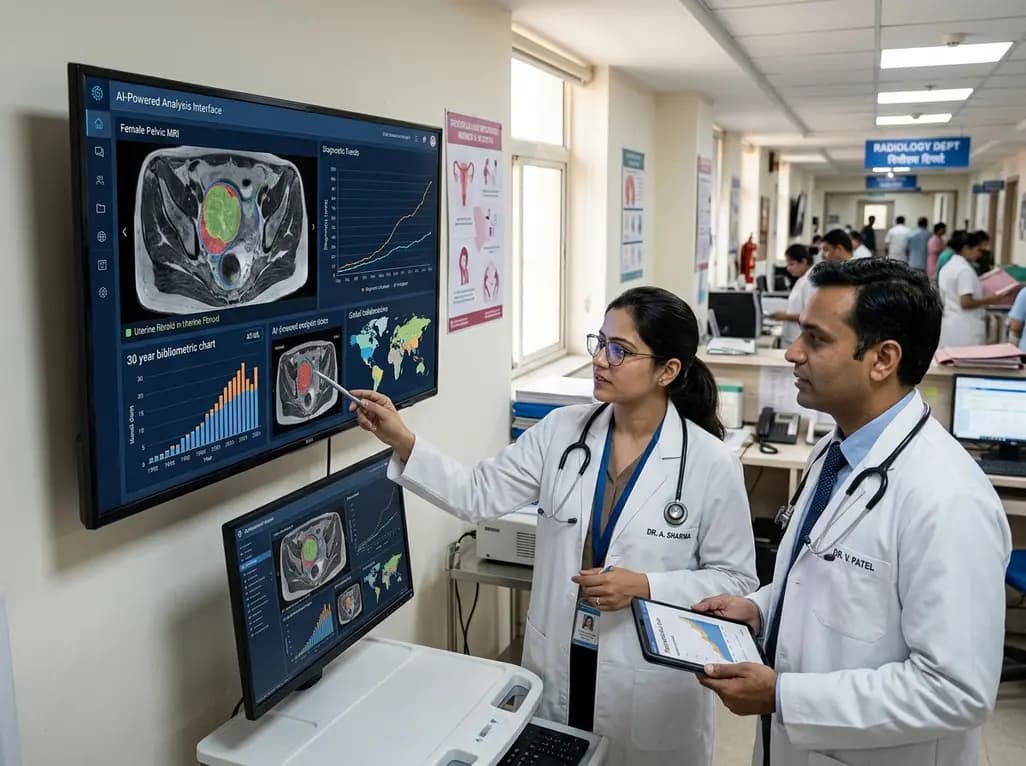
A 30-year bibliometric analysis highlights key research trends in AI in women's health from 1992 to 2024. Discover how evolving computational models, global institutional collaborations, and clinical decision support tools are shaping maternal, oncological, and reproductive care worldwide.
Today
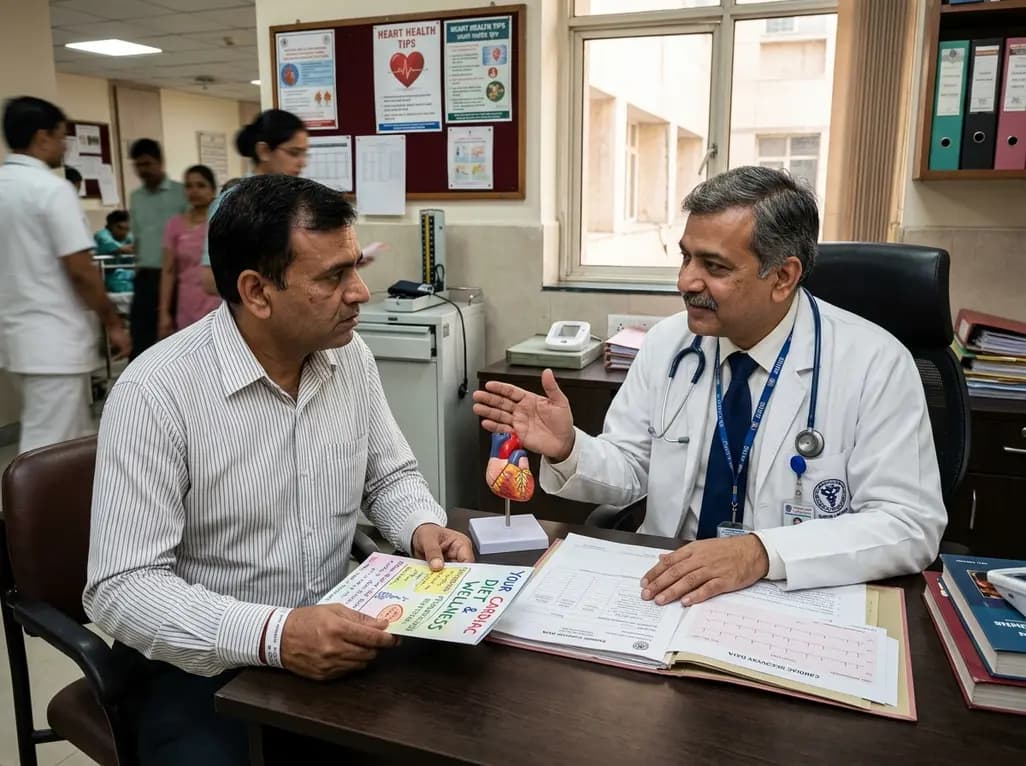
Cardiologists from premier institutes warn that viral diet trends like keto and intermittent fasting jeopardize cardiac recovery. Unsupervised dietary restriction can trigger electrolyte shifts, disrupt cardiovascular medications, and sabotage rehabilitation, necessitating personalized, physician-led nutrition.
Today

A Level I trauma center study shows a brief bedside mental health intervention boosts 30-day follow-up screening adherence by 84% in nonviolent injury patients. However, outcomes for violence survivors reveal critical care gaps, underscoring the urgent need for specialized community violence intervention programs.
Today
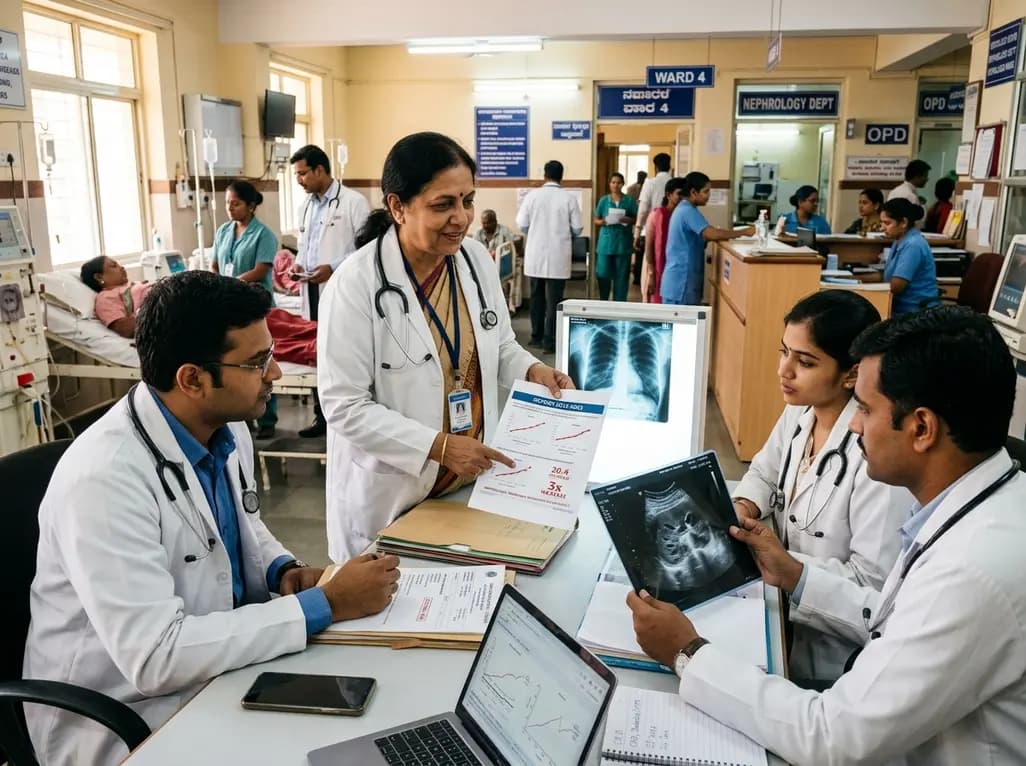
Recent data from Karnataka reveals a threefold surge in genitourinary and renal deaths over ten years. Driven by uncontrolled diabetes, hypertension, and emerging lifestyle hazards, this epidemiological shift highlights an urgent need for proactive screening and multidisciplinary nephrology management in primary care.
Today
