.webp&w=384&q=75)

Loading, please wait...
Loading, please wait...
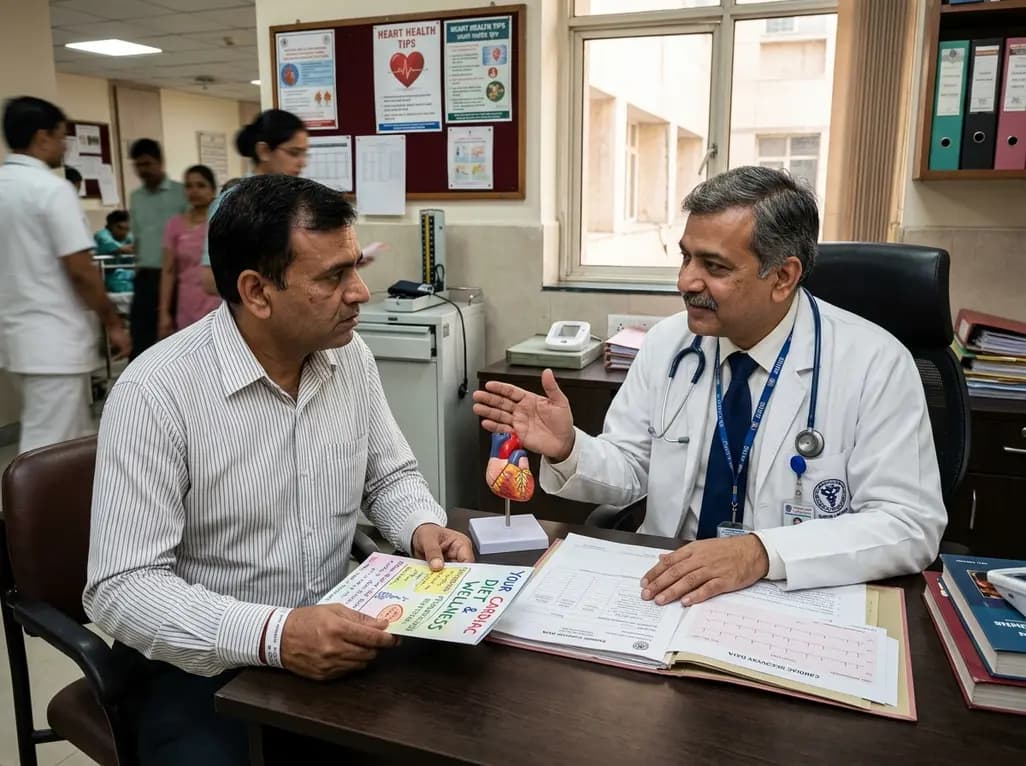
In modern clinical practice, social media channels frequently dictate wellness choices, leading many individuals to adopt extreme nutritional protocols. Recently, leading cardiologists have raised strong alarms regarding how popular viral diet trends compromise patient outcomes during post-infarction care. Prominent experts from King George's Medical University, Sanjay Gandhi Postgraduate Institute of Medical Sciences, and Ram Manohar Lohia Institute of Medical Sciences observe a dangerous pattern. Specifically, recovering cardiac patients increasingly swap evidence-based clinical guidance for advice from online influencers, digital video creators, and fitness trainers. Consequently, these self-directed food restrictions undermine cardiac convalescence and jeopardize long-term cardiovascular stability.
Professors at major tertiary cardiology departments report that nearly half of their outpatient department attendees now experiment with unvetted dietary restrictions. In addition, these patients frequently conceal their self-imposed nutritional regimens until overt complications arise. The rapid expansion of viral diet trends across urban populations accelerates this hazardous behavior. Patients naturally desire rapid weight reduction following a cardiovascular diagnosis. However, an abrupt transition to restrictive protocols presents severe clinical hazards.
Furthermore, cardiac healing demands sustained metabolic equilibrium rather than acute caloric deprivation. Heart failure and ischemic heart disease fundamentally alter how myocardial tissue utilizes fatty acids and glucose. When individuals eliminate vital macronutrients without medical supervision, they compromise ventricular remodeling. Moreover, severe energy depletion directly restricts physical stamina. Consequently, patients struggle to complete prescribed exercise regimens and supervised cardiac rehabilitation sessions. Clinical evidence confirms that structured rehabilitation forms an essential cornerstone of post-myocardial infarction recovery. If severe fatigue halts daily physical conditioning, functional capacity rapidly declines. Therefore, clinicians must routinely assess every outpatient's dietary practices during consultations to preempt unsupervised dietary shifts. In doing so, practitioners can identify unsafe trends before metabolic harm occurs.
The ketogenic diet promotes high dietary fat intake while slashing carbohydrate consumption to negligible levels. Although proponents celebrate its rapid fat-loss effects, this metabolic shift triggers pronounced cardiovascular concerns. For example, severe carbohydrate deprivation forces the liver to generate ketone bodies as an alternative cellular fuel. While this process alters systemic metabolism, it frequently elevates atherogenic circulating low-density lipoprotein cholesterol.
Additionally, sudden carbohydrate elimination induces rapid natriuresis and osmotic diuresis. This swift fluid loss creates sharp electrolyte imbalances, notably depleting serum potassium and magnesium. For a recovering heart patient, hypokalemia or hypomagnesemia significantly elevates the vulnerability to fatal ventricular arrhythmias. Similarly, acute dehydration triggers intravascular volume contraction. Consequently, patients receiving angiotensin-converting enzyme inhibitors, angiotensin receptor blockers, or loop diuretics face heightened risks of acute kidney injury and orthostatic syncope. Furthermore, severe ketosis causes metabolic acidosis, which negatively impacts myocardial contractility. Hence, cardiologists emphasize that ketogenic regimens should remain strictly off-limits for patients with established ischemic heart disease, advanced ventricular dysfunction, or concurrent diabetic nephropathy. Instead of preserving muscle mass, sudden carbohydrate deprivation can also provoke sarcopenia. Because lean skeletal muscle is vital for metabolic clearance, losing lean tissue hampers long-term survival. Thus, cardiac patients must strictly avoid ketogenic regimens without continuous biochemical oversight.
Intermittent fasting regimens restrict food intake to narrow daily windows, typically limiting eating to eight hours or fewer. Although short-term studies suggest intermittent fasting improves insulin sensitivity in select cohorts, prolonged fasting windows present distinct clinical dangers for cardiac patients. First, prolonged daily fasting disrupts standard pharmacotherapy schedules. Many cardiovascular medications, including beta-blockers, antiplatelet agents, and antidiabetic drugs, require consistent food intake to optimize absorption and prevent gastrointestinal toxicity.
Moreover, prolonged fasting combined with glucose-lowering therapies dramatically elevates the incidence of life-threatening hypoglycemia. When blood glucose plunges, the body releases a surge of counter-regulatory catecholamines. This sympathoadrenal activation spikes heart rate, elevates systemic vascular resistance, and increases myocardial oxygen demand. For an individual with compromised coronary perfusion, this adrenergic surge can trigger acute myocardial ischemia or angina. Furthermore, fluctuating hydration status during extended fasting periods interferes with tight blood pressure control. As a result, patients frequently suffer postural dizziness, falls, and transient ischemic episodes. Therefore, unmonitored fasting protocols represent an unsafe strategy for individuals with unstable ischemic heart disease or advanced congestive heart failure. In fact, recent epidemiological analyses associate extreme time-restricted eating with elevated cardiovascular mortality in vulnerable populations. Consequently, patients must prioritize consistent, evenly spaced nourishment over rigid fasting intervals.
Many cardiac patients encounter online promotions that aggressively advocate for mega-dose whey protein isolate and unverified dietary supplements. Gym trainers and fitness creators often present these formulations as safe tools for accelerated recovery. However, medical specialists warn that unguided high-protein diets impose dangerous physiological burdens on compromised organ systems. An excessive protein load accelerates glomerular hyperfiltration, which severely exacerbates underlying renal dysfunction in patients with hypertensive nephrosclerosis or diabetic kidney disease.
Additionally, over-the-counter high-protein powders and viral health supplements frequently contain undisclosed stimulants, heavy metals, or excessive sodium. These hidden ingredients directly alter vascular tone, drive systemic blood pressure spikes, and induce supraventricular tachycardia. Furthermore, widespread commercial dietary supplements frequently provoke adverse drug interactions with essential cardiac pharmacotherapy. For instance, herbal extracts and high-dose formulations can inhibit hepatic cytochrome enzymes, altering the bioavailability of oral anticoagulants, statins, and antiarrhythmic agents. Consequently, patients may experience severe bleeding complications or therapeutic failure. Therefore, recovering individuals must never initiate protein supplements or botanical compounds without clear written approval from their treating cardiologist. Nutritional support should prioritize natural, unadulterated whole foods rather than commercial powders. In summary, avoiding synthetic wellness supplements protects both renal function and cardiovascular stability during critical healing phases.
Sustainable cardiac recovery relies on proven dietary models rather than volatile internet trends. Cardiologists consistently advocate for a balanced, nutrient-dense Mediterranean or traditional cardioprotective eating pattern. These frameworks emphasize diverse fresh vegetables, legumes, whole grains, nuts, and healthy unsaturated fatty acids from sources like mustard oil or olive oil. Furthermore, moderate inclusion of low-fat dairy and lean proteins ensures adequate tissue repair without overloading metabolic pathways.
Importantly, clinical teams must tailor dietary prescriptions to each patient's unique hemodynamic profile, renal biomarkers, and glycemic control. Structured cardiac rehabilitation programs combine this personalized nutrition with monitored aerobic exercise, psychological counseling, and medical education. Moreover, gradual, medically guided weight management preserves skeletal muscle mass while steadily reducing adiposity. In contrast to rapid crash diets, this steady approach prevents rebound hyperlipidemia and metabolic rebound. As patients regain functional capacity, their overall quality of life improves sustainably. Thus, healthcare providers must actively engage heart attack survivors in constructive conversations about evidence-based nutrition. By championing verified lifestyle medicine over social media fads, clinicians safeguard long-term cardiovascular resilience. Ultimately, regular multidisciplinary follow-up ensures that patients remain compliant with their therapeutic regimens. This collaborative care model significantly lowers the risk of secondary cardiovascular hospitalizations.
Q1: Why are viral diet trends like keto particularly hazardous for post-heart attack patients?
The ketogenic diet drastically reduces carbohydrate intake and increases dietary fat consumption, which can elevate circulating low-density lipoprotein cholesterol. Furthermore, the rapid fluid and electrolyte shifts caused by nutritional ketosis deplete essential potassium and magnesium levels. This disturbance significantly increases the risk of life-threatening cardiac arrhythmias. In addition, severe energy restriction induces extreme physical fatigue, preventing patients from engaging effectively in vital cardiac rehabilitation and exercise recovery programs.
Q2: How does intermittent fasting interfere with standard heart disease medications?
Intermittent fasting requires prolonged windows of complete caloric deprivation, which disrupts standard medication schedules. Essential cardiovascular therapies, such as beta-blockers, antiplatelet drugs, and antihypertensive agents, require consistent food intake to maintain steady absorption and prevent severe gastric mucosal irritation. Moreover, when patients combine prolonged fasting with insulin or oral antidiabetic agents, they face dangerous episodes of severe hypoglycemia. Consequently, sudden blood sugar drops trigger catecholamine surges that strain the recovering myocardium.
Q3: What dietary strategy is safest for patients recovering from acute coronary syndrome?
Recovering cardiac patients should adopt a balanced, heart-healthy dietary pattern such as the Mediterranean diet, rather than unmonitored fad regimens. This approach emphasizes colorful vegetables, fresh fruits, whole grains, legumes, and healthy monounsaturated fats while strictly limiting saturated fats, refined sugars, and sodium. Most importantly, any nutritional modification must be individualized in consultation with a cardiologist and a clinical dietitian to ensure optimal metabolic stability, safe medication adherence, and sustained cardiac recovery.
Disclaimer: This content is for informational and educational purposes only. It does not constitute medical advice or replace professional judgment. Refer to the latest local and national guidelines for clinical practice.
References

Read summarized clinical updates, watch expert medical content, and earn CME certifications right from your smartphone.
Open your smartphone camera to scan and install.





Cardiologists from premier institutes warn that viral diet trends like keto and intermittent fasting jeopardize cardiac recovery. Unsupervised dietary restriction can trigger electrolyte shifts, disrupt cardiovascular medications, and sabotage rehabilitation, necessitating personalized, physician-led nutrition.
Today
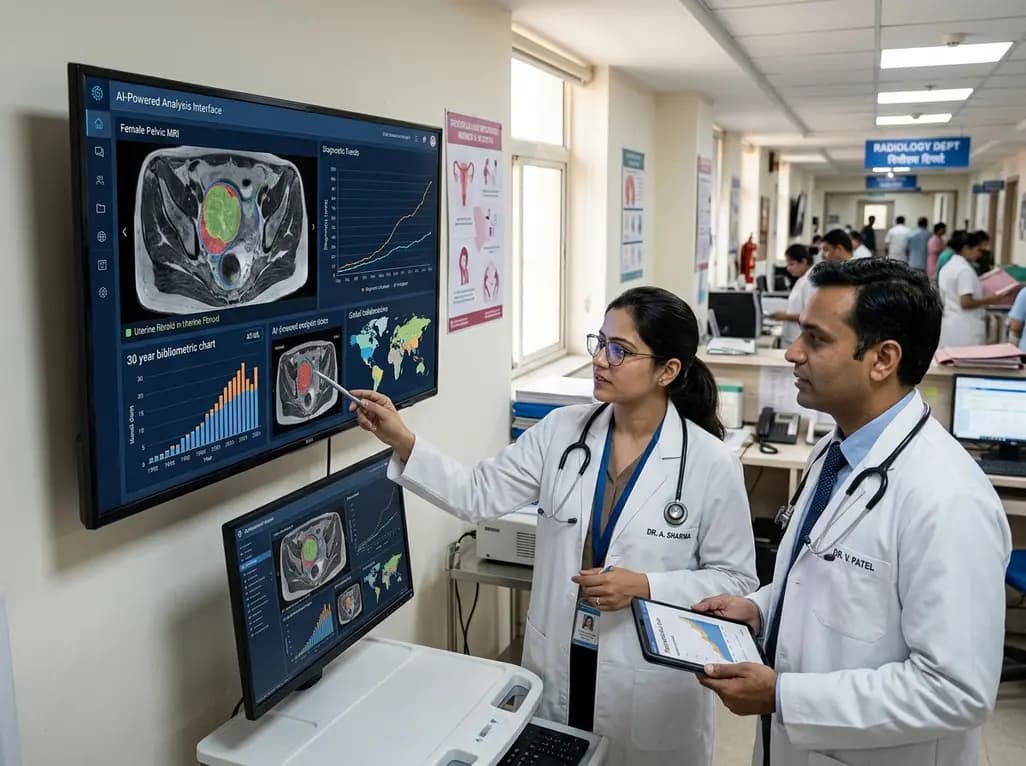
A 30-year bibliometric analysis highlights key research trends in AI in women's health from 1992 to 2024. Discover how evolving computational models, global institutional collaborations, and clinical decision support tools are shaping maternal, oncological, and reproductive care worldwide.
Today

A multicentre study in pediatric cardiac ICUs reveals that formalising lactation support—including developmental care protocols, family education, and feeding guidelines—significantly increases human milk volume and discharge breastfeeding rates for infants with congenital heart disease.
Today

A Level I trauma center study shows a brief bedside mental health intervention boosts 30-day follow-up screening adherence by 84% in nonviolent injury patients. However, outcomes for violence survivors reveal critical care gaps, underscoring the urgent need for specialized community violence intervention programs.
Today

Recent data from Karnataka reveals a threefold surge in genitourinary and renal deaths over ten years. Driven by uncontrolled diabetes, hypertension, and emerging lifestyle hazards, this epidemiological shift highlights an urgent need for proactive screening and multidisciplinary nephrology management in primary care.
Today
