

Loading, please wait...
Loading, please wait...
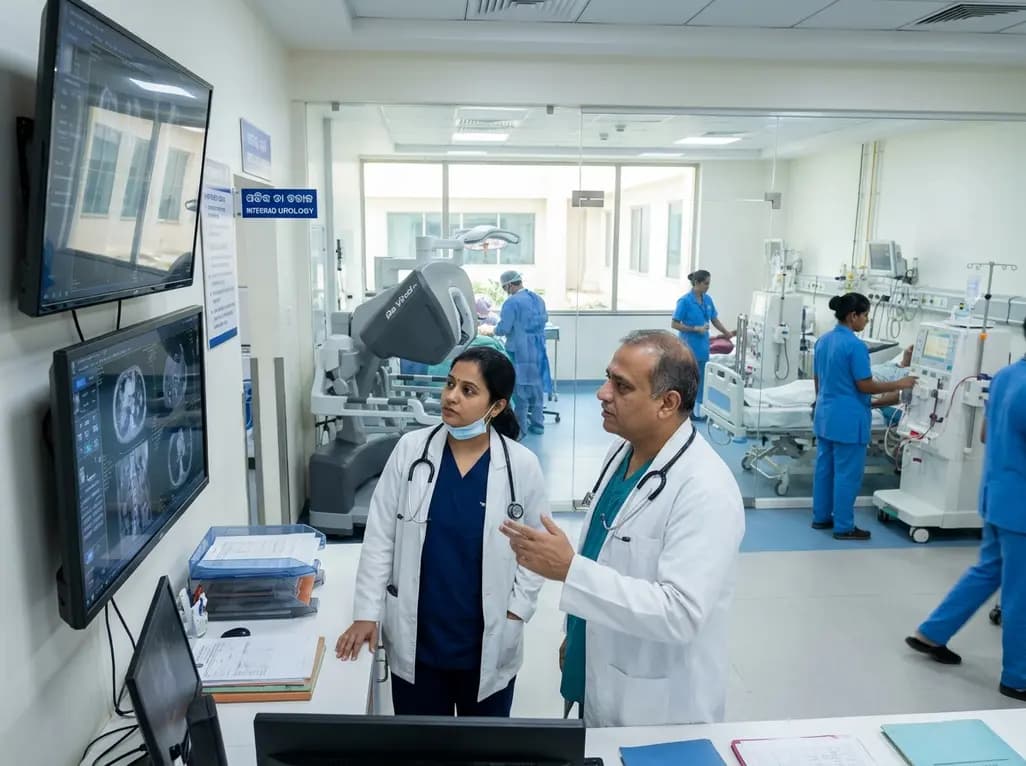
Chronic renal diseases and complex urological conditions place a heavy clinical burden on healthcare delivery systems across eastern India. To address this urgent demand, Asia Healthcare Holdings has committed one hundred crore rupees to expand comprehensive uro-nephrology care in Odisha. The initiative features the launch of a new super-specialty center in Bhubaneswar under the Asian Institute of Nephrology and Urology network. This strategic establishment aims to decentralize high-end medical interventions, enhance therapeutic precision, and dramatically improve long-term outcomes for patients experiencing severe renal and genitourinary pathologies.
Recent epidemiological assessments emphasize an urgent imperative for targeted renal interventions throughout the eastern zone. Notably, findings from the ICMR-INDIAB national investigation highlighted impaired kidney function in approximately three percent of the general Indian adult population. However, geographical variations present profound disparities, with Odisha recording disease prevalence figures reaching or exceeding six percent. Furthermore, subsequent district-level and community-based health surveys across vulnerable populations have documented severe rates of silent renal insufficiency. Many affected individuals remain completely asymptomatic until irreversible parenchymal damage occurs.
Consequently, clinicians frequently encounter patients presenting in advanced stages of chronic kidney disease. Diabetes mellitus, untreated essential hypertension, nephrotoxic herbal formulations, and environmental contaminants represent leading contributors to this regional escalation. In addition, rural communities often lack immediate access to routine serum creatinine screening or urine albumin evaluations. Therefore, expanding tertiary facilities into state capitals helps establish critical diagnostic networks. By centralizing high-throughput laboratory surveillance and nephrology consultations, clinicians can detect renal compromise earlier. As a result, structured management pathways can halt disease progression before individuals require emergency renal replacement therapy.
Delivering high-caliber uro-nephrology care requires modern infrastructure, multi-disciplinary clinician teams, and high-precision interventional units. The newly inaugurated Bhubaneswar facility represents the eighth center in the expanding national network of the Asian Institute of Nephrology and Urology. Moreover, this launch supports an ambitious institutional goal to operate ten comprehensive tertiary hospitals by the end of the current fiscal period. By replicating established institutional expertise from hubs in Hyderabad, Chennai, and Visakhapatnam, the institution introduces standardized clinical protocols to Odisha.
Additionally, the facility bridges significant infrastructure gaps between eastern coastal belts and southern medical metropolises. Patients previously had to travel extended distances to access specialized renal reconstruction or complex oncological surgeries. Now, localized access drastically reduces logistical stress, treatment interruptions, and clinical delays. Furthermore, the clinical model integrates outpatient consultation wings, acute inpatient monitoring wards, and specialized intensive care environments under one roof. Consequently, patients receive rapid, coordinated medical input from nephrologists and urologists working collaboratively. This cohesive setup fosters multidisciplinary decision-making, which substantially improves clinical survival markers in multi-morbid renal patients.
Modern surgical management of urological diseases relies extensively on energy-directed ablative systems and minimally invasive operative visualization. To accomplish this, the new surgical suite integrates high-powered 100-watt Holmium lasers alongside advanced 45-watt Thulium Fibre Laser platforms. These sophisticated laser modalities enable surgeons to treat intricate urinary lithiasis and benign prostatic hyperplasia with minimal blood loss. In addition, surgeons can carry out retrograde intrarenal surgery and percutaneous nephrolithotomy with exceptional tissue preservation. Consequently, patients experience substantially shorter postoperative hospital stays and lower rates of secondary infection.
Furthermore, the institution has incorporated advanced three-dimensional laparoscopic visualization systems across three dedicated operation theaters. These optical innovations provide operating surgeons with superior depth perception during intricate pelvic dissections. Similarly, the planned deployment of a specialized urological robotic surgical system will enhance precision during delicate reconstructive procedures. Robotic assistance allows meticulous intracorporeal suturing and microvascular control during partial nephrectomies and radical prostatectomies. Therefore, surgeons preserve functional healthy parenchyma while accomplishing complete oncological extirpation. These technical assets collectively redefine regional standards for surgical safety and operational accuracy.
End-stage renal disease demands robust, infection-controlled renal replacement therapy alongside streamlined organ replacement pathways. Specifically, the newly commissioned hospital houses a modern twelve-station hemodialysis unit designed for maximal dialytic clearance. The unit utilizes computerized fluid balancing, advanced hemodiafiltration membranes, and rigorous endotoxin-filtered water treatment plants. Furthermore, dedicated nephrology intensivists and specialized dialysis nurses provide round-the-clock monitoring to minimize hemodynamic instability during fluid removal. This dedicated setup supports both scheduled maintenance outpatients and acutely decompensated intensive care admissions.
Beyond chronic maintenance dialysis, the facility establishes complete clinical infrastructure for living-donor kidney transplantation. Specialized pre-transplant workups evaluate immunologic compatibility through human leukocyte antigen cross-matching and donor vascular mapping. Additionally, post-transplantation isolation suites protect immunosuppressed recipients from opportunistic bacterial and fungal pathogens. Dedicated transplant nephrologists oversee precise calcineurin inhibitor dosing to balance graft survival against opportunistic toxicity. Thus, local patients receive seamless continuum care encompassing maintenance hemodialysis, surgical vascular access creation, and definitive organ transplantation close to home.
Modern genitourinary healthcare extends far beyond routine calculus removal, demanding rigorous subspecialty clinical division. Accordingly, the hospital organizes dedicated clinical departments for uro-oncology, pediatric urology, andrology, and reconstructive urology. In the field of uro-oncology, multidisciplinary tumor boards coordinate systemic therapy, targeted radiation, and aggressive surgical extirpation. Similarly, pediatric urologists treat congenital anomalies like posterior urethral valves and pelviureteric junction obstruction early in life. Early surgical correction protects developing pediatric glomeruli and preserves total renal functional reserves long into adulthood.
In addition, advanced diagnostic equipment strengthens subspecialty diagnostic acumen throughout patient evaluations. The installation of an in-house thirty-two-slice computed tomography scanner provides rapid vascular rendering and three-dimensional anatomical reconstruction. Moreover, specialized video urodynamics units deliver accurate pressure-flow metrics to assess neurogenic bladders and refractory voiding dysfunctions. As a result, clinicians determine whether bladder outlet resistance stems from anatomical strictures or detrusor hypocontractility. Tailored therapies such as artificial urinary sphincter implantation or buccal mucosa urethroplasty then restore optimal urinary tract kinetics.
The establishment of specialized tertiary infrastructure alters clinical pathways for general practitioners and family physicians across Odisha. Primary care providers serve as the frontline defense against silent nephropathy. Therefore, clinicians must routinely assess serum creatinine and calculate estimated glomerular filtration rates in hypertensive and diabetic populations. When laboratory testing reveals microalbuminuria, clinicians should promptly initiate renin-angiotensin-aldosterone system inhibitors or sodium-glucose cotransporter-2 inhibitors. However, when filtration rates decline rapidly or urological anomalies appear, immediate referral to tertiary centers becomes essential.
Furthermore, early referral prevents avoidable complications such as severe metabolic acidosis, secondary hyperparathyroidism, and refractory volume overload. Primary practitioners must also identify complex urological presentations, including painless hematuria, persistent urinary tract infections, and recurrent nephrolithiasis. Clear communication channels between primary physicians and tertiary uro-nephrology teams guarantee uninterrupted continuity of clinical care. Ultimately, integrating primary vigilance with advanced tertiary intervention establishes an effective shield against escalating chronic kidney disease throughout the region.
Q1: Why is the prevalence of kidney disease particularly elevated in Odisha?
Epidemiological research reveals that Odisha experiences chronic kidney disease rates reaching six percent or higher. This high regional burden stems from complex interactions among uncontrolled metabolic disorders, diabetes, untreated hypertension, genetic predispositions, and distinct environmental exposures. In addition, delayed clinical presentation and limited access to regular diagnostic screening in rural communities allow subclinical nephron damage to progress unchecked into severe renal failure.
Q2: What specific technological advantages do Thulium and Holmium lasers offer in urology?
High-energy Holmium and Thulium Fibre Lasers deliver exceptional tissue incision, vaporization, and stone lithotripsy with minimal peripheral thermal damage. Furthermore, these flexible laser fibers navigate complex calyces during retrograde intrarenal surgery, fragmenting tough calculi efficiently. Consequently, surgeons achieve superior dusting of urinary stones, maintain clear operative visibility, minimize intraoperative blood loss, and shorten postoperative recovery periods for high-risk patients.
Q3: When should a primary care clinician refer a patient to a specialized uro-nephrology center?
Primary clinicians should promptly refer patients demonstrating persistent proteinuria, unexplained microscopic hematuria, or sustained drops in glomerular filtration rates below 60 mL/min/1.73m2. Additionally, immediate referral is warranted for individuals presenting with recurrent nephrolithiasis, refractory urinary tract infections, suspected genitourinary tumors, anatomical urinary obstructions, or difficult-to-control secondary hypertension requiring multidisciplinary surgical or nephrological management.
Disclaimer: This content is for informational and educational purposes only. It does not constitute medical advice or replace professional judgment. Refer to the latest local and national guidelines for clinical practice.
References

Read summarized clinical updates, watch expert medical content, and earn CME certifications right from your smartphone.
Open your smartphone camera to scan and install.





Asia Healthcare Holdings commits ₹100 crore to expand renal and urological services across Odisha, inaugurating a cutting-edge hospital in Bhubaneswar. The facility integrates robotic surgery, advanced lasers, and hemodialysis units to tackle the escalating regional burden of kidney disease.
Today

The PhenX Toolkit offers over 1,000 consensus-based protocols to standardize phenotypes and environmental exposures. This open-access resource enhances scientific rigor, supports cross-study data pooling, and integrates with platforms like REDCap to empower biomedical researchers worldwide.
Today
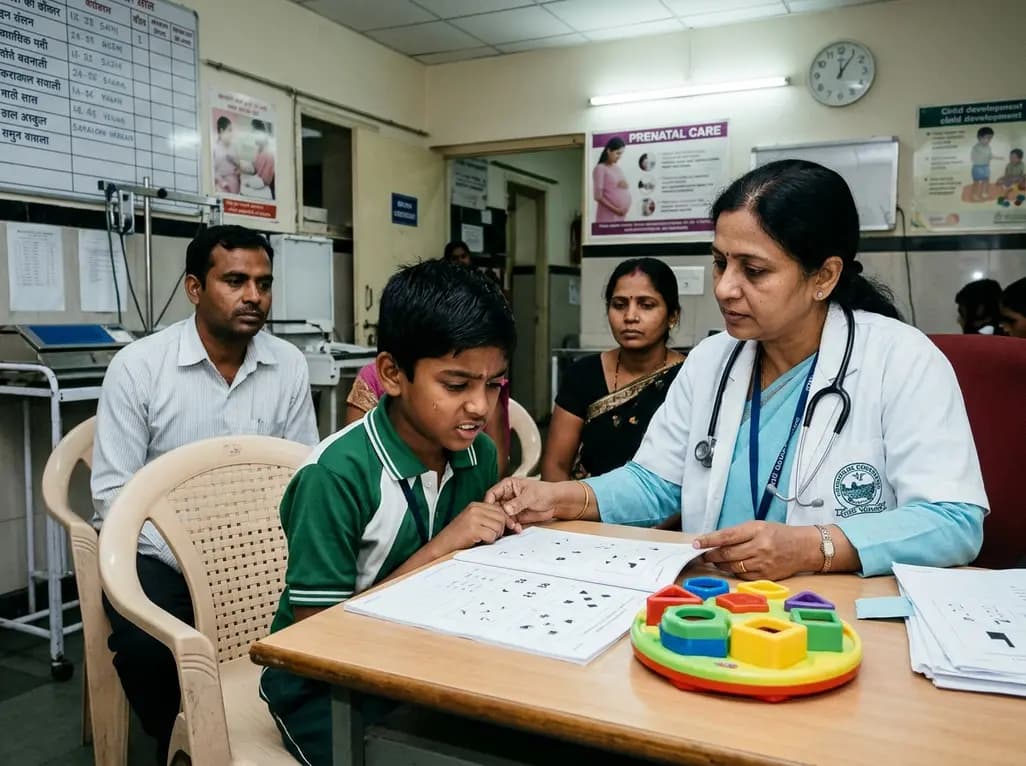
A major ABCD study analysis reveals that prenatal co-exposure to cannabis and tobacco significantly impairs fluid cognitive abilities in middle childhood, whereas crystallized intelligence remains unaffected. The findings highlight urgent needs for targeted antenatal screening and intervention.
Today
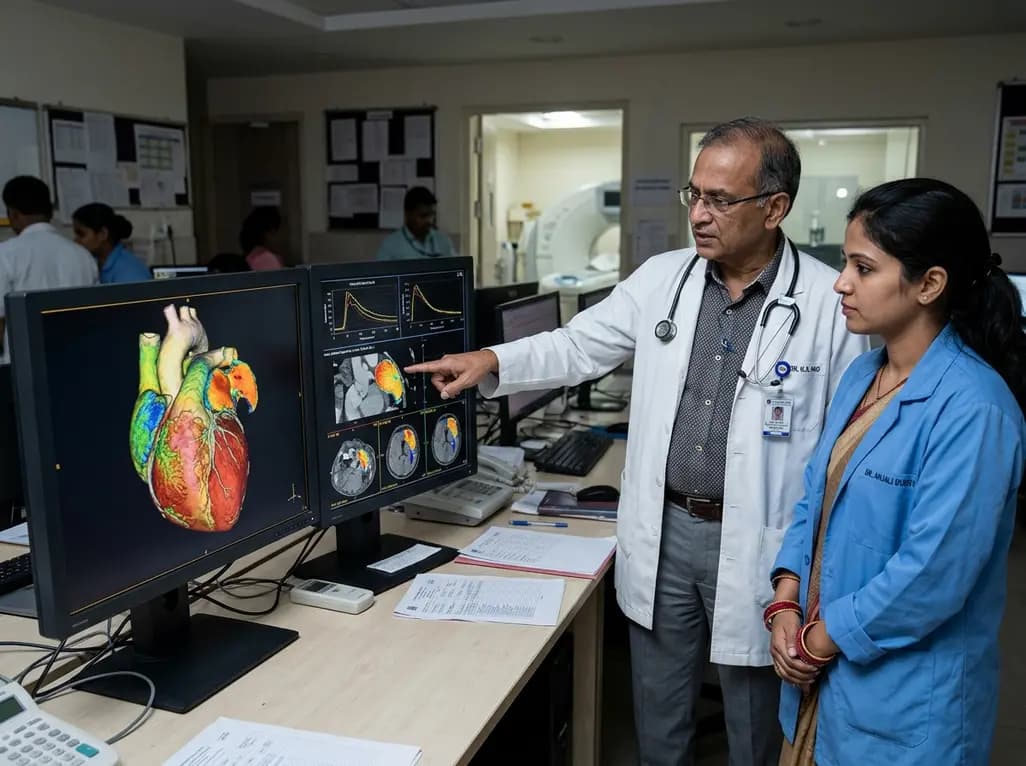
Dynamic contrast 4DCT enables precise mapping of left atrial appendage blood transport in atrial fibrillation. By quantifying regional stasis, wash-in kinetics, and residence time, this imaging advance offers clinician-tailored thromboembolic risk stratification beyond standard clinical scores.
Today
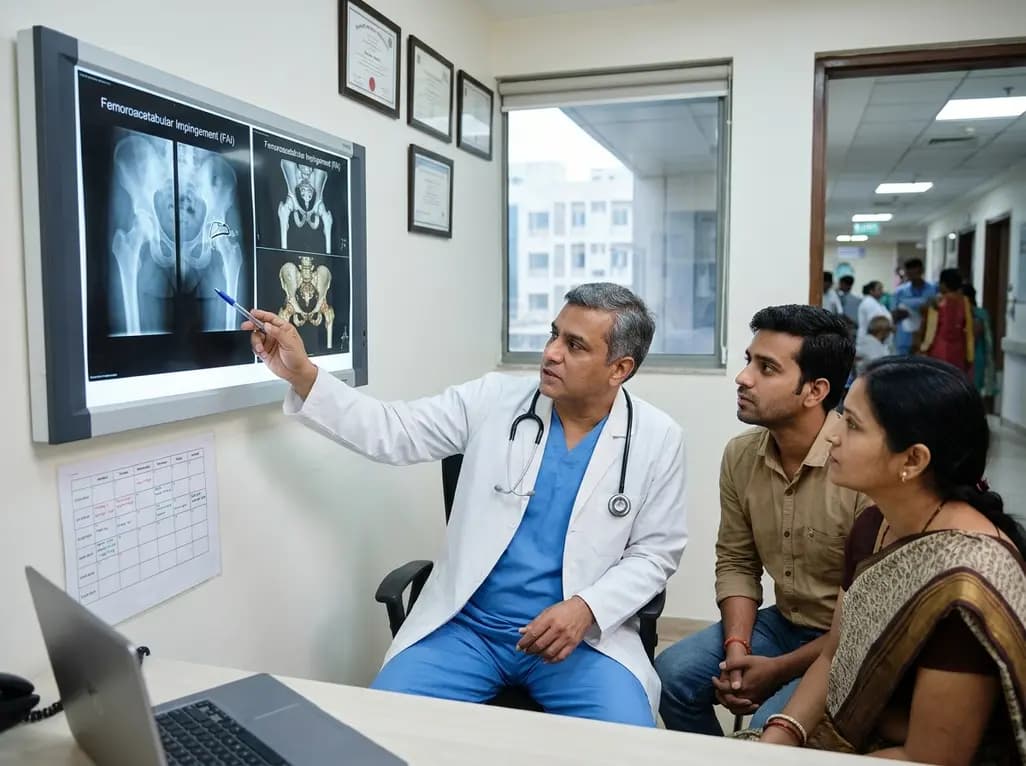
Deciding the optimal interval for staged bilateral hip arthroscopy in femoroacetabular impingement syndrome requires weighing the risks of rapid intervention against delayed joint degeneration. Shared decision-making balances functional rehabilitation milestones with bilateral symptom progression.
Today
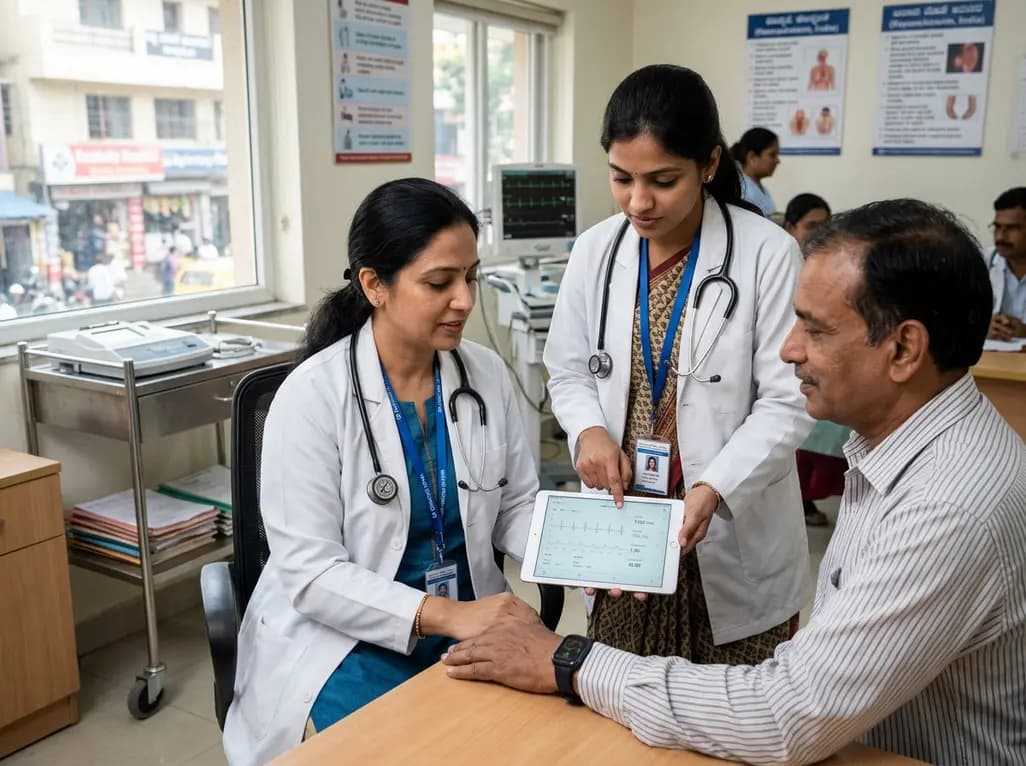
India is poised to transform chronic disease management through wearable health technology. Discover how continuous remote monitoring and predictive algorithms empower clinicians to detect early cardiovascular signals, personalize metabolic interventions, and deliver equitable preventive care across populations.
Today
