.webp&w=384&q=75)

Loading, please wait...
Loading, please wait...

Adult survivors of haematopoietic stem cell transplantation frequently confront prolonged physical deconditioning, muscular weakness, and systemic fatigue. Historically, post-transplant recovery centered on infection control and pharmacological management. However, recent clinical attention has shifted toward structured physical activity. Implementing exercise rehabilitation after HSCT offers a promising non-pharmacological strategy to accelerate functional recovery. A comprehensive systematic review of randomised controlled trials now clarifies these long-term survivorship interventions. Therefore, understanding these findings enables clinicians to prescribe targeted rehabilitation protocols safely.
Structured physical activity substantially enhances objective functional mobility across transplant survivors. In particular, the systematic review analyzed seven randomised controlled trials comprising 529 adult participants. Notably, investigators observed substantial improvements in objective ambulation and lower limb strength. The six-minute walk distance showed significant between-group increases ranging between 51 and 63 meters. Indeed, the largest included trial demonstrated statistically significant improvements in walking capacity. Similarly, performance on the sit-to-stand test improved by 2.5 to 3.8 repetitions among exercising patients. These objective gains demonstrate meaningful clinical recovery of daily functional capacity. Furthermore, earlier ambulation directly mitigates hospital-acquired deconditioning and restores neuromuscular coordination. Importantly, the reviewed trials reported zero serious exercise-related adverse events. Consequently, supervised physical activity proves exceptionally safe in post-transplant populations. Hematologists can therefore confidently initiate progressive ambulation protocols early during outpatient recovery. Thus, structured exercise directly restores physical independence in recovering cancer survivors.
Transplant modality profoundly influences the magnitude of rehabilitation benefits observed in clinical trials. Specifically, allogeneic recipients endure greater systemic toxicity, prolonged immunosuppression, and higher baseline physical impairment. Because these patients experience substantial baseline deficits, they exhibit markedly greater functional recovery from structured training. In contrast, trials evaluating autologous recipients showed minimal or non-significant between-group functional differences. Autologous transplant patients generally retain higher baseline fitness and experience quicker hematologic reconstitution. Therefore, the physiological ceiling effect may mask modest exercise gains in autologous cohorts. Furthermore, allogeneic recipients often battle graft-versus-host disease and corticosteroid-induced myopathy. For this reason, targeted resistance and aerobic conditioning offer indispensable therapeutic value for allogeneic survivors. Clinicians must recognize these distinct physiological trajectories during post-discharge planning. While autologous patients maintain basic independence, allogeneic recipients require intensive rehabilitation support. Consequently, risk stratification based on transplant type ensures optimal resource allocation. Thus, personalized exercise prescriptions should prioritize allogeneic survivors with documented functional deficits.
Although objective walking performance consistently improved, cardiorespiratory fitness outcomes demonstrated notable variability across trials. Peak oxygen consumption metrics frequently revealed non-significant between-group differences despite positive within-group trends. Similarly, patient-reported fatigue and health-related quality of life yielded inconsistent therapeutic responses. Several studies recorded meaningful fatigue reduction within active intervention cohorts. Nevertheless, pooled statistical comparisons against control arms failed to achieve definitive significance. Many factors contribute to this observed inconsistency in patient-reported outcomes. In particular, varying chemotherapy conditioning regimens and fluctuating cytopenias introduce significant clinical heterogeneity. Moreover, standard self-reported questionnaires often lack sensitivity to subtle daily energy improvements. Consequently, clinicians cannot rely solely on generic quality-of-life surveys to evaluate rehabilitation progress. Instead, care teams should integrate objective physiological metrics alongside validated symptom inventories. Furthermore, extending exercise programs beyond three months may establish more durable psychosocial benefits. Accordingly, sustained longitudinal interventions remain essential to overcome deeply ingrained post-transplant fatigue.
Beyond musculoskeletal performance, researchers increasingly evaluate how exercise modulates systemic inflammation and metabolic recovery. In this updated review, two clinical trials contributed preliminary data regarding immunometabolic outcomes. Notably, exploratory biomarkers demonstrated a favorable reduction in soluble intercellular adhesion molecule-1 levels. Because soluble ICAM-1 reflects endothelial activation and systemic inflammation, this reduction suggests attenuated vascular stress. Furthermore, exercising recipients achieved positive within-group recovery of total body cell mass. Sarcopenia and lean tissue wasting frequently complicate prolonged immunosuppressive therapy and hospital confinement. Therefore, preserving body cell mass represents a critical metabolic milestone during post-transplantation survivorship. However, the overall certainty of evidence for these immunometabolic endpoints remains low to very low. Small sample sizes and disparate laboratory methodologies currently limit broad clinical generalizability. Despite these limitations, the physiological signals offer compelling hypotheses for future translational research. In addition, physical training enhances insulin sensitivity and stabilizes metabolic profiles in vulnerable transplant recipients. Thus, upcoming clinical trials must incorporate robust immunophenotyping alongside traditional functional measures.
Translating these systematic review findings into clinical hematology practice requires structured, patient-centered protocols. First, clinicians should implement baseline functional assessments before discharge from the transplantation unit. Evaluating lower extremity strength and ambulation metrics identifies high-risk individuals requiring prioritized rehabilitation. Furthermore, healthcare teams must tailor exercise prescriptions according to transplant modality and medical comorbidities. Because allogeneic recipients carry elevated risks for chronic complications, they require closely supervised physical therapy. A balanced prescription should combine moderate-intensity aerobic walking with progressive resistance training. In particular, bodyweight squats and resistance bands safely stimulate muscle protein synthesis without overloading healing joints. Moreover, home-based or hybrid exercise models offer excellent compliance while minimizing infectious exposure. Nevertheless, clinicians must maintain stringent safety parameters regarding severe thrombocytopenia, neutropenia, and active infections. When platelet counts drop below 20,000 per microliter, clinicians should modify training to gentle range-of-motion routines. Finally, multidisciplinary coordination between oncologists, physiotherapists, and dietitians ensures holistic recovery. Hence, structured rehabilitation pathways represent an indispensable component of comprehensive survivorship care.
Clinicians generally initiate light inpatient mobilization during the early post-transplant conditioning phase, provided hematologic parameters remain stable. Following discharge, patients can begin structured outpatient aerobic and progressive resistance training around day thirty to day sixty post-transplantation. However, teams must strictly monitor platelet counts, absolute neutrophil numbers, and febrile symptoms. Supervising physical therapists gradually advance exercise intensity as graft function stabilizes, ensuring completely safe physiological adaptation throughout ongoing hematologic recovery.
Allogeneic transplant recipients typically endure more aggressive pre-transplant conditioning regimens, prolonged hospitalization, and higher cumulative corticosteroid exposure. Consequently, they experience profound baseline muscular deconditioning, cachexia, and impaired functional mobility before rehabilitation begins. This marked functional impairment provides a wider therapeutic window for observable recovery. Conversely, autologous recipients retain higher baseline physiological reserve, which often creates an apparent ceiling effect that masks modest rehabilitation improvements on standardized functional outcome measures.
Clinicians must review daily complete blood counts before initiating physical training sessions. Specifically, if platelet counts fall below 20,000 per microliter, patients should avoid resistance exercises and high-impact activities to prevent spontaneous hemorrhage. Furthermore, active febrile episodes, severe anemia with hemoglobin below 8 g/dL, or acute graft-versus-host disease flares necessitate immediate exercise suspension. Clinicians must sanitize equipment meticulously and consider home-based workouts to protect neutropenic patients against opportunistic environmental pathogens.
Disclaimer: This content is for informational and educational purposes only... Refer to the latest local and national guidelines for clinical practice.
References

Read summarized clinical updates, watch expert medical content, and earn CME certifications right from your smartphone.
Open your smartphone camera to scan and install.





A systematic review of 7 RCTs evaluates long-term outcomes of exercise rehabilitation after HSCT. Structured physical activity significantly enhances walking distance and functional mobility without serious adverse events, showing the greatest recovery benefits among allogeneic transplant recipients.
Today
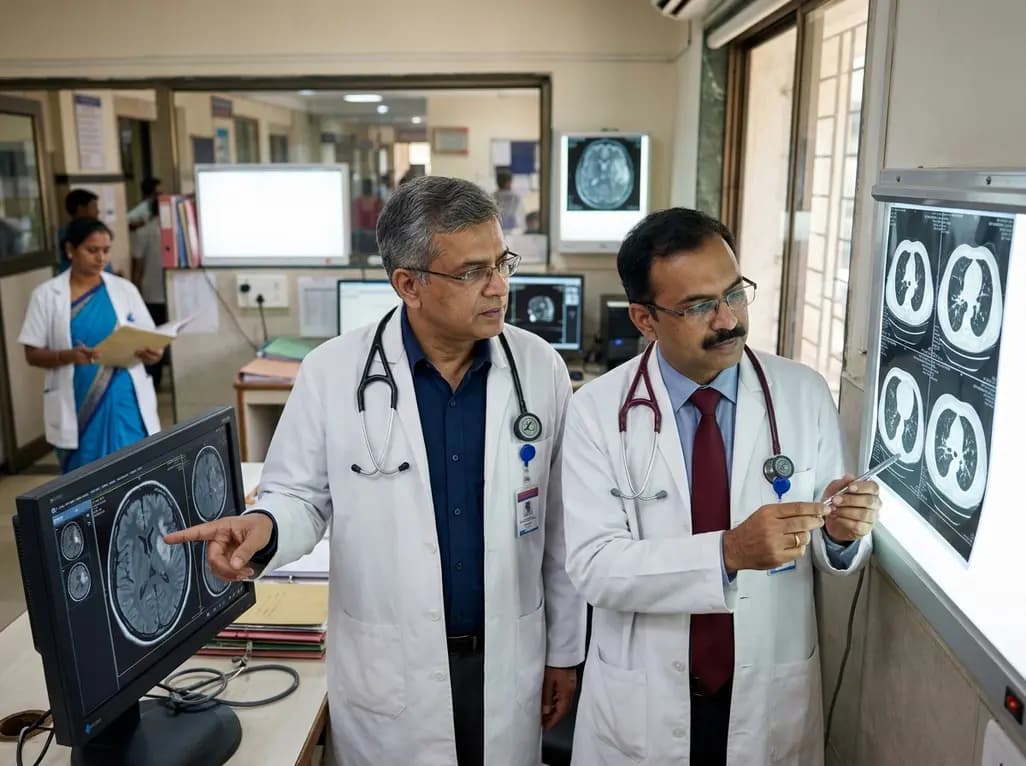
A recent clinical report identifies a novel GDF2 frameshift mutation in a patient with hereditary hemorrhagic telangiectasia presenting with acute cerebral infarction secondary to microscopic pulmonary arteriovenous malformations, emphasizing the necessity of comprehensive screening and genetic evaluation.
Today
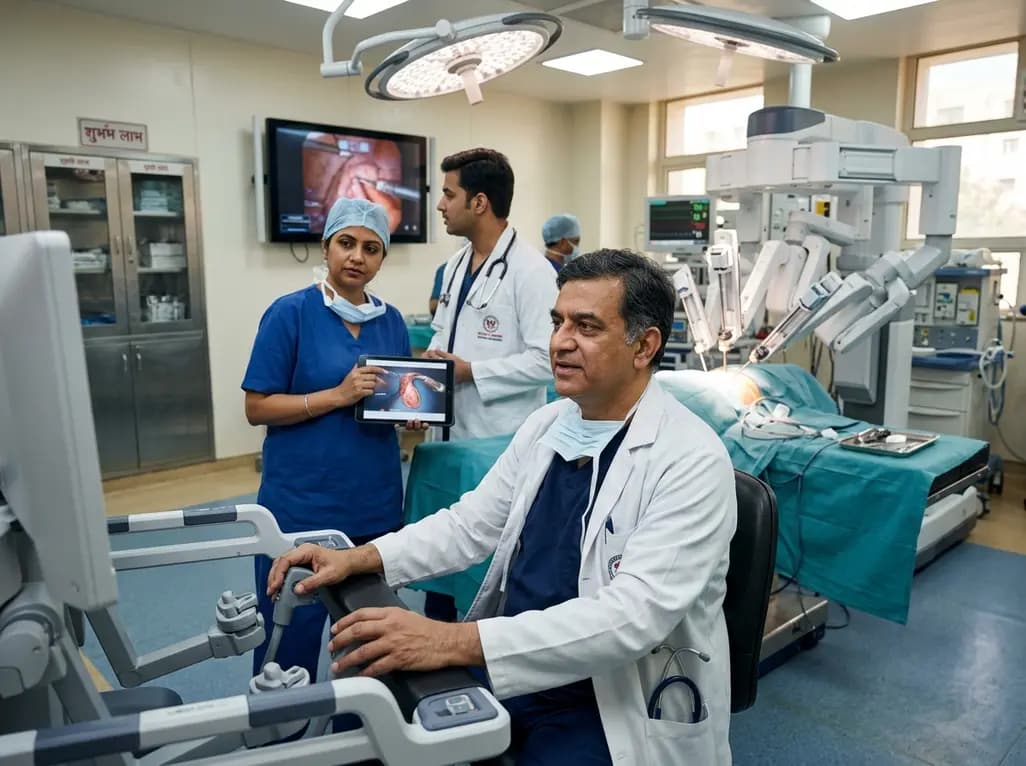
India experiences an exponential rise in robotic-assisted procedures, with Delhi NCR leading system installations and clinical volume. Discover how multidisciplinary surgical adoption, remote telesurgery breakthroughs, and standardized international consensus guidelines are shaping surgical care nationwide.
Today
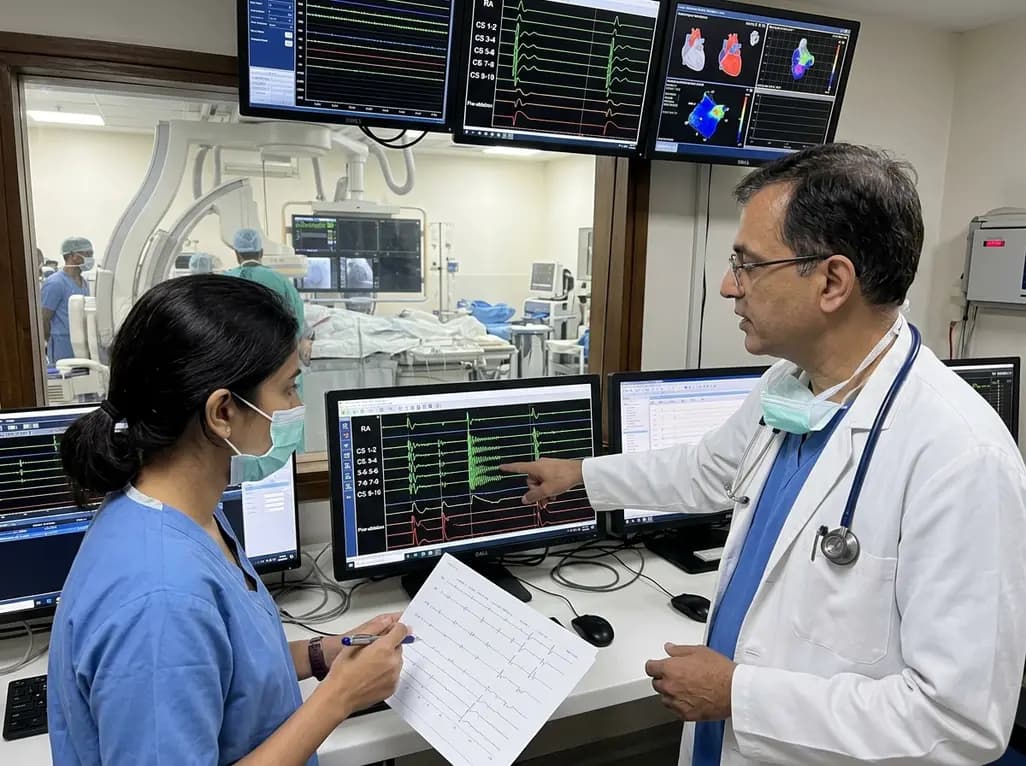
Radiofrequency catheter ablation of the cavotricuspid isthmus successfully terminates typical atrial flutter. This article reviews the mechanisms driving coronary sinus electrogram changes, wavefront activation pathways, and clinical criteria to verify bidirectional block during electrophysiology studies.
Today
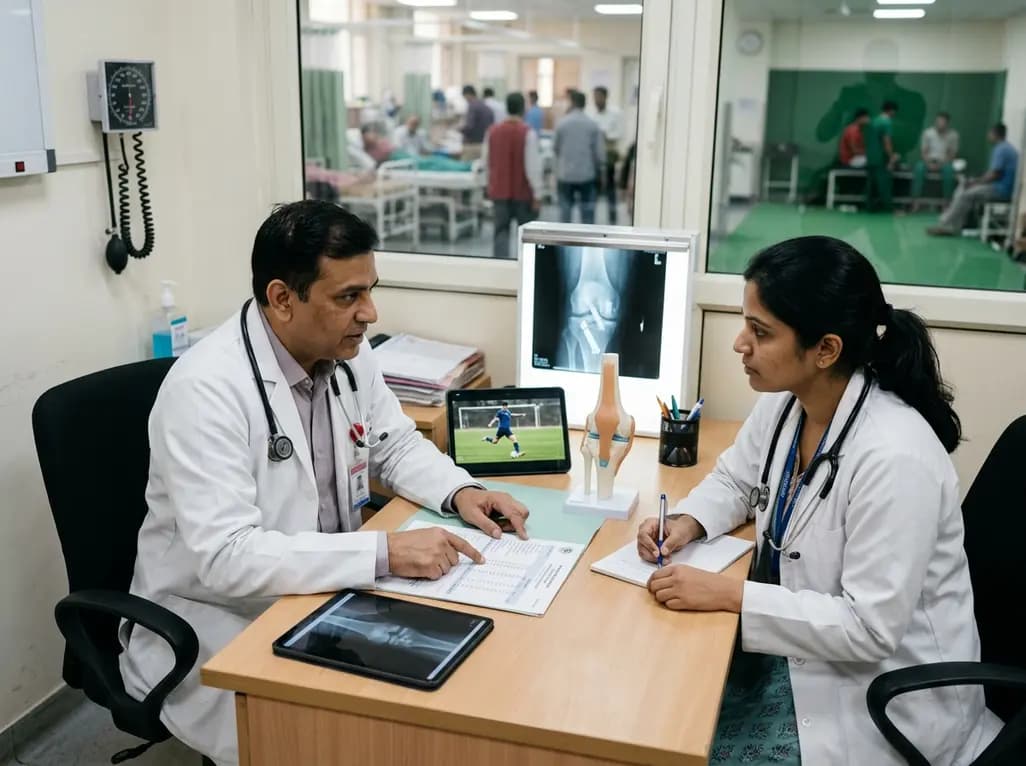
A media-based study of 278 European professional football players finds no clear association between time to return-to-play after ACL reconstruction and the hazard of a first additional injury or matches missed, reinforcing the need for criteria-based clearance over calendar timelines.
Today
A breakthrough study leverages natural language processing to accurately identify incident medication-related osteonecrosis of the jaw and track antiresorptive drug holidays from clinical narratives in electronic health records, advancing osteoporosis pharmacovigilance and dental safety.
Today
