.webp&w=384&q=75)

Loading, please wait...
Loading, please wait...
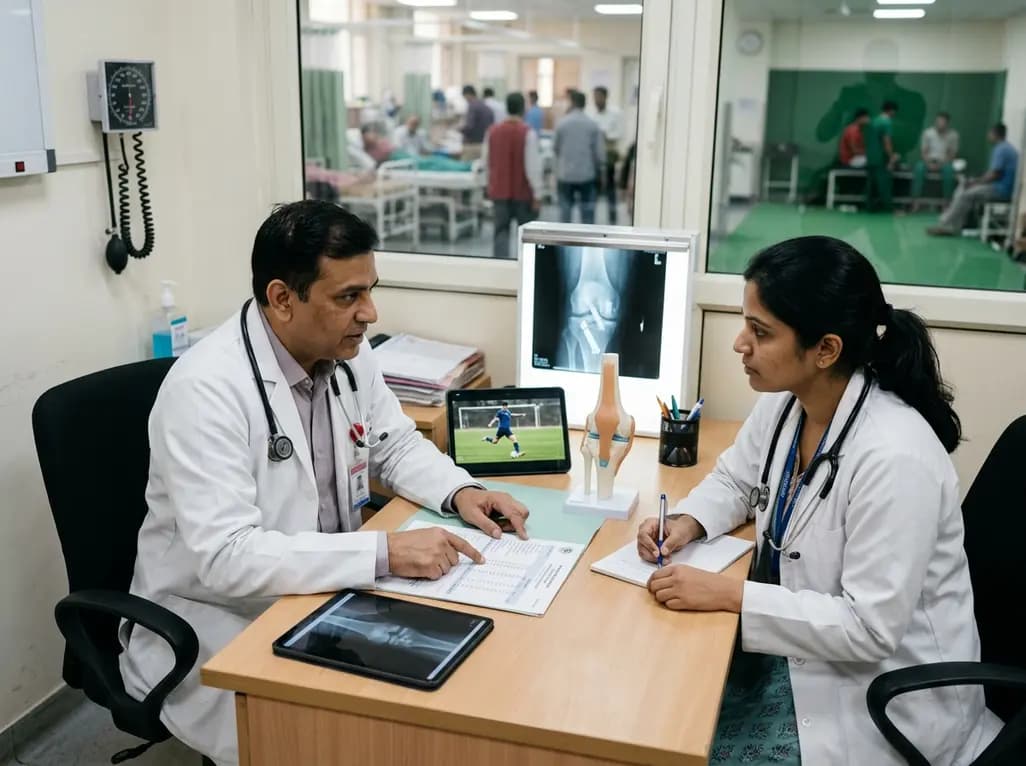
Anterior cruciate ligament ruptures represent devastating setbacks for competitive athletes. Consequently, determining the optimal time to return-to-play remains an active debate among orthopedic surgeons. Historically, clinicians assumed that delaying match clearance would inherently protect athletes from subsequent physical trauma. However, a recent media-based study evaluating elite European football players challenges this conventional assumption. The researchers examined whether postoperative duration directly correlates with the hazard of subsequent physical injuries. Ultimately, their findings offer meaningful insights for modern sports medicine and clinical rehabilitation pathways.
The study evaluated 278 male professional football players across the five major European leagues who sustained an anterior cruciate ligament injury. All included athletes underwent surgical reconstruction and subsequently achieved return to official competition. Researchers defined match resumption as the player's first appearance in an official league or cup competition. Interestingly, the mean postoperative duration before match resumption reached 242.3 days, with a standard deviation of 99.5 days. This timeline shows that elite football players generally return to competition approximately eight months after surgical intervention.
Furthermore, investigators monitored these athletes to document any subsequent medical setback following their competitive comeback. They tracked players across extended career follow-up windows as well as within a focused 365-day postoperative period. Using multivariable Cox proportional hazards regression models, researchers rigorously adjusted their calculations for player age and tactical pitch position. Therefore, the methodological framework successfully accounted for key baseline variables that often influence physical exposure and reinjury risk. In addition, sensitivity analyses examined predefined time brackets to identify potential non-linear effects. Ultimately, the comprehensive design permitted an objective appraisal of real-world outcomes in modern professional football environments.
Among the 278 analyzed athletes, 201 players experienced a first additional injury during the observation period. This outcome represented an overall reinjury proportion of 72.3 percent across the entire cohort. Despite this elevated rate of secondary physical trauma, statistical analyses demonstrated no clear association between recovery duration and injury hazard. Specifically, the hazard of sustaining an additional injury over full follow-up remained comparable regardless of recovery speed.
Similarly, researchers identified no protective association when assessing injuries occurring strictly within 365 days after competitive resumption. Sensitivity analyses examining predefined duration categories also failed to reveal any statistically meaningful differences among early or delayed groups. Thus, players who resumed matches earlier did not demonstrate a significantly higher hazard than those with prolonged rehabilitation. Conversely, extending postoperative recovery beyond standard thresholds did not decrease secondary injury risk. Moreover, adjusting for positional physical demands and age differences produced identical null findings across all evaluated cohorts. In summary, calendar duration alone failed to differentiate athletes who stayed healthy from those who sustained subsequent injuries. These empirical observations clearly challenge long-held assumptions regarding time-dependent joint protection.
Beyond evaluating the occurrence of subsequent physical setbacks, the investigators explored how these complications affected player availability. Specifically, they utilized negative binomial regression models to evaluate the total number of competitive fixtures missed. The primary goal involved determining whether a hasty comeback caused more severe subsequent problems that sidelined players longer. If rushing rehabilitation created profound structural vulnerability, one would expect longer subsequent layoffs and greater competitive disruption.
However, the empirical evidence revealed no clear association between recovery duration and missed matches. Players who resumed competition sooner did not experience longer secondary absences compared to their peers who took more time. In addition, categorical sensitivity evaluations confirmed this absence of significant association across varying recovery timelines. These observations suggest that secondary injuries occurring after reconstruction remain unpredictable when judged solely by calendar days. Therefore, sports medical teams cannot rely exclusively on elapsed time to anticipate either injury severity or competitive time lost. Instead, comprehensive functional monitoring must guide athletic risk stratification. Consequently, clinicians must look toward functional biomarkers rather than arbitrary dates when evaluating readiness.
Historically, many sports medicine protocols relied heavily on arbitrary chronological milestones to clear athletes for competition. For example, traditional guidelines frequently cited six or nine months as mandatory thresholds for sports resumption. Nevertheless, modern biomechanical research shows that biological tissue healing does not guarantee full neuromuscular restoration. As a result, contemporary sports medicine emphasizes objective functional criteria over calendar timelines.
Clinicians must assess quadriceps strength symmetry, hamstring-to-quadriceps ratios, and dynamic knee valgus control before match clearance. Furthermore, athletes must demonstrate excellent functional movement quality during multi-directional sprinting, cutting, and sudden deceleration tasks. Reactive agility testing and sport-specific conditioning under high metabolic fatigue provide vital indicators of joint stability. In addition, psychological readiness plays a massive role in injury avoidance. Objective questionnaires such as the ACL-RSI help practitioners identify athletes struggling with fear of reinjury or hesitation. When athletes return with unaddressed psychological apprehension, altered movement patterns inevitably increase reinjury hazards. Consequently, modern clearance decisions require multidisciplinary evaluations rather than calendar calculations to protect athletic longevity.
These clinical findings provide practical guidance for orthopedic surgeons, sports physical therapists, and athletic training staff. First, clinicians should understand that delaying competition will not automatically protect an athlete against subsequent physical problems. If underlying biomechanical deficits, movement compensations, or muscular weaknesses persist, reinjury risks remain elevated indefinitely. Therefore, rehabilitation programs must prioritize customized neuromuscular training rather than passively waiting for the calendar to advance.
Second, medical teams must implement continuous workload management once athletes transition back into competitive training environments. In elite football, rapid spikes in acute training load frequently precipitate secondary muscular strains and joint injuries. Thus, gradual integration with precise tracking of high-speed running distances helps mitigate secondary tissue breakdown. Finally, longitudinal monitoring should continue well beyond the initial match appearance. Because over 70 percent of athletes in this study sustained subsequent injuries, post-clearance care represents an ongoing endeavor rather than a one-time milestone. Clinicians should conduct quarterly strength and biomechanical reassessments to maintain athletic resilience throughout the competitive calendar year.
Current clinical research indicates that delaying return to play does not automatically protect athletes from secondary injuries. While biological healing requires adequate postoperative time, structural graft maturity does not eliminate underlying biomechanical or neuromuscular deficits. If an athlete returns without addressing movement compensations, asymmetrical strength, or reduced physical fitness, injury risks remain substantially elevated regardless of how many months have elapsed since surgery.
Clinicians should implement a comprehensive criteria-based discharge battery that evaluates multiple functional domains. This protocol includes limb symmetry indices exceeding ninety percent for quadriceps and hamstring strength, functional hop testing batteries, and validated movement quality assessments during cutting maneuvers. Additionally, clinicians should assess psychological readiness using validated tools like the ACL-RSI scale and confirm tolerance to sport-specific training loads before granting unrestricted clearance.
Professional football players exhibit high secondary injury rates due to the intense physical demands of competitive matches, persistent neuromuscular deficits, and rapid training load escalation. Compensatory movement strategies frequently place excessive stress on uninjured joints and musculature, predisposing athletes to hamstring strains or contralateral ligament tears. Furthermore, residual deficits in deceleration mechanics, aerobic conditioning, and neuromuscular reaction times significantly heighten injury vulnerability upon match resumption.
Disclaimer: This content is for informational and educational purposes only... Refer to the latest local and national guidelines for clinical practice.
References
Marchetti A et al. No clear association between time to return-to-play and first additional injury in European professional football players after ACL injury: A media-based study. J Exp Orthop. 2026 Oct undefined. doi: 10.1002/jeo2.70934. PMID: 42829623.
D'Ambrosi R, et al. Slower but Not Safer: A Systematic Review and Meta-Analysis of Return to Play and Graft Re-Rupture After ACL Reconstruction in Professional Soccer Players. Sports Med Open. 2025;11:112.
Della Villa F, Hägglund M, Della Villa S, Ekstrand J, Waldén M. High rate of second ACL injury following ACL reconstruction in male professional footballers: an updated longitudinal analysis from 118 players in the UEFA Elite Club Injury Study. Br J Sports Med. 2021;55(23):1350-1356.
Grindem H, Snyder-Mackler L, Moksnes H, Engebretsen L, Risberg MA. Simple decision rules can reduce reinjury risk by 84% after ACL reconstruction: The Delaware-Oslo ACL cohort study. Br J Sports Med. 2016;50(13):804-808.

Read summarized clinical updates, watch expert medical content, and earn CME certifications right from your smartphone.
Open your smartphone camera to scan and install.





A media-based study of 278 European professional football players finds no clear association between time to return-to-play after ACL reconstruction and the hazard of a first additional injury or matches missed, reinforcing the need for criteria-based clearance over calendar timelines.
Today
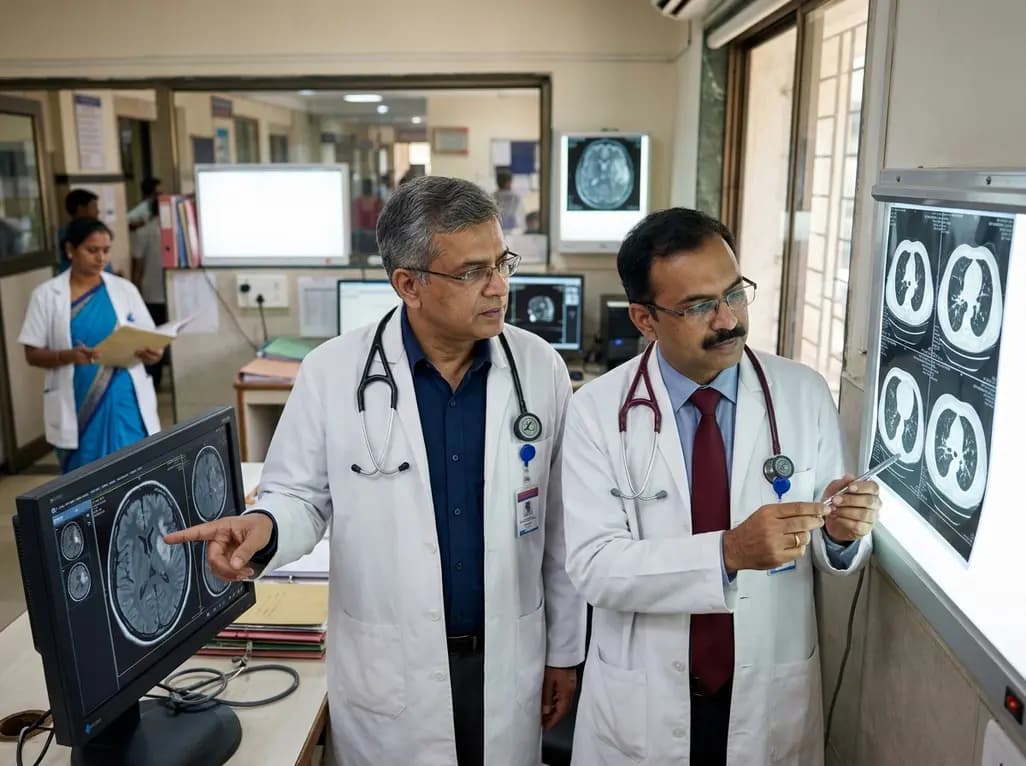
A recent clinical report identifies a novel GDF2 frameshift mutation in a patient with hereditary hemorrhagic telangiectasia presenting with acute cerebral infarction secondary to microscopic pulmonary arteriovenous malformations, emphasizing the necessity of comprehensive screening and genetic evaluation.
Today
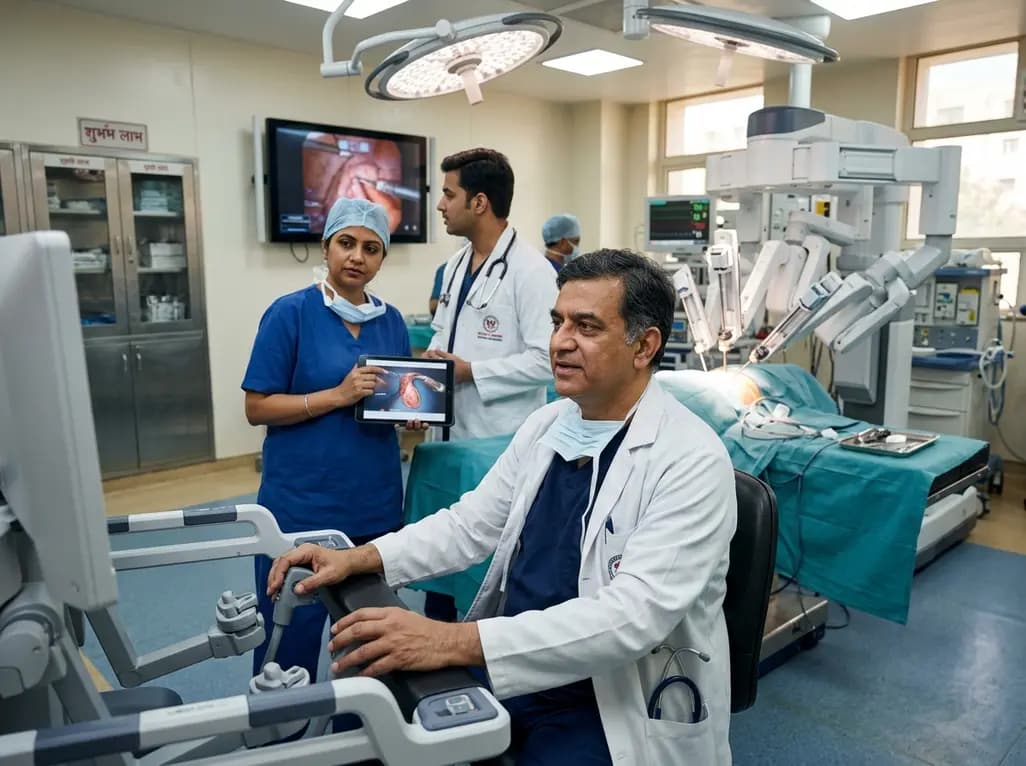
India experiences an exponential rise in robotic-assisted procedures, with Delhi NCR leading system installations and clinical volume. Discover how multidisciplinary surgical adoption, remote telesurgery breakthroughs, and standardized international consensus guidelines are shaping surgical care nationwide.
Today
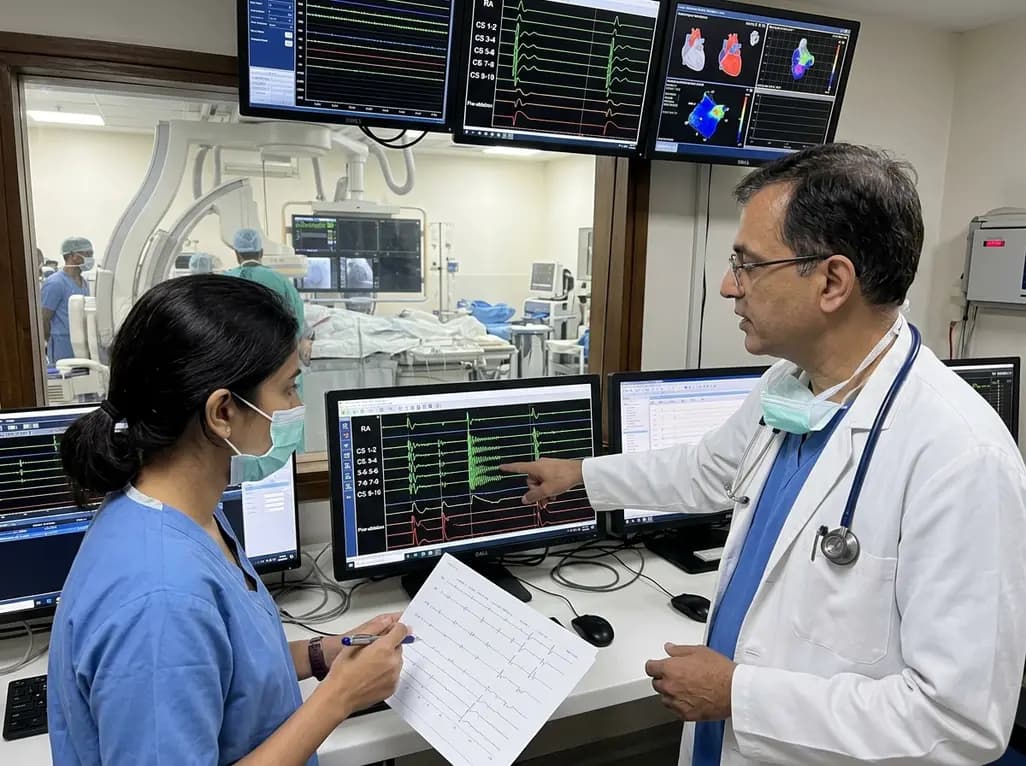
Radiofrequency catheter ablation of the cavotricuspid isthmus successfully terminates typical atrial flutter. This article reviews the mechanisms driving coronary sinus electrogram changes, wavefront activation pathways, and clinical criteria to verify bidirectional block during electrophysiology studies.
Today
A breakthrough study leverages natural language processing to accurately identify incident medication-related osteonecrosis of the jaw and track antiresorptive drug holidays from clinical narratives in electronic health records, advancing osteoporosis pharmacovigilance and dental safety.
Today
