.webp&w=384&q=75)

Loading, please wait...
Loading, please wait...
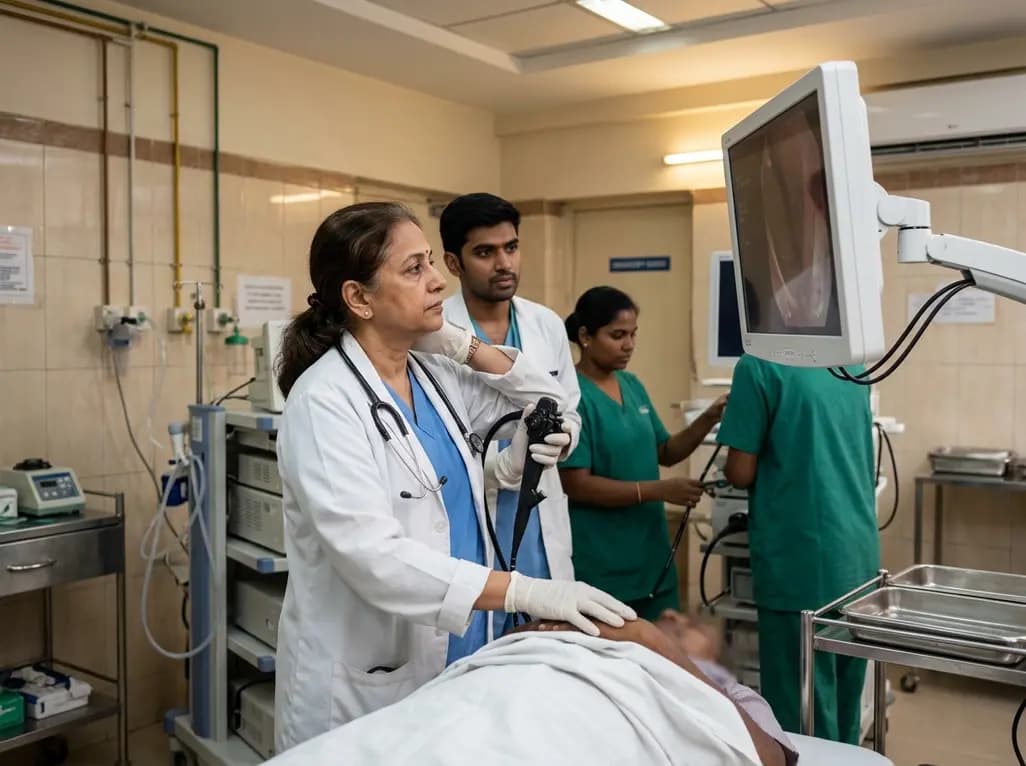
Gastrointestinal endoscopy requires precise fine-motor coordination, prolonged static postures, and repetitive mechanical strain. Consequently, clinicians worldwide frequently experience occupational physical strain. Recent investigations reveal that endoscopy-related musculoskeletal disorders represent a major professional hazard among practicing proceduralists. When clinicians perform high-volume diagnostic and therapeutic procedures without adequate biomechanical support, chronic physical microtrauma rapidly accumulates. This article examines the latest epidemiological findings regarding endoscopy-related musculoskeletal disorders, identifies critical procedural risk factors, and highlights proven ergonomic adjustments designed to safeguard practitioner health.
Recent epidemiological research demonstrates that physical strain among proceduralists is widespread and frequently underreported. A comprehensive nationwide investigation surveying Australian endoscopists revealed that 61.7% of respondents reported experiencing current or previous endoscopy-related musculoskeletal disorders. Specifically, nearly thirty percent experienced active physical discomfort, while more than thirty-two percent reported past injuries related to their procedural duties. The surveyed cohort comprised both surgeons and gastroenterologists, illustrating that mechanical strain affects diverse surgical and medical practitioners equally.
Furthermore, these findings align with international literature documenting injury rates between thirty-nine and eighty-nine percent across global endoscopy units. Practitioners most commonly sustain injuries in the thumbs, hands, wrists, cervical spine, and lumbar region. The repetitive pinching, torquing, and dial manipulation required during scope navigation place excessive loads on distal upper extremity joints. Meanwhile, sustained standing and static neck flexion place continuous stress on spinal structures. Because symptoms frequently develop insidiously over months or years, many endoscopists continue working through discomfort until progressive tissue inflammation compromises manual dexterity and procedural efficiency.
Procedural volume plays a definitive role in the development and exacerbation of occupational injuries. The Australian study demonstrated a statistically significant association between higher weekly colonoscopy volume and the prevalence of musculoskeletal symptoms. Colonoscopy requires complex torque transmission, sustained left-hand grip stability, and frequent right-hand axial push-pull motions to navigate anatomical tortuosity. Therefore, increased procedural loads compound mechanical fatigue and reduce necessary tissue recovery intervals.
In addition, over eighty percent of affected proceduralists reported that their pain exacerbated directly during or immediately after completing endoscopic sessions. High case volumes often compress scheduling intervals, eliminating brief rest periods between patients. Consequently, continuous isometric contraction of forearm flexors and shoulder stabilizers accelerates tendon fatigue and joint wear. Complex therapeutic interventions, including endoscopic submucosal dissection and endoscopic retrograde cholangiopancreatography, impose even greater physical burdens due to extended procedure times and awkward body positioning. When endoscopy suites prioritize case turnaround over biomechanical rest, proceduralists face an elevated risk of cumulative trauma disorders, including carpal tunnel syndrome, de Quervain tenosynovitis, and lumbar disc herniation.
The repercussions of occupational musculoskeletal injuries extend far beyond temporary procedural discomfort. Over half of the endoscopists experiencing physical pain reported substantial impairments in their daily activities outside work. Furthermore, more than fifty-seven percent required formal clinical management, including physical therapy, analgesic pharmacotherapy, or corrective medical interventions. Thus, these occupational conditions impose a heavy personal and financial toll on practicing clinicians.
Moreover, persistent physical symptoms frequently compel proceduralists to alter their clinical practice. Endoscopists often reduce their procedural lists, decline complex therapeutic cases, or take formal medical leave to recuperate from chronic pain. In severe instances, unmanaged cumulative trauma can trigger early medical retirement or permanent disability, depriving healthcare institutions of experienced procedural talent. The mental stress of coping with chronic physical limitations while maintaining stringent clinical productivity standards can also contribute to professional burnout. Therefore, recognizing musculoskeletal disorders as significant occupational hazards is essential for protecting the workforce and ensuring high-quality, uninterrupted patient care across digestive health services.
Implementing structured ergonomic adjustments within the endoscopy room significantly reduces biomechanical strain and prevents repetitive injury. First, proceduralists must optimize monitor placement. Monitors should sit directly in front of the endoscopist at eye level, approximately five feet away, to eliminate excessive cervical rotation and neck flexion. Maintaining neutral spinal alignment reduces the load on paraspinal musculature and cervical discs.
Second, table height adjustment is crucial for maintaining proper upper extremity angles. The examination table should align so the patient's body rests at elbow level, allowing the endoscopist to maintain elbow flexion between ninety and one hundred degrees. This configuration prevents excessive shoulder elevation and humeral abduction during scope advancement. Additionally, clinicians should position foot pedals close to their dominant stance to prevent asymmetrical pelvic tilting. Using supportive anti-fatigue floor mats also decreases lower limb venous pooling and relieves pressure on the lumbar spine during prolonged standing. By systematically adjusting the room environment before every session, proceduralists can establish a neutral posture that preserves joint integrity and enhances technical control.
In addition to environmental modifications, behavioral strategies provide vital protection against cumulative mechanical strain. Clinicians should incorporate targeted stretching microbreaks throughout long procedural lists. Taking a short twenty-to-thirty-second microbreak every twenty to forty minutes allows contracted muscle fibers to relax, restores capillary blood perfusion, and clears metabolic waste from fatigued tendons. Simple intra-procedure stretches targeting the neck, shoulders, forearms, and lower back effectively reset musculoskeletal alignment without disrupting operative workflow.
Furthermore, maintaining physical conditioning outside the clinical setting strengthens the primary kinetic chain against repetitive stress. Exercises that enhance core stability, scapular retraction, and grip endurance provide robust protection against torque-induced strain. Endoscopists should also evaluate their grip mechanics during scope manipulation. Excessive gripping force and extreme thumb hyperextension when turning control dials markedly increase the risk of tendonitis. Instead, proceduralists should utilize torque transfer from the shoulder and trunk rather than relying solely on wrist twisting. Combining regular microbreaks, core strengthening, and neutral hand positioning establishes a sustainable procedural technique that supports long-term career viability.
Preventing procedural injuries requires systematic support from healthcare institutions and medical training curricula. Academic programs must integrate formal ergonomic education early during fellowship training, ensuring trainees develop safe manipulation habits before chronic strain patterns emerge. Hands-on coaching regarding scope mechanics, room layout, and posture awareness empowers junior proceduralists to prioritize biomechanical wellness throughout their careers.
Simultaneously, hospital administrations and endoscopy unit leaders must establish institutional policies that foster safe working environments. These measures include investing in height-adjustable monitor booms, ergonomic endoscope accessories, lightweight lead aprons, and automated patient repositioning devices. Unit managers should also structure procedural schedules to prevent excessive consecutive colonoscopy lists, thereby ensuring adequate physical recovery intervals. Furthermore, endoscopy suites should establish confidential reporting systems where clinicians can report early musculoskeletal symptoms without administrative stigma. By cultivating an institutional culture that values practitioner well-being alongside procedural efficiency, healthcare organizations can protect their clinical workforce, decrease absenteeism, and elevate overall patient safety standards.
Endoscopists most frequently experience musculoskeletal disorders affecting the cervical spine, lumbar spine, wrists, hands, and thumbs. Prolonged static standing and downward neck flexion create severe spinal strain, leading to cervical radiculopathy and lower back spasms. Meanwhile, continuous dial manipulation, excessive torquing, and repetitive gripping often cause distal upper extremity injuries. Common clinical diagnoses include carpal tunnel syndrome, de Quervain tenosynovitis, lateral epicondylitis, and chronic thumb metacarpophalangeal joint arthritis.
Clinical studies demonstrate a direct correlation between high weekly procedural volumes and elevated rates of musculoskeletal injuries, especially during colonoscopy. Performing multiple complex procedures without sufficient intervals causes cumulative tendon fatigue, sustained muscle ischemia, and joint overloading. Over time, high case volumes accelerate microscopic tissue microtrauma without allowing adequate recovery. Consequently, proceduralists who perform dense daily lists experience higher rates of chronic pain, symptom exacerbation, clinical absenteeism, and premature career curtailment.
Endoscopists should immediately position monitors directly at eye level to eliminate cervical rotation and flexion. Adjust the examination table height to maintain elbow flexion near ninety degrees, preventing unnecessary shoulder abduction and wrist strain. Furthermore, place foot pedals within easy reach to avoid pelvic tilting, and stand on anti-fatigue floor mats. Finally, incorporate brief twenty-second stretching microbreaks between challenging cases to restore tissue perfusion and relieve muscular fatigue effectively.
Disclaimer: This content is for informational and educational purposes only and does not constitute medical or occupational advice. Refer to the latest local and national guidelines for clinical practice.
References

Read summarized clinical updates, watch expert medical content, and earn CME certifications right from your smartphone.
Open your smartphone camera to scan and install.





A national survey of Australian endoscopists reveals a 61.7% prevalence of endoscopy-related musculoskeletal disorders, strongly associated with colonoscopy volume. Learn key ergonomic strategies to protect practitioner health.
last month

The phase II DAPA-AIC trial demonstrates that dapagliflozin 10 mg daily significantly preserves left ventricular ejection fraction compared to placebo over four months in adults undergoing anthracycline chemotherapy, highlighting a potential preventive strategy in cardio-oncology.
Today
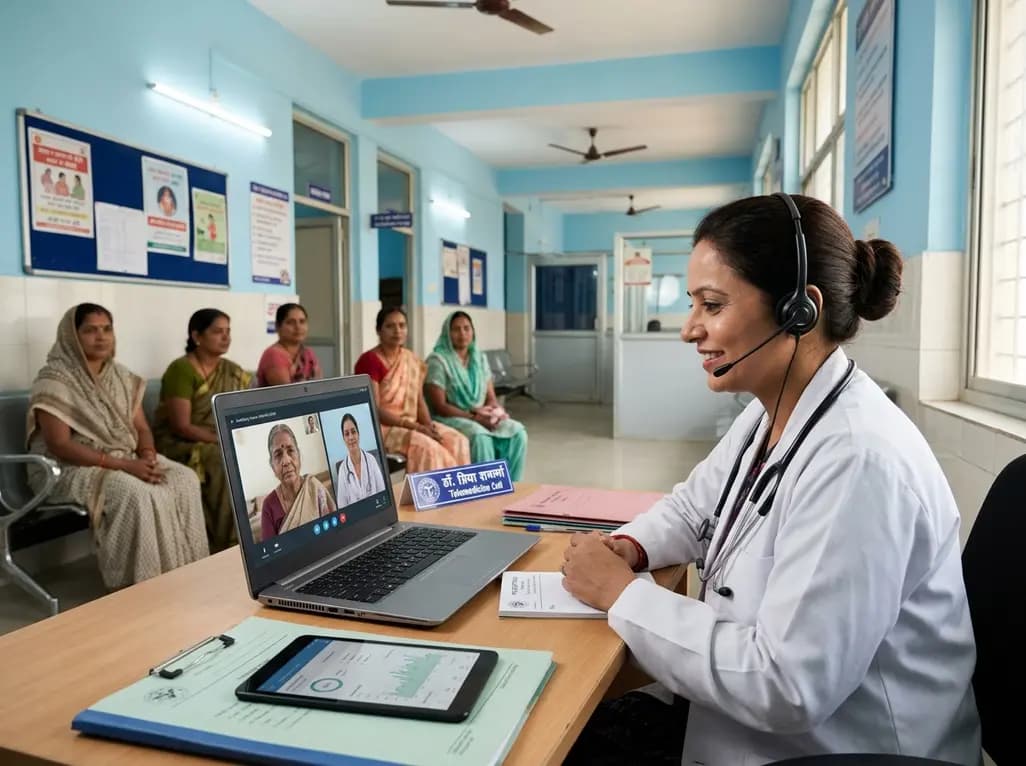
India's national digital health service achieved a historic milestone of fifty crore virtual consultations. Notably, female patients account for over fifty-seven percent of utilisation, demonstrating improved healthcare accessibility for remote communities, chronic disease management, and primary triage.
Today
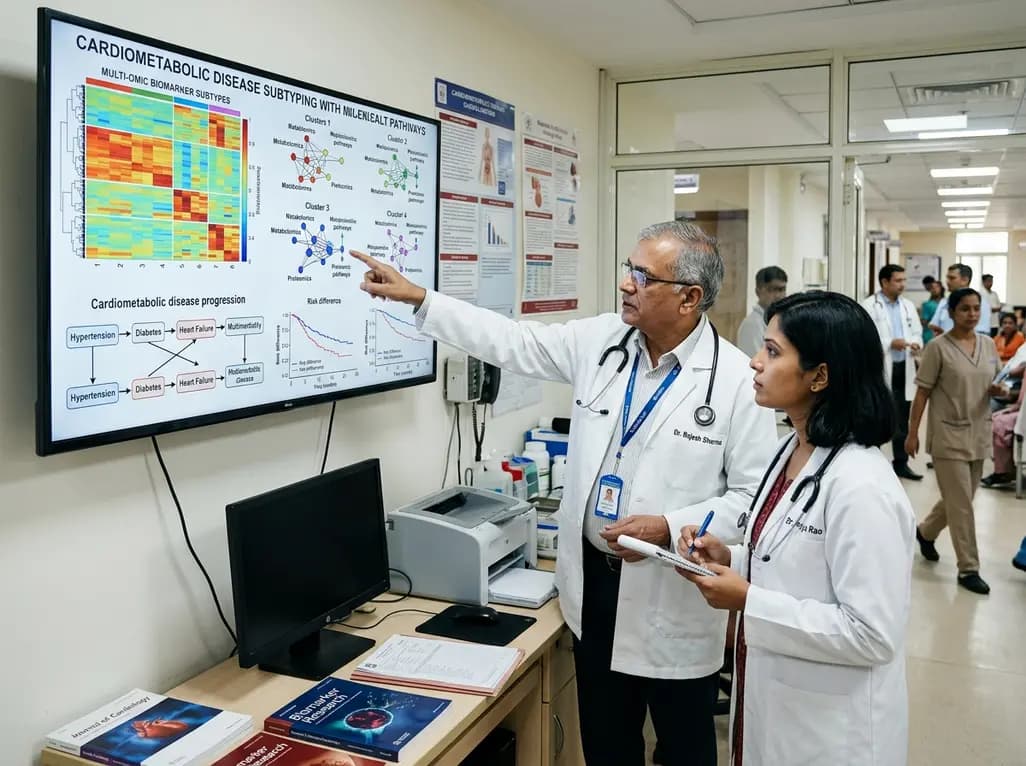
A large UK Biobank study identified four routine biomarker subtypes that predict cardiometabolic disease progression to multimorbidity. Integrating multi-state modelling, metabolomics, and proteomics revealed distinct biological pathways, offering new avenues for tailored clinical risk stratification.
Today
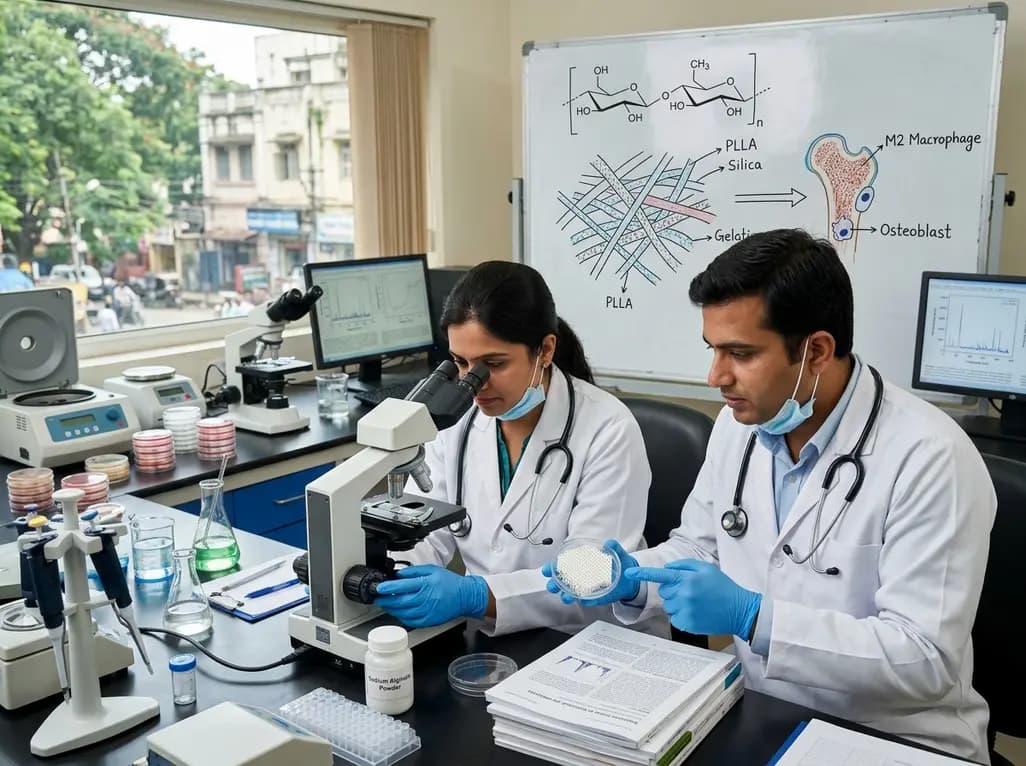
Dual-nanofiber interpenetrating network scaffolds combining silica and PLLA/gelatin nanofibers with sodium alginate achieve complementary mechanical stability, immunomodulatory M2 macrophage polarization, and enhanced osteogenesis for advanced bone repair.
Today
Researchers at IISER Berhampur have engineered a covalent organic framework immunosensor that detects urinary NGAL. This novel nanotechnology platform distinguishes diabetic nephropathy from other renal conditions, enabling rapid, minimally invasive stratification and earlier clinical intervention for patients.
Today
