.webp&w=384&q=75)

Loading, please wait...
Loading, please wait...
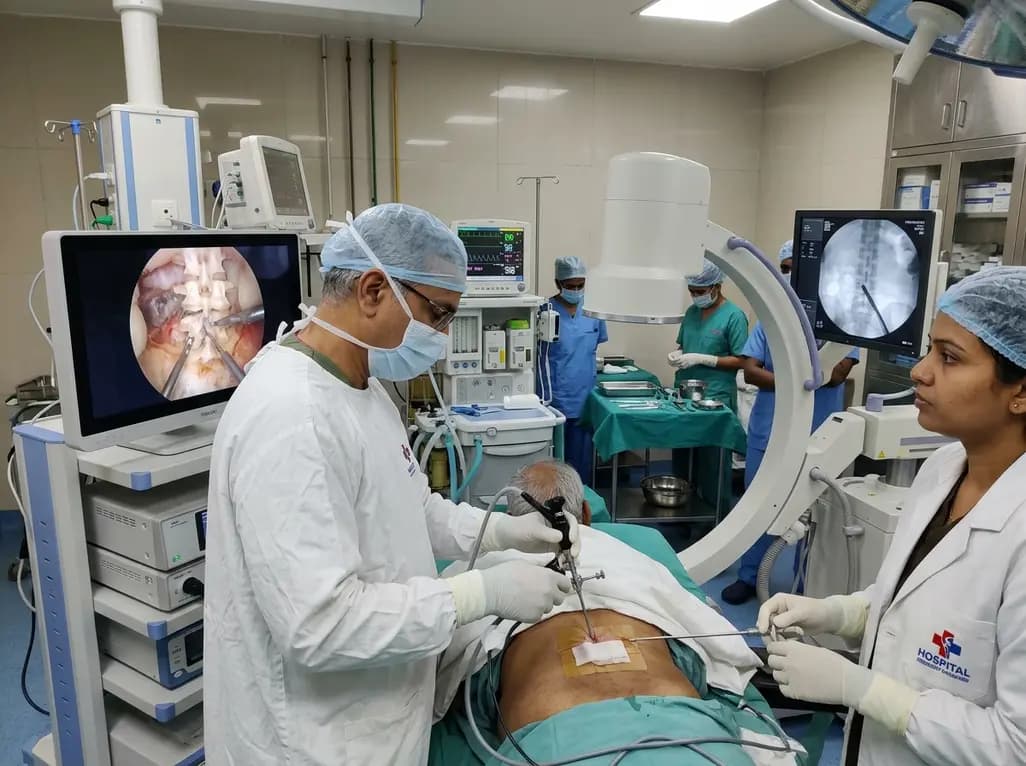
Degenerative lumbar disorders pose substantial health burdens among elderly individuals worldwide. Historically, open spinal decompression and fusion carried significant perioperative risks for older patients. Therefore, surgeons often hesitated to offer surgical intervention to octogenarians with severe lumbar disc herniation or spinal stenosis. Recently, endoscopic lumbar surgery has transformed this therapeutic landscape by offering targeted neural decompression with minimal tissue disruption. Clinicians now utilize full-endoscopic interlaminar and transforaminal techniques to treat debilitating radiculopathy and neurogenic claudication. Consequently, elderly patients experience reduced intraoperative blood loss, minimal muscular trauma, and rapid postoperative mobilization. Furthermore, specialized endoscopic visualization allows precise bone resection while preserving spinal biomechanics. Because modern life expectancy continues to rise, spine specialists encounter increasing numbers of older patients seeking functional restoration. Thus, evaluating objective clinical outcomes and perioperative complications across specific age categories remains essential for evidence-based practice. Recent evidence confirms that minimally invasive endoscopic approaches expand surgical candidacy safely, enabling frail individuals to regain independent mobility without undergoing extensive open reconstruction.
A comprehensive systematic review and meta-analysis synthesized data from nineteen observational studies comprising 5,753 patients. Investigators searched major biomedical databases, including PubMed, Scopus, and Web of Science, to identify age-stratified cohorts undergoing endoscopic interventions. Specifically, researchers evaluated outcomes across distinct age tiers, comparing individuals younger than 80 years against octogenarians and nonagenarians. In addition, single-arm pooled analyses evaluated patients categorized above and below 70 years of age. Primary outcome measures included Visual Analog Scale scores for leg and back pain, the Oswestry Disability Index, Modified Macnab criteria, and perioperative complications. Among the analyzed cohorts, eleven studies evaluated lumbar spinal canal stenosis, whereas seven investigated lumbar disc herniation. The follow-up durations spanned from 3 to 120 months across diverse clinical settings. Furthermore, random-effects models accounted for between-study heterogeneity, ensuring statistically sound conclusions. By categorizing outcomes according to age thresholds, this meta-analysis provided granular clarity on surgical safety. Consequently, the findings offer robust clinical guidance for surgeons navigating the nuances of geriatric lumbar spine pathology.
The quantitative synthesis demonstrated notable pain reduction and functional improvement across all evaluated age groups. Specifically, pairwise meta-analyses indicated that patients aged 80 years or older achieved reductions in leg pain and back pain comparable to younger cohorts. Additionally, improvements in functional disability scores showed no statistically significant disparity between elderly and younger patients. Single-arm pooling further confirmed that individuals over 70 years experienced marked, clinically meaningful drops in disability scores. Modified Macnab success ratings remained consistently high across all age categories, reflecting excellent patient satisfaction. Moreover, endoscopic techniques provided rapid relief of neurogenic claudication by directly decompressing traversing and exiting nerve roots. Because endoscopic optics illuminate deep anatomical corridors, surgeons efficiently excised compressing ligamentum flavum and disc fragments without destabilizing the lumbar column. Consequently, older adults attained substantial functional independence and improved quality of life. These data firmly challenge historical assumptions that advanced age inherently limits functional recovery following minimally invasive spinal decompression.
Evaluating perioperative safety represents a pivotal objective when considering spinal surgery in older populations. Notably, the meta-analysis revealed that patients aged 80 years and older experienced complication rates comparable to those observed in younger counterparts. Typical adverse events, including incidental durotomy, transient dysesthesia, and postoperative hematoma, occurred at low frequencies across all cohorts. Furthermore, rates of reoperation and revision surgery did not significantly increase among octogenarians. Because endoscopic lumbar procedures preserve posterior tension bands and facet joints, postoperative spinal instability remains exceptionally rare. In addition, reduced surgical durations and minimal blood loss decrease cardiovascular and pulmonary strain during the immediate recovery period. Surgeons also observed low surgical site infection rates due to continuous fluid irrigation and tiny skin incisions. Therefore, endoscopic lumbar interventions present an exceedingly favorable benefit-to-risk profile in older patients. Consequently, clinicians can reassure elderly candidates that modern endoscopic techniques minimize systemic and surgical complications when executed with precision.
Optimal patient outcomes depend heavily on meticulous preoperative assessment and comprehensive multidisciplinary collaboration. While chronological age does not independently predict poor surgical outcomes, physiological reserve and systemic comorbidities require careful evaluation. Therefore, clinicians must assess cardiopulmonary reserve, renal function, nutritional status, and baseline frailty scores prior to scheduling surgery. Furthermore, endoscopic spine procedures offer unique anesthetic versatility, permitting execution under conscious sedation with local anesthesia or light general anesthesia. This flexibility significantly minimizes systemic hemodynamic fluctuations and reduces postoperative cognitive delirium in vulnerable geriatric patients. Additionally, surgeons must accurately correlate clinical radicular symptoms with radiological findings on magnetic resonance imaging. Precise localization of neural compression prevents unnecessary bone removal and shortens operative duration. Postoperatively, early physical therapy and accelerated rehabilitation pathways enable rapid ambulation within hours after surgery. Thus, combining thorough geriatric assessment with targeted endoscopic decompression optimizes functional recovery and reduces hospital stays.
The findings from this systematic review offer compelling implications for modern spine surgery protocols and health policy. Historically, clinical guidelines viewed advanced chronological age as a relative contraindication for surgical decompression. However, robust evidence demonstrates that endoscopic approaches provide equivalent safety and clinical effectiveness regardless of patient age. Consequently, clinical guidelines should shift emphasis from chronological age to individualized frailty assessments and functional goals. Furthermore, healthcare systems can reduce the economic burden associated with prolonged hospitalizations and rehabilitation by adopting minimally invasive endoscopic techniques. Because outpatient or short-stay spine surgery lowers nosocomial exposure risks, older adults particularly benefit from these pathways. Spine surgery training programs should also expand curriculum offerings to include comprehensive endoscopic techniques. Moving forward, prospective randomized trials and international registry studies will further clarify long-term durability and cost-effectiveness. In summary, endoscopic spine interventions represent a validated, transformative modality for managing debilitating lumbar disorders in our aging global population.
No, advanced chronological age alone does not contraindicate endoscopic lumbar surgery. Systematic evidence shows that patients aged 80 years and older experience pain relief, functional recovery, and complication rates comparable to younger individuals. Therefore, surgeons evaluate baseline physiological reserve, cardiopulmonary stability, and individual functional goals rather than age alone.
Endoscopic spinal surgery causes minimal soft tissue disruption and reduced blood loss, allowing procedures under local anesthesia with conscious sedation or short-acting general anesthesia. This reduces intraoperative hemodynamic instability, avoids prolonged mechanical ventilation, and significantly lowers the risks of postoperative pulmonary complications, cardiovascular stress, and cognitive dysfunction in older adults.
Clinicians predominantly utilize endoscopic lumbar approaches to treat degenerative lumbar spinal stenosis, lateral recess stenosis, foraminal stenosis, and herniated lumbar discs. These minimally invasive procedures provide targeted neural decompression, resolving neurogenic claudication and debilitating radicular leg pain without necessitating extensive bone resection, muscular detachment, or immediate spinal fusion.
Disclaimer: This content is for informational and educational purposes only and does not constitute medical advice. Healthcare professionals should make clinical decisions based on their independent medical judgment and patient evaluation. Refer to the latest local and national guidelines for clinical practice.
References

Read summarized clinical updates, watch expert medical content, and earn CME certifications right from your smartphone.
Open your smartphone camera to scan and install.





A meta-analysis demonstrates that endoscopic lumbar surgery offers comparable pain relief, functional recovery, and safety profiles in patients aged 80 and older versus younger cohorts, proving age alone is not a contraindication.
4 weeks back

A bioengineered oral nanozyme microsupplement converts pathological ROS into a protective polydopamine hydrogel shield. By curbing neutrophil extracellular traps and balancing T cells, this platform outperforms standard 5-ASA in preclinical colitis models, opening new paths for sustained remission.
Today
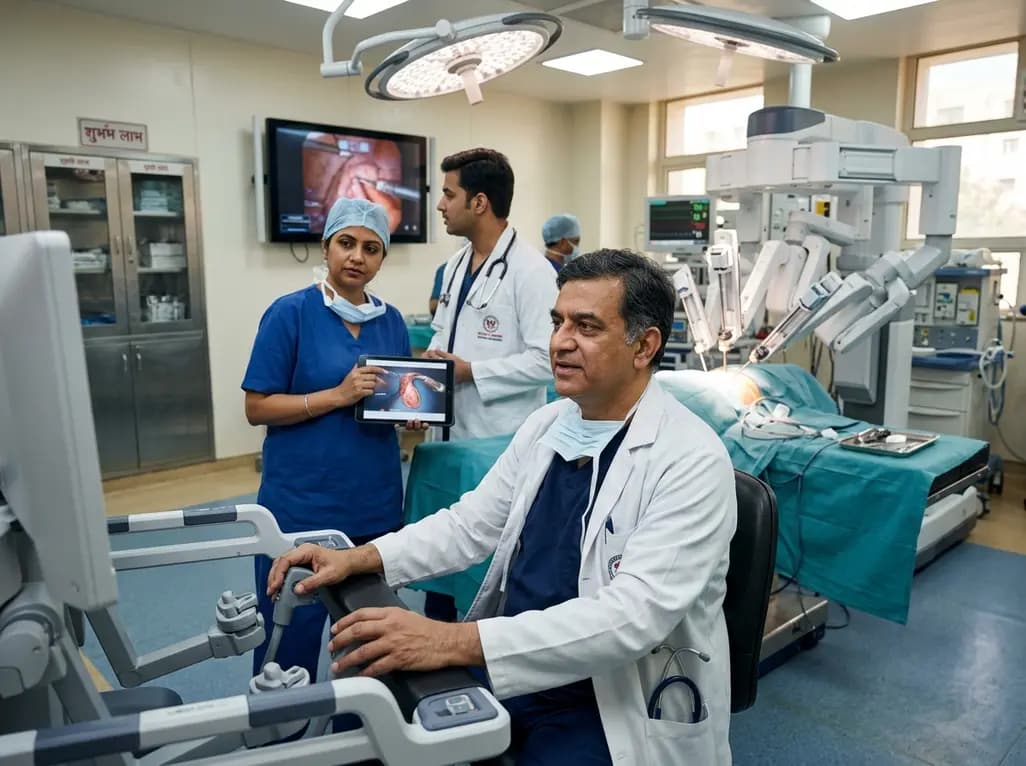
India experiences an exponential rise in robotic-assisted procedures, with Delhi NCR leading system installations and clinical volume. Discover how multidisciplinary surgical adoption, remote telesurgery breakthroughs, and standardized international consensus guidelines are shaping surgical care nationwide.
Today
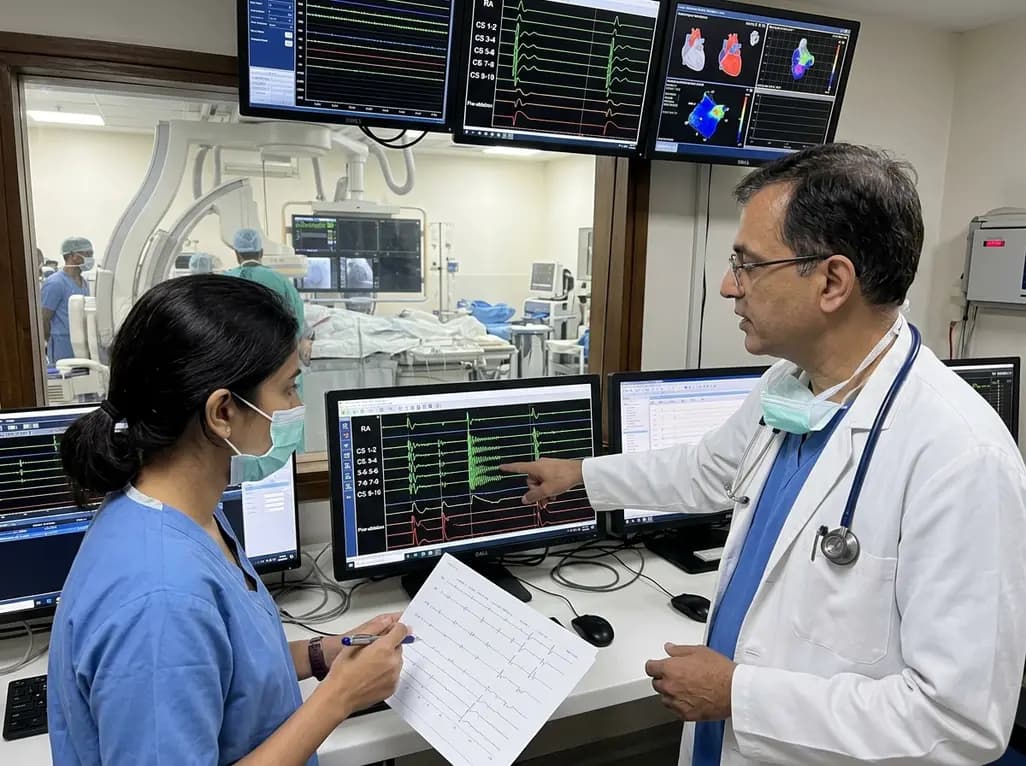
Radiofrequency catheter ablation of the cavotricuspid isthmus successfully terminates typical atrial flutter. This article reviews the mechanisms driving coronary sinus electrogram changes, wavefront activation pathways, and clinical criteria to verify bidirectional block during electrophysiology studies.
Today
A study comparing four knee flexion strength tests after ACL reconstruction using hamstring tendon autografts reveals marked variability in limb symmetry indices. Clinicians must recognize that different strength testing modalities yield divergent return-to-sport clearance rates.
Today
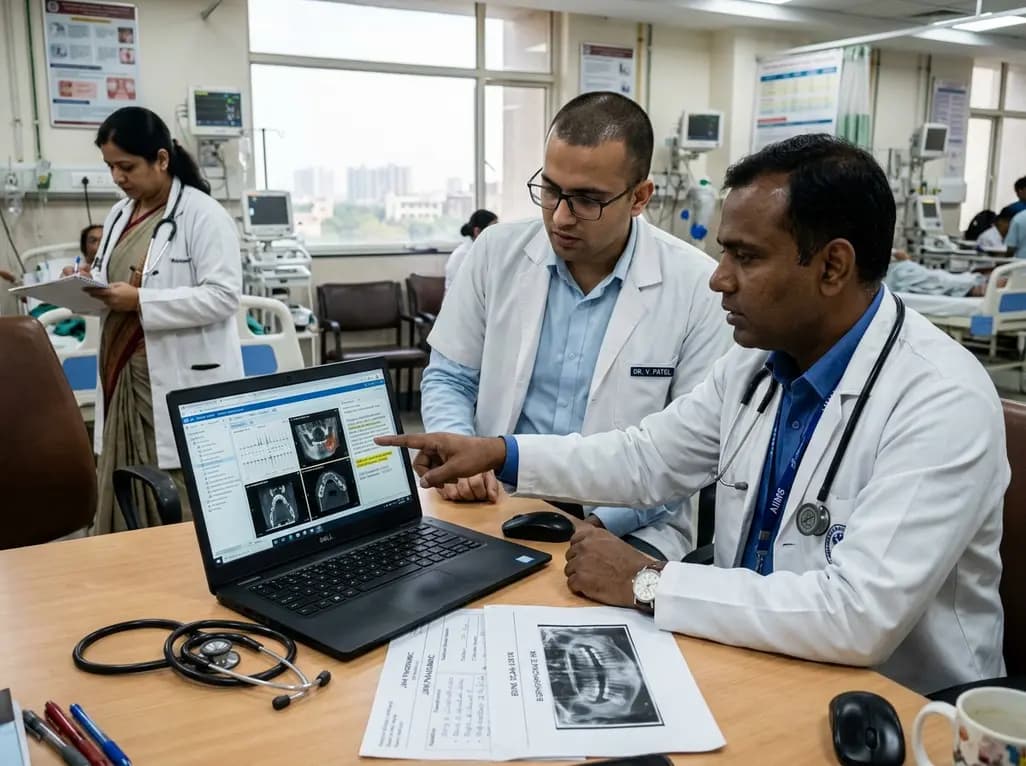
A breakthrough study leverages natural language processing to accurately identify incident medication-related osteonecrosis of the jaw and track antiresorptive drug holidays from clinical narratives in electronic health records, advancing osteoporosis pharmacovigilance and dental safety.
Yesterday
