.webp&w=384&q=75)

Loading, please wait...
Loading, please wait...

IIT Dhanbad recently introduced the EchoPulse heart diagnosis system to revolutionize cardiac care. This advanced device merges artificial intelligence with virtual reality to enhance diagnostic accuracy. Consequently, clinicians can now interpret heart scan data more efficiently than before. Furthermore, the tool simplifies complex patterns within imaging data without relying on extensive manual checks. Professor ACS Rao developed this technology to assist doctors in assessing heart functionality rapidly. Because the system automates pattern recognition, it reduces the diagnostic burden on medical professionals significantly.
The core of the EchoPulse heart diagnosis system lies in its interactive virtual reality interface. This feature allows researchers to view heart activity in a detailed 3D format. Therefore, understanding structural abnormalities becomes much easier for the medical team. Additionally, the system employs explainable AI (XAI) to maintain transparency. Many AI systems act as \"black boxes,\" but EchoPulse explains how it reaches specific conclusions. This transparency ensures that doctors can trust the automated insights provided during clinical evaluations. Moreover, the 3D visualization helps in planning complex surgical interventions or treatments.
The EchoPulse heart diagnosis tool effectively estimates vital clinical measures, such as pumping efficiency. Since it requires less pre-labelled medical data, hospitals can implement it more easily. Specifically, this innovation aims to make advanced testing accessible in regions with limited resources. The Anusandhan National Research Foundation supported this project with a significant research grant. Ultimately, this technology streamlines the workflow from screening to treatment planning. By turning complex data into clear insights, it helps prevent diagnostic delays in critical cardiac cases.
Q1: How does EchoPulse improve heart disease detection?
EchoPulse uses AI to automatically analyze heart scan patterns and estimate pumping efficiency, reducing the time required for manual image reviews.
Q2: Why is the virtual reality component important?
The VR component allows doctors to interact with heart data in a 3D format, providing a clearer understanding of the heart's physical activity and condition.
Q3: What makes the AI in EchoPulse different from traditional systems?
It uses explainable AI, which allows medical professionals to understand the reasoning behind the system\'s diagnosis instead of receiving an unexplained result.
Disclaimer: This content is for informational and educational purposes only. It does not constitute medical advice or replace professional judgment. Refer to the latest local and national guidelines for clinical practice.
References

Read summarized clinical updates, watch expert medical content, and earn CME certifications right from your smartphone.
Open your smartphone camera to scan and install.





EchoPulse, an AI-VR device from IIT Dhanbad, speeds up heart disease diagnosis using 3D imaging and explainable AI to assist clinicians and researchers....
5 months ago
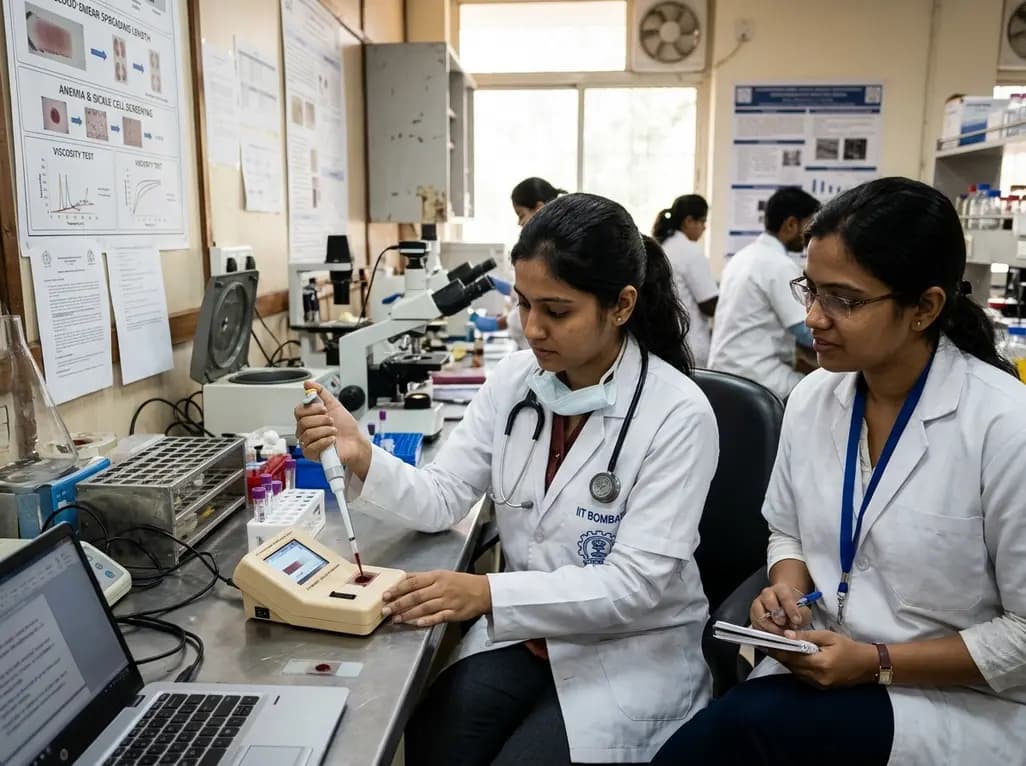
Researchers at IIT Bombay have engineered an automated, cost-effective point-of-care device that diagnoses anaemia and sickle cell disease from a single drop of blood. By measuring blood smear spreading length, this portable tool assesses blood viscosity to offer rapid screening in resource-limited healthcare centers.
Today
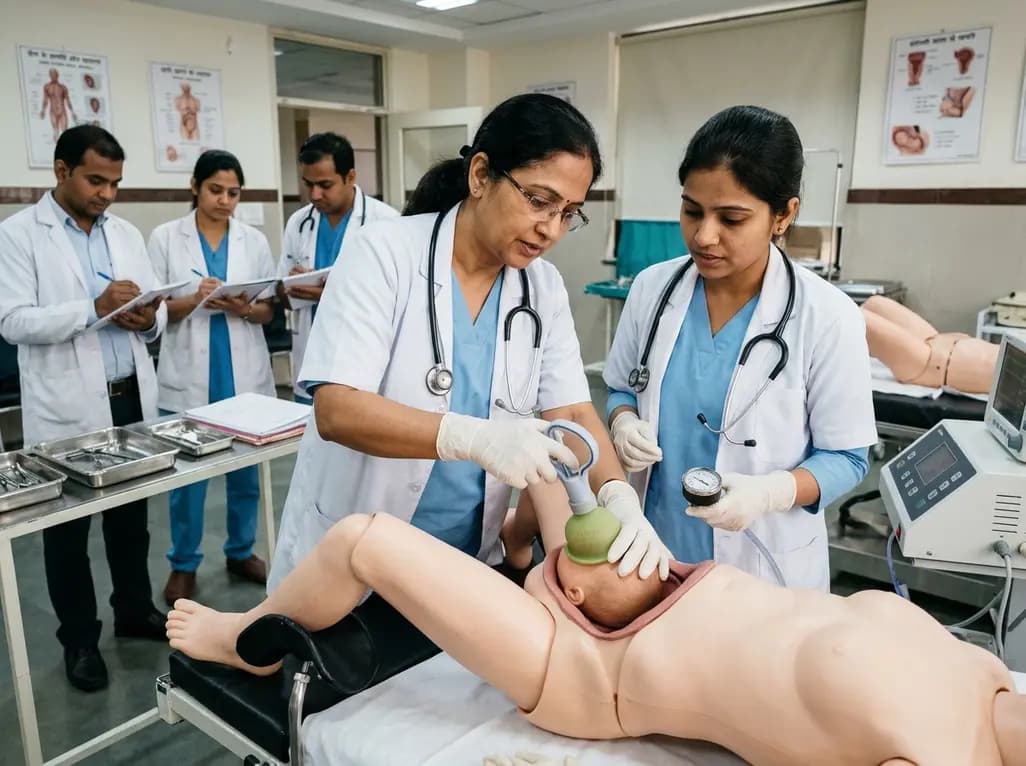
A multicenter study evaluates whether standardized simulation training reduces cup detachment during vacuum-assisted vaginal birth. Evidence-based simulation equips obstetricians to improve cup placement, reduce maternal-fetal trauma, and optimize clinical decision-making during operative deliveries.
Today
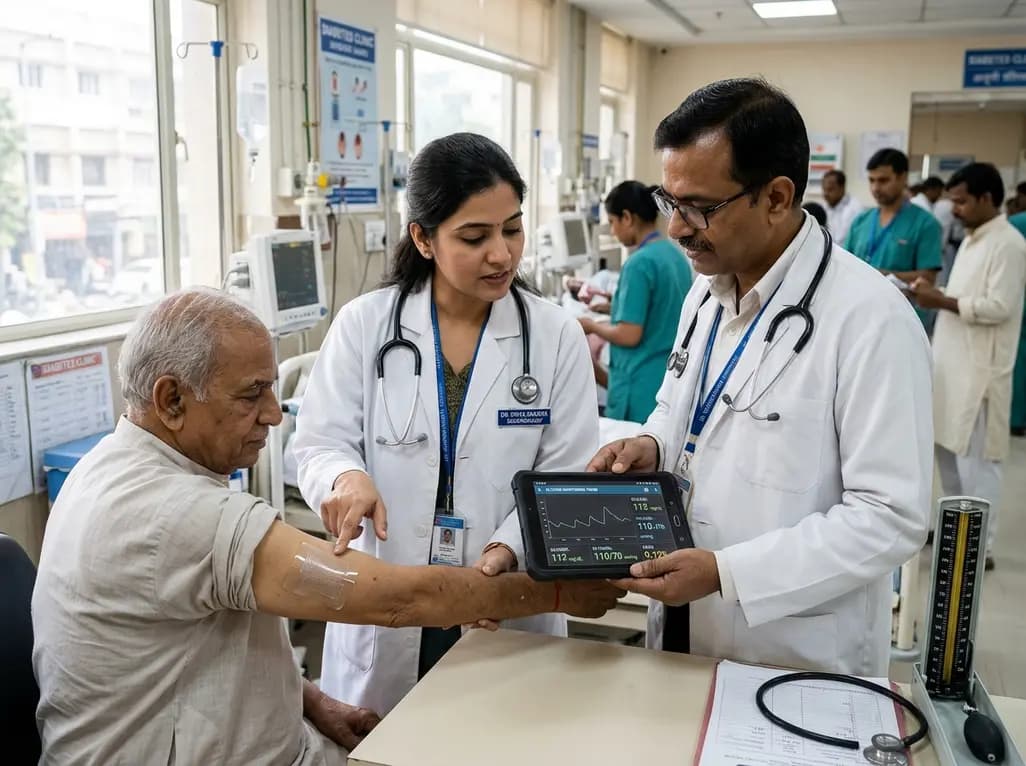
A breakthrough ultrathin multimodal sensor decouples physical hemodynamic monitoring from disposable electrochemical calibration, achieving long-term wearable glucose prediction with 81.36% accuracy and a 9.12% MARD. This offers a robust, drift-free solution for outpatient metabolic surveillance.
Today
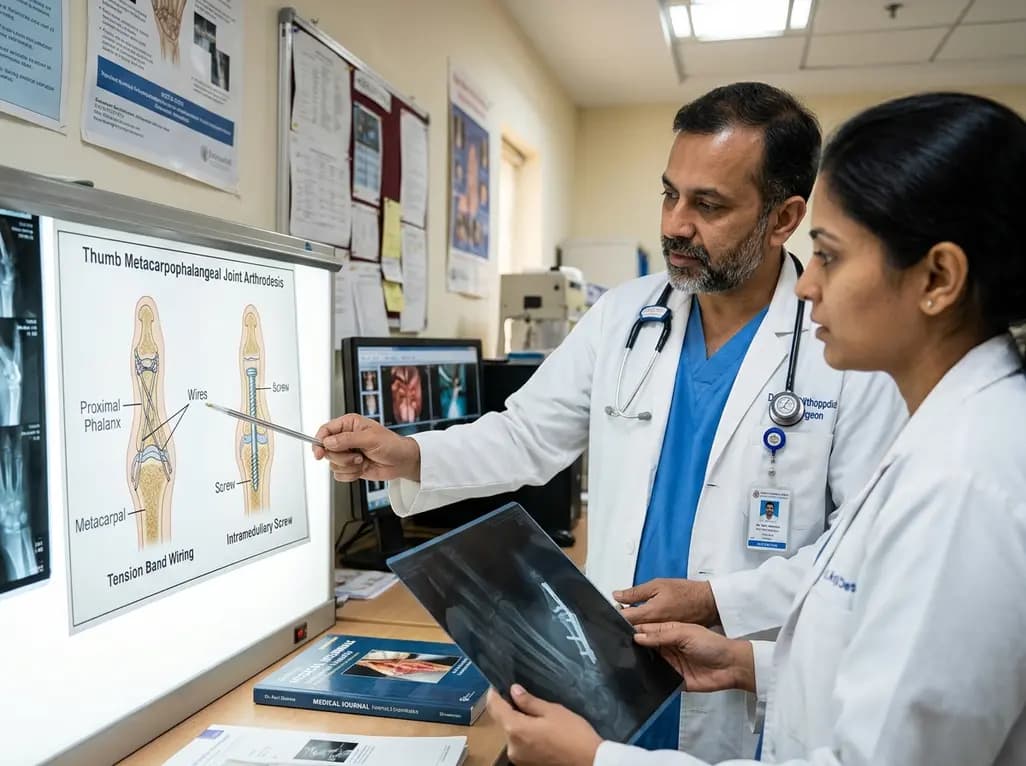
A comparative review of tension band wiring and intramedullary screw fixation in thumb metacarpophalangeal arthrodesis, evaluating union rates, hardware complications, and clinical outcomes.
Today

Following regulatory scrutiny from FSSAI regarding promotional representations and lean muscle preservation claims, Dr. Reddy's Laboratories and Nestlé Health Science are currently reviewing the branding and marketing strategy for their joint nutritional supplement Celevida GLP+.
Today
