

Loading, please wait...
Loading, please wait...

Evaluating the timing of surgical airway access is critical for trauma teams. Acute traumatic cervical spinal cord trauma frequently causes diaphragmatic paralysis and loss of intercostal muscle function. Consequently, affected individuals experience severe respiratory failure and rapid secretion retention. Clinicians regularly consider early tracheostomy in SCI to establish a secure airway and optimize pulmonary hygiene. Prolonged translaryngeal endotracheal intubation carries substantial risks, such as laryngeal ulceration and accidental extubation. Furthermore, persistent endotracheal tubes increase patient discomfort and demand continuous sedation. Therefore, early conversion to a tracheostomy offers an attractive physiological strategy. By bypassing upper airway resistance, tracheostomy significantly decreases the mechanical work of breathing. Additionally, it permits direct suctioning of bronchial secretions, preventing atelectasis. Intensivists achieve earlier weaning from continuous sedatives because tracheostomy tubes cause minimal discomfort. As a result, patients regain consciousness earlier, interact with nursing teams, and begin active bed mobilization sooner. These mechanical advantages explain why critical care teams favor timely surgical intervention during acute spinal trauma management.
A comprehensive systematic review and meta-analysis of seventeen clinical studies pooling nearly four thousand patients highlights substantial benefits regarding ventilation duration. Clinicians defined early tracheostomy as intervention within seven days of injury. In contrast, late tracheostomy occurred after seven days. The statistical analysis demonstrates a marked decrease in total ventilator days among patients receiving early intervention. Specifically, early tracheostomy reduces mechanical ventilation duration by more than ten days compared to late tracheostomy. This dramatic reduction stems from several physiological factors. For instance, reduced dead space in tracheostomy tubes lowers minute ventilation requirements. Moreover, improved clearance of thick tracheobronchial secretions prevents mucous plugging and secondary alveolar collapse. Healthcare teams can safely introduce intermittent spontaneous breathing trials earlier. Consequently, respiratory therapists safely accelerate wean protocols without risking acute respiratory distress. Earlier liberation from positive pressure ventilation protects injured lungs from barotrauma and ventilator-associated inflammation. Therefore, prompt surgical airway placement delivers clear, quantifiable respiratory benefits that accelerate physiological recovery.
Shortening ventilation duration directly translates into substantial decreases in critical care resource utilization. Recent meta-analytic findings confirm that early tracheostomy significantly curtails intensive care unit length of stay. On average, patients undergoing early intervention leave the intensive care unit several days earlier than those managed with delayed tracheostomy. Furthermore, overall hospital length of stay exhibits a parallel reduction. Prolonged intensive care stays expose vulnerable quadriplegic patients to severe nosocomial complications. These complications include multidrug-resistant infections, catheter-related bacteremia, deep vein thrombosis, and severe pressure ulcers. Accordingly, expediting discharge from the intensive care unit preserves patient safety and optimizes bed turnover. When clinicians place a stable surgical airway early, nursing teams transfer patients to step-down wards sooner. In addition, early transfer permits physical and occupational therapists to initiate aggressive functional rehabilitation. Family members can engage directly in daily care and bedside communication, improving patient morale. Thus, optimizing tracheostomy timing achieves vital operational efficiencies while dramatically improving patient-centered recovery pathways.
A critical question for trauma surgeons and neurointensivists concerns whether early tracheostomy improves patient survival. Interestingly, the pooled meta-analysis indicates that overall mortality does not differ significantly between early and late tracheostomy cohorts. Severe primary spinal cord injury severity and hemodynamic instability remain the dominant drivers of mortality. However, early surgical airway placement substantially reduces secondary morbidity, particularly ventilator-associated pneumonia. Ventilator-associated pneumonia represents one of the most perilous hospital-acquired infections in paralyzed patients. By eliminating micro-aspiration of pooled secretions around endotracheal tube cuffs, tracheostomy protects the lower respiratory tract. Additionally, the procedure allows superior pulmonary toilet through direct endoscopic or catheter suctioning. Meta-analyses also report fewer tracheostomy-related mechanical complications when experienced teams perform planned procedures under controlled conditions. Similarly, avoiding prolonged oral intubation prevents severe laryngeal trauma, vocal cord palsy, and tracheal stenosis. Therefore, even though mortality rates remain comparable, the reduction in pulmonary infections provides a compelling argument for early intervention.
In Indian healthcare environments, resource stewardship and infection control remain paramount priorities. Critical care beds equipped with advanced ventilators often face severe shortages in tertiary hospitals. Consequently, protracted mechanical ventilation in spinal trauma cases ties up scarce life-support infrastructure. Adopting a standardized protocol for early tracheostomy directly alleviates this systemic strain. Specifically, identifying high-cervical cord injuries on initial presentation helps teams anticipate prolonged ventilator dependence. When surgical teams perform early percutaneous dilatational tracheostomy at the bedside, they minimize operating room costs and transport risks. Moreover, Indian intensive care units combat high rates of multidrug-resistant pathogens, such as Acinetobacter baumannii. Decreasing mechanical ventilation duration by ten days significantly curtails exposure to these fatal nosocomial pathogens. Furthermore, shorter hospitalizations drastically lower out-of-pocket medical expenditure for families facing catastrophic injury burdens. Multidisciplinary collaboration among neurosurgeons, spine surgeons, and intensivists is essential to establish institutional protocols. Ultimately, structured early airway intervention ensures optimal resource utilization while enhancing overall patient recovery across Indian intensive care networks.
Successful airway management requires objective scoring systems to distinguish patients needing early tracheostomy from those likely to succeed with extubation. Clinical parameters such as injury level, neurological impairment scale, and forced vital capacity guide decision-making. For example, individuals with complete motor lesions above C5 almost invariably fail extubation trials due to severe denervation. Consequently, delaying tracheostomy in this defined subgroup exposes them to needless reintubation hazards and aspiration events. In contrast, patients with lower cervical injuries or incomplete syndromes require individualized daily pulmonary assessments. Bedside point-of-care ultrasound offers valuable real-time data regarding diaphragm excursion and lung aeration. Additionally, peak cough flow measurements assist clinicians in gauging secretion clearance capacity. Surgical teams must also carefully evaluate anterior cervical spine fixation status before undertaking tracheostomy. Coordinating surgical timing prevents surgical site cross-contamination and avoids hardware compromise. Therefore, adopting formalized institutional airway algorithms eliminates clinical ambiguity, streamlines multidisciplinary communication, and safeguards patient safety. Clinicians can confidently deliver timely interventions that align with international evidence-based standards.
Most clinical trials define early tracheostomy as a surgical airway intervention performed within seven days of traumatic injury, often within the initial three to four days. In contrast, late tracheostomy occurs beyond seven days. Early intervention aims to preempt complications arising from prolonged translaryngeal endotracheal tube placement.
Systematic reviews indicate that early tracheostomy does not produce a statistically significant reduction in overall mortality compared to late tracheostomy. However, early placement dramatically shortens mechanical ventilation duration, curtails intensive care stays, and reduces ventilator-associated pneumonia rates, delivering substantial clinical and logistical benefits without increasing procedural risks.
Patients suffering complete motor cervical spinal cord lesions, particularly injuries at or above C5, gain the greatest advantage from early tracheostomy. These individuals typically experience diaphragmatic denervation and severe respiratory failure, making successful extubation highly unlikely and necessitating early, proactive surgical airway control to prevent secondary pulmonary complications.
Disclaimer: This content is for informational and educational purposes only. It is not intended to be a substitute for professional medical advice, diagnosis, or treatment. Always seek the advice of your physician or other qualified health provider with any questions you may have regarding a medical condition. Never disregard professional medical advice or delay in seeking it because of something you have read on this website. Refer to the latest local and national guidelines for clinical practice.
References

Read summarized clinical updates, watch expert medical content, and earn CME certifications right from your smartphone.
Open your smartphone camera to scan and install.





A systematic review and meta-analysis reveals that early tracheostomy in acute traumatic spinal cord injury significantly reduces mechanical ventilation duration and intensive care stay by over ten days, while markedly lowering ventilator-associated pneumonia rates, despite not altering overall mortality.
Today

A 2026 cohort study in Turku University Hospital reveals that specialist palliative care for end-stage liver disease dramatically reduces emergency department visits in the final month of life (48.8% vs 74.1%) and prevents deaths in acute tertiary wards, supporting early integration in decompensated cirrhosis.
Today

A recent survey reveals significant gaps in antenatal providers' adherence to pregnancy oral health guidelines despite positive attitudes. Integrating regular oral screenings, clinician education, and interprofessional dental referrals during prenatal care is crucial to prevent adverse pregnancy outcomes.
Today

A cross-sectional study in Bangladesh demonstrates that an explainable stacking ensemble machine learning model achieves 98.37% accuracy in cardiovascular disease detection. Using local clinical and behavioral data, the model highlights cholesterol, rhythm abnormalities, and blood pressure as leading predictors.
Today
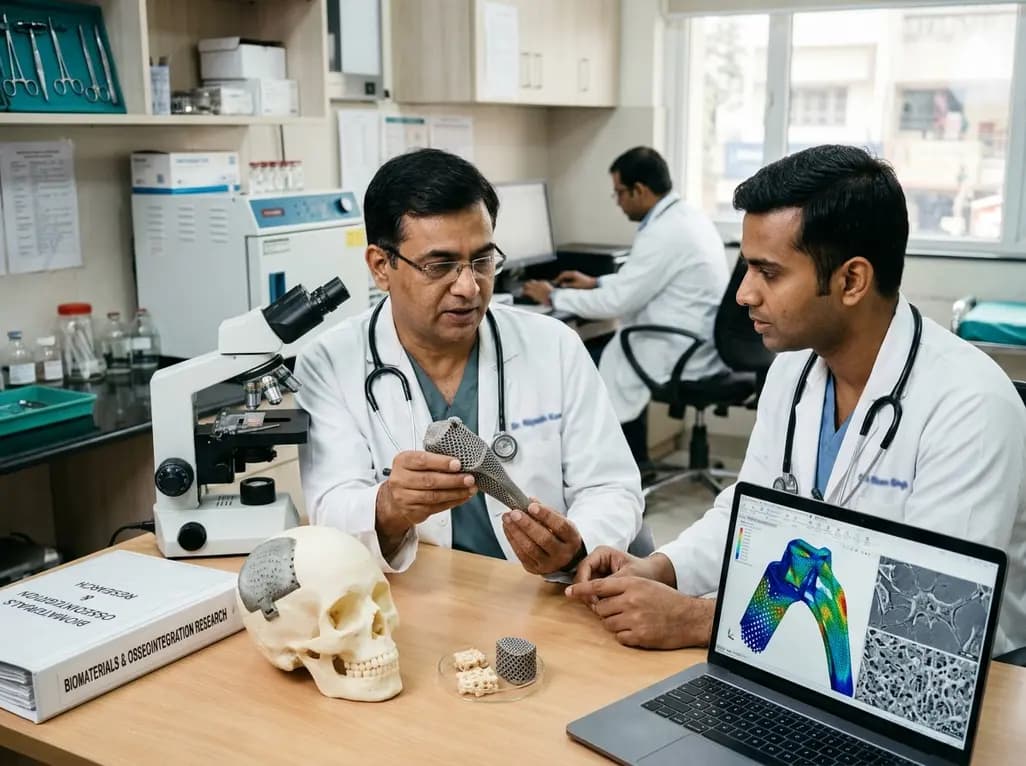
Laser-based powder bed fusion of Ti6Al4V enables custom orthopedic implants. Recent research reveals that heat treatment modulates ductility and wettability, while surface powder morphology drives mesenchymal cell attachment, highlighting crucial design factors for long-term osseointegration.
Today
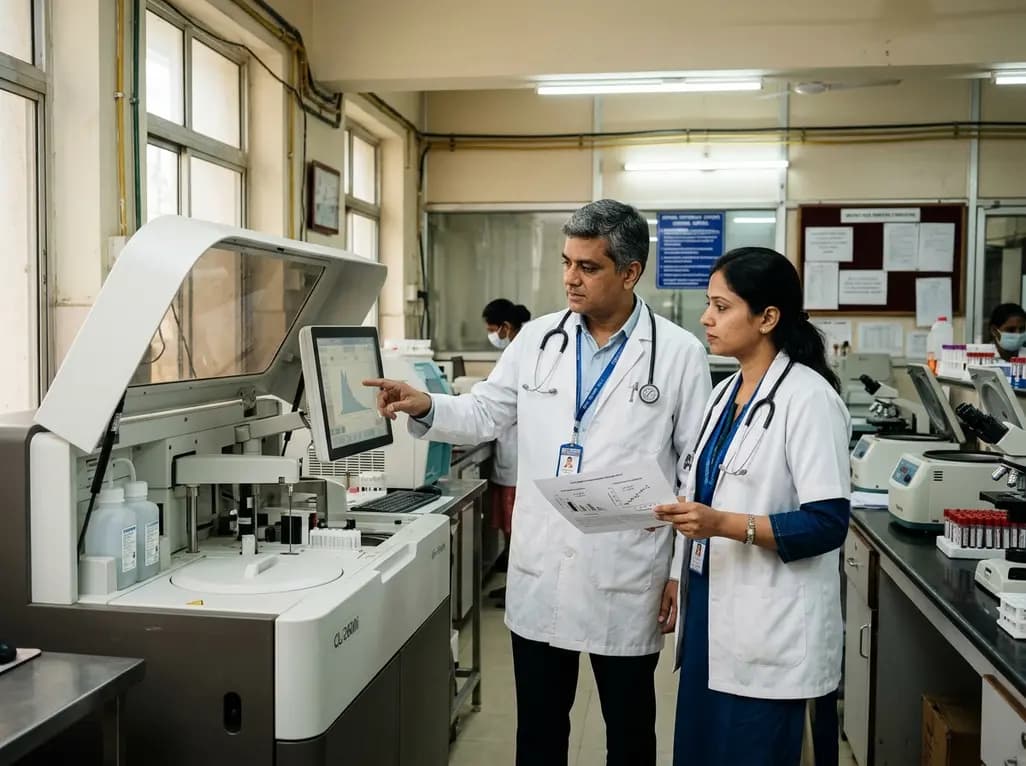
A multicenter study evaluated the CL-2600i immunochemistry analyzer across 640 serum samples, testing endocrinology, infectious disease serology, sepsis markers, and fertility panels. The system demonstrated high analytical trueness, repeatable results with CVs under 5%, and strong correlation with routine platforms.
Today
