.webp&w=384&q=75)

Loading, please wait...
Loading, please wait...

The global incidence of early-onset colorectal cancer has escalated alarmingly over recent decades. Individuals younger than fifty years increasingly confront this aggressive malignancy during critical life milestones. Consequently, they experience profound disruptions across career development, family planning, and economic stability. A recent qualitative systematic review synthesises these multifaceted illness trajectories across the disease continuum. Therefore, healthcare professionals must recognize these distinct clinical and psychosocial burdens to tailor supportive care and optimize survivorship.
Primary care practitioners frequently evaluate young adults presenting with vague lower gastrointestinal symptoms. However, clinicians and patients often normalize red-flag indicators, such as hematochezia, altered bowel habits, abdominal cramping, and unexplained fatigue. Because healthcare providers routinely attribute these complaints to benign anorectal disorders like hemorrhoids, diagnostic intervals become excessively prolonged. Qualitative evidence reveals that patients endure multiple clinical visits and dismissive interactions before obtaining an appropriate endoscopic referral. Consequently, many young individuals receive their formal diagnosis only after advancing to metastatic or locally advanced disease. Furthermore, this protracted diagnostic journey fosters medical mistrust, acute psychological distress, and profound frustration. Healthcare professionals must therefore dismantle age-related biases regarding colorectal cancer risk. Clinicians should maintain rigorous diagnostic vigilance whenever evaluating persistent digestive symptoms in young patients. In addition, establishing prompt referral pathways for diagnostic colonoscopy remains vital. Lowering the threshold for endoscopic evaluation enables earlier identification of neoplastic polyps. Thorough clinical evaluation, including documentation of family pedigree, also ensures detection of underlying hereditary cancer syndromes. Ultimately, prompt investigation prevents disease progression and saves lives.
A cancer diagnosis profoundly destabilizes physical, emotional, and social functioning at a pivotal life juncture. Specifically, intensive multimodal therapies, including radical surgical resections, ostomy creation, pelvic irradiation, and systemic chemotherapy, produce debilitating anatomical and physiological trauma. Young patients frequently struggle with chronic bowel dysfunction, persistent chemotherapy-induced peripheral neuropathy, and profound cancer-related fatigue. Moreover, managing a stoma induces marked bodily distress, self-consciousness, and social withdrawal. Beyond acute physical toxicities, the psychological ramifications remain staggering. Many young adults experience severe depressive symptoms, identity disruption, and existential terror regarding premature mortality while caring for dependent children. In addition, marital relationships often encounter severe strain due to shifted domestic roles and caregiving fatigue. Consequently, patients feel isolated from healthy peers who cannot comprehend the daily reality of oncology treatment. As a result, the collision between demanding therapeutic regimens and customary life obligations triggers overwhelming chronic stress. Multidisciplinary oncology teams must therefore implement routine psychological screening across all clinical visits. Providing timely supportive counseling helps patients navigate these severe biographical disruptions throughout active therapy and long-term survivorship.
Pelvic surgery, pelvic radiation, and cytotoxic chemotherapy regimens present immediate threats to reproductive potential and intimate functioning. However, healthcare professionals frequently neglect oncofertility discussions during the compressed window between cancer staging and radical intervention. Young adults often experience profound existential grief over involuntary sterilization or early ovarian failure. Notably, treatment-induced premature menopause triggers severe hot flashes, emotional lability, and accelerated bone mineral density loss in young female patients. Furthermore, pelvic autonomic nerve dissection frequently induces long-term sexual morbidity, including dyspareunia, vaginal dryness, erectile impairment, and ejaculatory dysfunction. Despite substantial distress regarding intimate relationships, patients report that clinicians rarely initiate discussions about psychosexual rehabilitation. In addition, many oncology teams lack structured referral connections with reproductive endocrinologists and sexual health specialists. Clinicians must therefore incorporate mandatory fertility preservation discussions into baseline oncology workflows prior to initiating gonadotoxic treatments. Offering prompt gamete cryopreservation protects future reproductive choices and validates patient autonomy. Simultaneously, proactive sexual medicine interventions should address anatomic and emotional barriers, assisting young couples in restoring fulfilling intimacy.
Economic hardship represents an acute crisis when malignant disease emerges during formative career stages. Specifically, young adults rarely possess substantial savings, established property assets, or executive-level employment security. The demanding schedules of multi-agent chemotherapy regimens, prolonged hospital admissions, and surgical recoveries necessitate prolonged absences from the workplace. Furthermore, lingering physical and cognitive treatment sequelae often prevent an immediate return to prior occupational productivity. As a result, patients experience abrupt earnings loss, rapid depletion of personal assets, and escalating medical bills. In many healthcare systems, exorbitant prescription drug copayments and out-of-pocket expenses intensify this economic devastation. Consequently, financial toxicity forces vulnerable individuals to skip essential supportive medications or delay routine surveillance imaging. Healthcare organizations must therefore integrate dedicated financial navigators and social workers into outpatient oncology practices. Proactive financial screening allows clinical teams to identify vulnerable patients before severe insolvency develops. In addition, institutions should link patients to community grants, travel assistance, and legal protections regarding workplace accommodations. Addressing financial burdens directly enhances adherence to planned oncologic interventions and preserves family welfare.
Although colorectal malignancy imposes acute psychological trauma, qualitative data reveal that young survivors demonstrate remarkable resilience. However, conventional oncology supportive services cater overwhelmingly to older cohorts, leaving younger individuals feeling socially misplaced in general support groups. In fact, young patients derive tremendous comfort and practical guidance when connecting with age-matched peers who share similar life-stage priorities. Furthermore, participating in dedicated adolescent and young adult cancer networks fosters empowerment and proactive self-advocacy skills. Through shared peer navigation, patients learn to coordinate complex clinical appointments, negotiate workplace adjustments, and manage chronic stomas with confidence. Healthcare institutions must therefore invest in age-specific supportive care infrastructure across cancer centers. These comprehensive programs should combine specialized exercise rehabilitation, dietary counseling, digital peer support, and family-centered psychological care. In addition, clinical staff require targeted training to understand the distinct communication needs of younger demographics. Ultimately, restructuring supportive care transforms patient experiences, enabling young survivors to navigate cancer treatment with dignity, agency, and sustained hope. Consequently, healthcare systems must actively bridge existing gaps by embedding age-tailored resources within routine survivorship pathways.
Early-onset colorectal cancer frequently escapes timely detection because both clinicians and young individuals normalize non-specific gastrointestinal symptoms. Healthcare providers routinely misdiagnose red-flag indicators, such as hematochezia and bowel changes, as hemorrhoids or functional bowel disorders. In addition, younger adults lack routine screening eligibility under conventional age-based guidelines. Consequently, substantial diagnostic delays permit malignant polyps to progress into advanced or metastatic disease before endoscopic visualization occurs.
Pelvic irradiation, radical surgical resection, and cytotoxic chemotherapy regimens significantly endanger reproductive potential in young patients. Radiation damages ovarian and testicular tissue, while pelvic surgery can compromise autonomic innervation essential for sexual and reproductive function. Furthermore, systemic alkylating agents induce premature ovarian failure or persistent azoospermia. Therefore, clinicians must deliver comprehensive oncofertility counseling before initiating treatment. Prompt cryopreservation of sperm, oocytes, or ovarian tissue safeguards future parenthood desires.
Managing financial toxicity requires proactive, early intervention by multidisciplinary oncology teams. Dedicated financial navigators and medical social workers must assess economic vulnerabilities immediately following cancer diagnosis. Furthermore, cancer centers should connect young patients with disability assistance, community grants, and workplace legal protections. In addition, transparent discussions regarding medical costs and flexible scheduling allow patients to maintain employment stability, mitigating socioeconomic hardship.
Disclaimer: This content is for informational and educational purposes only... Refer to the latest local and national guidelines for clinical practice.
References
Liao L et al. Illness Experiences and Supportive Care Needs of Patients With Early-Onset Colorectal Cancer: A Qualitative Systematic Review. J Clin Nurs. 2026 Sep 29. doi: 10.1111/jocn.70559. PMID: 42808962.
Lamprell K, et al. Things I need you to know: a qualitative analysis of advice-giving statements in early-onset colorectal cancer patients' personal accounts published online. BMJ Open. 2023;13(3):e068073.
Waddell O, et al. Quality of life in early-onset colorectal cancer patients: systematic review. BJS Open. 2023;7(3):zrad036.

Read summarized clinical updates, watch expert medical content, and earn CME certifications right from your smartphone.
Open your smartphone camera to scan and install.





Early-onset colorectal cancer presents unique clinical and psychosocial challenges, including diagnostic delays, psychosexual dysfunction, and financial toxicity. This review highlights the critical need for age-tailored supportive care services and heightened diagnostic vigilance in younger adults.
Today

Preclinical research reveals that the hydrophilic extract of the inner bran fraction of rice attenuates skeletal muscle proteolysis in protein-deficient rats, restoring glutathione and polyamine metabolites while downregulating Atrogin-1 and FoxO1 expression.
Today

A recent qualitative study evaluates institutional gaps across health, police, and justice sectors in supporting survivors of intimate partner violence. Healthcare providers must bridge procedural fragmentation with empathetic, trauma-informed care and cross-sector coordination to safeguard vulnerable patients.
Today
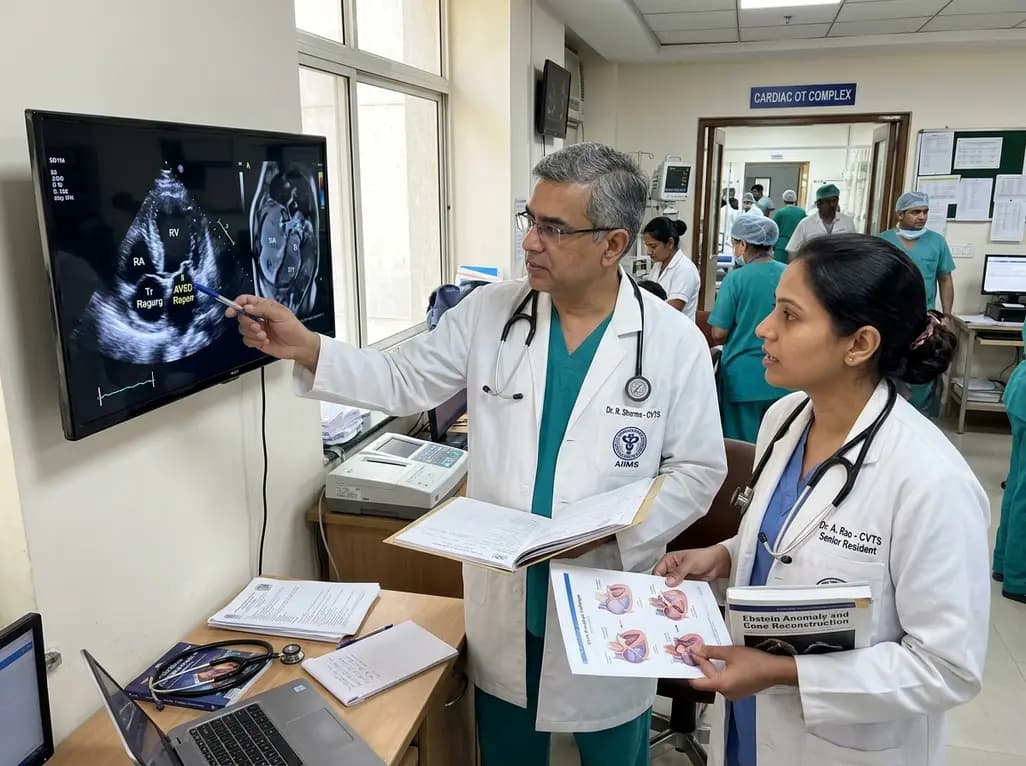
A review of the Cone procedure for severe right atrioventricular valve insufficiency in atypical Ebstein anomaly following partial AVSD repair, emphasizing operative technique and ventricular recovery.
Today

A Level I trauma center study shows a brief bedside mental health intervention boosts 30-day follow-up screening adherence by 84% in nonviolent injury patients. However, outcomes for violence survivors reveal critical care gaps, underscoring the urgent need for specialized community violence intervention programs.
Today
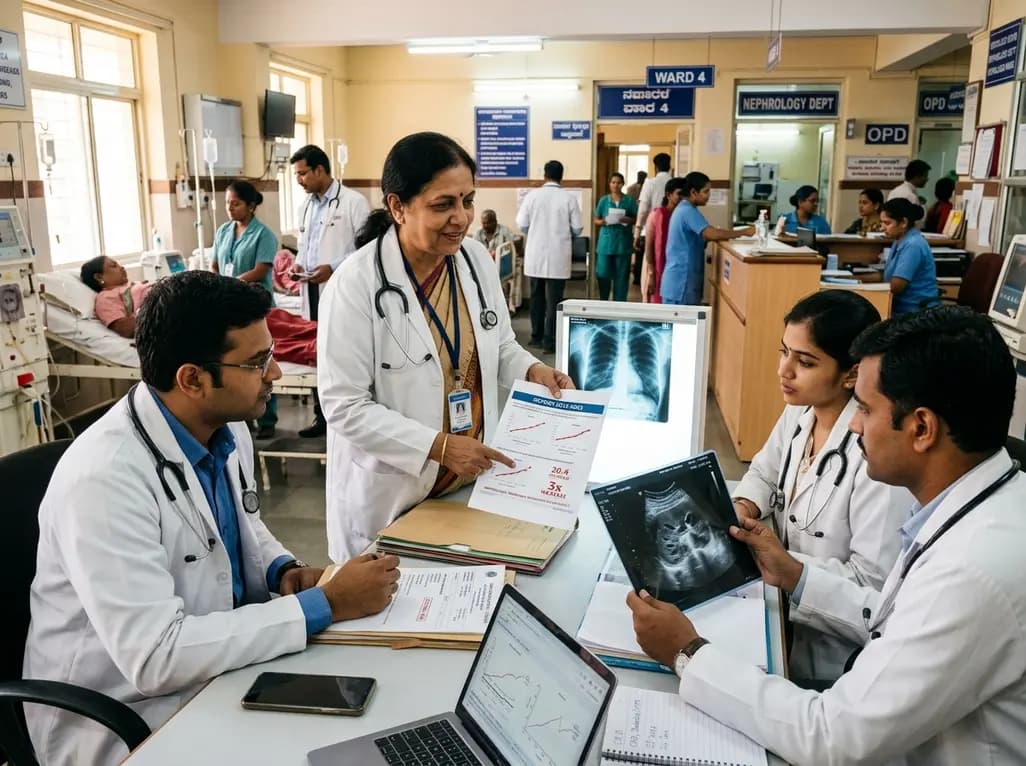
Recent data from Karnataka reveals a threefold surge in genitourinary and renal deaths over ten years. Driven by uncontrolled diabetes, hypertension, and emerging lifestyle hazards, this epidemiological shift highlights an urgent need for proactive screening and multidisciplinary nephrology management in primary care.
Today
