

Loading, please wait...
Loading, please wait...

Severe periodontitis remains a leading cause of adult tooth loss worldwide, causing progressive destruction of alveolar bone and connective attachments. Although standard mechanical debridement controls acute bacterial infection, predictable reconstruction of the lost periodontium remains a major clinical challenge. Consequently, modern periodontal regenerative medicine increasingly relies on innovative local drug delivery platforms engineered to overcome subgingival biological barriers. By maintaining therapeutic concentrations of bioactive factors and antimicrobials directly within diseased pockets, these advanced systems establish an optimal environment for tissue restoration. This review explores how emerging biomaterials redefine regenerative periodontal therapies.
Periodontal pockets present a demanding biological microenvironment that severely limits conventional therapeutic agents. Specifically, continuous gingival crevicular fluid flow clears unanchored drugs within minutes of subgingival placement. Furthermore, polymicrobial biofilms create dense matrices and secrete enzymes that degrade unprotected peptide molecules. High levels of reactive oxygen species and matrix metalloproteinases also accelerate tissue catabolism, impeding spontaneous repair. Therefore, applying free antimicrobials or recombinant growth factors rarely achieves durable tissue renewal. Clinicians must address rapid clearance while suppressing chronic inflammation to facilitate progenitor cell attachment. Modern delivery systems overcome these barriers by incorporating surface-retentive chemistries and enzymatic protection that resist crevicular fluid wash. Additionally, these matrices shield vulnerable growth factors from host proteases, sustaining active concentration gradients across intra-bony defects. By prolonging local drug bioavailability, advanced carriers enable cementoblasts and periodontal ligament fibroblasts to populate damaged root surfaces safely.
Polymeric matrices serve as indispensable platforms in regenerative therapy by functioning simultaneously as mechanical space maintainers and drug reservoirs. Natural polymers, including chitosan, alginate, and collagen, provide exceptional biocompatibility alongside biochemical motifs that promote cellular attachment and proliferation. Concurrently, synthetic polymers like poly(lactic-co-glycolic acid) and polycaprolactone provide superior structural stability and predictable degradation rates. Clinicians deploy these polymeric carriers to encapsulate broad-spectrum antimicrobials, osteogenic peptides, and anti-inflammatory modulators. By modifying polymer molecular weights and porosities, investigators program release kinetics from early burst release to sustained long-term elution over weeks. Furthermore, mineralized composite scaffolds incorporate bioactive ceramics to mimic native alveolar bone architecture, directly enhancing osteogenesis. These porous platforms guide cell migration and ensure vascularization within deep intra-bony defects. Because synthetic matrices degrade into non-toxic metabolic byproducts, they eliminate secondary surgical retrieval procedures, supporting sustained, site-directed therapeutic delivery throughout healing.
Stimuli-responsive delivery formulations represent a transformative development by releasing therapeutics strictly in response to local pathological conditions. In particular, thermo-responsive hydrogels remain fluid at ambient temperature, enabling facile syringe delivery into tortuous subgingival crevices. Upon reaching oral body temperature, they undergo rapid in situ phase transition, forming elastic gel depots that withstand crevicular fluid washout. Similarly, enzyme-cleavable nanocarriers release encapsulated payloads when bacterial or host collagenases degrade their polymeric shells. Moreover, nanoparticles engineered to scavenge reactive oxygen species suppress oxidative stress, shifting pro-inflammatory M1 macrophages toward tissue-healing M2 phenotypes. Nano-formulations also penetrate dense subgingival biofilms effectively, eliminating hidden pathogens without damaging host tissues. Consequently, these smart nanocarriers maximize drug bioavailability at defect sites while preventing systemic exposure. By synchronizing payload release directly with biological healing stages, stimuli-responsive hydrogels foster a stable osteogenic microenvironment that supports consistent periodontal attachment regeneration.
Delivering therapeutic macromolecules across keratinized gingival barriers into subgingival defect sites has historically presented significant clinical hurdles. Recently, dissolving polymeric microneedles and bioadhesive pocket films have emerged as reliable, patient-friendly solutions. Biodegradable microneedle arrays painlessly puncture superficial gingival barriers, depositing sensitive bioactive molecules and antimicrobial agents directly into vascularized submucosal layers. Because this approach bypasses external epithelial defenses, it dramatically improves local drug bioavailability while minimizing salivary dilution. Simultaneously, bioadhesive hydrogel films utilize specialized chemistries to adhere tightly to wet cementum and pocket surfaces. These resilient films physically exclude rapidly proliferating epithelial cells, preserving defect spaces exclusively for slower-migrating bone and ligament progenitor cells. Moreover, multi-layered bioadhesive designs permit staged pharmacological delivery, discharging immediate antiseptics followed by gradual growth factor release. Consequently, bioadhesive matrices and microneedles provide dependable spatial control, markedly improving clinical predictability and patient tolerance during comprehensive regenerative procedures.
Moving novel local drug delivery platforms from preclinical research into regular dental practice requires addressing critical regulatory, manufacturing, and clinical parameters. Industrial manufacturers must guarantee batch uniformity, long-term shelf stability, and effective terminal sterilization without inactivating delicate protein biologics. Furthermore, regulatory bodies such as the Central Drugs Standard Control Organisation (CDSCO) require comprehensive pharmacokinetic documentation and clinical safety data. In clinical practice, dental surgeons need intuitive systems that integrate smoothly into standard flap procedures without extending chairside operating times. In India, where severe chronic periodontitis remains highly prevalent across diverse demographics, cost-effective local delivery systems are especially valuable. When combined with diabetes management and oral hygiene education, targeted local therapeutics offer substantial clinical benefits for high-risk patients. Pre-formed bioabsorbable devices reduce operative complexity, making advanced regenerative treatments feasible across diverse healthcare settings. As ongoing clinical trials validate these smart biomaterials, localized delivery platforms will transition into routine standards of care.
Smart local drug delivery systems utilize responsive biomaterials that react dynamically to pathological cues such as bacterial enzymes, shifted pH, and local oxidative stress. Instead of dumping drugs abruptly, these carriers release therapeutics sequentially in harmony with natural wound-healing phases. Consequently, they efficiently suppress destructive inflammation, eradicate residual microbial biofilms, and supply sustained osteogenic signals, creating a protective microenvironment that enables host stem cells to reconstruct lost periodontal structures predictably.
Bioadhesive hydrogels offer exceptional patient comfort and tissue compatibility because they degrade naturally into non-toxic metabolic byproducts, completely eliminating the need for a secondary retrieval procedure. Additionally, these hydrogels adapt seamlessly to irregular intra-bony defects upon subgingival injection. By forming a tight mechanical seal against epithelial downgrowth while steadily eluting antimicrobial and regenerative agents, bioadhesive hydrogels significantly minimize mechanical irritation and clinical complications compared to earlier rigid fibers.
Novel microneedle arrays feature micron-scale projections that painlessly penetrate the dense outer gingival epithelium without inducing bleeding or tissue trauma. By depositing therapeutic payloads and growth factors directly into underlying submucosal connective tissues, microneedles circumvent rapid clearance by gingival crevicular fluid flow. This targeted interstitial administration ensures high local bioavailability, shields labile peptides from enzymatic degradation, and maintains prolonged therapeutic concentrations within targeted subgingival sites to drive tissue regeneration.
Disclaimer: This content is for informational and educational purposes only. It should not be used as a substitute for professional medical advice, diagnosis, or treatment. Always seek the advice of your physician or other qualified health provider with any questions you may have regarding a medical condition. Refer to the latest local and national guidelines for clinical practice.
References

Read summarized clinical updates, watch expert medical content, and earn CME certifications right from your smartphone.
Open your smartphone camera to scan and install.





Novel local drug delivery systems, including responsive hydrogels, polymeric scaffolds, and microneedles, enhance periodontal regeneration by providing sustained, site-specific therapeutic release while overcoming anatomical barriers.
Today
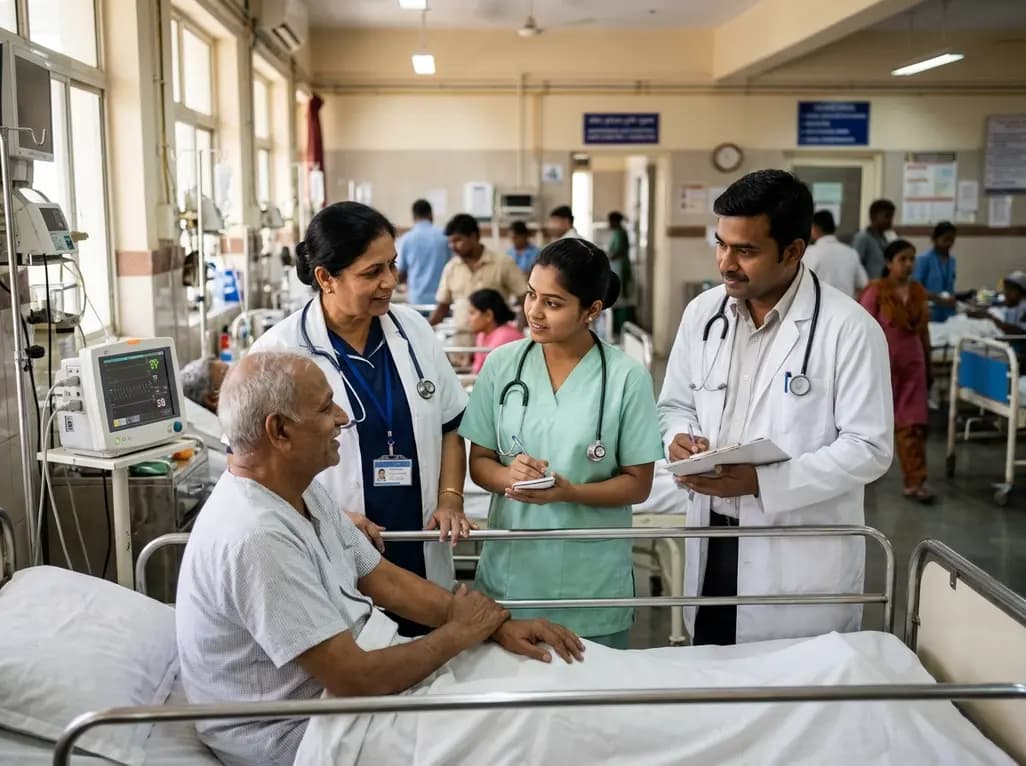
A new realist review examines nurse-led compassionate care interventions in acute hospitals, highlighting how supportive leadership and workflow integration drive meaningful clinical outcomes.
Today

A recent survey reveals significant gaps in antenatal providers' adherence to pregnancy oral health guidelines despite positive attitudes. Integrating regular oral screenings, clinician education, and interprofessional dental referrals during prenatal care is crucial to prevent adverse pregnancy outcomes.
Today
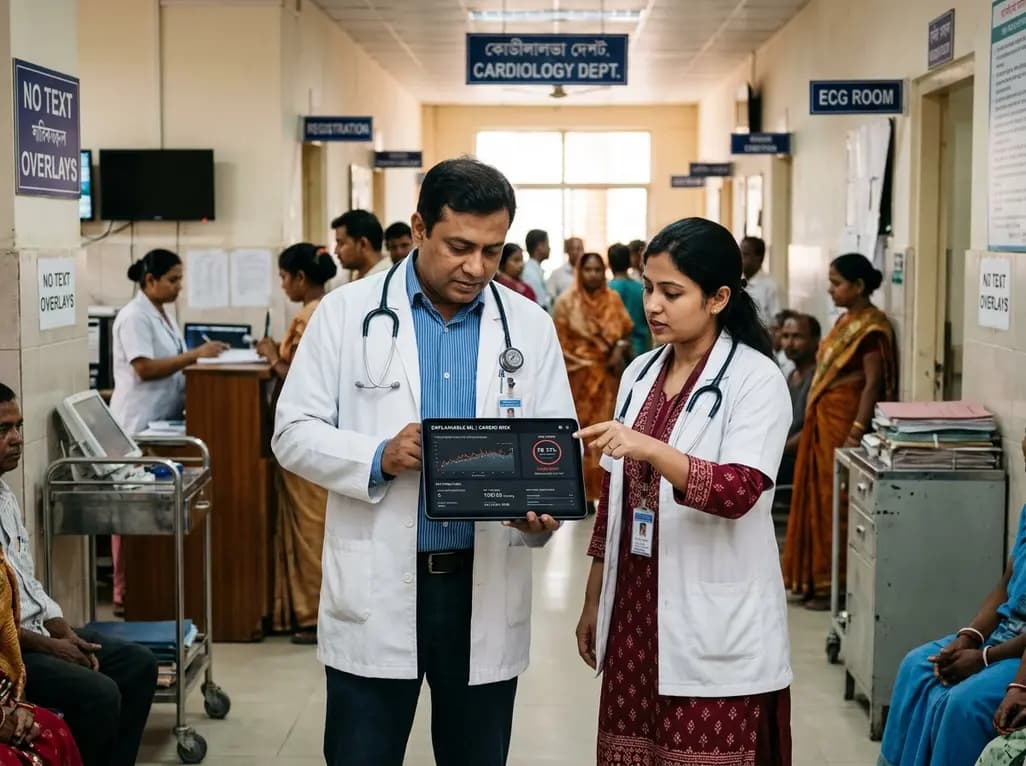
A cross-sectional study in Bangladesh demonstrates that an explainable stacking ensemble machine learning model achieves 98.37% accuracy in cardiovascular disease detection. Using local clinical and behavioral data, the model highlights cholesterol, rhythm abnormalities, and blood pressure as leading predictors.
Today
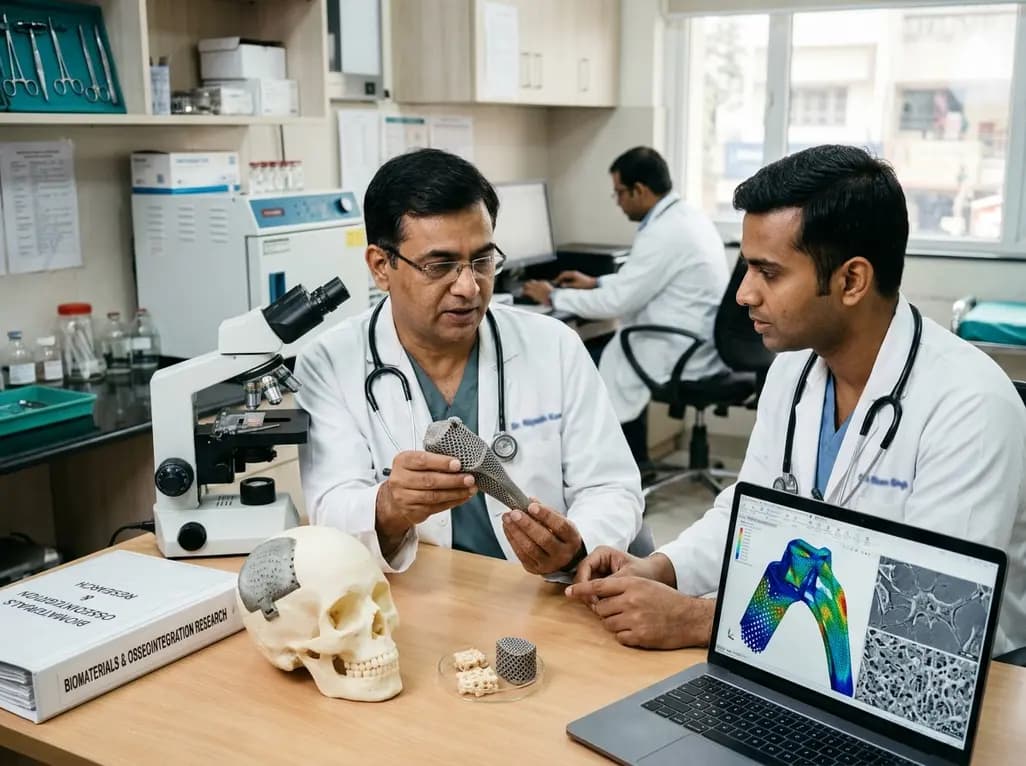
Laser-based powder bed fusion of Ti6Al4V enables custom orthopedic implants. Recent research reveals that heat treatment modulates ductility and wettability, while surface powder morphology drives mesenchymal cell attachment, highlighting crucial design factors for long-term osseointegration.
Today
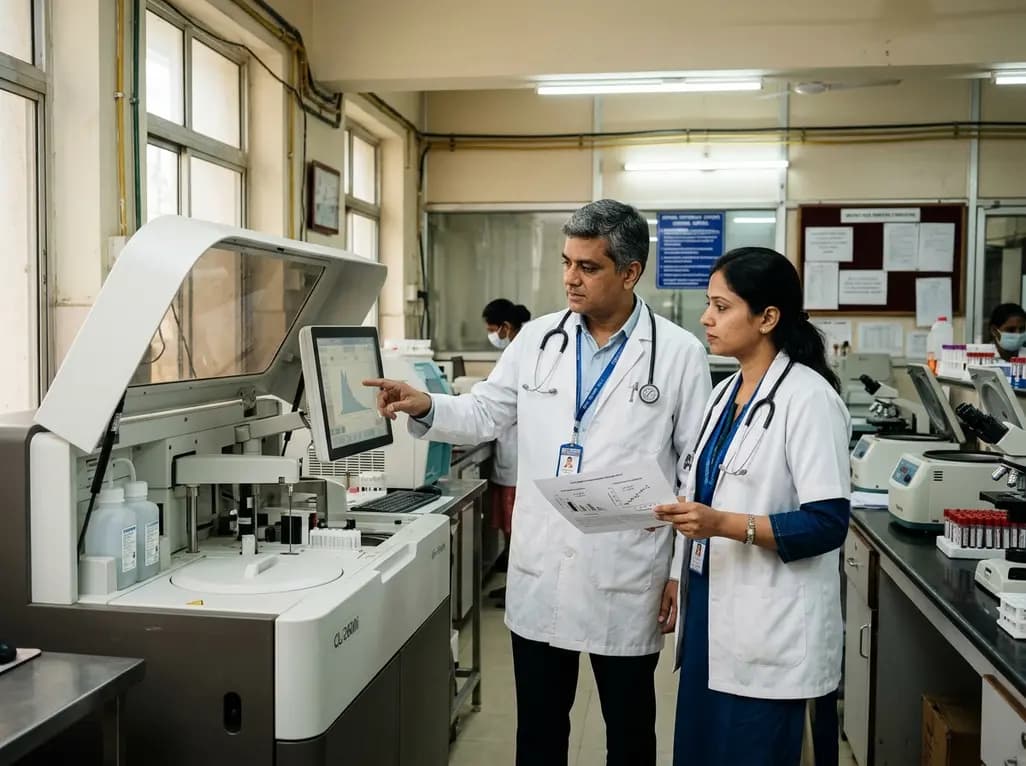
A multicenter study evaluated the CL-2600i immunochemistry analyzer across 640 serum samples, testing endocrinology, infectious disease serology, sepsis markers, and fertility panels. The system demonstrated high analytical trueness, repeatable results with CVs under 5%, and strong correlation with routine platforms.
Today
