

Loading, please wait...
Loading, please wait...

Modern healthcare systems increasingly recognize that empathy and human connection are indispensable components of clinical excellence. Implementing nurse-led compassionate care interventions within acute care hospitals transforms therapeutic relationships and elevates the overall quality of inpatient recovery. Historically, hospital administrators viewed empathetic communication as an innate, personal nursing trait rather than a structural clinical competency. However, growing evidence shows that organizational context directly dictates a bedside clinician's emotional and relational bandwidth. When healthcare facilities face persistent overcrowding, high nurse-patient ratios, and fragmented multidisciplinary workflows, bedside clinicians frequently experience moral distress. Consequently, healthcare organizations must implement structured interventions that legitimize relational practice rather than reducing bedside care to transactional checklists.
Understanding the exact mechanisms that drive successful compassionate care interventions requires examining how nurses perceive their professional environment. A realist synthesis of acute care interventions demonstrates that therapeutic relationships flourish when hospital leaders cultivate psychological safety. When nursing supervisors actively model relational communication and acknowledge emotional burdens, ward nurses feel validated in spending vital minutes comforting distressed patients. Furthermore, educational programs focusing on active listening, person-centered validation, and empathic touch empower clinicians with practical bedside communication strategies. These targeted capabilities enable nurses to recognize subtle signs of acute physical distress and emotional suffering promptly. Therefore, establishing organizational psychological safety transforms interpersonal bedside encounters from hurried clinical tasks into meaningful therapeutic alliances.
Despite the indisputable clinical advantages of relational nursing, severe institutional obstacles frequently derail compassionate care interventions in high-acuity wards. Heavy workloads, excessive administrative documentation, and rigid performance metrics force clinicians into protective emotional detachment. When hospital policies focus predominantly on throughput speed and bureaucratic regulatory compliance, nurses inevitably prioritize task completion over individualized patient dialogue. Additionally, understaffed inpatient wards create chronic moral injury among bedside providers who desire to comfort vulnerable individuals but lack adequate time. Consequently, staff members may perceive new relational initiatives as burdensome administrative mandates rather than supportive clinical tools. Overcoming these deep-seated obstacles demands systematic institutional reforms rather than simply urging overburdened staff to work harder.
To ensure long-term clinical utility, hospitals must embed compassionate care interventions directly into routine ward routines instead of adding disconnected responsibilities. Effective clinical protocols integrate intentional relational touchpoints into established handoffs, interdisciplinary rounds, and routine safety huddles. For example, structured bedside huddles allow nurses and physicians to review both physiological parameters and critical psychosocial concerns. Moreover, clinical leadership must adjust shift expectations to give frontline clinicians legitimate, protected time for patient-family discussions. When hospitals embed compassionate interactions into electronic health record workflows without adding cumbersome documentation burdens, nurses systematically preserve patient dignity. Thus, seamless operational alignment ensures that compassionate communication becomes an intrinsic standard of hospital care.
Many acute hospital systems deploy mindfulness and self-compassion training to mitigate secondary traumatic stress among nursing cohorts. These resilience initiatives consistently demonstrate meaningful psychological benefits for participating healthcare providers, including reduced emotional exhaustion and lower burnout scores. Clinicians who cultivate internal mindfulness navigate acute crises with greater emotional stability and deliberate calm. Nevertheless, the realist review reveals that self-compassion initiatives alone do not automatically translate into improved patient outcomes unless accompanied by structural support. While internal mindfulness fosters personal emotional resilience, acute care clinicians still require adequate staffing and functional equipment to deliver relational care safely. Therefore, resilience programs must complement, rather than substitute for, comprehensive organizational reforms.
The findings from this comprehensive realist review offer valuable operational insights for acute care facilities across diverse healthcare settings, including Indian hospitals. In India, acute tertiary hospitals frequently encounter high patient footfalls, intense family involvement, and high bed occupancy rates. Under such high-pressure clinical environments, communication gaps between medical teams and families can occasionally precipitate significant mistrust or conflict. By adopting structured compassionate care interventions, multidisciplinary teams in India can proactively demystify critical diagnoses, ease caregiver anxiety, and reinforce patient trust. Furthermore, accreditation standards like the National Accreditation Board for Hospitals and Healthcare Providers emphasize patient rights and empathetic care delivery. Implementing structured compassionate frameworks supports accreditation compliance while sustaining healthcare worker well-being.
Sustaining humanistic inpatient care requires visionary hospital leadership that treats compassion as an essential organizational asset rather than an optional virtue. Hospital executives, medical directors, and nurse managers must actively align clinical governance with relational care standards. Leadership teams should recognize and reward bedside clinicians who demonstrate exceptional empathic care during critical clinical encounters. Furthermore, hospital administrators must allocate adequate institutional resources toward clinical mentorship, peer debriefing sessions, and sustainable nurse-patient staffing ratios. By cultivating a transparent culture where psychological safety, collaborative communication, and structural support intersect, acute hospitals establish enduring resilience. Ultimately, modern acute care facilities can fulfill their core healing mission by protecting the humanity of both patients and clinical providers.
These structured interventions encompass specific clinical protocols, communication workshops, and reflective practices led by nurses to foster human-centered care. They guide clinicians in actively listening, acknowledging emotional distress, and honoring patient dignity alongside routine physiological monitoring. Ultimately, these clinical interventions transform transactional medical tasks into collaborative, highly empathetic healing partnerships across acute inpatient environments.
Excessive patient loads, acute clinical emergencies, and intensive documentation requirements deplete clinicians of available time and emotional reserves. When acute care nurses face relentless time constraints, they naturally adopt task-oriented coping mechanisms to ensure fundamental patient safety. Consequently, without adequate institutional staffing and supportive workflow designs, clinicians struggle to maintain consistent relational communication.
No, mindfulness programs cannot replace vital structural reforms in acute hospital environments. Although personal mindfulness and self-compassion training reliably reduce personal burnout among healthcare providers, they do not resolve insufficient staffing, excessive documentation, or unsupportive leadership. Sustainable compassionate care requires comprehensive organizational interventions that pair individual clinician resilience tools with institutional workplace support.
Disclaimer: This content is for informational and educational purposes only. It is not intended to be a substitute for professional medical advice, diagnosis, or treatment. Refer to the latest local and national guidelines for clinical practice.
References
Saragosa M et al. Nurse-Led Compassionate Care Interventions in Acute Care Hospitals: A Realist Review. J Clin Nurs. 2026 Nov 28. doi: 10.1111/jocn.70681. PMID: 43106185.
Sinclair S et al. Compassion in Healthcare: An Empirical Model. J Pain Symptom Manage. 2016 Feb;51(2):193-203. doi: 10.1016/j.jpainsymman.2015.10.009.
Dewar B, Nolan M. Caring about caring: Developing a model to optimize compassionate care in clinical practice. J Adv Nurs. 2013 Jun;69(6):1247-1258. doi: 10.1111/jan.12020.

Read summarized clinical updates, watch expert medical content, and earn CME certifications right from your smartphone.
Open your smartphone camera to scan and install.





A new realist review examines nurse-led compassionate care interventions in acute hospitals, highlighting how supportive leadership and workflow integration drive meaningful clinical outcomes.
Today

A recent survey reveals significant gaps in antenatal providers' adherence to pregnancy oral health guidelines despite positive attitudes. Integrating regular oral screenings, clinician education, and interprofessional dental referrals during prenatal care is crucial to prevent adverse pregnancy outcomes.
Today

A cross-sectional study in Bangladesh demonstrates that an explainable stacking ensemble machine learning model achieves 98.37% accuracy in cardiovascular disease detection. Using local clinical and behavioral data, the model highlights cholesterol, rhythm abnormalities, and blood pressure as leading predictors.
Today
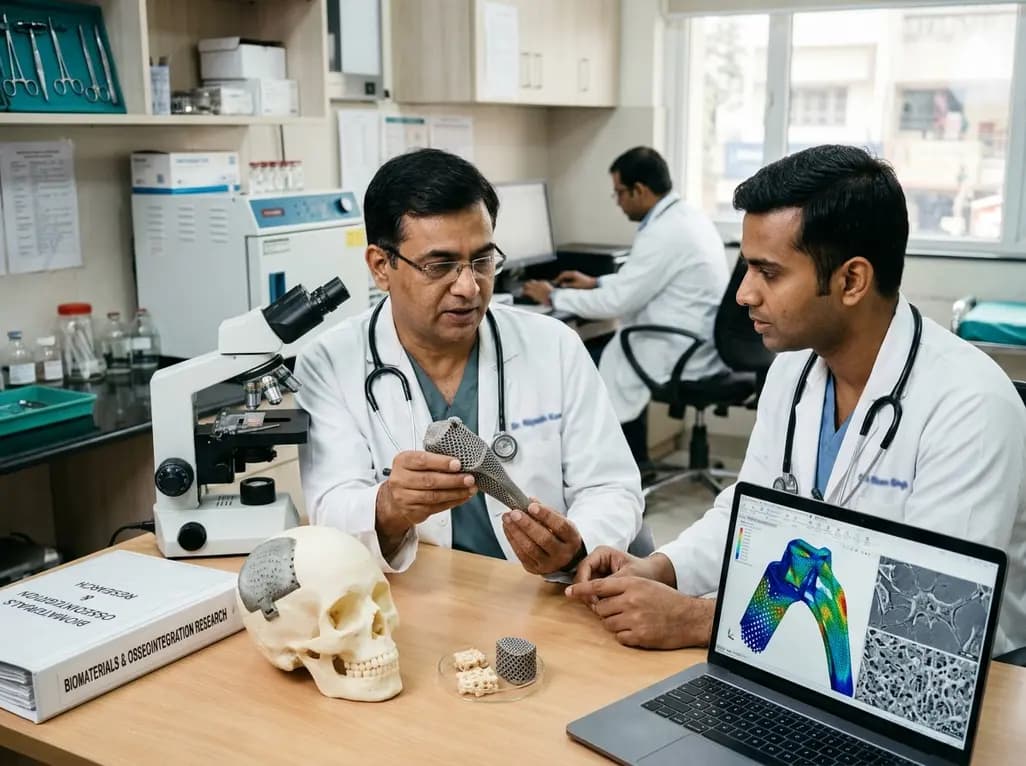
Laser-based powder bed fusion of Ti6Al4V enables custom orthopedic implants. Recent research reveals that heat treatment modulates ductility and wettability, while surface powder morphology drives mesenchymal cell attachment, highlighting crucial design factors for long-term osseointegration.
Today
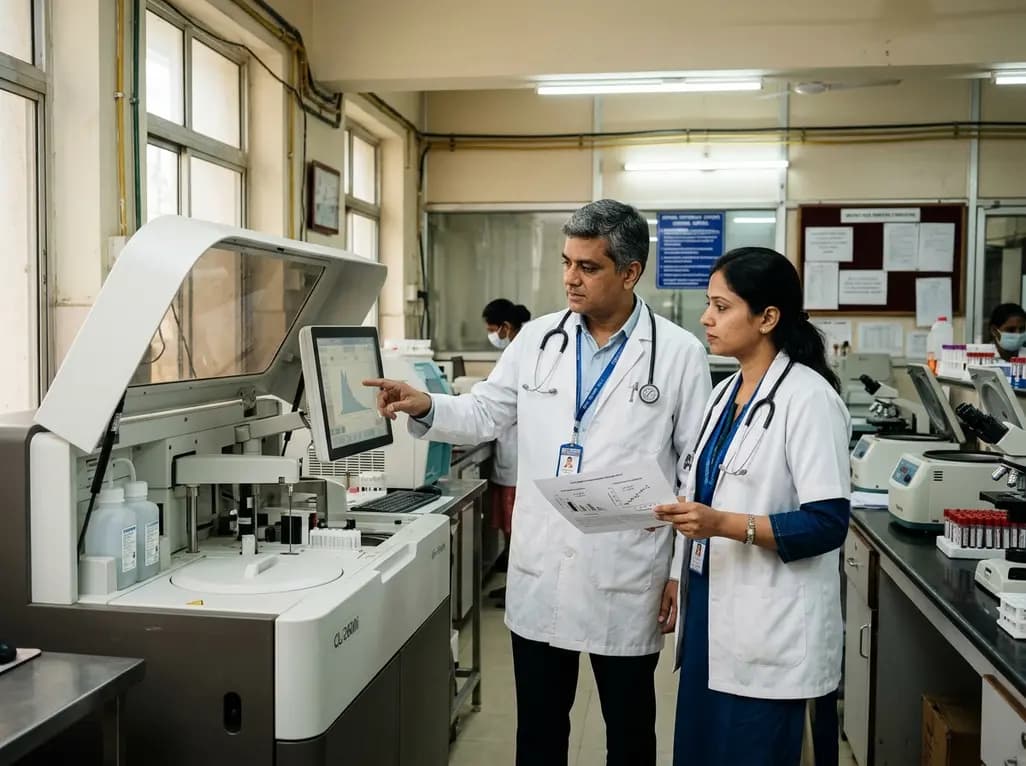
A multicenter study evaluated the CL-2600i immunochemistry analyzer across 640 serum samples, testing endocrinology, infectious disease serology, sepsis markers, and fertility panels. The system demonstrated high analytical trueness, repeatable results with CVs under 5%, and strong correlation with routine platforms.
Today
