

Loading, please wait...
Loading, please wait...

Healthcare professionals face demanding clinical environments that often jeopardize their psychological resilience and overall well-being. Consequently, investigating nurse mental health has become a crucial clinical priority worldwide. A cross-sectional investigation conducted at LEKMA Hospital examined the prevalence and key correlates of psychological distress among nursing staff. The researchers evaluated demographic attributes, cultural identities, lifestyle behaviors, and workplace stressors to understand why clinicians develop mood impairments. Their findings reveal striking rates of emotional exhaustion and affective disorders in frontline workers. Moreover, this evidence highlights how cultural background and hospital workload intersect to influence personal health. Healthcare administrators must address these factors promptly to preserve workforce vitality and maintain high-quality patient care.
The authors utilized the standardized 21-item Depression Anxiety Stress Scales (DASS-21) to capture negative emotional states among 302 practicing nurses. The final analytical results demonstrated a high prevalence of mental health challenges across the workforce. Specifically, 54.30% of participants screened positive for depression, 64.57% experienced anxiety, and 37.75% reported significant stress symptoms. These alarming figures highlight the intense pressure that hospital personnel encounter every day. In addition, the burden reflects widespread emotional exhaustion that directly threatens clinician retention and healthcare delivery. Clinicians who face unaddressed psychological morbidity often experience impaired concentration, decreased empathy, and burnout. Consequently, patient safety may suffer when frontline staff struggle with persistent emotional distress. Although health systems frequently celebrate healthcare workers for their resilience, these quantitative data emphasize that clinical care takes a heavy psychological toll. Therefore, hospital leaders must recognize that psychological distress represents a structural workplace challenge rather than an isolated personal failure. Systematic mental health screenings can provide early detection and prevent the chronic escalation of severe psychiatric disorders.
The research revealed intriguing associations between socio-cultural demographics and clinician vulnerability. For instance, ethnic diversity within the cohort correlated significantly with specific mental health outcomes. Nurses of Ewe ethnicity exhibited 59% lower odds of developing anxiety compared to their Akan colleagues (AOR = 0.41; 95% CI: 0.22–0.75). Similarly, Ga-Dangme nurses experienced 66% lower odds of clinical stress (AOR = 0.34; 95% CI: 0.15–0.81) relative to Akan nurses. However, ethnic background showed no statistically significant association with depressive symptoms. Furthermore, religious affiliations appeared to influence perceived stress levels substantially. Clinicians who adhered to Traditional religious practices had markedly higher odds of severe stress than Christian nurses (AOR = 11.73; 95% CI: 2.03–67.80). This striking disparity may stem from social isolation, cultural stigma, or differing community support networks. In contrast, shared faith traditions often provide communal coping resources that buffer individuals against daily job pressures. Therefore, institutional support systems must embrace cultural humility and address the nuanced belief systems of diverse staff. Healthcare institutions must foster inclusive environments that respect distinct cultural worldviews and reduce social alienation among minority practitioners.
Workplace arrangements and operational demands directly shape clinician psychological outcomes. Logistic regression analyses demonstrated that working night shifts correlated strongly with elevated odds of both depression and stress. Night duty disrupts normal circadian rhythms, impairs restorative sleep, and fractures social routines. Consequently, shift workers face chronic biological fatigue that exacerbates affective vulnerability. Furthermore, clinicians with greater career experience exhibited higher odds of depression, anxiety, and stress. This finding suggests that cumulative occupational trauma and sustained moral injury deplete psychological reserves over time. In addition, nurses who managed confirmed COVID-19 patients experienced significantly higher odds of depression and anxiety. Direct exposure to infectious threats intensifies fear of personal illness and concerns about transmitting pathogens to family members. Long working hours also increased stress likelihood, proving that sustained operational pressure overwhelms natural coping capacity. Therefore, nurse managers must critically reform scheduling practices to mitigate burnout. By reducing mandatory overtime and creating ergonomic shift rosters, hospital administrators can effectively protect frontline staff from debilitating psychological strain.
Fortunately, the study also identified several key protective factors that alleviate mental distress among hospital staff. Physical activity emerged as a remarkably potent lifestyle buffer against psychological harm. Indeed, regular physical exercise reduced the odds of anxiety by 56% (AOR = 0.44; 95% CI: 0.24–0.79) and stress by 56% (AOR = 0.44; 95% CI: 0.25–0.77). Physical exertion stimulates endorphin release, lowers systemic inflammation, and interrupts persistent ruminative thought cycles. Additionally, operational assignment locations within the hospital produced meaningful differences in emotional well-being. Nurses working in the in-patient department showed lower odds of depression (AOR = 0.41; 95% CI: 0.19–0.88) and stress (AOR = 0.27; 95% CI: 0.12–0.60) compared to outpatient or emergency staff. Inpatient environments often afford structured routines, predictable workflows, and closer collaborative relationships among multidisciplinary teams. Similarly, regular day shifts protected clinicians, lowering stress odds by 55% (AOR = 0.45; 95% CI: 0.25–0.81). As a result, maintaining consistent daytime assignments and promoting exercise programs represent effective operational strategies. Healthcare institutions should build on-site wellness facilities and offer wellness breaks to encourage healthy physical habits.
These empirical findings carry vital lessons for healthcare systems globally, including tertiary hospitals in India and other developing nations. Clinicians in high-density facilities endure similar challenges, such as heavy patient ratios, infectious exposure, and rotating night shifts. Therefore, hospital executives must transition from reactive management to proactive occupational psychiatric care. Institutions should establish confidential psychological counseling services that clinicians can access without fear of career stigma. Furthermore, medical leaders must design work environments that respect cultural diversity and accommodate unique demographic needs. For example, age-stratified data revealed that nurses aged 31 to 40 faced nearly double the odds of anxiety compared to younger colleagues (AOR = 1.95; 95% CI: 1.05–3.63). This vulnerable career window frequently combines intense family responsibilities, childrearing duties, and expanding professional clinical roles. Consequently, peer support programs and flexible working hours can assist mid-career clinicians through these demanding life stages. Finally, occupational health departments must track workplace stress metrics alongside conventional clinical quality indicators. When hospitals prioritize clinician mental health, patient care standards, diagnostic accuracy, and staff satisfaction improve simultaneously.
Hospital administrators can translate these valuable research insights into concrete organizational policies. First, scheduling committees should implement circadian-aligned shift rotations that guarantee adequate rest between shifts. By limiting consecutive night shifts, hospitals can reduce cognitive exhaustion and chronic mood disturbances among nurses. In addition, institutions should offer structured physical activity initiatives, such as subsidized fitness memberships or hospital yoga sessions. These accessible activities empower healthcare workers to incorporate exercise into demanding daily routines. Moreover, executive leadership must normalize open conversations regarding occupational stress, depression, and anxiety. Clinical directors should organize regular debriefing sessions after critical incidents, patient deaths, or major infectious outbreaks. Such transparent forums allow clinicians to process distressing emotions collectively without shame. Additionally, mental health teams can teach practical cognitive reframing strategies and stress management tools during mandatory continuing medical education seminars. Ultimately, supporting frontline healthcare professionals requires an integrated strategy that addresses physical health, workplace ergonomics, and psychological safety. Investing in clinician well-being safeguards the long-term sustainability of the entire health ecosystem.
Research indicates an exceptionally high prevalence of emotional distress among nurses. In this study, 54.30% of nurses experienced depression, 64.57% had anxiety, and 37.75% reported stress. Heavy workloads, infectious exposures, and demanding shift rotations frequently drive these substantial psychological burdens across healthcare settings worldwide.
Working night shifts, accumulating extensive work experience, and managing confirmed COVID-19 patients strongly increase the odds of depression, anxiety, and stress. In contrast, working day shifts and serving in structured in-patient departments significantly reduce psychological strain by supporting circadian rhythm stability and predictable team workflows.
Regular physical activity provides substantial psychological protection, reducing the odds of both anxiety and stress by 56%. Engaging in habitual exercise stimulates endorphins, reduces systemic inflammation, and interrupts negative rumination. Therefore, hospitals should establish on-site wellness facilities, gym subsidies, and organized activity breaks for staff.
Disclaimer: This content is for informational and educational purposes only... Refer to the latest local and national guidelines for clinical practice.
References

Read summarized clinical updates, watch expert medical content, and earn CME certifications right from your smartphone.
Open your smartphone camera to scan and install.





A cross-sectional hospital study highlights a substantial burden of depression (54.3%), anxiety (64.6%), and stress (37.8%) among nurses. The research identifies significant ethnic, religious, and occupational predictors, underscoring the urgent need for tailored institutional mental health interventions.
Today
A validated natural language processing pipeline leverages clinical notes and intermediate annotations to identify risky alcohol use across surgical patients, offering automated preoperative risk stratification.
Today
The GESS-AEEM consensus establishes a clear clinical implementation framework for testosterone therapy in postmenopausal women with hypoactive sexual desire disorder, focusing on transdermal dosing, precise laboratory monitoring, and safety communication.
Yesterday
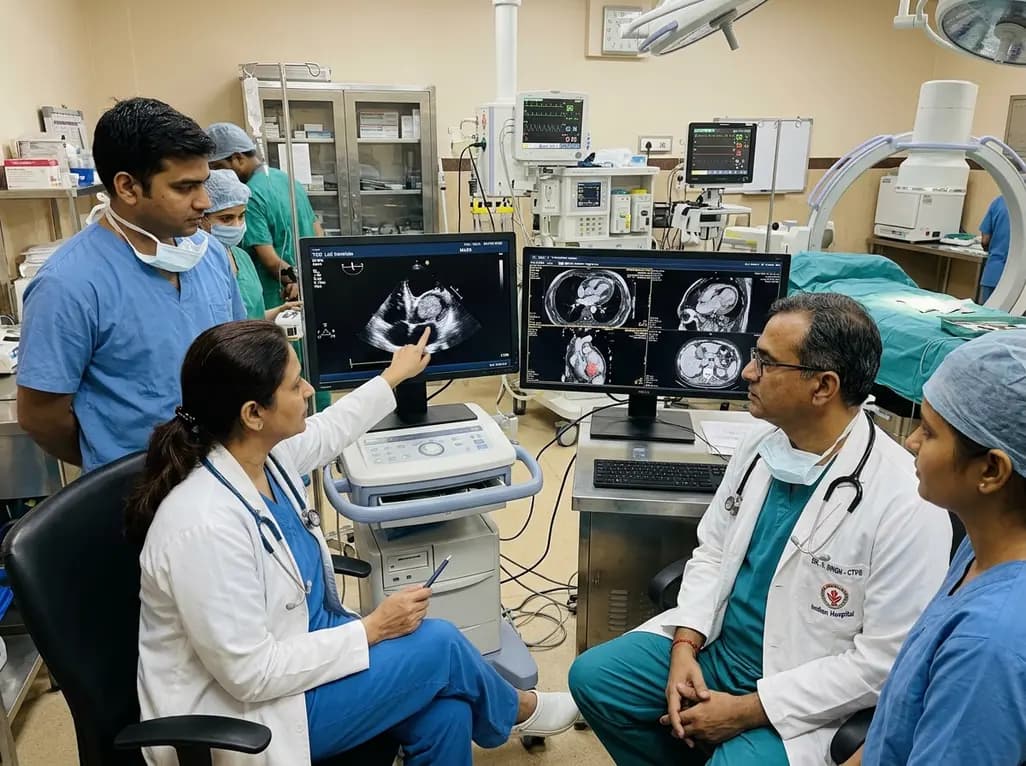
A rare case of an asymptomatic left ventricular hemangioma highlights the vital role of multimodal imaging in differentiating vascular tumors from thrombus. Complete surgical resection under transesophageal echocardiography guidance prevents thromboembolism and delivers optimal outcomes.
Today
A landmark study evaluates long-term quality of life in adolescents and adults with brachial plexus birth injury. Severe functional limitation and limited access to care significantly worsen outcomes, underscoring the urgent need for persistent, multidisciplinary management across adult healthcare transitions.
Today
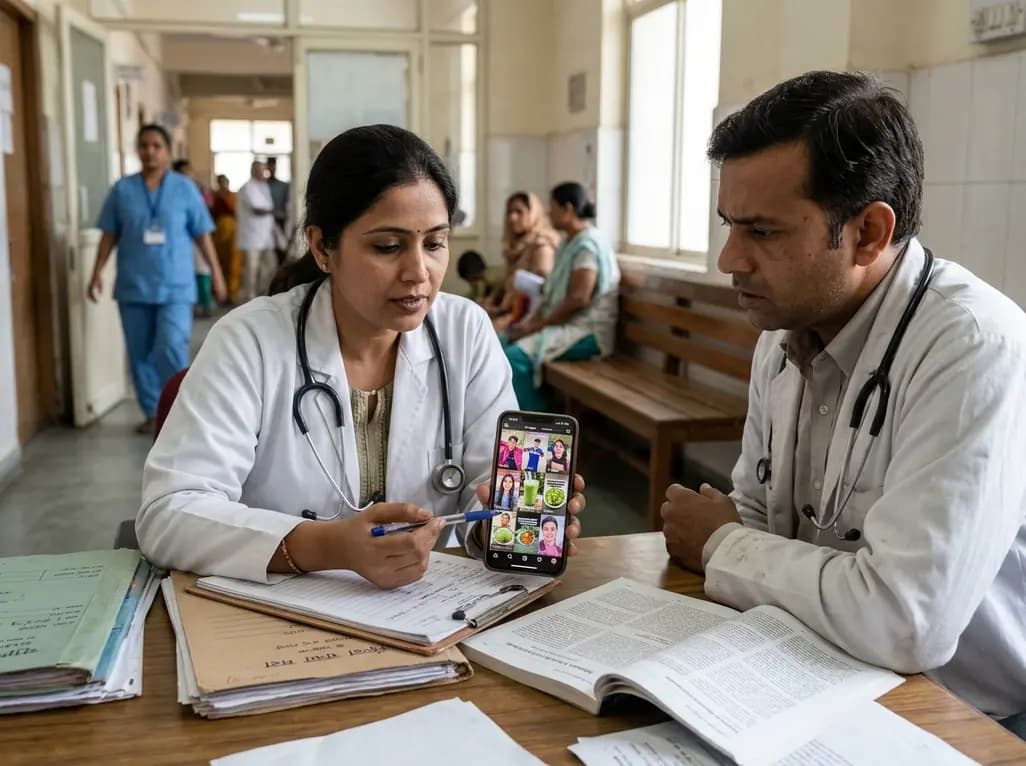
An analysis of 1,000 posts by macro- and mega-influencers on Instagram and TikTok revealed that 78.5% contained nutrition misinformation, while only 24% of creators held valid credentials. This article examines the clinical risks of viral dietary fads and provides actionable guidance for healthcare professionals.
Today
