.webp&w=384&q=75)

Loading, please wait...
Loading, please wait...

Natural disasters disrupt healthcare systems and create sudden surges in critical trauma cases. When severe tropical cyclones make landfall, specialized surgical units face monumental infrastructural hurdles. Recent clinical evaluations underscore that disaster preparedness in neurosurgery is essential to safeguard patients during acute environmental emergencies. Severe storms compromise electrical grids, isolate communities, and delay urgent interventions. Consequently, neurosurgical departments must proactively integrate resilient operational protocols to address traumatic injuries while maintaining acute surgical capacity.
Extreme weather events cause substantial surges in acute neurotrauma across regional medical facilities. During high-intensity storms, flying debris and structural collapse generate acute intracranial and spinal injuries. Recent multicenter data from island-wide healthcare networks demonstrate that acute neurotrauma requires immediate and sophisticated resource allocation. However, widespread environmental destruction frequently impedes routine patient transport and overwhelms tertiary referral centers.
A nationwide analysis revealed that twenty-one patients required neurosurgical care directly impacted by severe hurricane conditions over a four-week period. Furthermore, approximately forty percent of these acute cases necessitated emergent operative intervention for life-threatening neurological lesions. Traumatic intracranial hematomas, depressed skull fractures, and acute vertebral dislocations dominated the acute surgical caseload.
Meanwhile, non-traumatic emergencies and chronic neurological conditions also competed for dwindling hospital resources. Consequently, clinical teams faced difficult triage decisions while prioritizing acute trauma against urgent elective cases. Ultimately, understanding these complex epidemiological distributions allows hospitals to anticipate surgical demand before catastrophic weather systems arrive.
A prominent trauma mechanism during severe cyclonic events is spinal injury from falling trees, frequently abbreviated as SIFT. Powerful winds uproot mature vegetation, collapse residential structures, and dislodge heavy tree limbs. Consequently, individuals attempting outdoor transit or urgent pre-storm preparations suffer devastating axial loading injuries and direct spinal contusions.
Clinicians frequently manage unstable spinal column fractures, severe cord compression, and traumatic dislocations resulting from these impact forces. In addition, falling branches cause compound cervical and thoracolumbar injuries that demand rapid spinal immobilization and definitive surgical decompression. Over one-third of the impacted patients required emergent operative intervention to prevent permanent neurological deficits. Therefore, surgical teams had to perform complex spinal instrumentation under constrained schedules.
Moreover, post-storm cleanup activities expose workers to persistent hazards from hanging limbs and precarious power cables. Because of this prolonged hazard, trauma admissions continue days after the storm passes. Surgical teams must therefore anticipate a bimodal presentation pattern during storm recovery.
Severe natural disasters inevitably dismantle civic infrastructure, thereby crippling emergency medical transport networks. Flooded roads, downed electrical wires, and damaged bridges block ground ambulance transit from rural districts to tertiary centers. Consequently, patients with acute intracranial bleeds and unstable spine fractures experience substantial delays before arriving at specialized neurosurgical units.
These delayed presentations dramatically exacerbate clinical morbidity and compromise functional neurological outcomes. For instance, secondary brain injury escalates when intracranial pressure spikes without rapid osmotic therapy or surgical evacuation. Similarly, delayed decompression for acute spinal cord compression increases the risk of irreversible paraplegia. In addition, peripheral clinics often lack advanced neuroimaging, which impairs early triage.
Furthermore, widespread communication blackouts prevent peripheral medical centers from transmitting critical patient data to specialist teams. As a result, neurosurgeons must reassess arriving patients without prior baseline imaging or serial examinations. Health systems must therefore design resilient satellite communication links to coordinate acute patient transfers during regional blackouts.
Institutional resilience requires comprehensive protocols that address catastrophic disruptions before extreme weather strikes vulnerable regions. Robust disaster preparedness in neurosurgery demands rigorous contingency planning across hospital departments, supply chains, and clinical staffing networks. Specifically, hospitals must establish redundant power grids and secured fuel reserves to maintain life support and neurosurgical operating suites.
Furthermore, surgical leadership must stockpile specialized neurosurgical consumables, including cranial drill bits, hemostatic agents, titanium plates, and spinal instrumentation sets. Standard hospital disaster reserves often overlook these specialized items in favor of general trauma supplies. Therefore, department heads must independently curate disaster bins containing specialized neurosurgical equipment. In addition, facilities require substantial reserves of hyperosmolar fluids and broad-spectrum antimicrobial agents.
Similarly, administrative teams must formulate standardized clinical triage algorithms tailored for resource-depleted disaster scenarios. When operating suites run on emergency backup generators, surgeons must rapidly stratify cases based on salvageability. Consequently, clear triage protocols relieve individual clinicians of agonizing ethical dilemmas during mass-casualty surges.
Maintaining specialized surgical workforce continuity remains a significant operational challenge during severe tropical disasters. Medical staff members inevitably experience personal property damage, transport barriers, and acute family safety concerns during major storms. Consequently, healthcare administrations must devise dual-tiered staffing rosters that rotate clinical teams before severe weather impacts the region.
To support workforce endurance, institutions should provide safe on-site accommodations, clean water, and emergency food supplies for hospital personnel. Moreover, clear contingency staffing arrangements ensure that rested relief teams replace fatigued surgeons who manage initial trauma admissions. In addition, hospitals must establish psychological support systems to address acute burnout among clinical workers.
Beyond internal hospital logistics, successful crisis response depends upon active public communication and community engagement. Municipal health authorities must educate citizens about pre-storm tree pruning hazards and post-storm power cable dangers. Consequently, timely public warnings can substantially decrease preventable trauma from falling trees. Ultimately, combining robust institutional infrastructure and broad civic education establishes a truly resilient trauma network.
Spinal injury from falling trees occurs when severe cyclone winds dislodge heavy branches or uproot mature trees onto individuals. Residents sustain these devastating injuries while attempting outdoor preparations before landfall or during post-storm debris clearance. Falling timber causes severe axial loading, hyperflexion, or direct crushing of the vertebral column. Consequently, patients suffer unstable spine fractures, acute cord contusions, and profound neurological deficits requiring urgent spinal decompression and surgical stabilization.
Neurosurgical presentations face severe delays because extreme weather demolishes critical transport infrastructure and communications networks. Downed power cables, widespread flooding, and blocked roadways severely restrict ground ambulance mobility between rural clinics and tertiary trauma centers. In addition, regional telecommunication failures prevent peripheral doctors from organizing prompt transfers or receiving neurosurgical guidance. Consequently, acute intracranial hematomas and compressed spinal cords remain untreated for extended periods, significantly increasing secondary neurological injury and operative complexity.
Neurosurgical units must maintain dedicated stockpiles containing cranial perforators, surgical drill bits, titanium plates, and spinal fixation hardware. In addition, hospitals require large reserves of hyperosmolar agents, such as mannitol and hypertonic saline, to control intracranial pressure spikes during electrical disruptions. Facilities should also reserve broad-spectrum antibiotics, anticonvulsants, external ventricular drains, and sterile surgical drapes. Finally, departments must secure independent generator fuel and portable suction apparatus to sustain emergency operative procedures during municipal outages.
Disclaimer: This content is for informational and educational purposes only... Refer to the latest local and national guidelines for clinical practice.
References
Myers M et al. Impact of Hurricane Melissa on neurosurgery care in Jamaica: implications for disaster preparedness. Br J Neurosurg. 2026 Oct 10. doi: 10.1080/02688697.2026.2746369. PMID: 42856078.
Hawryluk GWJ, Lulla A, et al. Guidelines for Prehospital Management of Traumatic Brain Injury 3rd Edition: Executive Summary. Neurosurgery. 2023;93(6):e159-e169.
Carney N, Totten AM, O'Reilly C, et al. Guidelines for the Management of Severe Traumatic Brain Injury, Fourth Edition. Neurosurgery. 2017;80(1):6-15.

Read summarized clinical updates, watch expert medical content, and earn CME certifications right from your smartphone.
Open your smartphone camera to scan and install.





A nationwide analysis evaluates the clinical and operational impact of severe hurricane conditions on acute neurosurgical care, highlighting common injury patterns like spinal trauma from falling trees, critical delayed presentations, and essential protocols for hospital disaster preparedness and surge capacity.
Today
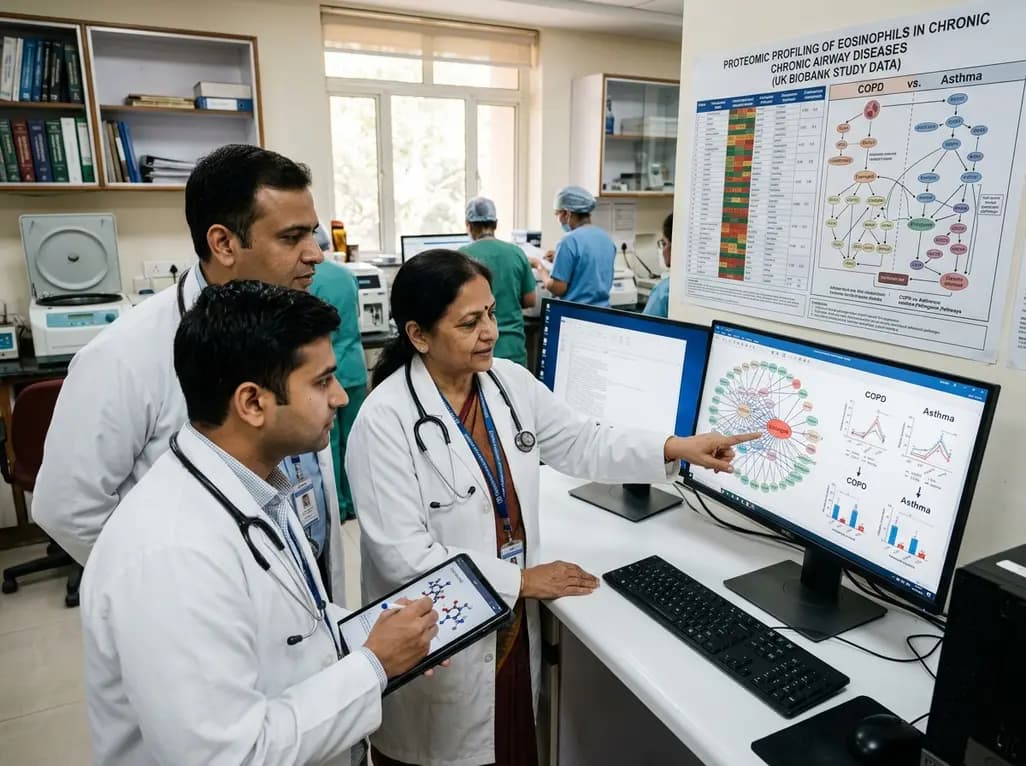
A large-scale UK Biobank proteomic study reveals that eosinophils play a unidirectional, causal role in COPD via expansive 378-protein networks, distinct from Th2 allergic pathways in asthma. These findings provide critical mechanistic clarity for clinical phenotyping and targeted biologic therapies.
Today

Maternal anaemia contributes to nearly half of pregnancy-related fatalities across India. To prevent complications, Uttar Pradesh has added single-dose parenteral iron to its essential medicines list. This clinical transition aims to restore haemoglobin rapidly and protect high-risk mothers across rural facilities.
Today
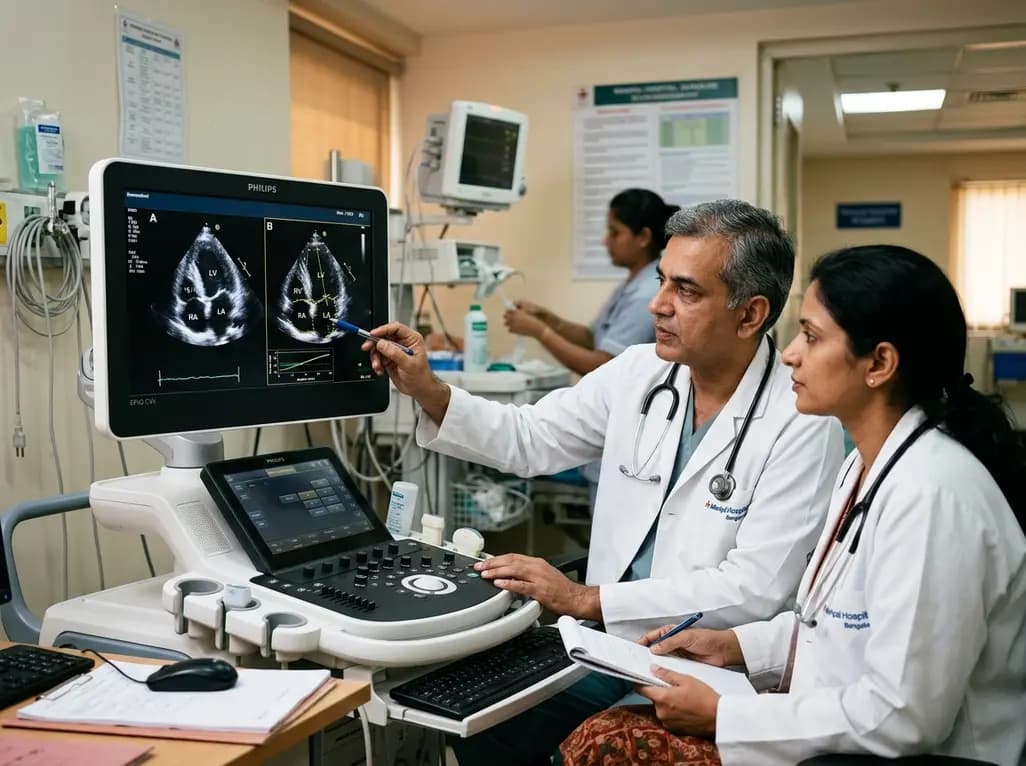
A multi-expert study shows pairwise deep learning accurately assesses echocardiographic rotational alignment in apical four-chamber views, outperforming pointwise regression. This technique improves automated image quality control and standardizes functional cardiac assessment.
Today
A longitudinal study of 1,055 chronic low back pain patients reveals that higher patient activation fosters constructive pain medication attitudes, reduces disability, and decreases short- and long-term opioid use through collaborative, multimodal care.
Today
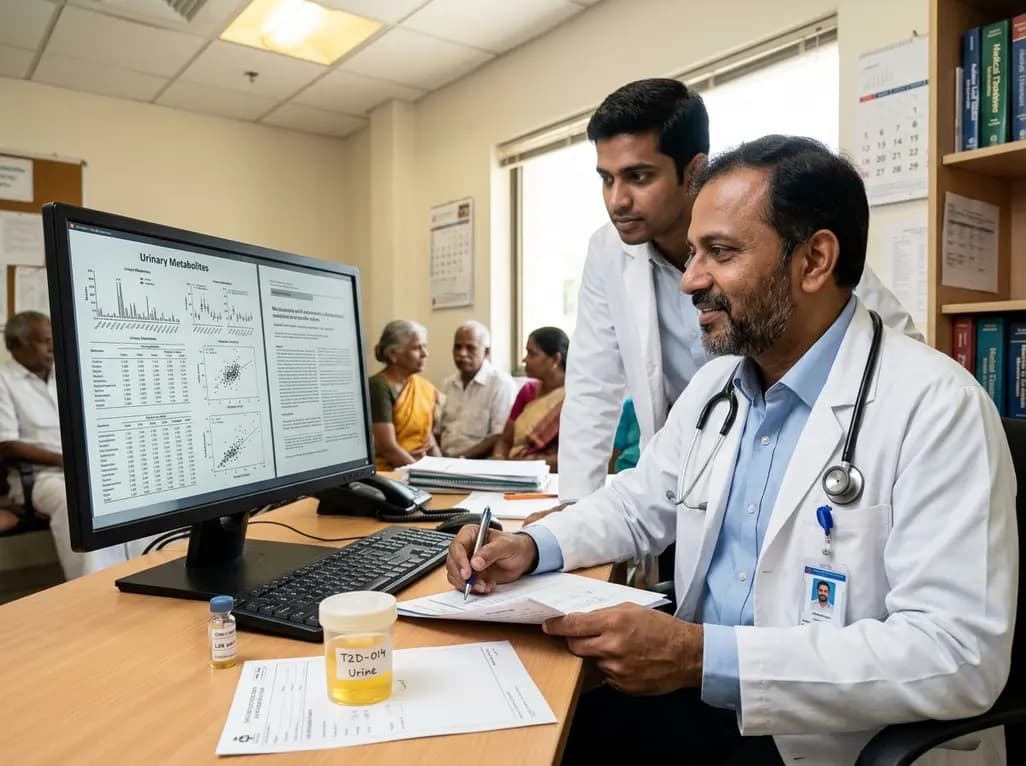
A landmark cross-sectional study in Asian adults with type 2 diabetes identifies novel urinary metabolites linked to mild cognitive impairment. Elevated urinary sucrose and altered metabolites highlight non-invasive pathways for early cognitive risk stratification and targeted metabolic management.
Today
