.webp&w=384&q=75)

Loading, please wait...
Loading, please wait...

A recent pilot study from Finland, titled DIGITUTKA, provides critical insights into how digital food advertising reaches the smartphones of teenagers. As childhood obesity rates climb globally, understanding the digital landscape is essential for healthcare providers. Researchers utilized the World Health Organization (WHO) CLICK framework to monitor the actual exposure of children aged 12 to 16. Consequently, the results show a troubling trend of frequent exposure to products that regulations typically prohibit from being marketed to minors.
During a two-week period in 2022, the study captured over 17,000 advertisements via participants' phones. Notably, 13% of these ads promoted food or beverage brands. Specifically, composite dishes, convenience foods, and energy drinks were the most common products. Furthermore, the analysis revealed that 56% of these advertisements did not meet the criteria for marketing to children under the WHO Europe Nutrient Profile Model. Only a meager 9% were deemed permissible. Therefore, this data suggests that current digital safeguards are insufficient to protect adolescent nutritional health.
The high volume of exposure to energy drinks and ultra-processed foods is particularly concerning for clinicians. In India, where childhood obesity is a growing crisis, the Economic Survey 2026 has already recommended a ban on such advertisements during peak hours. This Finnish study reinforces the need for robust monitoring tools like the RealityMeter application. Moreover, the findings indicate that a third of digital ads remain unidentified due to missing information, pointing to a lack of transparency in the ad-tech ecosystem. Similarly, the study suggests that marketing restrictions alone may not suffice. Instead, a comprehensive approach involving taxation and broader environmental changes is likely necessary.
The CLICK framework is a monitoring tool designed by the WHO to help countries measure and regulate the digital marketing of unhealthy products to children. It focuses on comprehending the digital ecosystem and quantifying actual exposure.
According to the pilot study, convenience foods, composite dishes, and energy drinks are the most frequently advertised items. Many of these fall under the 'high-fat, sugar, and salt' (HFSS) category.
Clinicians can educate parents about the prevalence of targeted digital ads and advocate for stricter national regulations. They can also support public health policies that promote front-of-pack labeling and marketing bans on ultra-processed foods.
Disclaimer: This content is for informational and educational purposes only and does not constitute medical advice or a professional relationship. Refer to the latest local and national guidelines for clinical practice.
References

Read summarized clinical updates, watch expert medical content, and earn CME certifications right from your smartphone.
Open your smartphone camera to scan and install.





The DIGITUTKA pilot study reveals that children are exposed to a high volume of unpermitted digital food advertisements, primarily for energy drinks and sna...
8 months ago
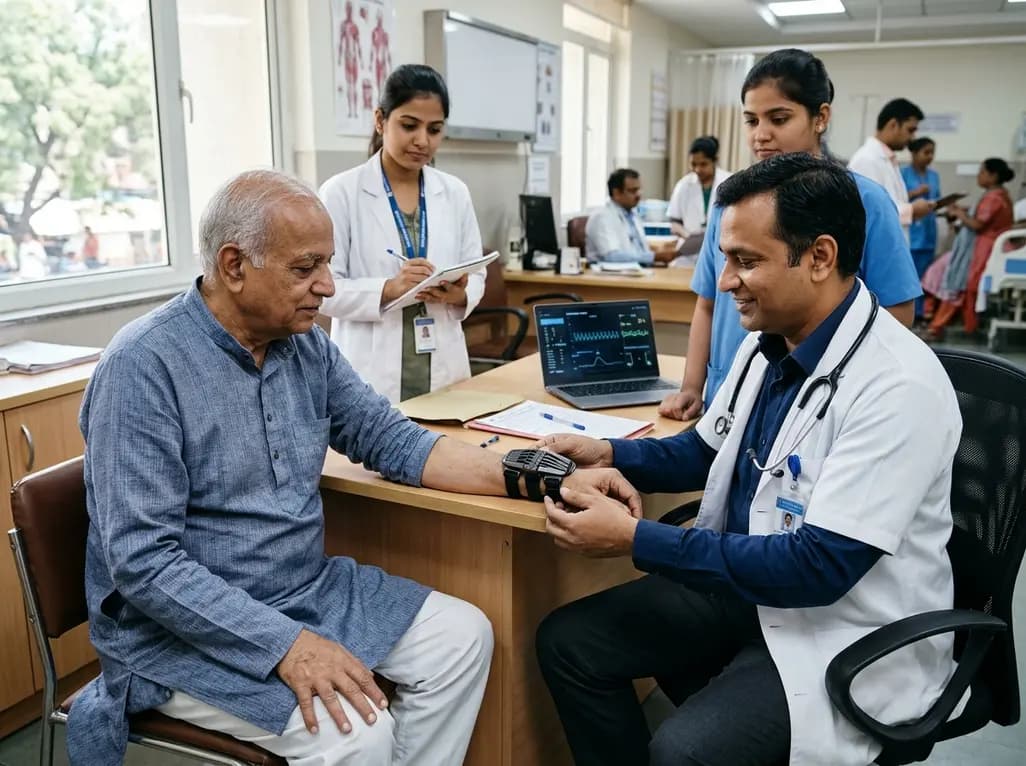
The TREM-AB open-label pilot study evaluated a wearable passive nonlinear vibration absorber for essential tremor. The Nonlinear Energy Sink bracelet reduced clinical Fahn-Tolosa-Marin tremor scores by 32.1% and electrophysiological tremor power by 49.2% with no adverse effects reported.
Today

A study in JAMIA Open shows lightweight open-source reasoning LLMs achieve up to 95% sensitivity and accelerate evidence synthesis screening by nearly twentyfold, presenting a cost-effective, scalable AI solution for biomedical research and systematic reviews.
Today
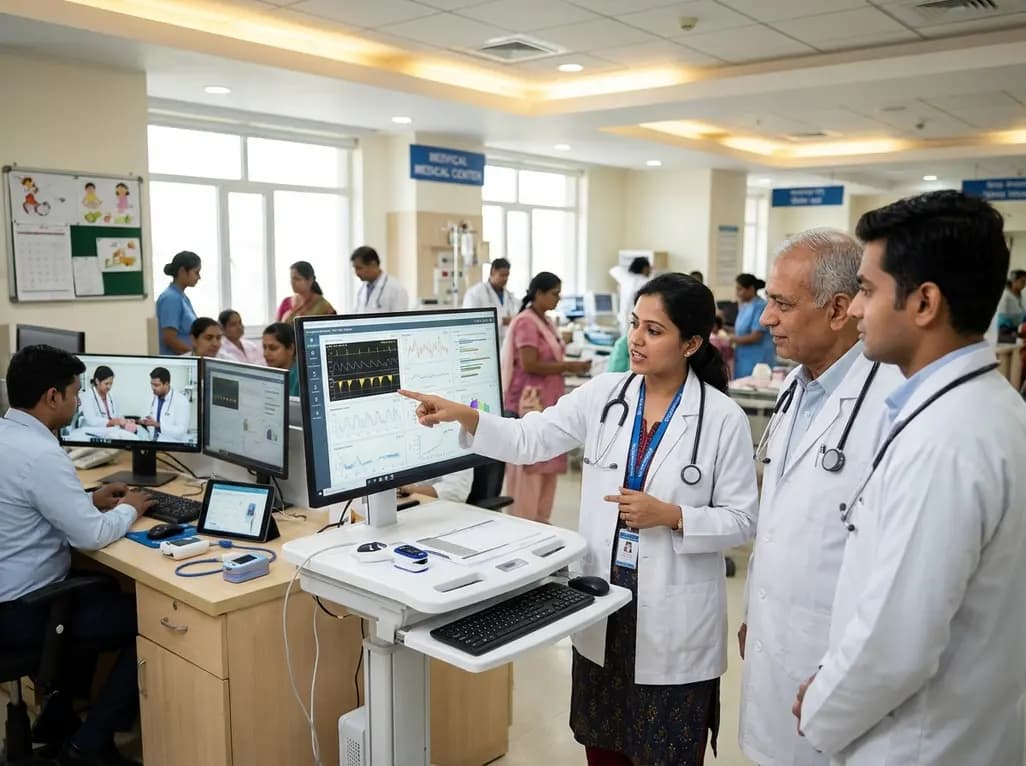
A landmark study details how an enterprise pediatric remote patient management model expanded from a single cardiology pilot to 16 diverse specialty programs by combining centralized digital operations with specialty clinical leadership.
Today

A comparative review of tension band wiring and intramedullary screw fixation in thumb metacarpophalangeal arthrodesis, evaluating union rates, hardware complications, and clinical outcomes.
Today
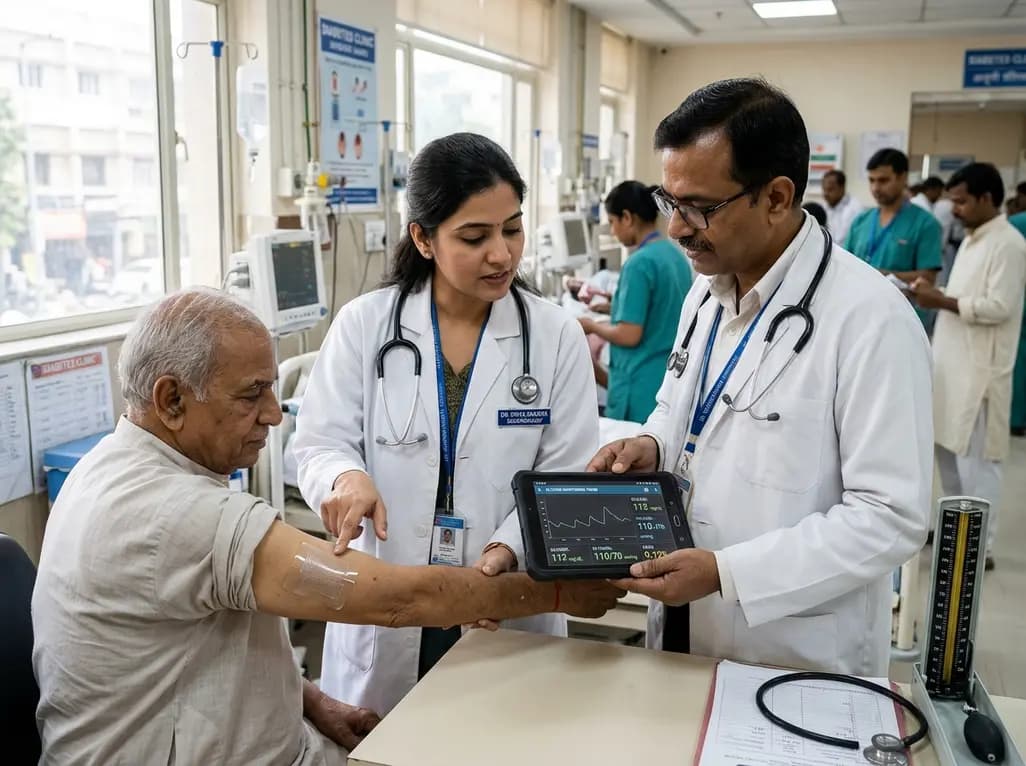
A breakthrough ultrathin multimodal sensor decouples physical hemodynamic monitoring from disposable electrochemical calibration, achieving long-term wearable glucose prediction with 81.36% accuracy and a 9.12% MARD. This offers a robust, drift-free solution for outpatient metabolic surveillance.
Today
