

Loading, please wait...
Loading, please wait...

Cardiovascular disease remains the leading cause of global disability and premature death. Within this spectrum, cerebrovascular accidents impose an overwhelming health burden. Consequently, researchers continue to explore modifiable nutritional factors that protect cerebral vasculature. Recent clinical investigations highlight the profound link between dietary fiber and stroke incidence. Historically, observational trials yielded conflicting perspectives regarding dietary macronutrient composition and vascular outcomes. However, modern epidemiological methodologies offer greater clarity. Scientists now integrate robust observational cohorts with genetic instrumental variables. This approach minimizes traditional confounding and reverse causation. Dietary fiber encompasses complex nondigestible carbohydrates derived from plant foods. These compounds fundamentally alter metabolic, lipid, and inflammatory pathways. Therefore, evaluating fiber consumption provides actionable strategies for stroke prevention. In addition, clinicians recognize that dietary modifications offer cost-effective, scalable interventions for diverse populations. As lifestyle patterns evolve globally, understanding the exact magnitude of nutritional protection becomes imperative. This analysis reviews new high-level evidence confirming the cerebrovascular benefits of regular fiber consumption. Furthermore, establishing a definitive causal relationship empowers healthcare providers to deliver evidence-based dietary recommendations. Ultimately, targeted nutritional optimization could alleviate the escalating worldwide burden of stroke.
To establish dependable conclusions, investigators analyzed data from the National Health and Nutrition Examination Survey spanning 1999 through 2018. This nationally representative dataset included 1,453 adult patients with verified stroke diagnoses. Researchers applied survey-weighted multivariate logistic regression models to assess stroke prevalence across varying fiber intake tiers. Furthermore, they conducted extensive subgroup analyses to account for demographic variables, socioeconomic characteristics, and underlying comorbidities. To evaluate long-term outcomes among stroke survivors, researchers utilized Kaplan-Meier survival analysis along with survey-weighted Cox proportional hazards regression models. Observational studies, however, frequently encounter unmeasured confounding and reverse causality. For instance, individuals consuming high-fiber diets often practice other positive health behaviors. Therefore, the researchers incorporated a two-sample Mendelian randomization framework. This technique uses genetic variants as natural instrumental variables to mimic randomized clinical trials. Specifically, the authors employed the inverse-variance weighted method to examine whether genetically determined fiber intake directly alters stroke susceptibility. The investigation followed strict reporting guidelines, including the STROBE and STROBE-MR statements. Consequently, this dual analytical approach delivers unprecedented scientific validity regarding nutritional epidemiology and cerebrovascular pathology.
The study yielded compelling epidemiological and genetic evidence. In the fully adjusted multivariable logistic regression model, dietary fiber intake exhibited a statistically significant negative association with stroke risk. Specifically, each increment in daily fiber consumption conferred a two percent reduction in stroke probability. When researchers divided participants into tertiles, adults in the highest consumption tertile demonstrated a twenty-nine percent risk reduction compared to the lowest tertile. Furthermore, dose-response modeling verified a stable, linear relationship across all consumption levels without an evident plateau. Beyond primary risk reduction, the investigation revealed remarkable survival advantages among individuals with established stroke. Kaplan-Meier survival curves indicated that stroke survivors who maintained higher fiber intake experienced significantly lower all-cause mortality over prolonged follow-up. In addition, the Mendelian randomization analysis provided critical corroboration of true causality. Genetically predicted fiber intake demonstrated a protective causal association against small vessel stroke subtypes. Notably, sensitivity analyses confirmed that pleiotropy did not bias these genetic estimates. Thus, the combined data clearly indicate that dietary fiber protects against initial cerebrovascular events while simultaneously improving secondary longevity among survivors.
Several physiological pathways explain how dietary fiber shields cerebral vasculature from ischemic and hemorrhagic injury. First, soluble fibers dissolve in water to form viscous gels within the digestive tract. This physical barrier delays gastric emptying and slows intestinal absorption of free fatty acids and glucose. Consequently, fiber consumption blunts postprandial glycemic excursions and enhances peripheral insulin sensitivity. Second, viscous fibers bind bile acids in the gut lumen, promoting their fecal elimination. As a result, hepatocytes convert circulating low-density lipoprotein cholesterol into bile acids, reducing systemic atherogenic lipoproteins. Lower atherogenic burden diminishes the formation of carotid and intracranial atherosclerotic plaques. Third, colonic anaerobic microbes ferment dietary fiber into biologically active short-chain fatty acids, primarily acetate, propionate, and butyrate. These metabolites enter the systemic circulation and stimulate G-protein coupled receptors on endothelial cells. Furthermore, short-chain fatty acids suppress systemic inflammation by downregulating nuclear factor kappa B signaling. This action reduces circulating levels of C-reactive protein and interleukin-6. Moreover, these microbial metabolites stimulate endothelial nitric oxide synthase, which preserves vascular tone and lowers blood pressure. Because arterial hypertension represents the preeminent risk factor for cerebrovascular events, blood pressure reduction provides profound neural protection.
Despite robust scientific consensus, substantial proportions of adult populations fail to meet minimum daily fiber benchmarks. Clinical guidelines typically advise healthy adults to consume between twenty-five and thirty-five grams of dietary fiber daily. However, modern diets heavily feature ultra-processed foodstuffs devoid of natural roughage. Therefore, primary care clinicians and neurologists must actively incorporate dietary counseling into routine consultations. Clinicians should encourage patients to consume diverse whole foods rather than relying exclusively on processed nutritional supplements. Whole grains, legumes, cruciferous vegetables, nuts, and fresh fruits provide synergistic mixtures of soluble and insoluble fibers. Furthermore, clinicians managing stroke survivors must prioritize dietary quality during outpatient rehabilitation. Enhancing fiber intake supports post-stroke glycemic stabilization and healthy weight management. These metabolic improvements decrease secondary cerebrovascular recurrences and long-term cardiovascular mortality. When counseling patients, practitioners should recommend gradual dietary changes alongside adequate oral hydration. Sudden increases in fiber consumption may provoke transient abdominal distension, flatulence, and gastrointestinal discomfort. Accordingly, a progressive titration schedule enhances patient adherence and long-term tolerability. Multidisciplinary collaboration involving registered dietitians ensures personalized interventions that respect cultural food preferences while achieving therapeutic nutritional targets.
Dietary fiber reduces stroke risk by improving systemic metabolic control and endothelial function. It binds intestinal bile acids to lower atherogenic low-density lipoprotein cholesterol. Furthermore, microbial fermentation of fiber yields short-chain fatty acids that suppress vascular inflammation and lower arterial blood pressure, mitigating the primary physiological drivers of cerebral vascular occlusion.
Dietary fiber cannot replace standard pharmacological therapies prescribed for secondary stroke prevention. Patients must strictly continue antiplatelet agents, antihypertensives, and statins as prescribed. However, dietary fiber serves as an essential nonpharmacological adjunct that enhances lipid clearance, improves glycemic stability, and reduces long-term mortality when combined with standard medical management.
Major cardiovascular and nutritional authorities recommend consuming twenty-five to thirty-five grams of dietary fiber daily for optimal vascular health. Patients should achieve this intake by eating diverse natural whole grains, legumes, vegetables, and whole fruits. Individuals increasing fiber should titrate intake gradually and maintain adequate fluid consumption to prevent gastrointestinal discomfort.
Disclaimer: This content is for informational and educational purposes only... Refer to the latest local and national guidelines for clinical practice.
References

Read summarized clinical updates, watch expert medical content, and earn CME certifications right from your smartphone.
Open your smartphone camera to scan and install.





A landmark study combining NHANES data and Mendelian randomization demonstrates that increased dietary fiber intake significantly reduces stroke incidence and all-cause mortality among stroke survivors, establishing a genetically supported causal protective effect against small vessel ischemic stroke.
Today

A 2026 cohort study in Turku University Hospital reveals that specialist palliative care for end-stage liver disease dramatically reduces emergency department visits in the final month of life (48.8% vs 74.1%) and prevents deaths in acute tertiary wards, supporting early integration in decompensated cirrhosis.
Today

A recent survey reveals significant gaps in antenatal providers' adherence to pregnancy oral health guidelines despite positive attitudes. Integrating regular oral screenings, clinician education, and interprofessional dental referrals during prenatal care is crucial to prevent adverse pregnancy outcomes.
Today

A cross-sectional study in Bangladesh demonstrates that an explainable stacking ensemble machine learning model achieves 98.37% accuracy in cardiovascular disease detection. Using local clinical and behavioral data, the model highlights cholesterol, rhythm abnormalities, and blood pressure as leading predictors.
Today
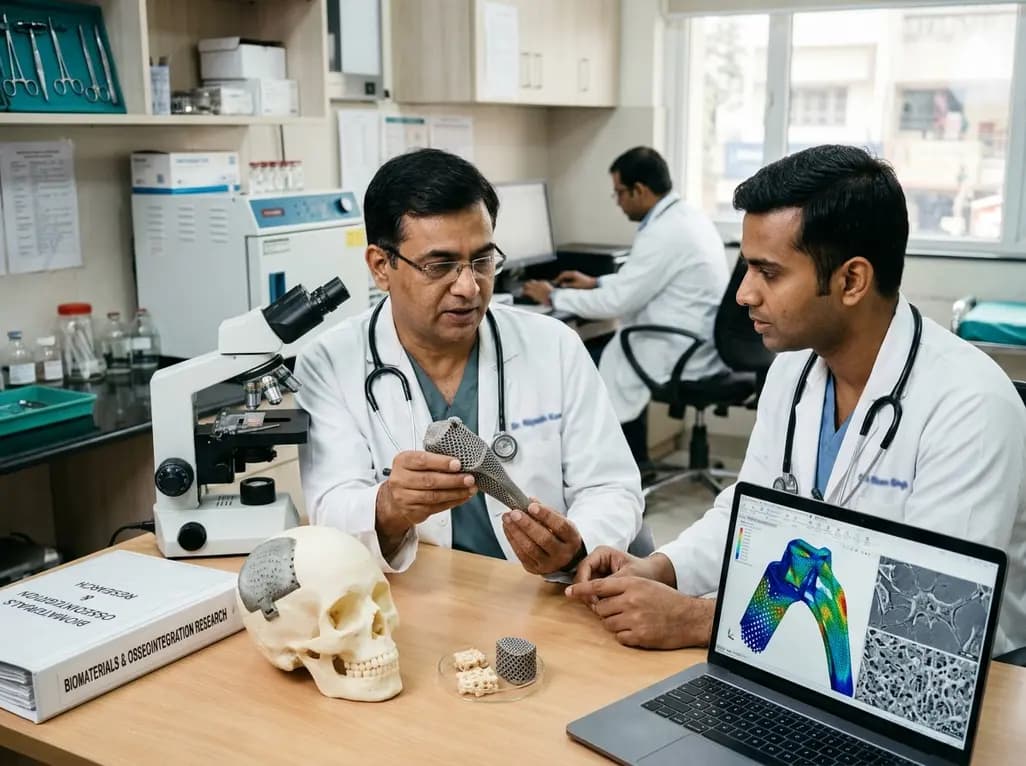
Laser-based powder bed fusion of Ti6Al4V enables custom orthopedic implants. Recent research reveals that heat treatment modulates ductility and wettability, while surface powder morphology drives mesenchymal cell attachment, highlighting crucial design factors for long-term osseointegration.
Today

A multicenter study evaluated the CL-2600i immunochemistry analyzer across 640 serum samples, testing endocrinology, infectious disease serology, sepsis markers, and fertility panels. The system demonstrated high analytical trueness, repeatable results with CVs under 5%, and strong correlation with routine platforms.
Today
