.webp&w=384&q=75)

Loading, please wait...
Loading, please wait...

Understanding the developmental origins of emotional and behavioral disparities is fundamental for proactive pediatric care. Historically, clinical research has documented elevated rates of affective disorders among sexual and gender minority adolescents. However, clinicians often lack longitudinal evidence tracking these patterns from late childhood into early adolescence. A comprehensive study utilizing data from the Adolescent Brain Cognitive Development (ABCD) Study has addressed this critical gap. The findings illuminate how LGBTQ+ youth mental health trajectories diverge from cisgender and heterosexual peers starting as early as age nine. Consequently, these insights provide pediatricians and psychiatrists with vital benchmarks to identify at-risk youth before psychological difficulties intensify.
The investigation utilized longitudinal data from the nationwide ABCD Study, tracking a cohort of 11,878 youth across four assessment waves between the ages of 9/10 and 12/13. Researchers evaluated both internalizing distress, including anxiety and depressive symptoms, and externalizing behaviors, such as impulsivity and conduct challenges. Using linear mixed-effects models, the investigators compared developmental pathways between LGBTQ+ youth and their non-LGBTQ+ peers. Additionally, the analysis examined disaggregated sexual and gender identity subgroups to capture nuanced behavioral patterns. Because the ABCD Study evaluates diverse sociodemographic populations across childhood, it offers unprecedented statistical power. Therefore, the results provide robust estimates of how behavioral problems emerge during the transition into early adolescence.
The study demonstrated that sexual and gender minority youth display significantly higher baseline internalizing symptoms at ages 9 and 10 compared with their non-LGBTQ+ peers. More importantly, these internalizing difficulties escalated at a substantially faster rate as participants matured into adolescence. Statistical modeling confirmed a baseline elevation (β = 0.18, 95% CI [0.13, 0.22]) alongside an accelerated temporal increase (β = 0.10 [0.08, 0.11]). Consequently, emotional distress in this population represents a compounding developmental challenge rather than a temporary phase. Clinicians must recognize that early manifestations of anxiety or withdrawal frequently herald escalating depressive distress. Therefore, routine surveillance for mood symptoms during routine health maintenance visits remains essential.
Unlike internalizing problems, externalizing behaviors among sexual and gender minority children have received less longitudinal attention in pediatric research. Notably, this investigation identified higher baseline externalizing behaviors among LGBTQ+ youth at age 9/10 compared to heterosexual and cisgender counterparts (β = 0.18 [0.13, 0.23]). However, the subsequent rate of increase across adolescence was modest (β = 0.03 [0.01, 0.04]). This early behavioral difference suggests that environmental stressors, social rejection, and minority stress may manifest early as behavioral reactivity or interpersonal friction. In contrast to assumptions that externalizing behaviors escalate sharply during puberty, the trajectory remained relatively stable over time. Thus, early behavioral challenges warrant supportive developmental assessment rather than punitive measures.
These empirical trajectories underscore the urgent necessity of integrating proactive psychological screening into routine clinical consultations. Pediatricians, general practitioners, and family physicians frequently serve as the first contact point for struggling children. Consequently, clinicians must establish open, nonjudgmental clinical environments where young patients feel secure discussing identity concerns. Additionally, screening tools such as the Pediatric Symptom Checklist or the Patient Health Questionnaire should be administered systematically starting in late childhood. When practitioners detect elevated internalizing or externalizing symptoms early, they can coordinate timely, affirmative psychosocial interventions. Ultimately, mitigating stigma and supporting family acceptance significantly attenuates adverse behavioral trajectories in vulnerable youth.
Healthcare teams must adopt culturally competent protocols that actively affirm diverse sexual orientations and gender identities. First, clinics should implement confidential charting practices and ask about chosen names and pronouns with sensitivity. Second, providers must recognize the co-occurrence of internalizing and externalizing presentations, treating disruptive behaviors as potential indicators of distress. Third, clinicians should actively educate parents regarding the protective value of affirmative home environments. Furthermore, establishing collaborative referral networks with child psychiatrists, adolescent psychologists, and community support groups ensures comprehensive continuity of care. By combining systematic screening with compassionate communication, medical practitioners can prevent the compounding escalation of emotional morbidity throughout adolescence.
Research from the ABCD Study demonstrates that behavioral disparities are detectable as early as age nine or ten. LGBTQ+ youth present with measurably higher internalizing distress and externalizing behaviors during late childhood. Moreover, emotional distress accelerates as these children transition into puberty. Consequently, pediatric clinicians must not delay behavioral screening until mid-adolescence, but should actively monitor emotional well-being beginning in preadolescent visits.
Internalizing symptoms accelerate rapidly because minority stress, peer victimisation, and social isolation tend to intensify during early puberty. As youth develop greater self-awareness of their minority status, anticipation of rejection fuels heightened anxiety and depressive withdrawal. Conversely, while externalizing behaviors manifest early as immediate stress responses, internalizing distress compounds cumulatively over time, demanding targeted psychiatric and psychotherapeutic support.
Pediatricians can support youth by creating confidential, affirming clinical settings and utilizing validated screening tools for depression and anxiety. Clinicians should validate the child's identity, provide supportive counseling, and assess the family's level of acceptance. Additionally, physicians should facilitate timely referrals to adolescent mental health specialists when symptoms arise, ensuring comprehensive, trauma-informed care that mitigates worsening psychological distress.
Disclaimer: This content is for informational and educational purposes only, and should not be taken as professional medical advice. It is not intended to replace consultation with a qualified healthcare provider. While we strive to ensure that the information presented is accurate and up to date, medical knowledge is constantly evolving, and individual cases may vary. Readers are encouraged to confirm the information with other reliable sources and to seek appropriate medical attention for any concerns. Any reliance on the material provided is at the reader's own discretion. Refer to the latest local and national guidelines for clinical practice.
References
Santos J et al. Developmental trajectories of internalizing and externalizing behaviors in LGBTQ+ youth in the ABCD Study. Dev Psychopathol. 2026 Oct 06. doi: 10.1017/S0954579426102053. PMID: 42834874.
Potter AS, Dube SL, Barrios LC, et al. Measurement of gender and sexuality in the Adolescent Brain Cognitive Development (ABCD) study. J Child Psychol Psychiatry. 2022;63(4):475-485.
Russell ST, Fish JN. Mental Health in Lesbian, Gay, Bisexual, and Transgender (LGBT) Youth. Annu Rev Clin Psychol. 2016;12:465-487.

Read summarized clinical updates, watch expert medical content, and earn CME certifications right from your smartphone.
Open your smartphone camera to scan and install.





A longitudinal analysis of 11,878 participants in the ABCD Study reveals that LGBTQ+ youth face elevated internalizing distress that accelerates into adolescence, as well as distinct early externalizing behavioral trajectories. These findings emphasize the urgent need for early screening and affirmative pediatric care.
Today

A landmark biomonitoring study reveals that chronic pesticide exposure significantly alters buccal microRNA expression and increases micronucleus frequency in agricultural workers. These findings uncover actionable molecular signatures of oxidative stress, inflammation, and genomic instability.
Today
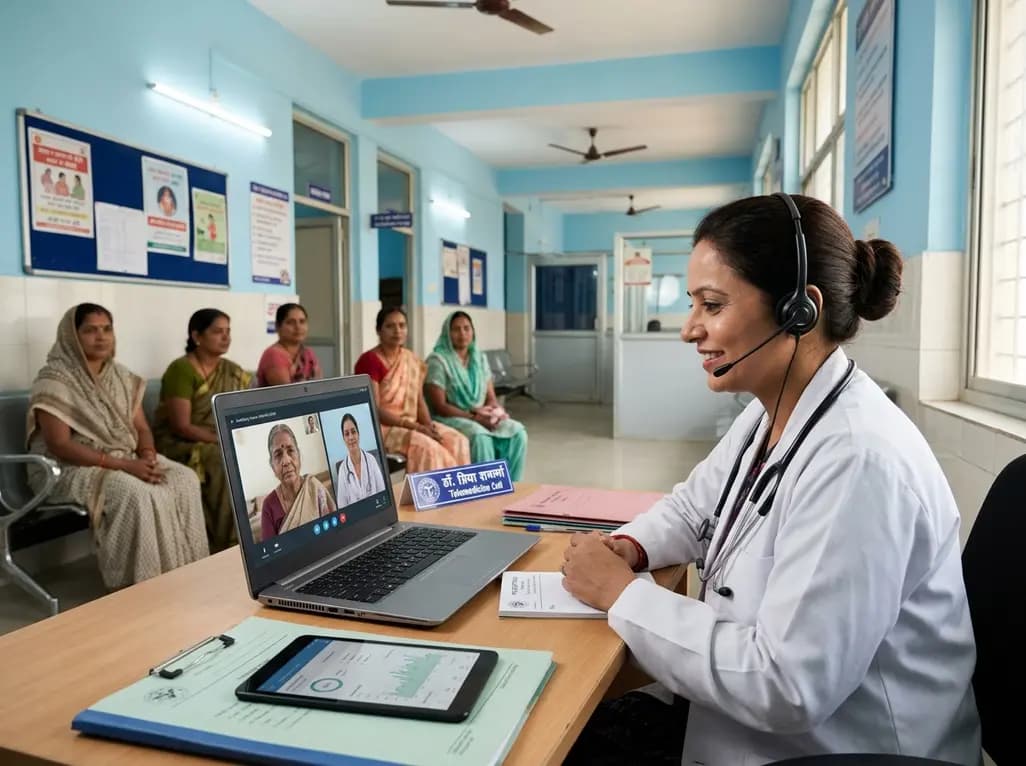
India's national digital health service achieved a historic milestone of fifty crore virtual consultations. Notably, female patients account for over fifty-seven percent of utilisation, demonstrating improved healthcare accessibility for remote communities, chronic disease management, and primary triage.
Today
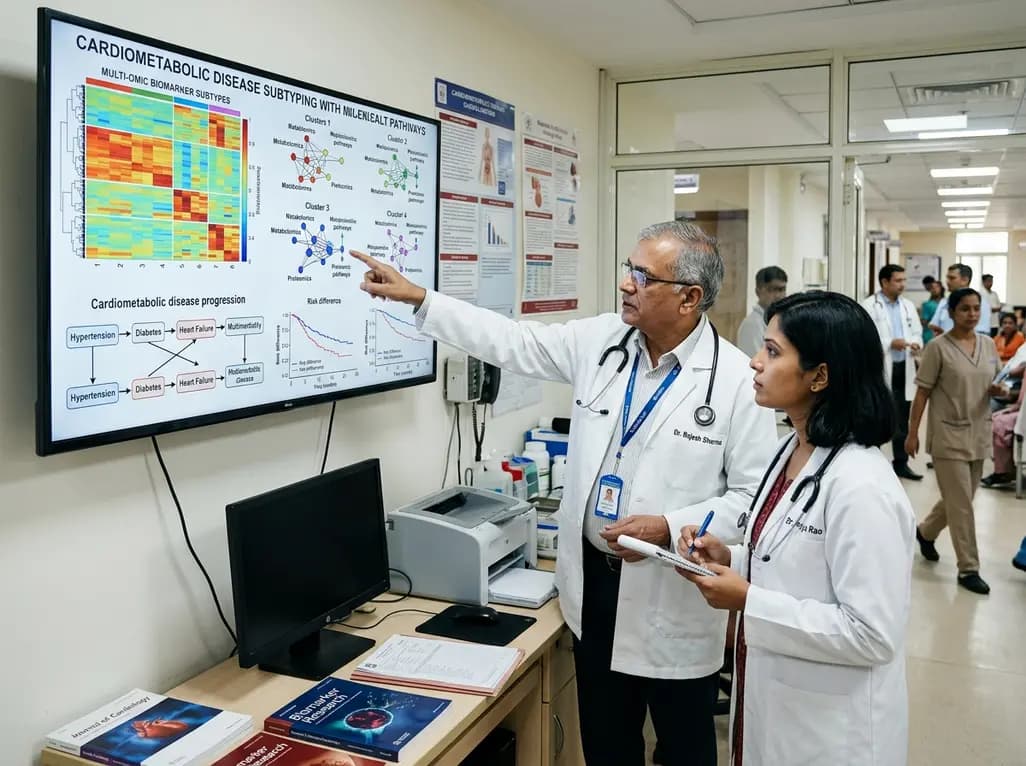
A large UK Biobank study identified four routine biomarker subtypes that predict cardiometabolic disease progression to multimorbidity. Integrating multi-state modelling, metabolomics, and proteomics revealed distinct biological pathways, offering new avenues for tailored clinical risk stratification.
Today

Dual-nanofiber interpenetrating network scaffolds combining silica and PLLA/gelatin nanofibers with sodium alginate achieve complementary mechanical stability, immunomodulatory M2 macrophage polarization, and enhanced osteogenesis for advanced bone repair.
Today

Researchers at IISER Berhampur have engineered a covalent organic framework immunosensor that detects urinary NGAL. This novel nanotechnology platform distinguishes diabetic nephropathy from other renal conditions, enabling rapid, minimally invasive stratification and earlier clinical intervention for patients.
Today
