

Loading, please wait...
Loading, please wait...
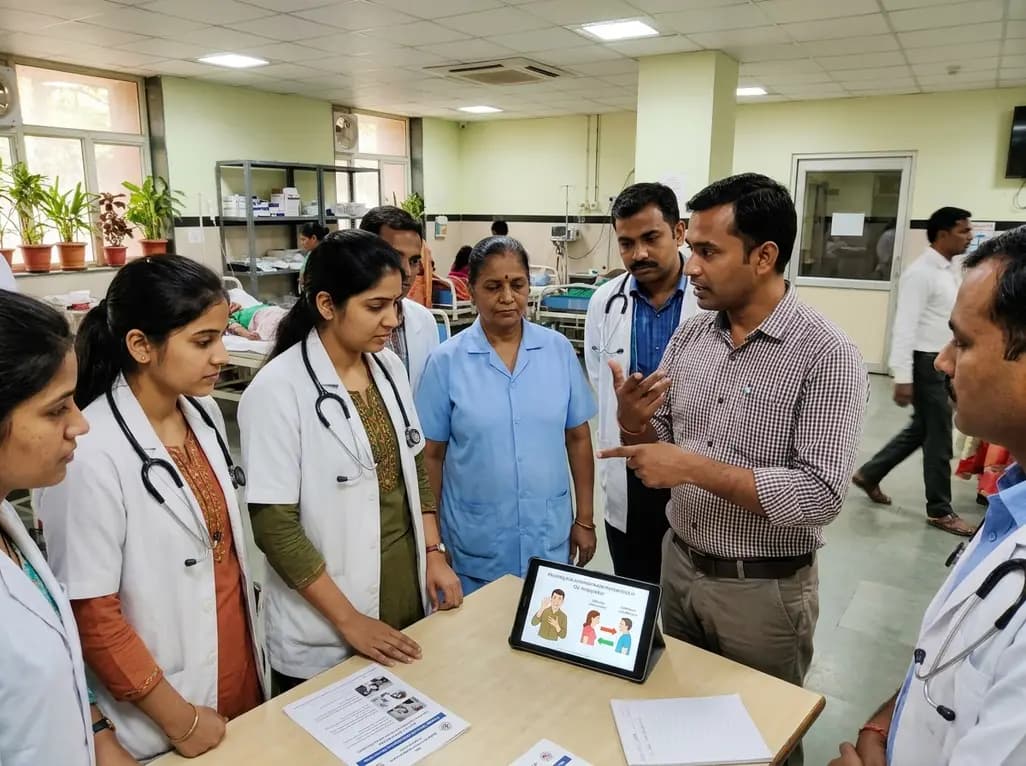
Emergency departments operate under relentless time pressures where clear communication determines diagnostic accuracy, patient safety, and clinical outcomes. However, D/deaf patients routinely experience acute communication barriers during triage and resuscitation. These systemic failures often lead to medical errors, psychological distress, and prolonged hospital stays. Implementing structured Deaf awareness training offers a transformative pathway to bridge these critical clinical gaps. By educating acute care staff on Deaf cultural-linguistic identities, healthcare organizations can foster inclusive environments, eliminate procedural confusion, and promote equitable emergency care.
Historically, medical professionals have viewed hearing impairment strictly through a pathological lens that focuses primarily on audiological deficits. However, the D/deaf community embraces a distinct cultural-linguistic identity centered on shared language, collective history, and visual communication. In clinical terminology, a lowercase "d" denotes audiological status, whereas a capitalized "D" designates individuals who actively belong to Deaf culture and use signed languages. Therefore, emergency clinicians must recognize that treating a D/deaf patient requires much more than simply writing notes or speaking louder.
Furthermore, relying on written English or lip-reading during high-acuity encounters introduces significant safety hazards. Many culturally Deaf individuals communicate primarily through signed languages, such as American Sign Language or Indian Sign Language, which have unique syntax independent of spoken tongues. Written discharge instructions or rapid oral explanations frequently obscure critical clinical warnings. In addition, acute illness, pain, and anxiety drastically diminish any residual ability to lip-read unfamiliar medical jargon. Consequently, acute care teams must move beyond hearing aids or cochlear implants to appreciate the visual, linguistic, and cultural context of each patient. This shift in perspective ensures dignity and mutual respect across every consultation.
Conventional hospital diversity modules often treat disability education as an abstract compliance exercise without direct community engagement. In contrast, Deaf-led Deaf awareness training directly immerses healthcare workers in authentic lived experiences, highlighting systemic oversights that clinicians frequently miss. Recent qualitative investigations demonstrate that emergency department personnel harbor substantial blind spots regarding basic communication etiquette. Before receiving structured education, staff members frequently report feeling unprepared, anxious, and ill-equipped to triage non-hearing patients safely.
Fortunately, learning directly from Deaf educators produces immediate improvements in clinician empathy and practical readiness. Emergency physicians and triage nurses gain firsthand insight into how systemic indifference exacerbates patient fear during acute illnesses. Furthermore, training sessions provide tactical instruction on visual signaling, respectful physical positioning, and proper body orientation. Participants learn to maintain consistent eye contact, avoid obscuring facial expressions, and secure appropriate attention through gentle visual or tactile cues. As a result, acute care clinicians abandon outdated assumptions and embrace communication techniques that respect patient autonomy. Ultimately, empowering Deaf educators to lead hospital curriculum shifts institutional attitudes from passive awareness to active advocacy and patient-centered collaboration.
Individual provider awareness represents only one pillar of an accessible healthcare delivery system. Unfortunately, severe organizational hurdles continue to disrupt the delivery of safe emergency medical care. Dedicated on-site sign language interpreters remain scarce across many healthcare facilities, particularly during night shifts or rural admissions. Although video remote interpreting technology offers a flexible alternative, poor internet connectivity, hardware malfunctions, and rigid equipment placements frequently render digital interpretation useless.
Moreover, hospital administrative workflows often fail to flag communication preferences during the initial triage phase. When registration systems omit these linguistic indicators, downstream providers remain unaware of specialized interpretation needs until clinical delays have already occurred. Consequently, patients spend unnecessary hours isolated in treatment rooms without understanding their diagnostic workups or therapeutic regimens. Furthermore, emergency departments frequently neglect the physical environment, maintaining ambient visual distractions and poor lighting that severely hinder visual conversations. To eliminate these systemic impediments, hospital leadership must establish seamless interpreter pathways, invest in reliable digital infrastructure, and mandate standardized intake documentation. Healthcare institutions must guarantee that communication accessibility functions as an indispensable core standard of care rather than an optional administrative accommodation.
Establishing effective communication during medical emergencies requires acute care teams to adopt standardized, multi-tiered protocols. First, clinicians should identify and document the patient's preferred communication method immediately upon emergency department arrival. If the individual uses sign language, staff must immediately request a certified medical interpreter rather than relying on family members or ad-hoc gestures. Involving untrained relatives compromises patient confidentiality, causes diagnostic misunderstandings, and places an unfair emotional burden on loved ones.
While waiting for professional interpretation, providers should utilize clear visual tools to reduce anxiety and convey urgent instructions. For instance, verified medical communication boards, pictorial pain scales, and interactive digital applications can assist basic triage assessments. Furthermore, clinicians must ensure direct line-of-sight positioning, keeping their faces fully visible under adequate illumination without obstructive personal protective equipment whenever safely possible. When interacting through an interpreter, physicians must speak directly to the patient rather than addressing the interpreter. Consequently, maintaining eye contact with the patient reaffirms their clinical partnership and validates their decision-making authority. Applying these systematic practices prevents diagnostic errors and safeguards informed consent across acute care settings.
Isolated, one-time educational seminars rarely produce lasting behavioral change in demanding emergency department environments. Instead, healthcare organizations must embed comprehensive Deaf cultural competencies into mandatory annual orientations and clinical credentialing pathways. Training programs should include simulated triage scenarios, protocol drills for securing medical interpreters, and debriefing sessions led by Deaf community liaisons. Furthermore, nursing and medical leadership must periodically audit communication access metrics to measure systemic compliance and identify persistent operational vulnerabilities.
In addition, emergency medicine residency programs and nursing curricula should integrate deaf health education pathways early in clinical training. Exposing trainees to linguistic human rights principles ensures that future healthcare leaders recognize accessibility as a legal and ethical imperative. When emergency clinicians understand the profound intersection between communication access and health equity, patient outcomes improve substantially. Moreover, regular interprofessional discussions help clinical units refine their assistive communication toolkits and reinforce culturally safe habits. Ultimately, continuous professional education empowers emergency medical teams to provide swift, respectful, and life-saving care to every patient, regardless of linguistic background or audiological profile.
Family members often lack rigorous medical terminology training, which significantly increases the risk of critical diagnostic misinterpretations during emergencies. In addition, relying on relatives violates patient confidentiality and autonomy under healthcare regulations. Professional medical interpreters deliver objective, linguistically accurate translation while preserving patient privacy. Consequently, healthcare organizations must prioritize certified interpreters to guarantee clinical precision, protect informed consent, and maintain legal compliance throughout treatment.
The medical model categorizes hearing loss solely as a physical impairment requiring audiological correction or assistive devices. In contrast, Deaf culture views individuals through a cultural-linguistic framework defined by visual communication, shared community values, and unique signed languages. Recognizing this distinction is vital for clinicians because effective medical care requires cultural respect, visual communication adjustments, and professional linguistic accommodations rather than simply treating an audiological condition.
Emergency nurses should immediately establish the patient's preferred communication method and document it within the electronic health record. If the patient utilizes sign language, staff must contact a qualified medical interpreter right away without delay. Furthermore, nurses should optimize visual conditions by ensuring good lighting, facing the patient directly, minimizing background clutter, and employing validated visual communication boards until the professional interpreter arrives.
Disclaimer: This content is for informational and educational purposes only... Refer to the latest local and national guidelines for clinical practice.
References
Hazelwood S et al. Emergency Department Staff Perspectives on Deaf Culture and Communication Following Deaf-led Deaf Awareness Training: A Qualitative Content Analysis. J Emerg Nurs. 2026 Nov 27. doi: undefined. PMID: 43106224.
James TG, Coady KA, Stacciarini JR, et al. "They're Not Willing To Accommodate Deaf patients": Communication Experiences of Deaf American Sign Language Users in the Emergency Department. Qual Health Res. 2022;32(1):14-26.
McKee MM, Winters PC, Sen A, et al. Emergency Department Utilization Among Deaf American Sign Language Users. J Am Board Fam Med. 2015;28(5):603-611.

Read summarized clinical updates, watch expert medical content, and earn CME certifications right from your smartphone.
Open your smartphone camera to scan and install.





Explore how Deaf-led Deaf awareness training in the emergency department transforms clinician perspectives, bridges communication barriers, and establishes effective interpreter pathways for D/deaf patients to enhance patient safety and healthcare equity.
Today

Arteriovenous graft failure often stems from recurrent intragraft stenosis driven by cannulation injury. A 5-year study evaluates interwoven nitinol stents, demonstrating robust target lesion patency, crush resistance, and access circuit salvage in failing hemodialysis grafts.
Today
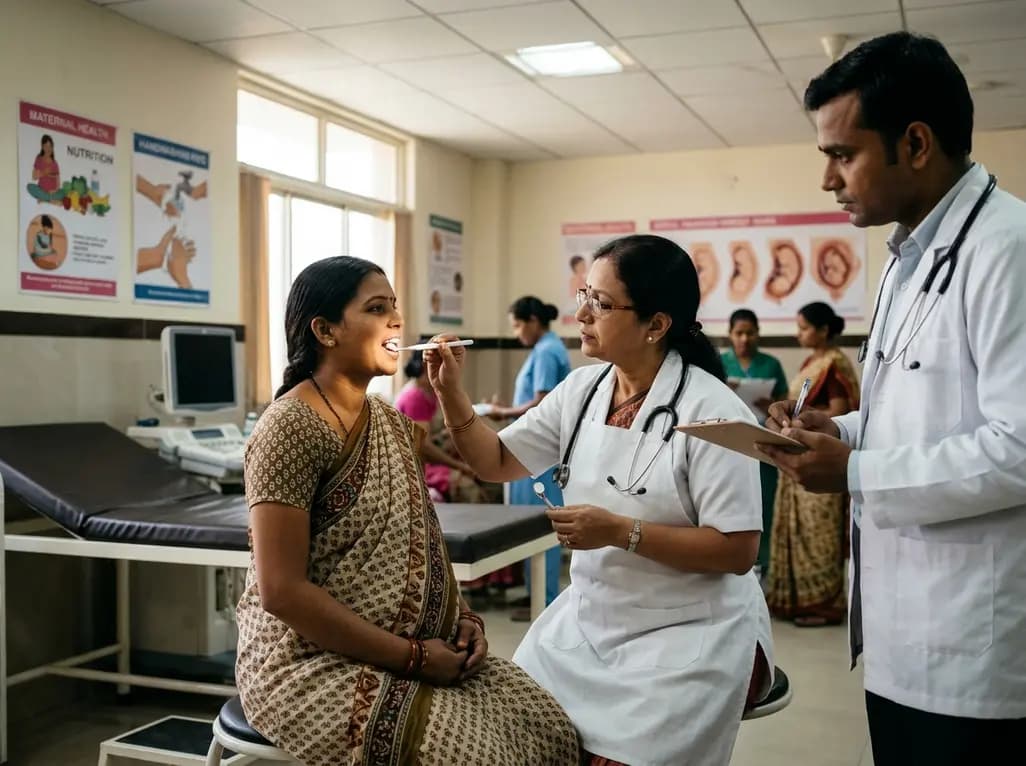
A recent survey reveals significant gaps in antenatal providers' adherence to pregnancy oral health guidelines despite positive attitudes. Integrating regular oral screenings, clinician education, and interprofessional dental referrals during prenatal care is crucial to prevent adverse pregnancy outcomes.
Today
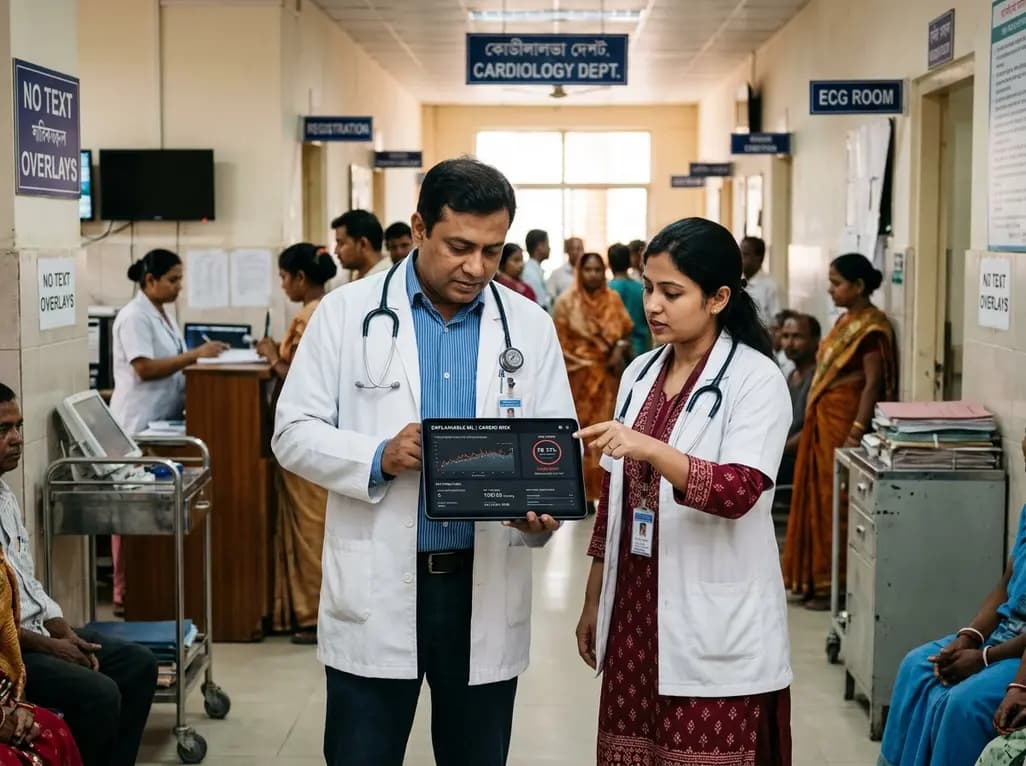
A cross-sectional study in Bangladesh demonstrates that an explainable stacking ensemble machine learning model achieves 98.37% accuracy in cardiovascular disease detection. Using local clinical and behavioral data, the model highlights cholesterol, rhythm abnormalities, and blood pressure as leading predictors.
Today
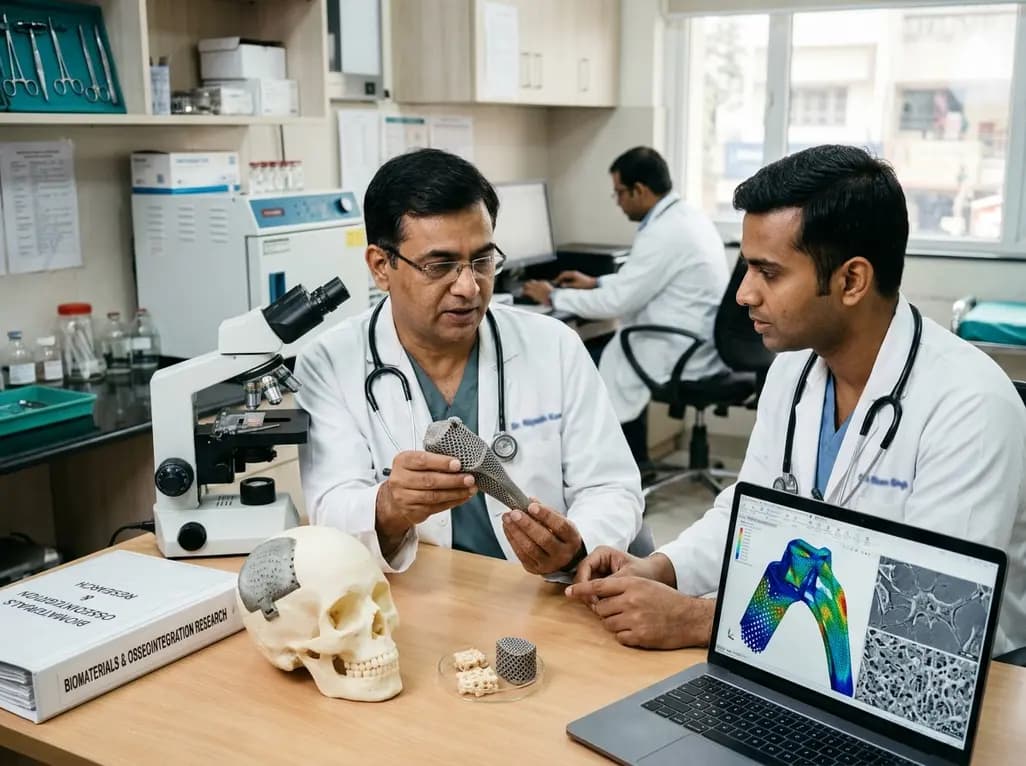
Laser-based powder bed fusion of Ti6Al4V enables custom orthopedic implants. Recent research reveals that heat treatment modulates ductility and wettability, while surface powder morphology drives mesenchymal cell attachment, highlighting crucial design factors for long-term osseointegration.
Today
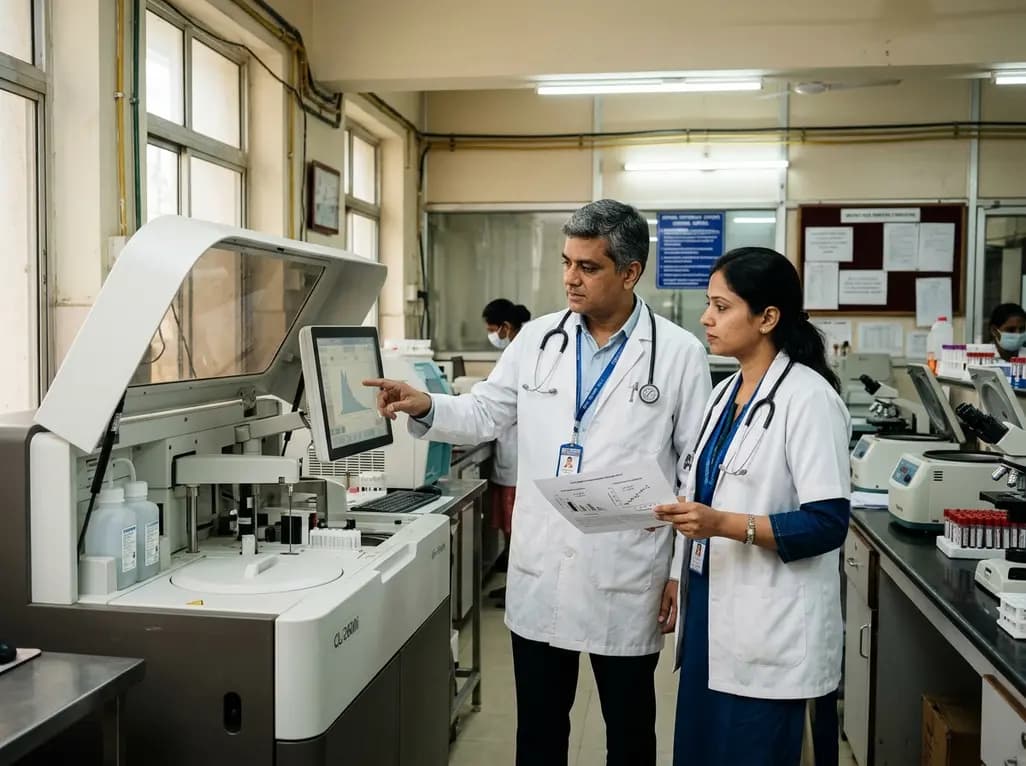
A multicenter study evaluated the CL-2600i immunochemistry analyzer across 640 serum samples, testing endocrinology, infectious disease serology, sepsis markers, and fertility panels. The system demonstrated high analytical trueness, repeatable results with CVs under 5%, and strong correlation with routine platforms.
Today
