.webp&w=384&q=75)

Loading, please wait...
Loading, please wait...
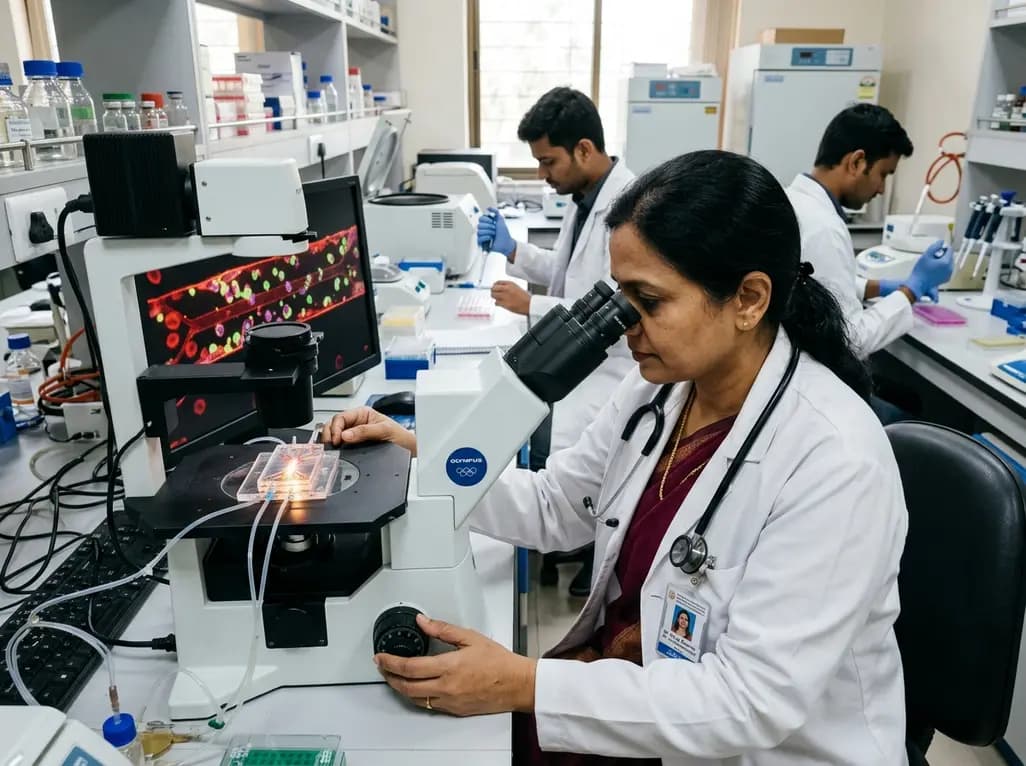
Understanding innate host defense against invasive pathogens remains an essential clinical priority. Traditionally, physicians regarded bone marrow as the sole producer of mature leukocytes during infection. However, emerging translational research demonstrates that cutaneous extramedullary hematopoiesis provides rapid cellular reinforcement directly within inflamed tissues. By deploying an innovative human skin-on-a-chip microphysiological model, researchers proved that circulating stem cells actively participate in barrier defense inside peripheral vessels. Consequently, this biological discovery reshapes conventional immunology and uncovers exciting therapeutic strategies for resistant infections.
The historical doctrine of hematology assumes that hematopoietic progenitor cells differentiate strictly within central medullary niches. Nevertheless, severe clinical infections frequently induce emergency granulopoiesis within peripheral organs. Investigating these cellular dynamics in human tissues previously presented immense obstacles because static cell cultures fail to reproduce physiological blood flow. To overcome these limitations, bioengineers constructed a perfusable microphysiological skin platform that accurately mirrors native cutaneous architecture. Specifically, the microfluidic device incorporates three interconnected layers: an endothelial vascular channel, a fibroblast-populated dermal matrix, and a stratified keratinocyte epidermis. This configuration allows investigators to introduce living human cells under continuous hemodynamic shear stress. When researchers infused hematopoietic progenitor cells into the vascular channels, they tracked cell recruitment under real-time microscopic imaging. Furthermore, this dynamic platform maintains viable tissue interactions for extended experimental periods. As a result, the platform bridges a longstanding gap between animal models and human pathophysiology. Clinicians gain unprecedented clarity into local immune cell trafficking.
Vascular endothelial cells orchestrate leukocyte recruitment during inflammatory challenges by dynamically regulating surface adhesion molecules. In the microfluidic device, researchers exposed the endothelium to pro-inflammatory cytokines and microbial toll-like receptor 2 agonists. Consequently, this inflammatory stimulus drove substantial upregulation of ICAM-1 and VCAM-1 across the endothelial surface. This biochemical activation markedly enhanced the capture of circulating neutrophils and hematopoietic progenitor cells from fluid flow. Interestingly, subsequent tracking demonstrated a remarkable dichotomy in cell migration behavior. While mature neutrophils underwent rapid transendothelial migration into the dermal compartment, immature progenitor cells remained confined to the vascular niche. Therefore, the activated endothelium acts as an intelligent gatekeeper during microbial invasion. It permits mature effector leukocytes to infiltrate deep dermal layers to attack pathogens. Meanwhile, the endothelium deliberately retains progenitor cells within the vascular lumen. In addition, this physical compartmentalization shields vulnerable stem cells from stromal enzymes. Thus, the inflamed vascular lining establishes a specialized microenvironment dedicated to coordinated host defense.
Within classical bone marrow niches, the stromal cell-derived factor-1 and chemokine receptor CXCR4 signaling axis anchors hematopoietic stem cells. When clinicians administer CXCR4 antagonists, stem cells mobilize rapidly into the systemic circulation. Because this chemokine network dictates marrow retention, researchers initially hypothesized that cutaneous vascular anchoring would similarly depend on local SDF-1 signaling. However, rigorous functional evaluations on the skin-on-a-chip platform disproved this initial hypothesis. Progenitor cells adhered tenaciously to the inflamed human vascular lining even during complete pharmacological blockade of CXCR4 receptors. Moreover, the cells sustained robust adhesion despite continuous hemodynamic shear forces within the microfluidic channel. Investigators observed that firm tethering depends directly on endothelial adhesion molecules rather than conventional chemokine gradients. Consequently, inflamed cutaneous blood vessels function as autonomous cellular niches capable of retaining circulating stem cells during peripheral inflammation. This autonomous capability provides vital redundancy during overwhelming systemic infections when cytokines disrupt marrow chemokine gradients. Therefore, peripheral vessels retain critical immune reserves precisely when host defenses face severe depletion.
The vascular anchoring of hematopoietic progenitors prompts significant clinical interest regarding whether these cells actively differentiate at peripheral sites. In conventional haematological theory, terminal neutrophil differentiation requires complex bone marrow stromal interactions. Nevertheless, when researchers delivered granulopoietic growth factors through the microfluidic channel, retained progenitors differentiated directly inside the vascular niche. Without migrating across the endothelium, these anchored stem cells matured into polymorphonuclear-like leukocytes. Transcriptomic analyses confirmed that the newly differentiated cells exhibited pathogen-responsive gene expression profiles typical of mature neutrophils. Furthermore, flow cytometry identified key phenotypic markers indicating complete granulocytic development. Crucially, functional assays verified that these locally generated neutrophils execute robust phagocytosis against bacterial challenge. This finding provides the first conclusive evidence in an authentic human model that peripheral vascular niches actively produce competent immune cells. As a result, peripheral tissues do not merely recruit pre-existing leukocytes from central reservoirs. Instead, inflamed vascular networks serve as decentralized manufacturing hubs for effector leukocytes during acute microbial challenge.
Widespread antibiotic resistance poses a severe threat to dermatology and surgical care, especially when treating complex soft-tissue infections. Methicillin-resistant Staphylococcus aureus and multi-drug-resistant Gram-negative organisms frequently elude standard antimicrobial regimens. Because novel antimicrobial development remains slow, clinicians require innovative biological approaches that amplify host innate immunity. The demonstration of intravascular granulopoiesis offers an attractive blueprint for targeted cell-based therapies. For example, clinicians could harvest autologous progenitor cells and deliver them locally alongside selective differentiation factors. Consequently, these targeted infusions could generate high concentrations of bactericidal neutrophils directly within infected capillary beds. Furthermore, this approach avoids systemic adverse effects, such as cytokine storm syndromes, by confining cellular differentiation to local tissue beds. In addition, stimulating local granulopoiesis could overcome neutrophil dysfunction frequently observed in patients with diabetes or severe burns. Thus, harnessing peripheral hematopoietic niches represents a groundbreaking strategy to eradicate drug-resistant bacterial biofilms. As biotechnology continues to refine microfluidic platforms, researchers can tailor personalized cellular immunotherapies to counteract antimicrobial resistance.
Circulating hematopoietic stem and progenitor cells adhere to inflamed cutaneous blood vessels through specific endothelial adhesion molecules, notably ICAM-1 and VCAM-1. When exposed to local pro-inflammatory cytokines or microbial ligands, endothelial cells substantially upregulate these surface receptors. Surprisingly, this vascular retention occurs independently of classical SDF-1 and CXCR4 chemokine signaling. The captured stem cells remain firmly anchored within the vascular lumen despite hemodynamic shear forces, creating a specialized niche for rapid immune responsiveness.
Yes, retained hematopoietic progenitors can undergo complete granulopoiesis directly within the peripheral vascular niche when exposed to granulopoietic growth factors. In this human microfluidic model, anchored progenitors transformed into polymorphonuclear-like cells without infiltrating the dermal stroma. Furthermore, transcriptomic and phenotypic analyses revealed that these locally differentiated cells express classic neutrophil markers and pathogen-responsive genes. Crucially, functional assays confirmed that these de novo neutrophils exhibit robust phagocytic activity against invading bacterial pathogens.
Localized vascular granulopoiesis offers an innovative platform for developing targeted, host-directed immunotherapies against multidrug-resistant cutaneous pathogens. By administering autologous hematopoietic progenitors or selective growth factors directly into compromised tissue beds, clinicians can stimulate rapid de novo neutrophil production at the infection site. Consequently, these locally generated phagocytes can clear stubborn bacterial biofilms without relying on conventional antibiotics, thereby circumventing antimicrobial resistance mechanisms while minimizing systemic inflammatory side effects.
Disclaimer: This content is for informational and educational purposes only and does not constitute medical advice. Healthcare professionals must exercise independent clinical judgment and correlate findings with patient presentations. Refer to the latest local and national guidelines for clinical practice.
References

Read summarized clinical updates, watch expert medical content, and earn CME certifications right from your smartphone.
Open your smartphone camera to scan and install.





A human skin-on-a-chip study reveals that circulating hematopoietic stem and progenitor cells adhere to inflamed vascular endothelium and undergo local granulopoiesis, producing functional neutrophils to combat resistant skin infections without dermal infiltration.
4 weeks back
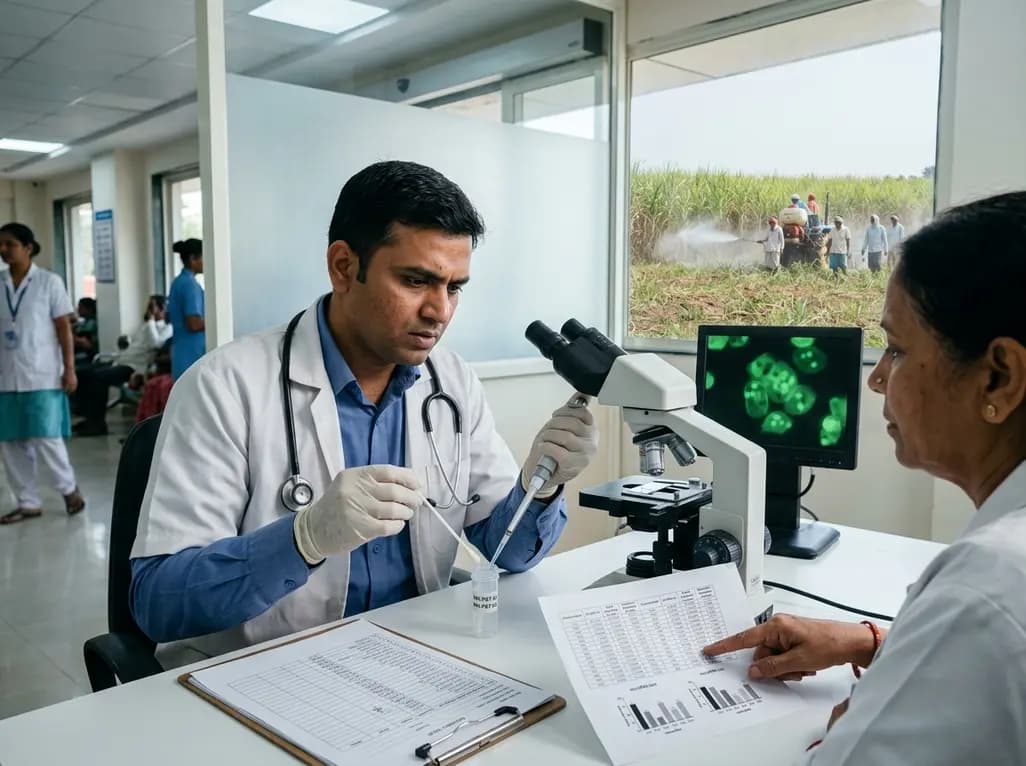
A landmark biomonitoring study reveals that chronic pesticide exposure significantly alters buccal microRNA expression and increases micronucleus frequency in agricultural workers. These findings uncover actionable molecular signatures of oxidative stress, inflammation, and genomic instability.
Today

India's national digital health service achieved a historic milestone of fifty crore virtual consultations. Notably, female patients account for over fifty-seven percent of utilisation, demonstrating improved healthcare accessibility for remote communities, chronic disease management, and primary triage.
Today
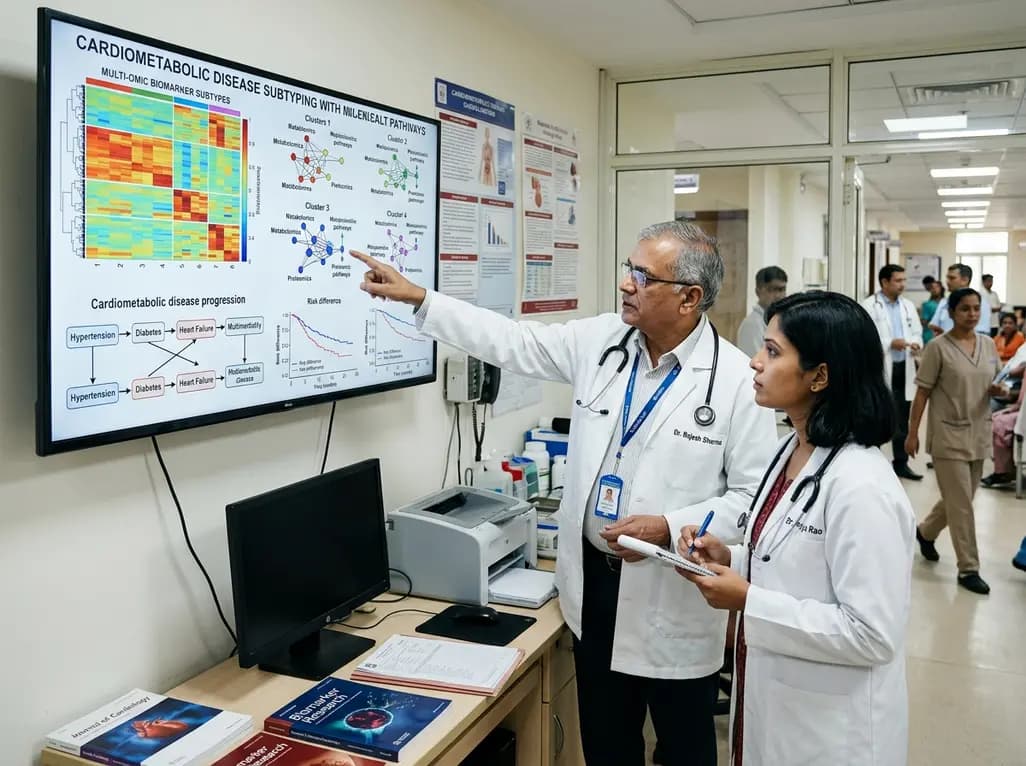
A large UK Biobank study identified four routine biomarker subtypes that predict cardiometabolic disease progression to multimorbidity. Integrating multi-state modelling, metabolomics, and proteomics revealed distinct biological pathways, offering new avenues for tailored clinical risk stratification.
Today
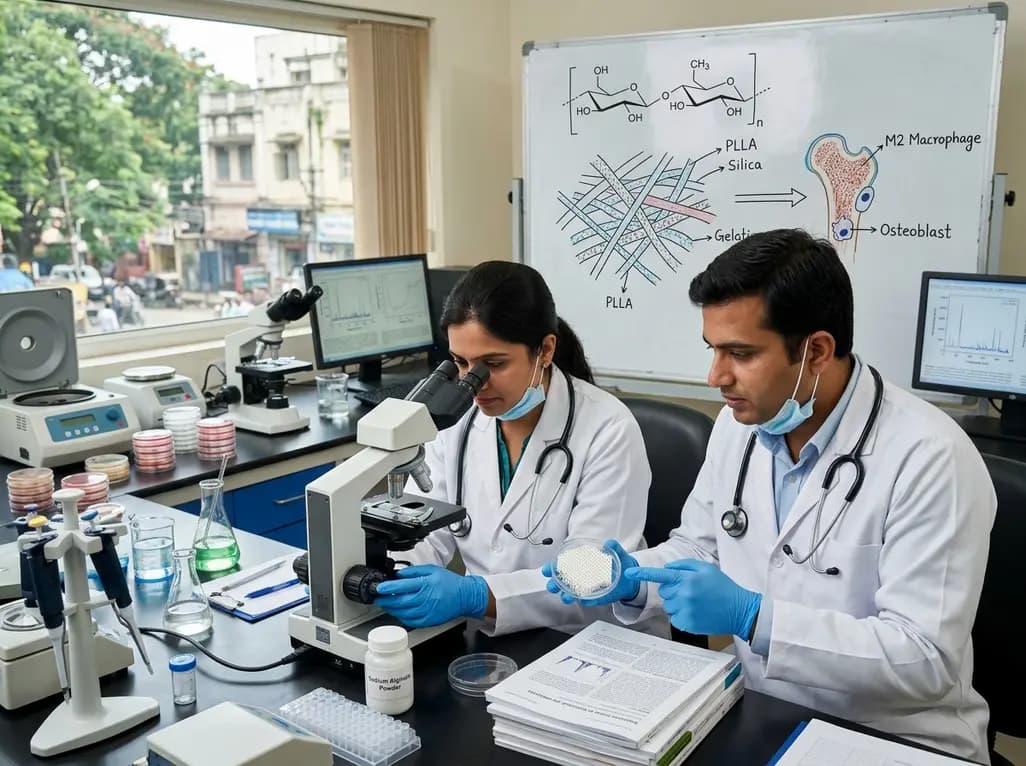
Dual-nanofiber interpenetrating network scaffolds combining silica and PLLA/gelatin nanofibers with sodium alginate achieve complementary mechanical stability, immunomodulatory M2 macrophage polarization, and enhanced osteogenesis for advanced bone repair.
Today
Researchers at IISER Berhampur have engineered a covalent organic framework immunosensor that detects urinary NGAL. This novel nanotechnology platform distinguishes diabetic nephropathy from other renal conditions, enabling rapid, minimally invasive stratification and earlier clinical intervention for patients.
Today
