.webp&w=384&q=75)

Loading, please wait...
Loading, please wait...
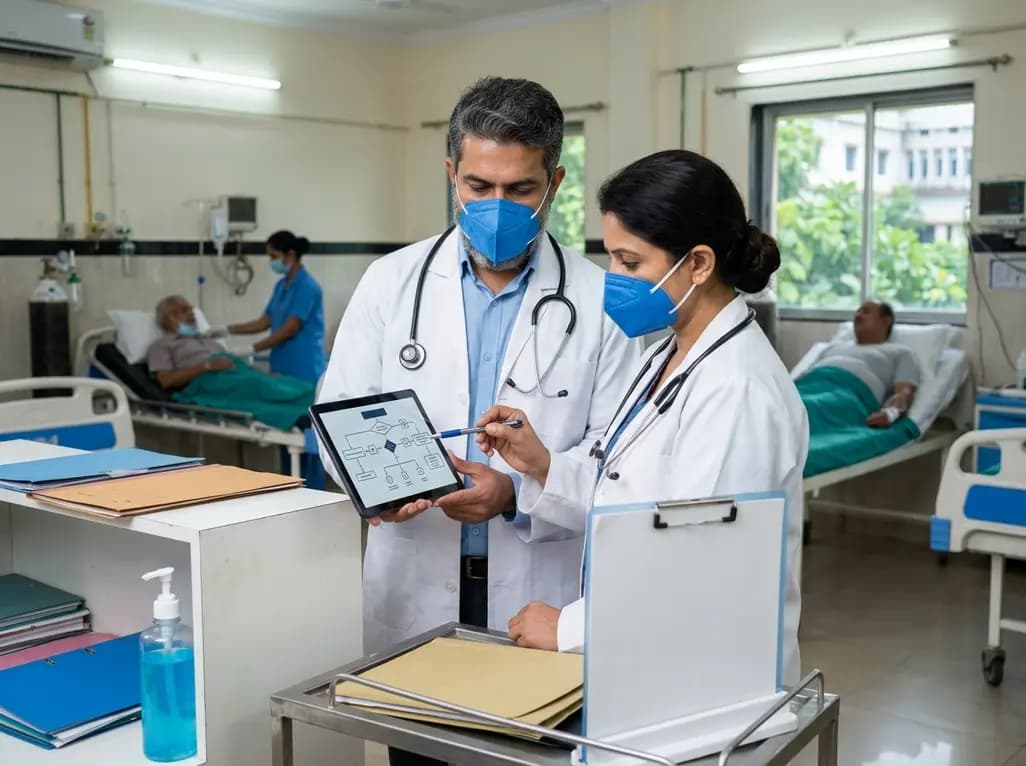
Recent epidemiological surveillance reports indicate a mild surge in regional viral activity, highlighted by fresh COVID 19 Odisha cases detected in Ganjam district. State health department officials recently confirmed two additional positive cases, bringing the active cluster count in the district to three. According to official briefings from public health leadership, two of these individuals are currently managing their symptoms under home isolation. Both patients display mild, influenza-like illness, and their condition remains stable. Meanwhile, the third patient, an elderly woman, is receiving clinical management in a specialized facility at MKCG Medical College Hospital in Berhampur. Although her acute respiratory symptoms are stable, healthcare providers are closely monitoring her due to pre-existing chronic conditions including diabetes, systemic hypertension, and underlying cardiovascular disease.
Public health authorities have reassured the public that there is no cause for panic. Director of Public Health Dr. Rabindranath Mishra stated that the circulating viral strain appears to present a milder clinical course, behaving similarly to common seasonal influenza. Consequently, the state health machinery has focused its efforts on active contact tracing, home isolation management, and dedicated care for vulnerable populations.
The clinical presentation of contemporary viral variants predominantly mirrors upper respiratory tract infections. Most affected individuals present with mild symptoms such as low-grade fever, rhinorrhea, sore throat, myalgia, and mild fatigue. For clinicians evaluating suspected cases, determining whether a patient requires inpatient hospital admission or standard home quarantine depends on clinical stability and risk stratification. Patients isolated at home must receive clear guidelines on symptomatic management and red-flag symptoms. Standard therapeutic interventions for mild cases include antipyretics like paracetamol for fever control, adequate oral hydration, adequate rest, and steam inhalation for symptomatic relief.
Furthermore, medical professionals recommend regular monitoring of vital parameters. Patients should monitor body temperature and pulse oximetry readings at least twice daily. Oxygen saturation maintained above ninety-four percent on room air generally indicates satisfactory respiratory function. However, patients and caregivers must be educated on warning signs that warrant immediate escalation to a secondary or tertiary hospital. These warning signals include persistent high-grade fever lasting beyond three days, sudden breathlessness, chest discomfort, altered mental status, or a progressive decline in oxygen saturation levels.
While younger and overall healthy individuals usually experience a self-limiting viral illness, patients with complex metabolic and cardiovascular comorbidities face higher clinical risks. The presence of type 2 diabetes mellitus, systemic hypertension, chronic kidney disease, or underlying ischemic heart disease significantly alters patient risk profiles. In viral respiratory infections, uncontrolled blood glucose levels can impair host immune responses and exacerbate systemic inflammation. Therefore, tight glycemic control is essential during the acute infection phase. Clinicians caring for hospitalized comorbid patients, such as the case at MKCG Medical College Hospital, emphasize frequent capillary blood glucose monitoring and adjusted pharmacological therapy.
Additionally, blood pressure management requires careful clinical oversight. Hypertensive patients receiving anti-hypertensive therapy should generally continue their prescribed medications unless severe hemodynamic instability or acute kidney injury develops. Cardiovascular monitoring is equally crucial, as systemic inflammatory cascades associated with viral infections can increase metabolic stress on the myocardium. Clinicians must maintain a high index of suspicion for acute coronary syndromes or cardiac arrhythmias in symptomatic comorbid individuals. Early risk identification, tailored glycemic strategies, and continuous vital monitoring remain key components of comprehensive clinical care.
To mitigate potential community transmission, public health officials in Odisha have reinforced statewide diagnostic and surveillance frameworks. Border check posts and regional health centers in high-density migration districts like Ganjam have intensified screening protocols. Auxiliary nurse midwives and community health workers are actively engaged in localized fever surveillance and educational initiatives. Health authorities emphasize the mandatory reporting of influenza-like illness and severe acute respiratory infections across both public and private medical establishments.
Moreover, senior officials from the Health and Family Welfare Department regularly conduct field visits to review hospital infrastructure, bed availability, and medical oxygen supply. Strengthening hospital preparedness at regional medical colleges ensures that high-risk comorbid patients receive swift medical attention without straining local health resources. Public health communication efforts also stress the importance of basic infection control practices. Clinicians continue to encourage hand hygiene, adequate indoor ventilation, and respiratory etiquette, particularly when individuals interact with vulnerable family members or visit healthcare facilities.
In addition, public health laboratories across the state have been instructed to send representative diagnostic samples for genomic sequencing. Routine genomic monitoring helps public health experts identify emerging viral lineages, evaluate potential escape mutations, and tailor clinical guidelines accordingly. This comprehensive surveillance approach helps maintain robust health system readiness.
The changing clinical pattern of viral respiratory infections reflects continuous genomic evolution and widespread population immunity. Contemporary variants demonstrate higher transmissibility but generally lower intrinsic pathogenicity compared to earlier pandemic waves. Public health experts note that for most healthy individuals, the viral strain now behaves like seasonal influenza. However, evolutionary changes in viral surface proteins can occasionally lead to immune evasion, enabling breakthrough infections even among previously vaccinated or exposed individuals.
Understanding these viral dynamics is vital for primary care physicians and specialists alike. While mass restrictive measures are no longer required, selective protective strategies remain essential. Clinicians should maintain appropriate clinical suspicion, ensure early diagnostic testing using rapid antigen or polymerase chain reaction tests, and apply risk-based treatment protocols. Timely therapeutic intervention, coupled with targeted risk communication, ensures that healthcare systems effectively protect high-risk patient groups while avoiding unnecessary social disruption.
Furthermore, medical practitioners should continuously update their clinical knowledge regarding emerging therapeutic agents and booster vaccination recommendations. Educating patients about seasonal respiratory risks and encouraging timely medical consultation during early symptom onset helps reduce severe complications among high-risk demographics.
Q1: What are the current home isolation guidelines for mild COVID-19 cases?
Patients diagnosed with mild COVID-19 should isolate in a well-ventilated room, rest, stay hydrated, and use symptomatic treatments like paracetamol. They should monitor body temperature and pulse oximetry twice daily. Isolation can usually end after seven days if the patient remains fever-free for three consecutive days without fever-reducing medication. Caregivers must wear masks, practice frequent hand hygiene, and seek immediate medical consultation if red-flag symptoms develop.
Q2: Why do COVID-19 patients with diabetes and hypertension require closer monitoring?
Pre-existing metabolic and cardiovascular conditions like diabetes and hypertension impair immune responses and increase the risk of systemic inflammation. Viral infections can cause significant fluctuations in blood glucose levels, complicating clinical management. Furthermore, underlying cardiovascular disease elevates the risk of cardiac stress and complications. Close monitoring of blood glucose, blood pressure, and oxygen saturation allows clinicians to detect early signs of clinical deterioration and adjust treatment promptly.
Q3: What public health precautions are recommended during a mild surge in viral cases?
During localized surges, public health authorities advise practicing basic respiratory hygiene, including covering coughs and sneezes, washing hands frequently, and wearing masks in crowded indoor spaces. Individuals with flu-like symptoms should isolate at home to prevent spreading infection to vulnerable populations, such as elderly family members or immunocompromised individuals. Staying updated on recommended vaccination doses and consulting healthcare providers early if symptoms worsen is also advised.
Disclaimer: This content is for informational and educational purposes only. It does not constitute medical advice or replace professional judgment. Refer to the latest local and national guidelines for clinical practice.
References

Read summarized clinical updates, watch expert medical content, and earn CME certifications right from your smartphone.
Open your smartphone camera to scan and install.





Two new COVID-19 cases have been identified in Ganjam, Odisha, bringing active regional cases to three. While most patients remain stable under home isolation, clinicians are closely managing comorbid patients in hospital care. Explore clinical protocols, public health measures, and comorbidity care strategies.
3 months ago

Failing to account for competing events like mortality in longitudinal geriatric studies produces biased risk estimates and misleading inferences. This review highlights key methodological principles, insights from the Precipitating Events Project, and practical approaches for clinical research appraisal.
Today

A study in JAMIA Open shows lightweight open-source reasoning LLMs achieve up to 95% sensitivity and accelerate evidence synthesis screening by nearly twentyfold, presenting a cost-effective, scalable AI solution for biomedical research and systematic reviews.
Today
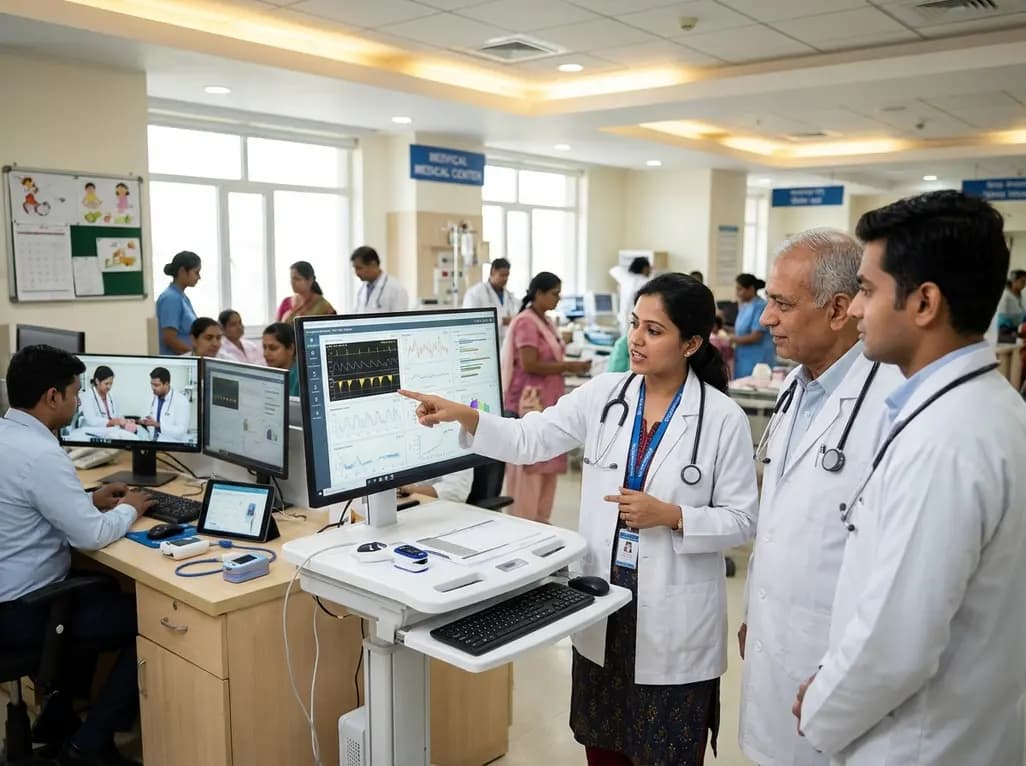
A landmark study details how an enterprise pediatric remote patient management model expanded from a single cardiology pilot to 16 diverse specialty programs by combining centralized digital operations with specialty clinical leadership.
Today

A comparative review of tension band wiring and intramedullary screw fixation in thumb metacarpophalangeal arthrodesis, evaluating union rates, hardware complications, and clinical outcomes.
Yesterday
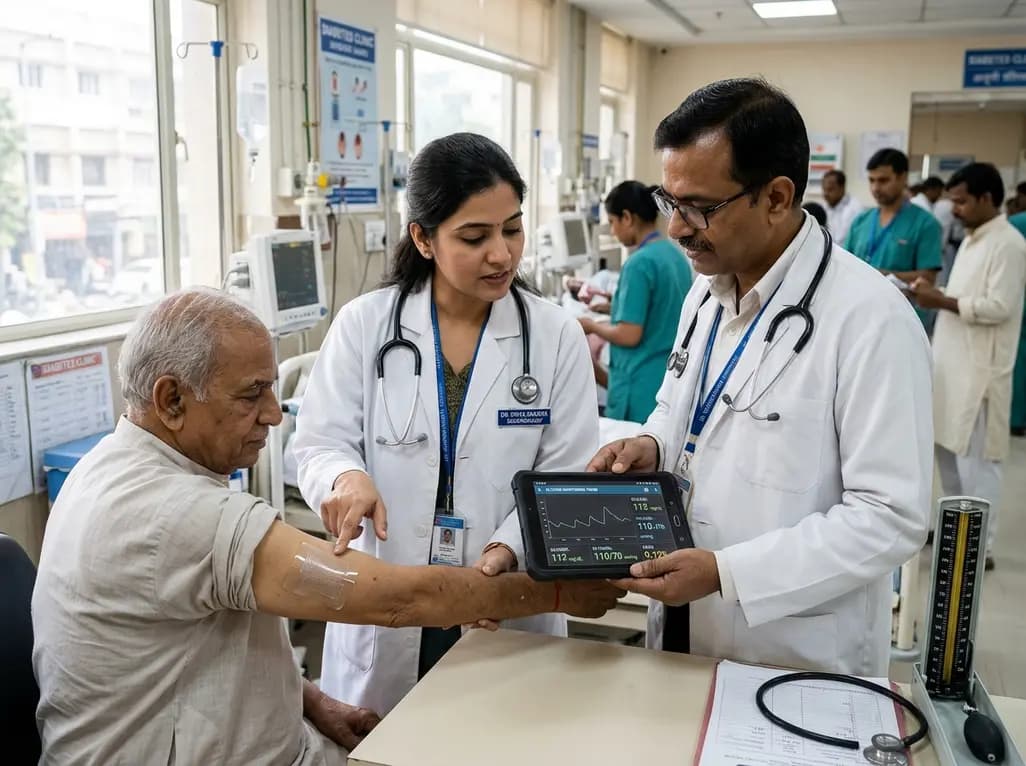
A breakthrough ultrathin multimodal sensor decouples physical hemodynamic monitoring from disposable electrochemical calibration, achieving long-term wearable glucose prediction with 81.36% accuracy and a 9.12% MARD. This offers a robust, drift-free solution for outpatient metabolic surveillance.
Today
