

Loading, please wait...
Loading, please wait...
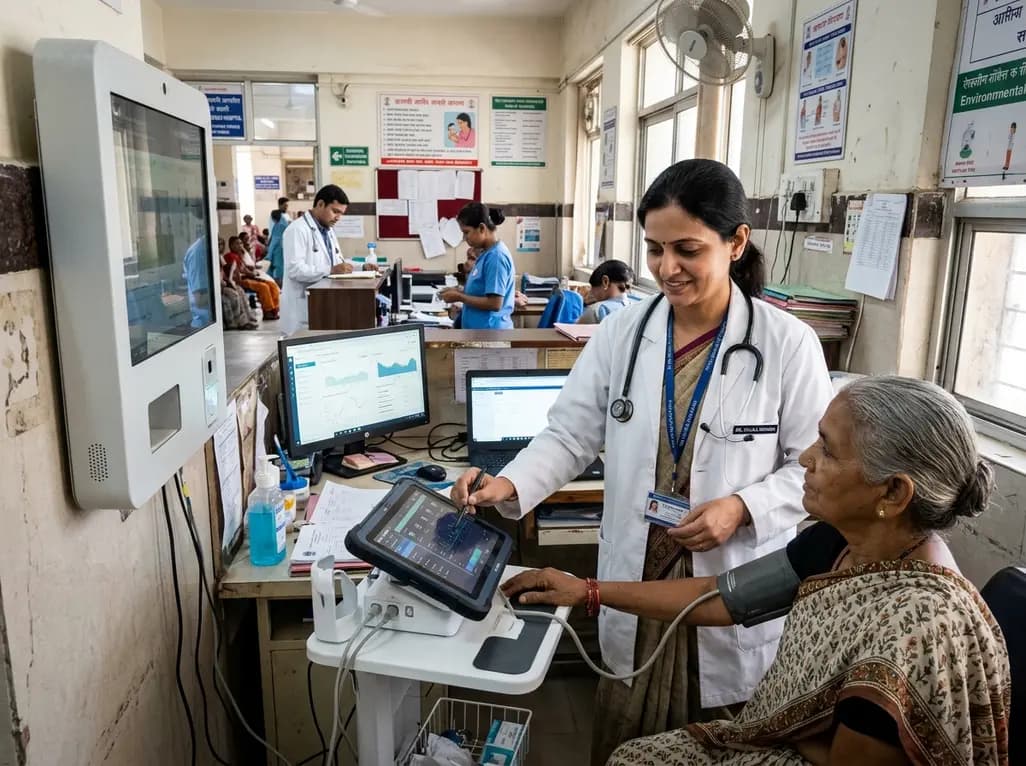
Modern healthcare delivery models require rapid, decentralized, and accessible diagnostic infrastructure. Consequently, the rapid deployment of connected microclinics has emerged as a practical solution to bridge significant accessibility gaps. Health-tech innovator Clinics on Cloud recently secured 12.5 million dollars in Series A funding to scale this transformative model. Dubai-based investors supported this funding round through Model42, powered by Enlightened Minds Investments. Therefore, the company aims to enhance its proprietary diagnostic technology and deploy automated screening kiosks worldwide. These digital health stations capture vital physiological data within minutes. Furthermore, they connect underserved populations directly with qualified medical practitioners. As healthcare burdens escalate globally, decentralized diagnostic pods offer scalable avenues for preventive clinical intervention.
Decentralized healthcare delivery represents a vital structural shift in contemporary public health strategies. Historically, patients faced long waiting queues and geographic hurdles to access basic diagnostic assessments. However, connected microclinics transform this care paradigm by placing compact medical kiosks in convenient community locations. For example, these self-service stations operate effectively in corporate workplaces, retail pharmacies, and rural outreach centers. Moreover, they function as autonomous primary triage stations that collect comprehensive baseline biological metrics. The modular nature of these kiosks allows healthcare networks to expand their clinical footprint without building expensive facilities. Additionally, the platform integrates digital teleconsultations directly into the patient workflow. Patients can immediately consult experienced physicians after completing their physical assessments. Consequently, local communities gain continuous access to preventive screening and routine diagnostic monitoring. Healthcare administrators also observe lower emergency department overcrowding because these kiosks resolve minor inquiries early. Thus, the microclinic framework creates an agile healthcare ecosystem that enhances overall patient engagement. Ultimately, these decentralized hubs redefine how clinicians and communities interact across diverse healthcare landscapes.
Advanced point-of-care kiosks rely on sophisticated medical hardware integrated with robust cloud infrastructure. Specifically, these diagnostic stations incorporate medical-grade sensors to capture core physiological parameters rapidly. The kiosk hardware measures blood pressure, pulse rate, peripheral oxygen saturation, and core body temperature. Furthermore, integrated bioimpedance sensors evaluate complete body composition metrics including visceral fat and skeletal muscle mass. Compact microfluidic modules also perform essential point-of-care blood chemistry evaluations. Consequently, the system tests blood glucose, glycated hemoglobin, lipid panels, and total hemoglobin within ten minutes. Digital spirometry tools and resting electrocardiogram monitors evaluate cardiopulmonary function with clinical precision. In addition, high-definition dermatoscopes and digital otoscopes facilitate detailed remote anatomical examinations during teleconsultations. The underlying software encrypts and transmits all clinical observations to secure cloud repositories. Therefore, treating doctors receive structured diagnostic dashboards before initiating remote video encounters. Standardized application programming interfaces enable bidirectional synchronization with national digital registries and institutional health records. As a result, healthcare teams preserve longitudinal continuity of care across disparate clinical encounters.
Non-communicable diseases remain the primary driver of premature morbidity and preventable mortality across developing societies. In particular, conditions such as essential hypertension, type 2 diabetes mellitus, and coronary artery disease often develop asymptomatically. Connected diagnostic pods provide an opportunistic screening mechanism to identify undiagnosed metabolic abnormalities early. When an individual steps into a microclinic, automated protocols initiate baseline screening routines effortlessly. Consequently, the platform detects elevated systolic blood pressure or aberrant glycemic indices during routine daily activities. Early detection of persistent hyperglycemia or asymptomatic dyslipidemia enables timely lifestyle and pharmacological interventions. Moreover, the system standardizes cardiovascular risk stratification algorithms to highlight patients requiring urgent clinical attention. For instance, the integrated software identifies high-risk electrocardiographic patterns such as persistent arrhythmias or ischemic changes. The kiosk immediately notifies supervising medical teams about these critical physiological findings. Therefore, family physicians can intervene before acute decompensation or severe target-organ damage occurs. Additionally, routine follow-up measurements allow primary care physicians to assess medication adherence and therapeutic efficacy. In this manner, automated diagnostic stations transform opportunistic health encounters into structured preventive care programs.
Artificial intelligence algorithms enhance diagnostic accuracy and optimize triage protocols within automated screening ecosystems. With its new capital, Clinics on Cloud plans to aggressively expand its proprietary machine learning capabilities. These algorithmic models analyze complex physiological waveforms such as continuous electrocardiograms and photoplethysmography signals. Specifically, computer vision software assesses digital optical images to flag subtle dermatological and retinal abnormalities. Furthermore, natural language processing tools capture patient medical histories through multilingual conversational voice interfaces. The artificial intelligence engine synthesizes these multifaceted clinical inputs into an actionable predictive health score. Consequently, medical practitioners receive prioritized patient profiles that highlight imminent clinical hazards. However, developers strictly design these computational models to assist human physicians rather than replace clinical judgment. Treating clinicians retain ultimate supervisory authority over all diagnostic conclusions and pharmacological prescriptions. Additionally, algorithmic risk stratification helps healthcare organizations distribute scarce medical personnel to high-priority cases. Continuous clinical validation ensures that algorithmic recommendations align with established evidence-based practice guidelines. Thus, machine learning integration elevates point-of-care screening from simple data collection to intelligent diagnostic triage.
Geographic disparities severely limit equitable healthcare access across diverse rural and semi-urban populations. Most specialist clinicians and comprehensive tertiary diagnostic laboratories remain concentrated within major metropolitan centers. Consequently, rural residents must travel substantial distances to undergo routine biochemical testing and clinical examinations. Connected microclinics dismantle these geographic barriers by decentralizing point-of-care testing infrastructure. Local paramedical operators can easily manage these automated kiosks within remote primary health centres. In addition, the collected biometric reports automatically synchronize with centralized digital health infrastructure. Therefore, regional physicians can review authenticated laboratory-grade metrics before conducting structured telemedicine consultations. This remote diagnostic capability significantly optimizes the physician workflow during high-volume outpatient sessions. Doctors avoid repetitive manual documentation tasks because the software pre-populates electronic medical records automatically. Moreover, mobile medical units equipped with diagnostic pods can visit remote villages during periodic health camps. This flexible outreach model ensures that vulnerable agrarian communities receive high-quality diagnostic evaluations. Consequently, public healthcare initiatives achieve broader population coverage at substantially lower operational expenditure. Ultimately, technology-driven microclinics build an inclusive bridge between remote patients and skilled medical professionals.
The successful deployment of connected diagnostic kiosks in India provides a scalable blueprint for global primary healthcare reform. Specifically, Clinics on Cloud plans to utilize the United Arab Emirates as a commercial expansion hub. The company will establish strategic collaborations across Africa, North America, and Southeast Asia. These diverse international regions face unique structural challenges in primary care distribution and diagnostic equity. Furthermore, international deployments require rigorous compliance with local medical device regulations and data privacy frameworks. The company currently aligns its manufacturing processes with international quality management standards and medical device software regulations. In addition, partnerships with local healthcare providers ensure seamless integration into existing regional referral channels. Clinicians in developing nations can leverage microclinics to monitor infectious outbreaks and chronic lifestyle conditions. Research teams also plan to integrate point-of-care multiplex testing for infectious diseases into future kiosk hardware. Therefore, these stations will soon detect acute respiratory infections and vector-borne pathogens within minutes. As diagnostic technology evolves, connected kiosks will become indispensable components of decentralized public health networks. Consequently, the global healthcare landscape moves closer toward proactive, universally accessible preventive care.
Q1: What are connected microclinics and how do they function?
Connected microclinics are compact, technology-enabled healthcare stations that combine medical-grade diagnostic sensors with cloud teleconsultation capabilities. They operate inside community hubs, pharmacies, and primary care centres to deliver rapid physical examinations. The integrated hardware collects baseline vital signs and essential biochemical values within ten minutes. Furthermore, the secure cloud architecture transmits these clinical findings directly to qualified physicians for immediate remote review and care coordination.
Q2: Which diagnostic parameters can these automated kiosks accurately screen?
These automated stations screen more than sixty clinical parameters depending on their hardware configuration. Specifically, they measure blood pressure, pulse rate, blood oxygen saturation, body temperature, and body composition. Integrated point-of-care diagnostic tools also evaluate blood glucose, glycated hemoglobin, lipid profiles, and basic hematological parameters. In addition, built-in medical devices conduct digital electrocardiography and spirometry to evaluate cardiopulmonary function with clinical precision.
Q3: How does artificial intelligence assist clinicians during microclinic consultations?
Artificial intelligence algorithms assist clinicians by analyzing complex physiological signals and identifying latent diagnostic patterns in real time. For example, machine learning models screen electrocardiograms for arrhythmias and evaluate patient risk factors before the consultation begins. Consequently, doctors receive a comprehensive clinical summary that accelerates diagnostic decision-making. However, the artificial intelligence software serves purely as clinical decision support, leaving all final medical judgments to licensed physicians.
Disclaimer: This content is for informational and educational purposes only. It does not constitute medical advice or replace professional judgment. Refer to the latest local and national guidelines for clinical practice.
References

Read summarized clinical updates, watch expert medical content, and earn CME certifications right from your smartphone.
Open your smartphone camera to scan and install.





Clinics on Cloud secured $12.5 million in Series A funding to scale connected microclinics, integrate AI-driven screening, and expand point-of-care health infrastructure. This investment accelerates preventive diagnostic access across primary care networks, community hubs, and international markets.
Today

The PhenX Toolkit offers over 1,000 consensus-based protocols to standardize phenotypes and environmental exposures. This open-access resource enhances scientific rigor, supports cross-study data pooling, and integrates with platforms like REDCap to empower biomedical researchers worldwide.
Today
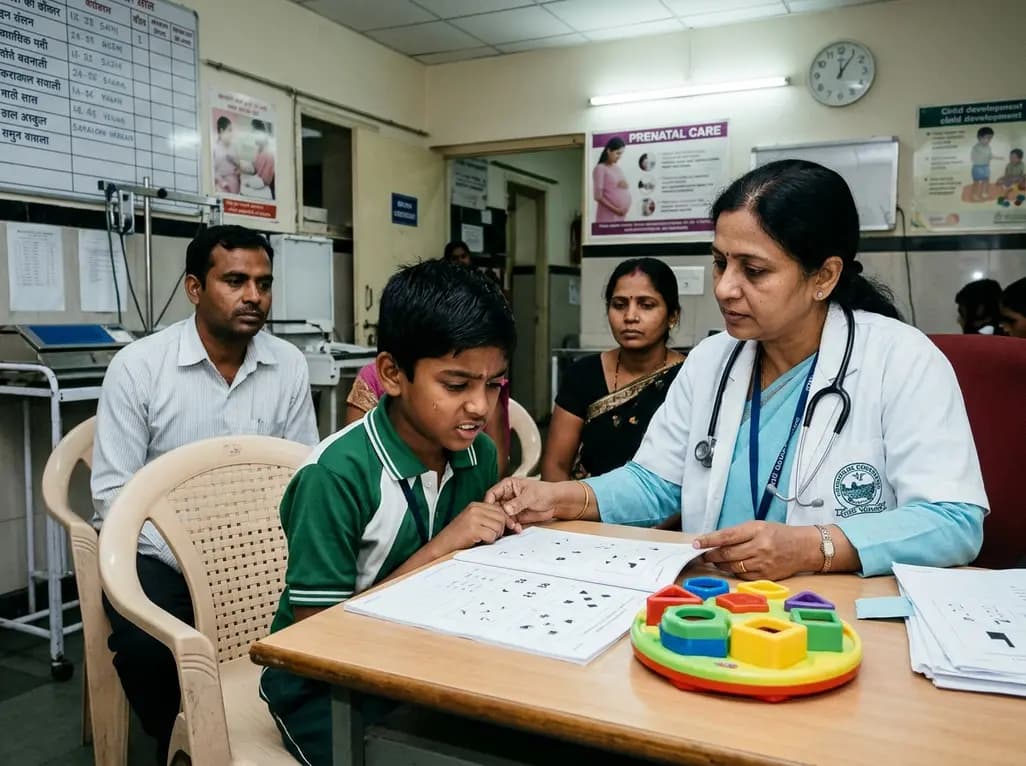
A major ABCD study analysis reveals that prenatal co-exposure to cannabis and tobacco significantly impairs fluid cognitive abilities in middle childhood, whereas crystallized intelligence remains unaffected. The findings highlight urgent needs for targeted antenatal screening and intervention.
Today
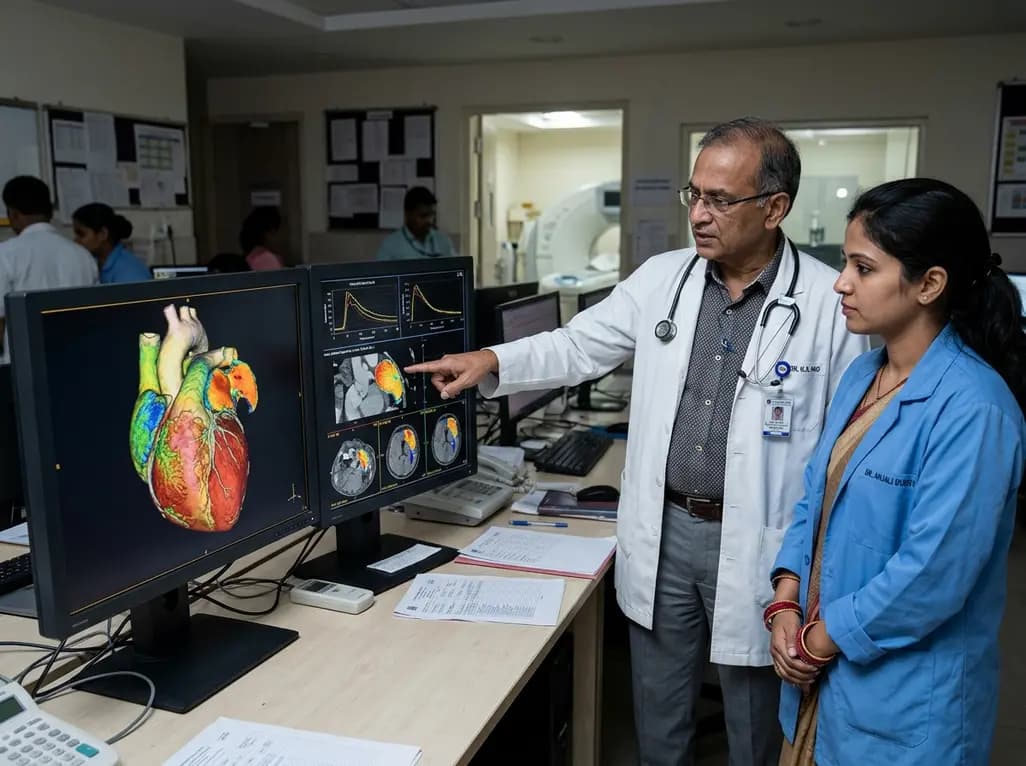
Dynamic contrast 4DCT enables precise mapping of left atrial appendage blood transport in atrial fibrillation. By quantifying regional stasis, wash-in kinetics, and residence time, this imaging advance offers clinician-tailored thromboembolic risk stratification beyond standard clinical scores.
Today
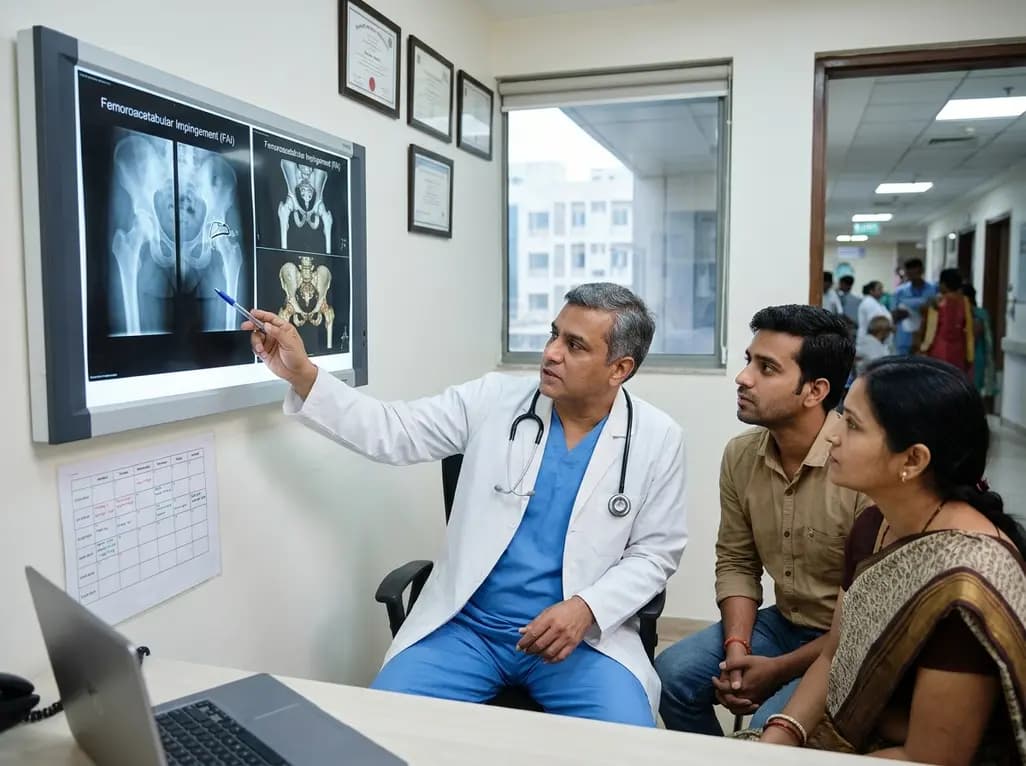
Deciding the optimal interval for staged bilateral hip arthroscopy in femoroacetabular impingement syndrome requires weighing the risks of rapid intervention against delayed joint degeneration. Shared decision-making balances functional rehabilitation milestones with bilateral symptom progression.
Today
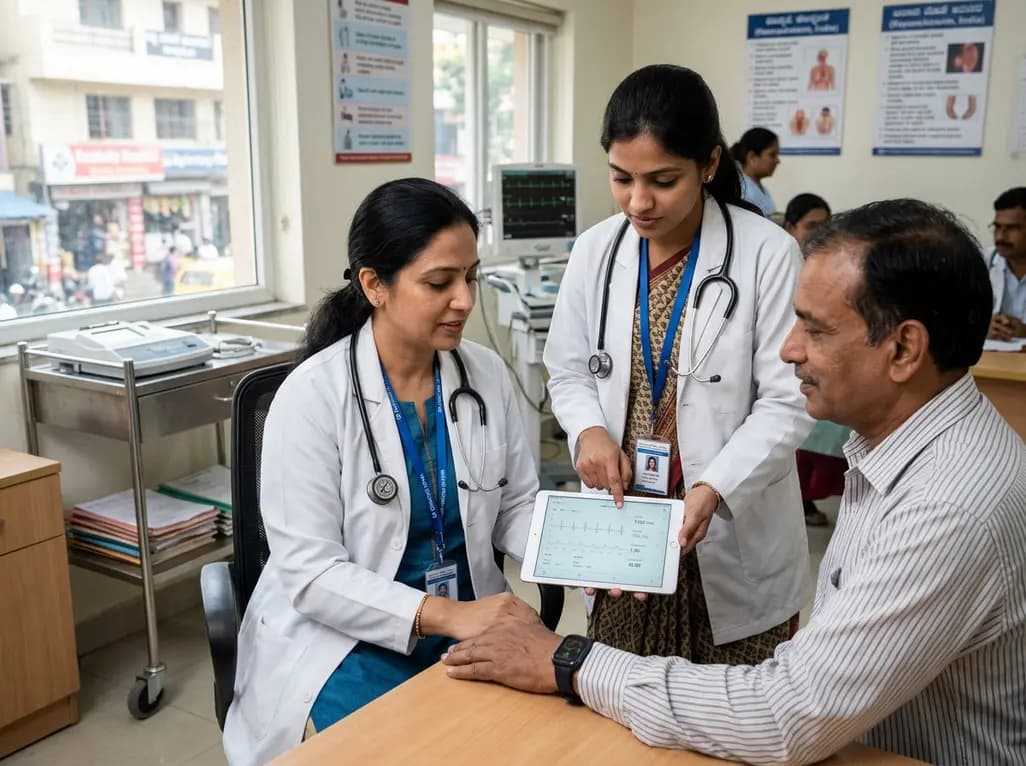
India is poised to transform chronic disease management through wearable health technology. Discover how continuous remote monitoring and predictive algorithms empower clinicians to detect early cardiovascular signals, personalize metabolic interventions, and deliver equitable preventive care across populations.
Today
