

Loading, please wait...
Loading, please wait...
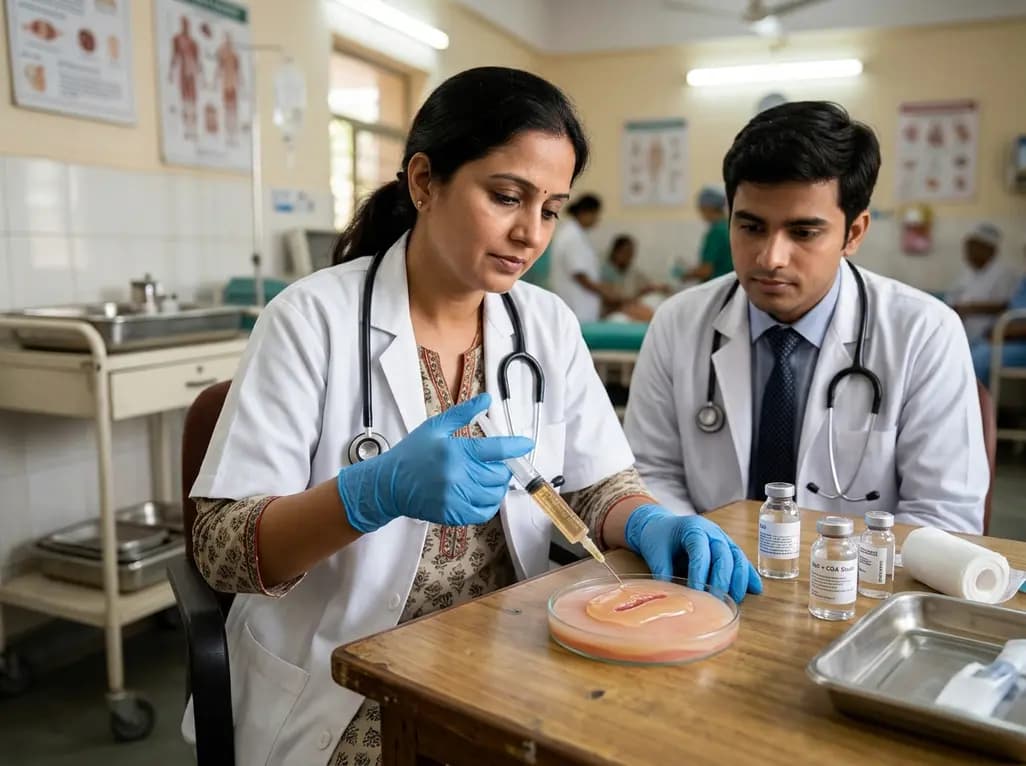
Infectious complications in chronic and acute wounds represent an escalating challenge in modern surgical and dermatological care. The relentless rise of antimicrobial resistance compels clinicians and researchers to explore bioactive phytochemicals as viable alternatives to conventional topical antibiotics. Chlorogenic acid, a ubiquitous polyphenol, demonstrates notable broad-spectrum antimicrobial, antioxidant, and anti-inflammatory properties. However, its low aqueous solubility, poor bioavailability, and rapid clearance severely restrict its direct therapeutic utility. To overcome these pharmacological shortcomings, bioengineers have synthesized an injectable chlorogenic acid hydrogel composite that provides sustained topical delivery. This biomaterial establishes an active local barrier against invasive bacterial pathogens while simultaneously maintaining an optimal moist microenvironment for tissue repair.
The structural framework of this advanced biomaterial relies on biocompatible naturally derived polysaccharides. Investigators combined carboxymethyl chitosan with oxidized sodium alginate to fabricate an adaptable crosslinked polymer matrix. The synthesis proceeds through dynamic covalent Schiff-base linkages formed between the abundant amino moieties of carboxymethyl chitosan and the active aldehyde functional groups of oxidized alginate. This chemical architecture entirely eliminates the requirement for cytotoxic synthetic chemical crosslinkers. Consequently, the reaction preserves the intrinsic biocompatibility of both structural polymers.
Furthermore, researchers incorporated chlorogenic acid directly into this pre-formed polysaccharide network without compromising network integrity. The resulting hydrogel demonstrates exceptional optical transparency, swelling capability, and water-retention capacity. These physical parameters remain crucial for absorbing clinical wound exudate while maintaining sufficient hydration over the healing bed. Because the network structure relies on reversible dynamic bonds, the composite material readily accommodates molecular payloads. Consequently, it creates a robust protective reservoir that shields delicate therapeutic molecules from rapid enzymatic degradation within harsh tissue environments.
Traditional preformed hydrogels frequently suffer from brittle mechanical properties, making them susceptible to structural breakdown under shear stresses. In contrast, the dynamic Schiff-base bonds within this formulation confer remarkable self-healing behavior. When mechanical disruption cleaves these reversible imine linkages, the polymer chains rapidly reorganize and reconnect at room temperature without requiring external catalysts or heating. Therefore, the biomaterial autonomously restores its physical integrity and protective barrier functionality after substantial deformation.
Additionally, this dynamic reversibility grants outstanding shear-thinning injectability to the hydrogel matrix. Clinicians can smoothly administer the composite formulation through standard hypodermic needles directly into deep, irregular, or tunneled wound beds. Once injected, the material undergoes rapid sol-to-gel transition, solidifying into a cohesive matrix that conforms precisely to complex anatomical contours. Therefore, the dressing provides seamless wound contact, eliminates dead space, and resists mechanical dislodgement during patient movement. This unique mechanical resilience ensures uninterrupted therapeutic coverage in anatomically challenging locations.
The clinical implementation of free chlorogenic acid has faced persistent obstacles due to rapid diffusion, erratic solubilization, and fleeting bioactivity. Fortunately, the porous structure of this polysaccharide hydrogel physically entraps chlorogenic acid molecules, creating a controlled diffusion pathway. In vitro release evaluations demonstrate sustained phytochemical liberation across deionized water, phosphate-buffered saline, and physiologically diverse pH environments. Rather than exhibiting an uncontrolled burst release, the matrix maintains a steady, progressive drug elution profile over extended therapeutic windows.
Moreover, the sensitivity of Schiff-base linkages to local microenvironmental pH serves as a physiological advantage. Because infected and inflamed wound beds often display acidic shifts, the crosslinks gently relax under localized microenvironmental stress. Consequently, this biochemical response accelerates drug diffusion precisely when and where bacterial proliferation threatens tissue viability. By sustaining therapeutic local concentrations above the minimum inhibitory threshold, the hydrogel prevents premature drug depletion. Thus, it minimizes the clinical requirement for frequent, painful dressing changes and prevents local tissue irritation.
Bacterial colonization by opportunistic microorganisms frequently halts granulation tissue formation and induces persistent tissue destruction. Laboratory evaluations established that the composite hydrogel loaded with 0.2 mg/mL of chlorogenic acid achieves bactericidal efficiencies exceeding 93% against both Pseudomonas aeruginosa and Staphylococcus aureus. These dual targets represent two of the most prevalent, recalcitrant pathogens encountered in chronic diabetic ulcers, surgical site infections, and major burn trauma.
Importantly, the material validated its antimicrobial efficacy across both surface-contact and hydrogel-embedded testing paradigms. Scanning electron microscopy confirmed extensive morphological disruption in bacterial cells exposed to the composite hydrogel. The treated bacteria displayed severe cell membrane rupture, surface collapse, and irreversible structural dissolution. Chlorogenic acid compromises the permeability and electrochemical stability of the bacterial cytoplasmic membrane, precipitating cytoplasmic leakage and cell lysis. Simultaneously, the cationic amino groups of carboxymethyl chitosan engage bacterial membranes through electrostatic interactions. This dual-action mechanism substantially reduces the likelihood of bacteria acquiring phenotypic resistance.
The development of dynamic phytochemical delivery platforms provides crucial therapeutic options for contemporary wound management. Chronic non-healing wounds impose immense physical and financial burdens on healthcare systems worldwide. By merging injectable convenience with resilient self-healing capabilities, this hydrogel simplifies bedside administration for intricate anatomical lesions. Surgeons and wound care specialists can deploy the formulation minimally invasively into cavitary defects, sinus tracts, and undermined dermal borders.
Furthermore, integrating plant-derived antibacterial agents directly aligns with global antimicrobial stewardship priorities. As conventional systemic and topical antibiotics face progressive loss of efficacy, non-traditional antimicrobials like chlorogenic acid offer renewed therapeutic promise. The hydrogel maintains tissue hydration, facilitates autolytic debridement, buffers excess exudate, and destroys multi-drug-resistant pathogens simultaneously. Therefore, future clinical translation of this technology could substantially improve healing trajectories, curtail secondary hospitalizations, and lower patient morbidity across inpatient and ambulatory settings.
Conventional dressings often require frequent replacement and fail to conform completely to irregular, cavitary wound margins. In contrast, this hydrogel provides excellent injectability, allowing clinicians to deliver it smoothly into deep tissue defects. Its dynamic self-healing capacity ensures rapid structural recovery under physiological stress, while sustained chlorogenic acid release provides prolonged antibacterial protection against aggressive wound pathogens without causing premature active ingredient depletion.
The dynamic covalent network of carboxymethyl chitosan and oxidized sodium alginate physically entraps the phytochemical molecules within its polymeric meshwork. Drug liberation occurs through steady, gradual diffusion rather than an abrupt initial burst. Furthermore, the pH-responsive Schiff-base linkages undergo micro-relaxation in acidic conditions typical of infected wounds, thereby accelerating targeted therapeutic release directly in response to pathological bacterial microenvironments.
Laboratory evaluations demonstrate that the hydrogel achieves over 93% antibacterial efficacy against both Gram-negative Pseudomonas aeruginosa and Gram-positive Staphylococcus aureus. Electron microscopy confirms that released chlorogenic acid, complemented by chitosan polymer interactions, structurally disrupts bacterial cell walls and cytoplasmic membranes. This physical lysis mechanism rapidly kills bacteria and significantly decreases the risk of pathogens developing antimicrobial resistance.
Disclaimer: This content is for informational and educational purposes only... Refer to the latest local and national guidelines for clinical practice.
References
Zhu Q et al. Injectable Self-Healing Carboxymethyl Chitosan/Oxidized Alginate Hydrogel for Sustained Chlorogenic Acid Release and Enhanced Antibacterial Activity. ACS Appl Bio Mater. 2026 Nov 28. doi: 10.1021/acsabm.6c02189. PMID: 43106187.
Samuel SE, Ghosh T, Nayak AD, Deveswaran R, Basavaraj BV. Exploring self-crosslinked hydrogel: Carboxymethyl chitosan and oxidized alginate for wound healing applications. J Drug Deliv Sci Technol. 2024;95:105746.
Ma L, Wang X, et al. Synthesis and characterization of injectable self-healing hydrogels based on oxidized alginate-hybrid-hydroxyapatite nanoparticles and carboxymethyl chitosan. Int J Biol Macromol. 2020;165:1164-1174.

Read summarized clinical updates, watch expert medical content, and earn CME certifications right from your smartphone.
Open your smartphone camera to scan and install.





Researchers have engineered an injectable, self-healing carboxymethyl chitosan and oxidized alginate hydrogel that delivers sustained chlorogenic acid. This composite biomaterial effectively destroys bacterial membranes, achieving over 93% antibacterial efficacy against resistant wound pathogens.
Today

A new realist review examines nurse-led compassionate care interventions in acute hospitals, highlighting how supportive leadership and workflow integration drive meaningful clinical outcomes.
Today

A recent survey reveals significant gaps in antenatal providers' adherence to pregnancy oral health guidelines despite positive attitudes. Integrating regular oral screenings, clinician education, and interprofessional dental referrals during prenatal care is crucial to prevent adverse pregnancy outcomes.
Today
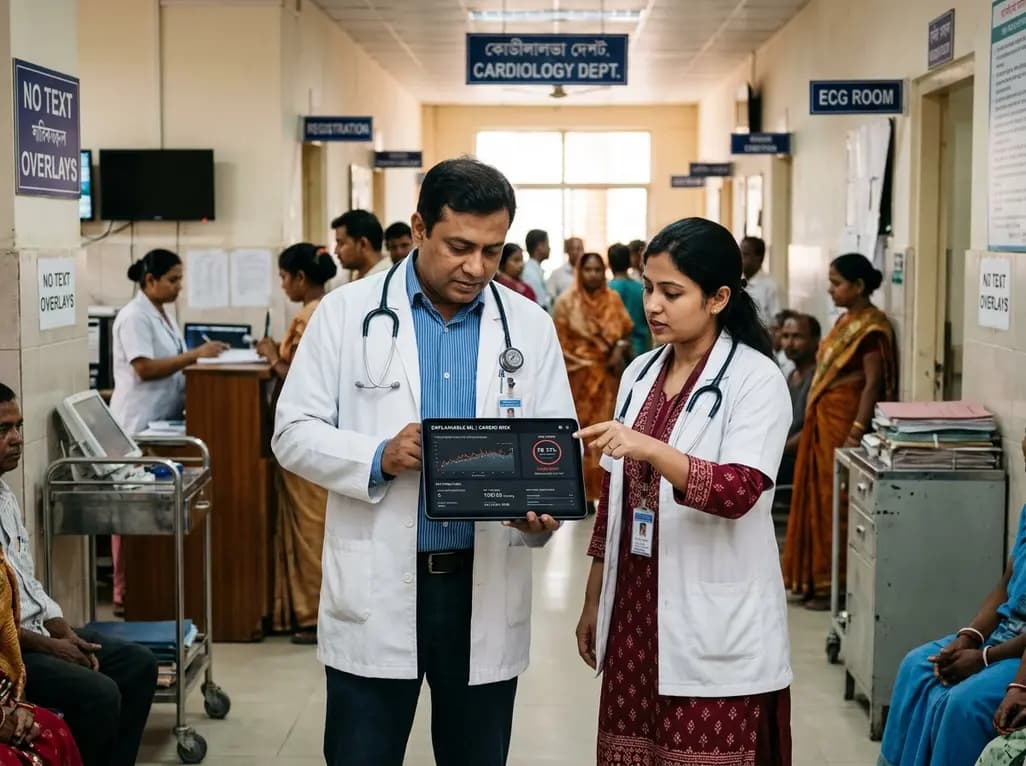
A cross-sectional study in Bangladesh demonstrates that an explainable stacking ensemble machine learning model achieves 98.37% accuracy in cardiovascular disease detection. Using local clinical and behavioral data, the model highlights cholesterol, rhythm abnormalities, and blood pressure as leading predictors.
Today
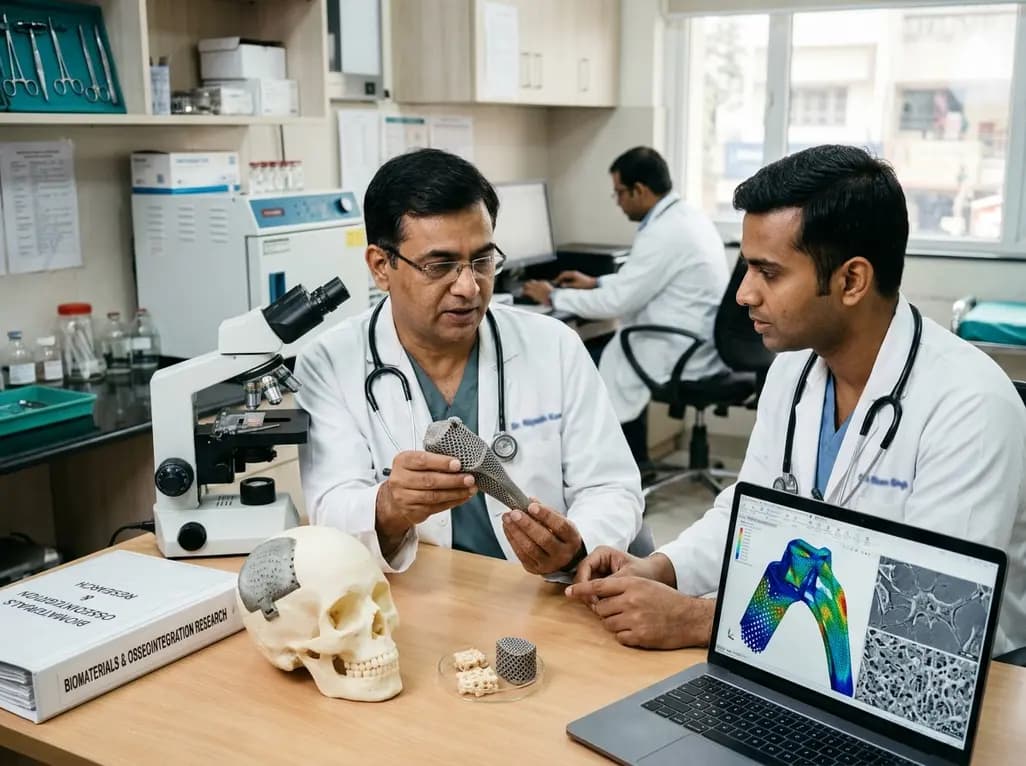
Laser-based powder bed fusion of Ti6Al4V enables custom orthopedic implants. Recent research reveals that heat treatment modulates ductility and wettability, while surface powder morphology drives mesenchymal cell attachment, highlighting crucial design factors for long-term osseointegration.
Today
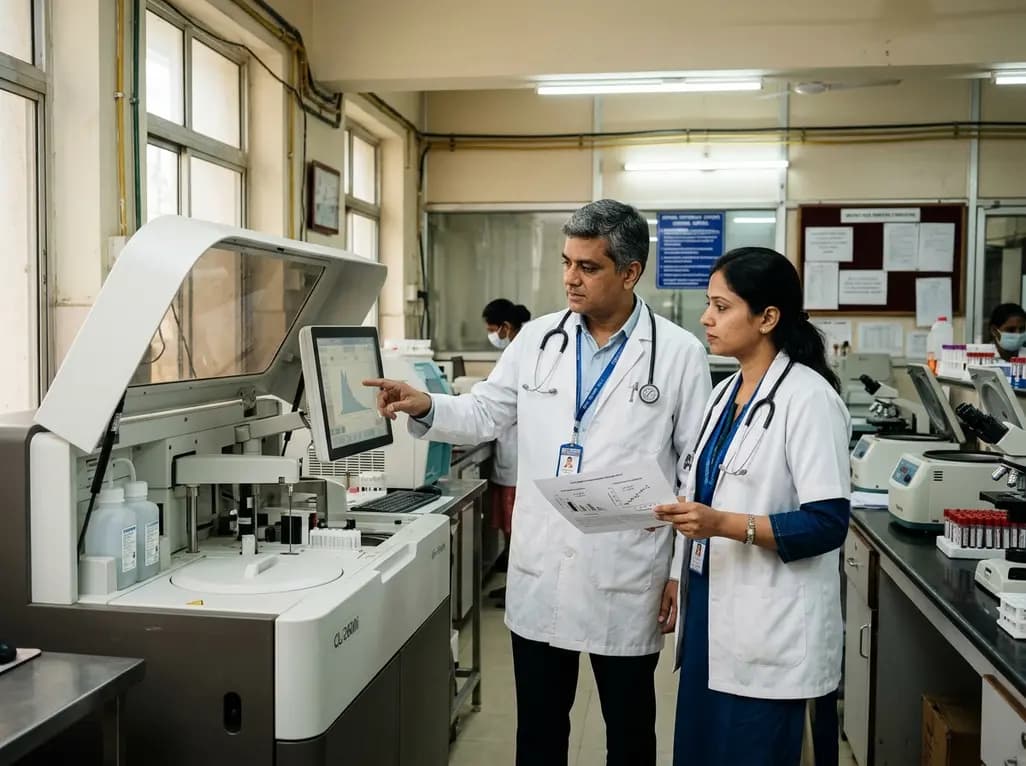
A multicenter study evaluated the CL-2600i immunochemistry analyzer across 640 serum samples, testing endocrinology, infectious disease serology, sepsis markers, and fertility panels. The system demonstrated high analytical trueness, repeatable results with CVs under 5%, and strong correlation with routine platforms.
Today
