.webp&w=384&q=75)

Loading, please wait...
Loading, please wait...

The complex interplay between childhood disabilities and poverty remains one of the most pressing public health challenges across South Asia. In rural communities, children living with physical, sensory, or neurological impairments frequently confront severe structural barriers. Socioeconomic deprivation consistently delays developmental screening, therapeutic interventions, and proper nutritional support. Conversely, the continuous demands of caring for a child with functional limitations push vulnerable households deeper into severe economic hardship. Clinicians practicing in India and neighboring low-resource environments must recognize these intersecting social determinants of health. By understanding these deep disparities, healthcare teams can design holistic interventions that address clinical symptoms and socioeconomic vulnerabilities.
Epidemiological research across South Asian countries consistently demonstrates a bidirectional relationship between childhood disability and household poverty. Poverty increases the biological likelihood of pediatric impairment through maternal malnutrition, inadequate perinatal care, and untreated infectious illnesses. Additionally, limited parental health literacy often leads to missed opportunities for vital early developmental screenings. Once a developmental disorder manifests, the financial burden on the family escalates rapidly. Caregivers often must leave regular employment to provide full-time home support, which immediately curtails household income. Furthermore, families face devastating out-of-pocket expenses for transportation, assistive mobility devices, and specialized medical consultations. In rural regions, these financial pressures compound rapidly. Parents frequently exhaust their modest savings or take high-interest loans from informal moneylenders to finance sporadic medical visits. Consequently, children with developmental delays encounter persistent social isolation, reduced school participation, and restricted developmental opportunities. Pediatricians in South Asia must appreciate that medical treatment cannot succeed in an economic vacuum. Therefore, clinical assessments must systematically incorporate social evaluations to identify families requiring social welfare support.
A groundbreaking matched case-control study conducted in Shahjadpur, Bangladesh, examined this systemic dynamic across 1,274 children with disabilities and 1,303 matched controls. The researchers assessed a broad spectrum of permanent conditions, including cerebral palsy, spina bifida, hydrocephalus, muscular dystrophy, and congenital limb deformities. Notably, the study established that the household poverty likelihood was 7 percent higher among children with disabilities compared to their unaffected peers. Furthermore, parental employment rates and total monthly household earnings were significantly lower in families raising affected children. Mainstream school enrolment rates also dropped markedly among cases, particularly within impoverished socioeconomic brackets. In addition, female caregivers in disabled cohorts bore an overwhelming burden of uncompensated caregiving responsibilities. This heavy domestic commitment substantially curtailed their participation in income-generating rural agricultural activities. Consequently, the research underscores how neurodevelopmental disorders entrench intergenerational cycles of poverty within vulnerable rural settlements. These robust empirical data mirror the social landscape across rural Indian districts, where disabled children face nearly identical socio-demographic barriers.
The Shahjadpur study revealed striking nutritional deficits that demand immediate pediatric attention. Specifically, the researchers observed that severe stunting and severe underweight status were significantly higher among cases than control children. Children with neurological conditions like cerebral palsy and muscular dystrophy experienced the most profound nutritional compromises. Dysphagia, pseudobulbar palsy, and oromotor coordination deficits frequently hinder safe swallowing and caloric intake in these young patients. Additionally, impoverished rural families often lack the financial resources to purchase energy-dense supplementary foods or commercial thickeners. Caregivers frequently dilute formula or struggle to prepare modified-texture diets due to fuel shortages and limited culinary equipment. Consequently, chronic macronutrient and micronutrient starvation stunts linear skeletal growth and impairs central nervous system plasticity. Moreover, severe malnutrition worsens spasticity, compromises skin integrity, and raises susceptibility to lethal pulmonary infections. Therefore, pediatricians evaluating children with developmental delays must prioritize anthropometric monitoring alongside neurological rehabilitation. Integrating clinical dietitians and localized nutritional supplementation programs into routine follow-up protocols remains essential for optimizing survival.
The study highlighted alarming socioeconomic disparities regarding healthcare-seeking behaviors and therapeutic service utilization. Among children with disabilities from affluent families, 71 percent received appropriate physical or occupational rehabilitation services. In contrast, only 60 percent of children from low socioeconomic households accessed any rehabilitation therapy. Even more concerning, healthcare seeking from formal allopathic sectors stood at a meager 10 percent among impoverished families, compared to 33 percent in wealthier households. Impoverished parents frequently bypass licensed medical practitioners due to prohibitive travel costs and hospital fees. Instead, rural families often turn to untrained traditional practitioners, faith healers, or local quacks who provide ineffective and occasionally harmful treatments. Furthermore, the persistent lack of decentralized community therapy centers isolates rural children who desperately need physical therapy, orthotic braces, and speech stimulation. As a result, preventable joint contractures, severe skeletal deformities, and communication barriers develop unchecked. Addressing these systemic gaps requires primary care doctors to actively dismantle physical and financial barriers to formal healthcare.
Physicians practicing in community healthcare centers and district hospitals must adopt proactive protocols to manage these intersecting vulnerabilities. First, clinicians should implement validated developmental screening tools, such as the Ages and Stages Questionnaires, during routine immunization visits. Early identification of developmental delays allows for prompt referral before irreversible functional losses occur. Second, clinicians must routinely assess feeding mechanics, swallowing safety, and growth parameters at every clinical consultation. Recommending affordable, locally available, energy-dense foods helps families maintain adequate caloric intake without overwhelming their household budgets. Third, doctors should teach caregivers simple home-based physical therapy maneuvers and proper postural positioning techniques. By empowering parents as therapy partners, clinicians ensure continuous developmental stimulation between infrequent hospital visits. Additionally, healthcare providers must screen for caregiver mental health strain, particularly maternal depression, which frequently coexists with chronic financial distress. Finally, medical teams should establish close partnerships with medical social workers to help eligible families access government disability certifications and associated financial subsidies.
Mitigating the long-term impact of disability in South Asia necessitates robust policy execution and decentralized community-based rehabilitation models. In India, public health frameworks such as the Rashtriya Bal Swasthya Karyakram provide an excellent platform for early detection and intervention. However, health systems must bridge the gap between initial screening and sustained rehabilitation delivery in remote villages. Strengthening frontline healthcare workers, including Accredited Social Health Activists and Anganwadi workers, remains crucial. These workers can conduct regular home visits, deliver basic rehabilitation coaching, and monitor child nutrition. Moreover, educational authorities must enforce inclusive education mandates by training rural teachers and eliminating architectural barriers in village schools. Providing assistive devices, such as wheelchairs, hearing aids, and specialized seating, directly through district welfare funds prevents catastrophic household debt. Furthermore, establishing conditional cash transfers for impoverished caregivers can offset lost wages and improve clinic attendance. Ultimately, synchronizing medical rehabilitation, nutritional support, and social protection programs will dismantle the vicious cycle connecting childhood impairment and economic poverty.
Poverty limits household access to adequate nutrition, formal healthcare, and essential assistive technologies. Consequently, impoverished families struggle with transportation costs and loss of caregiver income. Furthermore, severe financial strain prevents early diagnostic screening and ongoing rehabilitation. This economic deprivation ultimately accelerates secondary physical deformities, severe malnutrition, and long-term functional dependency.
Children with motor impairments often experience oromotor dysfunction, dysphagia, and poor nutrient absorption. In addition, rural households frequently face food insecurity and inadequate nutritional literacy. Caregivers often struggle to provide energy-dense adapted feeding regimens. Therefore, the combination of mechanical feeding challenges and socio-economic deprivation drastically increases the vulnerability to stunting and severe wasting.
Primary care physicians should prioritize routine milestone screening, proactive nutritional rehabilitation, and caregiver training in posture management. Additionally, clinicians should establish direct referral pathways to local district early intervention centers. Collaborating with community health workers enables home-based physical therapy. Furthermore, connecting vulnerable families to existing government disability pensions helps alleviate catastrophic out-of-pocket medical expenditure.
Disclaimer: This content is for informational and educational purposes only and does not constitute medical advice, diagnosis, or treatment. Healthcare professionals must exercise their independent clinical judgement when managing patients. Refer to the latest local and national guidelines for clinical practice.
References

Read summarized clinical updates, watch expert medical content, and earn CME certifications right from your smartphone.
Open your smartphone camera to scan and install.





A rural Bangladesh case-control study reveals children with disabilities face a 7% higher poverty likelihood, severe malnutrition, and lower formal healthcare access. Learn how pediatricians in South Asia can tackle these disparities through holistic clinical and nutritional interventions.
Today
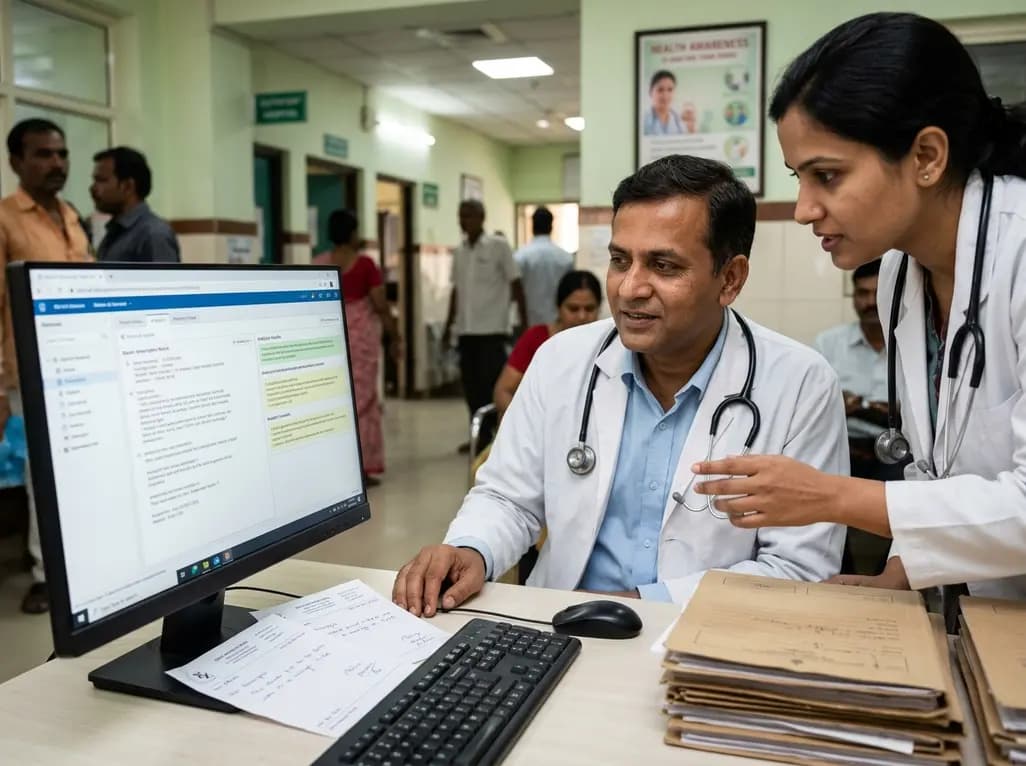
A crossover study demonstrates that locally deployed large language models with exact-match knowledge augmentation significantly elevate outpatient prescription review accuracy to 97.2%, curbing hallucinations and securing patient data without requiring complex cloud infrastructure.
Today
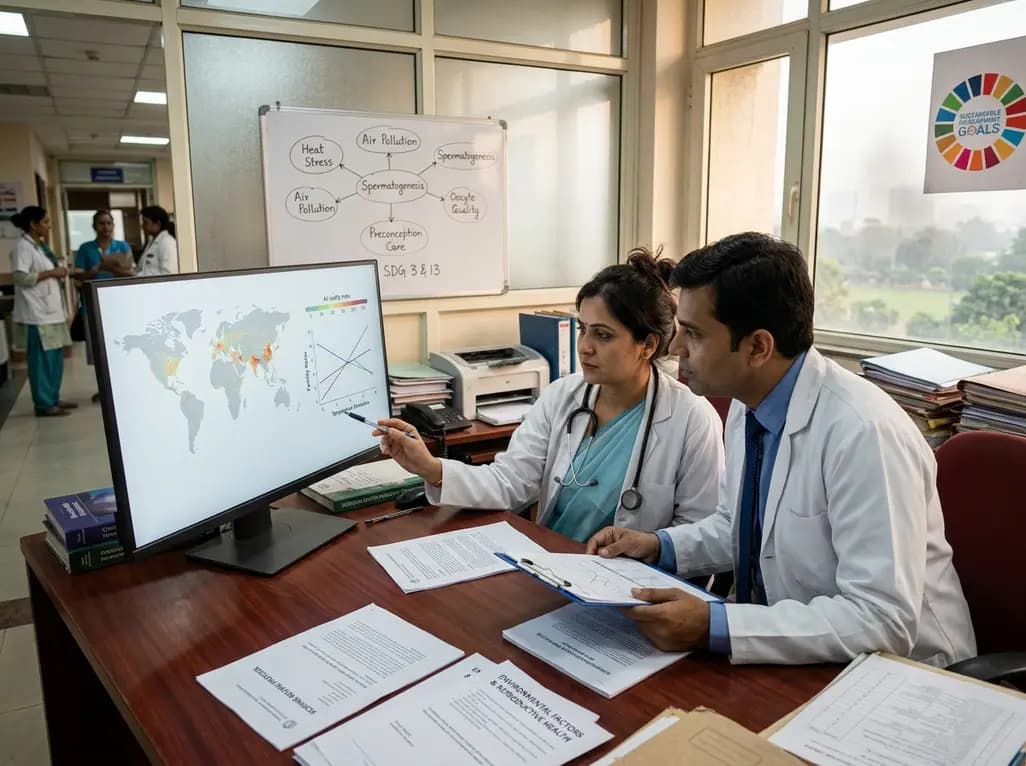
A new scoping review protocol systematically maps global evidence on how climatic shifts, ambient heat, and pollution impact human fertility. Discover key physiological mechanisms, clinical preconception strategies, and critical public health alignments under Sustainable Development Goals 3 and 13.
Today
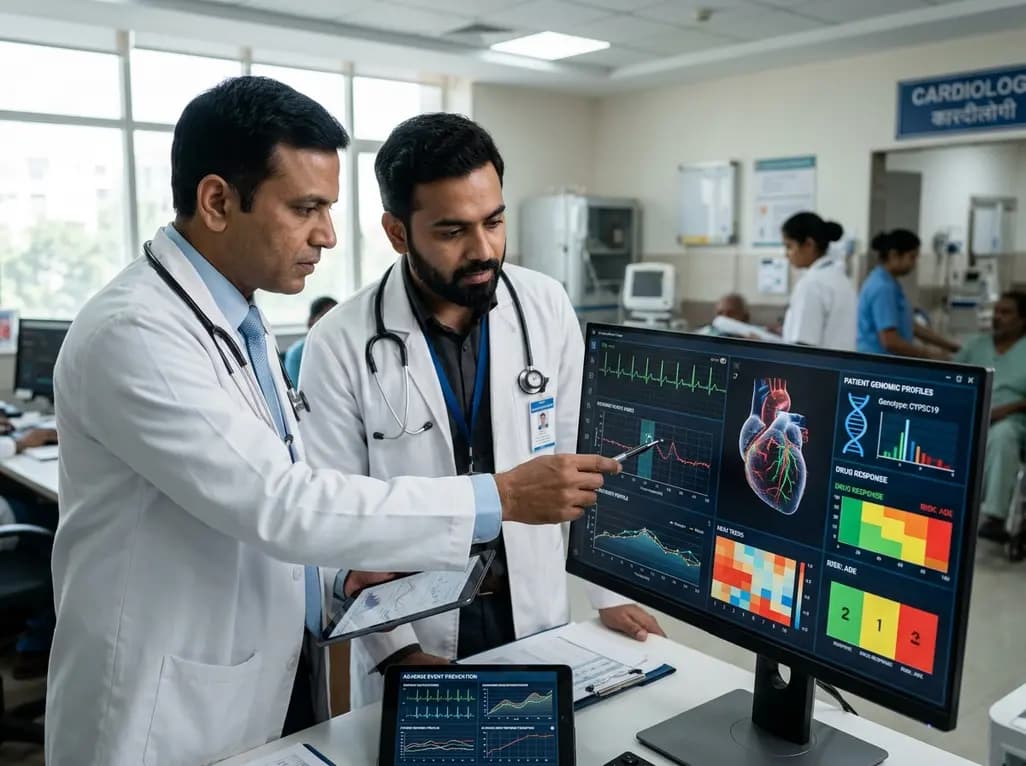
Pharmacogenomics and artificial intelligence are revolutionizing cardiology by tailoring therapies to individual genetic profiles and clinical data, reducing adverse drug events, and improving cardiovascular patient outcomes.
Today
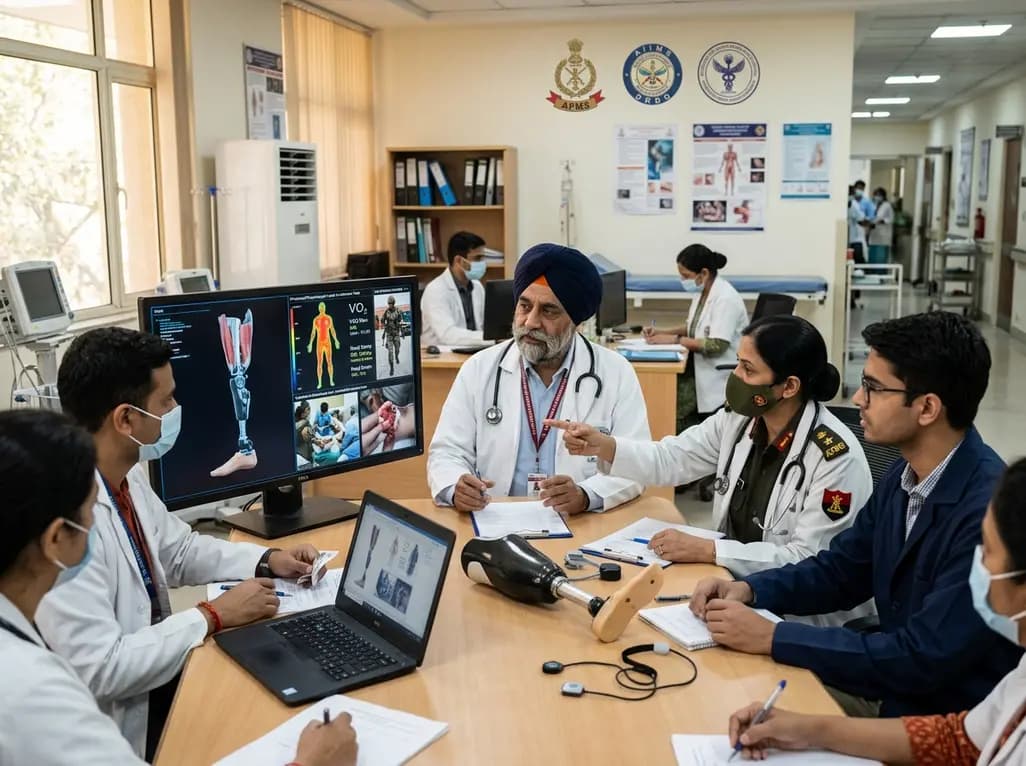
India's premier scientific bodies have joined the Armed Forces Medical Services to solve unique physiological and operational challenges faced by soldiers. The national collaboration covers combat casualty care, artificial intelligence diagnostics, bionic prosthetics, and extreme-environment physiological resilience.
Today
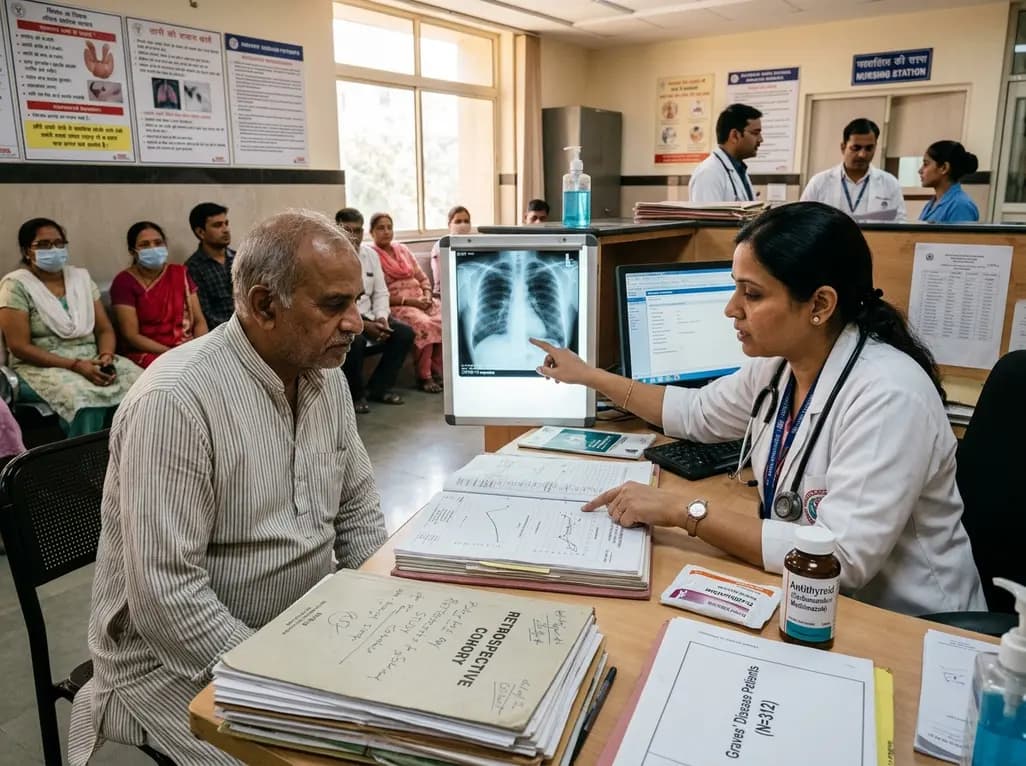
A retrospective cohort study evaluates the short- and long-term impacts of SARS-CoV-2 infection on patients with Graves' disease receiving antithyroid drug therapy, highlighting thyroid status destabilization, clinical symptom exacerbations, and post-viral sequelae.
Today
