

Loading, please wait...
Loading, please wait...

Substance use patterns among young people continue to present major clinical dilemmas worldwide. Emerging research exploring cannabis and mental health provides crucial perspective on age-dependent physiological differences. While public narratives often portray cannabis as benign, neurodevelopmental evidence challenges this assumption. Adolescence represents an exceptionally vulnerable period for cortical maturation and synaptic organization. A groundbreaking four-year matched-cohort longitudinal study by Sadek and colleagues directly investigated these concerns by following 274 adolescents and young adults. Their findings clearly demonstrate that younger users face heightened vulnerabilities to substance dependency and psychiatric morbidity. Consequently, clinicians must evaluate age-specific consequences when managing patients who consume cannabinoids.
The investigators examined participants over a four-year timeline to identify distinct patterns of cannabis dependency. Specifically, the cohort included adolescents aged 16 to 17 years alongside adults aged 26 to 29 years. At study baseline, individuals either consumed cannabis at least weekly or maintained complete abstinence. Linear mixed models adjusted for sociodemographic factors, environmental stressors, and polygenic risk scores. The statistical analysis revealed a striking divergence between age cohorts. Adolescents were significantly more likely to develop persistent, problematic cannabis use symptoms compared to adults. In fact, age strongly modulated the severity of dependency behaviors over the four-year observation window. Furthermore, adolescent users demonstrated faster escalation toward uncontrolled intake patterns. This vulnerability stems largely from incomplete prefrontal cortex maturation, which governs executive function and impulse control. Consequently, younger individuals exhibit lower neurological resistance against compulsive drug-seeking behaviors. In contrast, older participants demonstrated greater stability in self-regulating their consumption. Therefore, adolescent onset represents an independent risk factor for chronic substance misuse.
Beyond substance dependency, the study evaluated the direct emergence of psychiatric comorbidities across follow-up intervals. The researchers administered psychometric assessments every three months during the initial year and reassessed participants four years later. Notably, cannabis use frequency directly predicted the severity of psychotic-like experiences among regular consumers. Individuals consuming cannabis more frequently reported higher rates of paranoia, perceptual distortions, and unusual beliefs. These psychotic-like manifestations occurred independently of baseline polygenic risk profiles and socioeconomic background. Moreover, frequent consumption heightened emotional dysregulation and subclinical affective symptoms over time. Although cannabis did not produce acute psychosis in every individual, it markedly elevated subthreshold psychotic phenomena. These subclinical symptoms often serve as clinical harbingers for severe psychiatric disorders in late adolescence. Consequently, frequent cannabinoid intake appears to destabilize dopamine regulation within vulnerable neural circuits. Clinicians must recognize that escalating consumption elevates this subclinical psychiatric burden. Therefore, identifying frequent consumption early provides a vital window for preventive mental health intervention.
In addition to psychological symptoms, the research protocol systematically assessed objective cognitive performance across cohorts. Specifically, investigators tracked spatial working memory ability during the first year of rigorous follow-up. The data revealed that higher cannabis use frequency significantly predicted poorer spatial working memory performance. Importantly, working memory relies heavily on intact frontoparietal networks and optimal cannabinoid receptor density. Because exogenous tetrahydrocannabinol floods endogenous cannabinoid receptors, it impairs normal neurochemical signaling necessary for memory retention. As a result, regular consumers experienced noticeable difficulties in encoding and manipulating spatial information effectively. These cognitive deficits carry severe implications for adolescents navigating secondary schooling and early university education. Furthermore, compromised memory functioning often compromises vocational training and long-term academic attainment. While adult users also demonstrated cognitive strain, younger brains suffered greater disruption during skill acquisition phases. Thus, frequent cannabinoid exposure inflicts tangible neurocognitive consequences that extend well beyond mood alteration.
The study also evaluated participant trajectories by examining individuals who altered their substance habits over four years. Some participants maintained consistent weekly consumption, whereas others successfully stopped cannabis intake entirely. Intriguingly, individuals who stopped using cannabis experienced the most profound improvements in psychological well-being. Those who achieved complete cessation demonstrated a statistically significant reduction in both psychotic-like experiences and depressive symptoms. Conversely, participants who maintained consistent consumption continued to experience persistent psychiatric distress and apathy. These longitudinal findings offer immense therapeutic hope for clinicians and patients alike. They confirm that cannabis-related psychological harm is not necessarily permanent or irreversible. Instead, cessation allows neural circuits to recover receptor sensitivity and reestablish neurochemical homeostasis. Therefore, targeted cessation interventions provide immediate and long-term therapeutic value for distressed young patients. Physicians can confidently reassure patients that stopping substance use produces tangible psychological recovery.
These longitudinal findings offer substantial guidance for medical professionals practicing across diverse Indian clinical settings. In India, cannabis derivatives such as bhang, ganja, and charas remain widely accessible across various demographics. Furthermore, the rising availability of unregulated electronic vaping devices has increased adolescent exposure to concentrated cannabinoids. Clinicians in general practice, pediatrics, and psychiatry must proactively ask young patients about substance habits. Unfortunately, families often misinterpret early substance-induced apathy and academic decline as normal adolescent rebellion. By integrating routine screening tools into primary care visits, physicians can detect problematic usage before dependency consolidates. Moreover, Indian clinicians should prioritize psychoeducation that dispels modern misconceptions regarding the harmlessness of natural cannabis products. When adolescent patients present with unexplained anxiety, mood swings, or perceptual abnormalities, clinicians should immediately investigate substance history. Ultimately, advocating complete cessation and providing nonjudgmental behavioral support can alter the trajectory of adolescent mental health.
Adolescents exhibit heightened neurodevelopmental vulnerability because their prefrontal cortex and endocannabinoid signaling systems are still actively maturing. Consequently, exogenous cannabinoid exposure during this critical window disrupts synaptic pruning and neural myelination. This physiological disturbance increases their susceptibility to persistent cannabis dependence, mood destabilization, and cognitive deficits compared to adult users.
Yes, longitudinal research indicates that discontinuing cannabis completely yields substantial clinical benefits. Participants who achieved total cessation experienced statistically significant reductions in psychotic-like experiences and depressive symptoms over four years. Therefore, structured cessation counseling and early intervention strategies can effectively restore psychological equilibrium and reverse substance-induced affective disturbances in symptomatic individuals.
Clinicians in India should integrate nonjudgmental screening tools, such as the ASSIST or CRAFFT questionnaire, into routine adolescent and adult consultations. Furthermore, physicians must actively inquire about local preparations like charas, bhang, and synthetic vapes. Identifying early usage patterns enables timely behavioral counseling, psychiatric evaluation, and family involvement before chronic dependence emerges.
Disclaimer: This content is for informational and educational purposes only and should not be considered medical advice. Always consult a qualified healthcare professional regarding any medical condition or treatment. Refer to the latest local and national guidelines for clinical practice.
References
Sadek L et al. Cannabis use and mental health symptoms in adolescents and adults: a 4-year longitudinal study. Psychol Med. 2026 Nov 27. doi: 10.1017/S0033291726106722. PMID: 43100028.
Young-Wolff KC et al. Adolescent Cannabis Use and Subsequent Risk of Psychiatric Disorders. JAMA Health Forum. 2026;7(2):e255882.
Patton GC et al. Cannabis use and mental health in young people: cohort study. BMJ. 2002;325(7374):1195-1198.

Read summarized clinical updates, watch expert medical content, and earn CME certifications right from your smartphone.
Open your smartphone camera to scan and install.





A 4-year study evaluates cannabis and mental health in adolescents and adults. Findings reveal adolescents face higher risks of problematic use and psychotic-like symptoms. Crucially, quitting cannabis fostered substantial mental health recovery, highlighting the importance of early clinical screening in youth.
Today
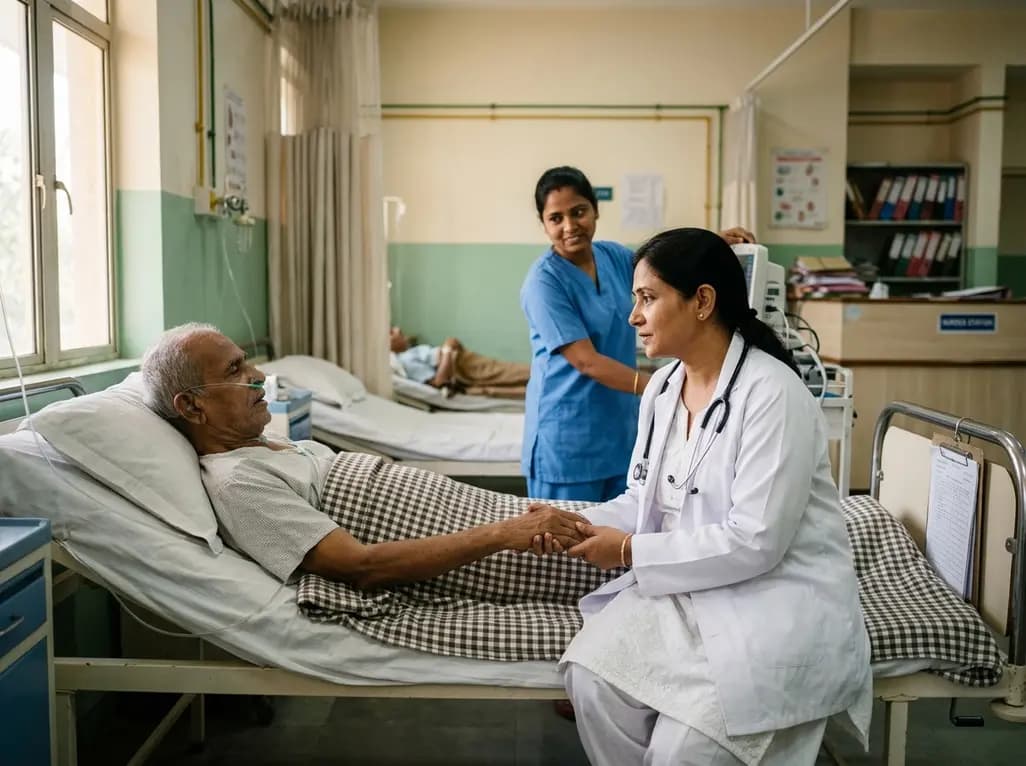
A 2026 cohort study in Turku University Hospital reveals that specialist palliative care for end-stage liver disease dramatically reduces emergency department visits in the final month of life (48.8% vs 74.1%) and prevents deaths in acute tertiary wards, supporting early integration in decompensated cirrhosis.
Today

A recent survey reveals significant gaps in antenatal providers' adherence to pregnancy oral health guidelines despite positive attitudes. Integrating regular oral screenings, clinician education, and interprofessional dental referrals during prenatal care is crucial to prevent adverse pregnancy outcomes.
Today
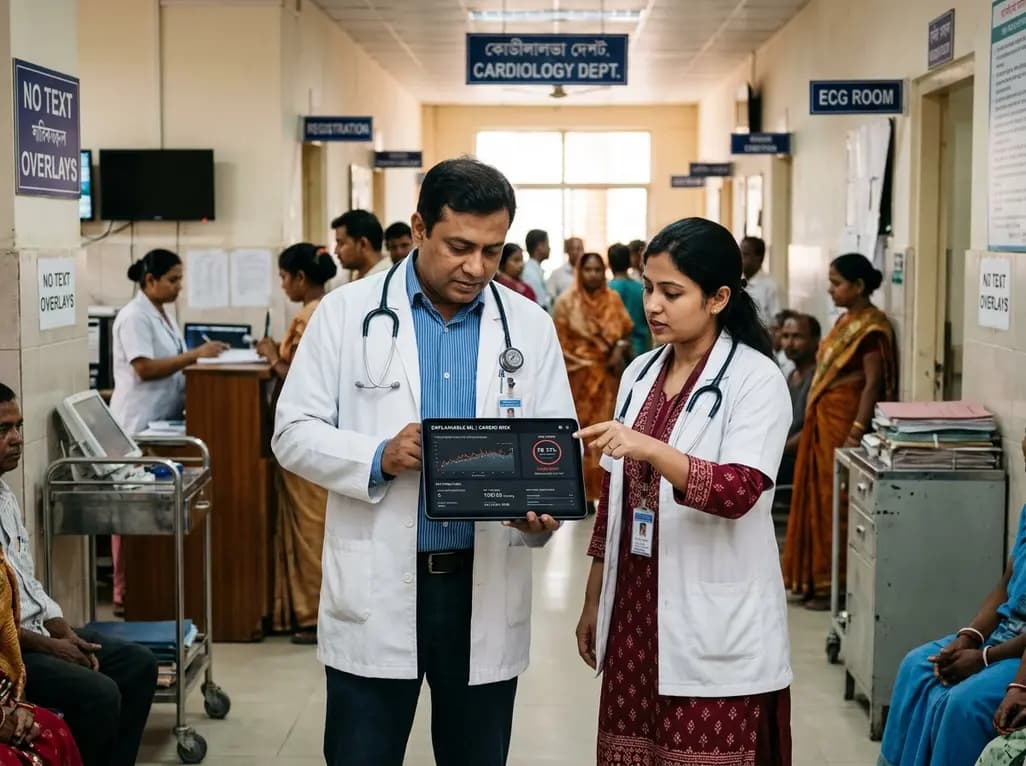
A cross-sectional study in Bangladesh demonstrates that an explainable stacking ensemble machine learning model achieves 98.37% accuracy in cardiovascular disease detection. Using local clinical and behavioral data, the model highlights cholesterol, rhythm abnormalities, and blood pressure as leading predictors.
Today
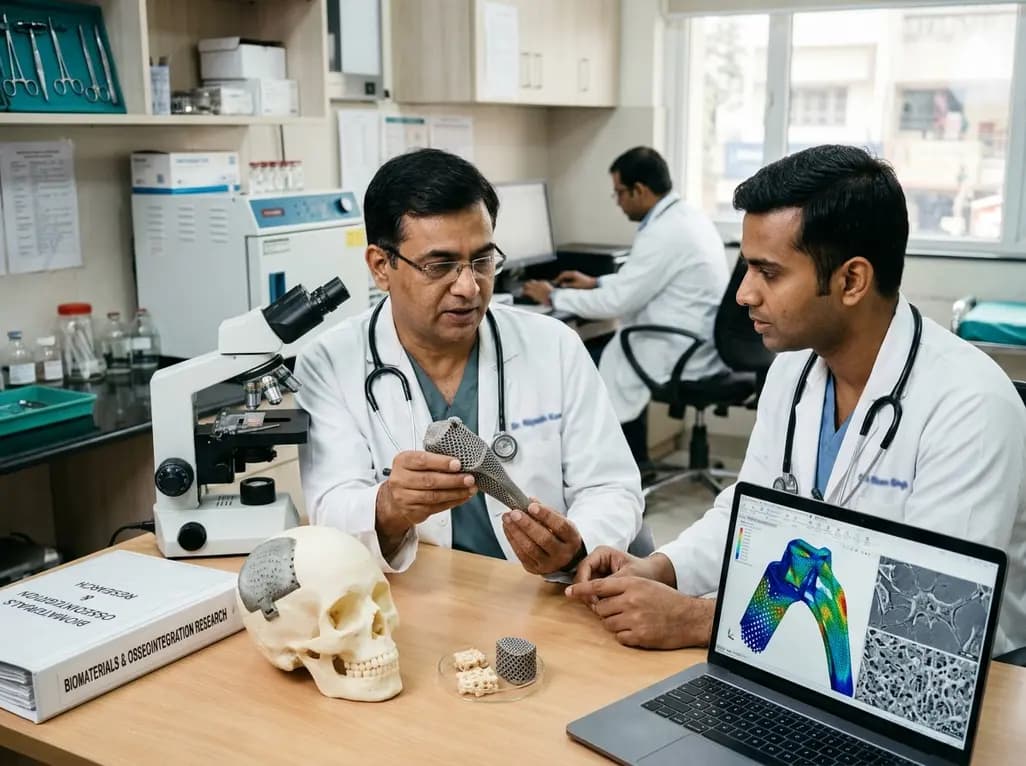
Laser-based powder bed fusion of Ti6Al4V enables custom orthopedic implants. Recent research reveals that heat treatment modulates ductility and wettability, while surface powder morphology drives mesenchymal cell attachment, highlighting crucial design factors for long-term osseointegration.
Today
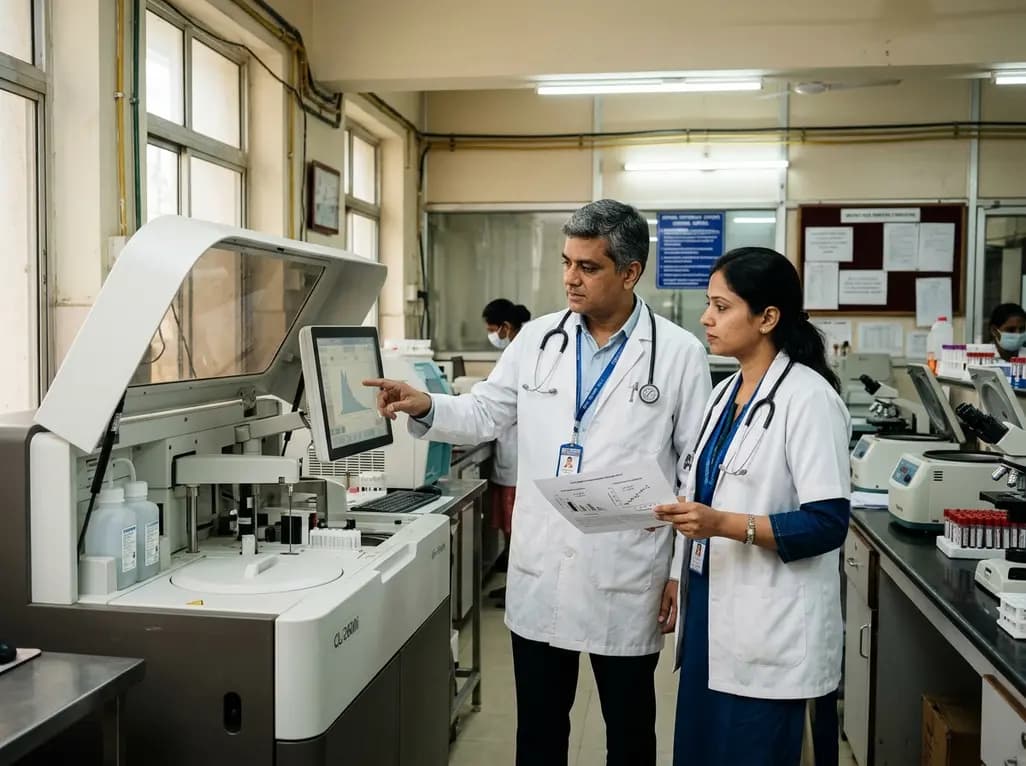
A multicenter study evaluated the CL-2600i immunochemistry analyzer across 640 serum samples, testing endocrinology, infectious disease serology, sepsis markers, and fertility panels. The system demonstrated high analytical trueness, repeatable results with CVs under 5%, and strong correlation with routine platforms.
Today
