.webp&w=384&q=75)

Loading, please wait...
Loading, please wait...
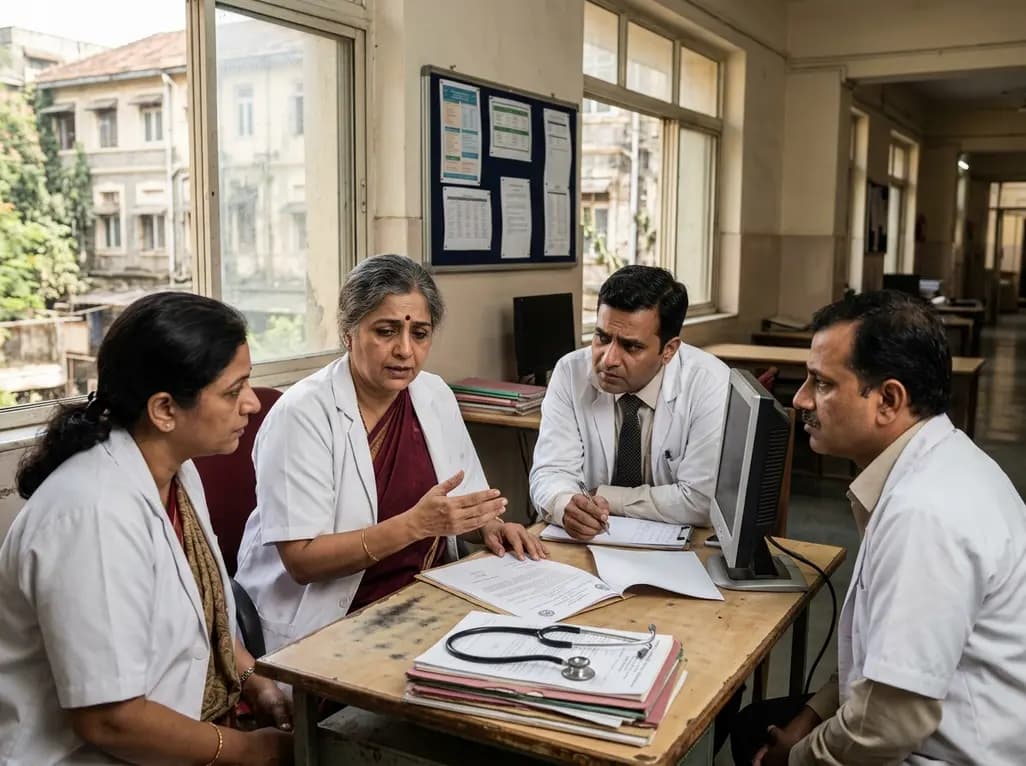
The escalating cost of specialized oncology care presents severe socio-economic challenges across India. Recently, the Supreme Court of India voiced intense dismay regarding irrational cancer drug pricing, calling out excessive hospital margins. Specifically, a division bench scrutinized astronomical retail markups that force families into devastating financial hardship. Moreover, the apex court questioned why regulatory authorities have permitted enormous disparities between wholesale acquisition costs and retail prices. Consequently, this judicial intervention has catalyzed urgent national debate surrounding commercial hospital practices, trade margin rationalization, and statutory pricing frameworks.
The Supreme Court bench, comprising Justice Vikram Nath and Justice Sandeep Mehta, examined compelling evidence of severe market inflation. Specifically, the bench highlighted an essential oncology formulation supplied to retailers at a price of 2,700 rupees. However, private healthcare facilities sold that exact product at a maximum retail price of 27,000 rupees. The court described this ten-fold disparity as sheer carnage and daylight dacoity inflicted on vulnerable patients. Furthermore, the judges observed that pharmaceutical companies do not capture this massive windfall. Instead, commercial hospital entities and distributor networks extract these disproportionate financial gains. Consequently, desperate families frequently exhaust their lifetime savings or sell ancestral assets to afford vital therapy. In response, Solicitor General Tushar Mehta acknowledged the gravity of the problem before the court. He emphasized that the government must establish an equitable solution to protect public interests. Additionally, the judges questioned how regulatory authorities could remain passive while institutional buyers exploit life-threatening illnesses. Thus, comprehensive oversight of commercial healthcare markups has emerged as an urgent legal and moral priority. Therefore, the top court instructed the Centre to evaluate this severe pricing distortion thoroughly.
Public interest litigations filed by advocate Kishan Chand Jain and Dr. Sanjay Kulshresthra illuminated critical regulatory loopholes. Currently, the National Pharmaceutical Pricing Authority enforces ceiling prices under the Drugs Prices Control Order of 2013. However, this statutory price cap applies solely to scheduled formulations listed within the National List of Essential Medicines. These price-controlled formulations represent less than twenty percent of the domestic pharmaceutical market. In contrast, non-scheduled formulations constitute more than eighty percent of market turnover by both volume and value. Crucially, existing legislation permits drug manufacturers to determine initial launch prices for non-scheduled medicines without mandatory prior approval. Regulators merely restrict subsequent price revisions to an annual increase of ten percent. As a result, pharmaceutical manufacturers frequently launch specialized therapies at artificially inflated retail benchmarks. This unconstrained pricing allows hospitals to demand massive discounts from suppliers while billing patients the full printed price. Furthermore, the absence of initial price evaluation leaves oncological drugs open to severe profiteering. Consequently, legal petitioners urged the apex court to mandate comprehensive price-setting formulas across all therapeutic categories.
During the proceedings, the Supreme Court addressed restrictive trade practices prevalent within private tertiary care centers. Specifically, many corporate hospitals mandate that admitted patients purchase all medications exclusively from their internal pharmacy counters. Moreover, hospital administrations often refuse to administer drugs sourced from external licensed chemists. Justice Sandeep Mehta noted that such institutional coercion directly infringes upon consumer autonomy. Additionally, this coercive system creates profound psychological distrust among cancer patients and their caregiving families. For example, if a compassionate outside chemist offers a medicine for 2,700 rupees, patients suspect counterfeit products. They assume that lower pricing implies substandard medication quality rather than fair profit margins. Furthermore, in-house hospital pharmacies consistently levy the full printed retail price, eliminating any opportunity for competitive price bargaining. Consequently, hospitalized patients possess zero leverage to avoid inflated medicine bills during life-or-death emergencies. The bench therefore instructed the central government to investigate these anti-competitive tie-ins immediately. Ultimately, safeguarding patient freedom of choice remains critical to ensuring transparent clinical care and eliminating captive institutional monopoly.
Uncontrolled pharmaceutical markups harm individual families while also draining vital public healthcare resources. Notably, central and state governments sponsor large-scale welfare initiatives such as Ayushman Bharat and the Central Government Health Scheme. Under these universal programs, public exchequers reimburse tertiary hospitals for treatments administered to eligible citizens. However, when private hospitals procure oncology drugs at steep discounts yet bill near maximum retail figures, taxpayers bear the cost. Justice Mehta pointed out that public funds should never subsidize artificial private margins. Therefore, the Supreme Court strongly advocated for a uniform sixteen percent trade margin across all pharmaceutical products. Para nineteen of historical pricing frameworks established a standard sixteen percent dealer margin for essential commodities. The bench questioned why non-essential or non-scheduled products should enjoy unlimited retail profitability. Indeed, establishing standardized trade margins would shield government health budgets from institutional exploitation. Furthermore, transparent procurement pricing ensures that welfare subsidies reach significantly more impoverished beneficiaries. Consequently, rationalizing trade margins represents both an economic necessity and a constitutional duty to protect public revenue.
The public interest litigations also emphasized the pressing need to reform clinical prescription practices throughout India. Specifically, the petitions demanded strict enforcement of generic prescribing rules established by medical regulatory bodies. The Supreme Court highlighted irrational price discrepancies between single-molecule formulations and combination products. For instance, a basic statin tablet costs forty rupees, whereas combining it with aspirin escalates the price to seventy rupees. Such arbitrary pricing structures indicate that commercial entities prioritize high-margin formulations over affordable generic alternatives. Furthermore, the bench observed that corporate hospital systems often function as aggressive industries rather than compassionate healthcare services. Medical practitioners frequently face institutional pressure to prescribe branded formulations available only in hospital inventories. Consequently, physicians must reaffirm their commitment to evidence-based, cost-conscious medical practice. Adopting generic prescribing habits helps protect patients from unnecessary financial catastrophe during prolonged cancer treatments. In addition, the court indicated that regulatory frameworks must hold practitioners accountable for unethical commercial alignments. Ultimately, clinical ethics require medical professionals to advocate for both treatment efficacy and socioeconomic affordability.
Q1: Why did the Supreme Court characterize hospital cancer drug pricing as carnage?
The Supreme Court used the term carnage because private corporate hospitals sell life-saving cancer drugs at exorbitant markups. Specifically, an oncology medication supplied to retailers at 2,700 rupees was sold to vulnerable patients for 27,000 rupees. The bench observed that this ten-fold disparity functions as daylight dacoity. Consequently, families face severe financial ruin, forcing them to sell essential assets to afford basic oncology treatment.
Q2: What is the regulatory difference between scheduled and non-scheduled drugs under DPCO 2013?
Under the Drugs Prices Control Order of 2013, scheduled drugs belong to the National List of Essential Medicines. The government strictly caps their ceiling prices. In contrast, non-scheduled medicines constitute over eighty percent of the market and have no upfront launch price regulation. Manufacturers can set arbitrary retail prices at launch. Consequently, companies merely face an annual price increase limit of ten percent thereafter.
Q3: How does the Supreme Court propose to regulate retail trade margins for pharmaceuticals?
The Supreme Court proposed implementing a uniform sixteen percent margin on the maximum retail price of all medicines. Currently, the pricing order establishes a sixteen percent margin for scheduled essential drugs. The bench questioned why non-scheduled or non-essential formulations should permit unrestricted markups. Therefore, capping trade margins uniformly would prevent institutional overcharging, protect honest taxpayers, and safeguard public health insurance schemes from extortionate billing.
Disclaimer: This content is for informational and educational purposes only. It does not constitute medical advice or replace professional judgment. Refer to the latest local and national guidelines for clinical practice.
References

Read summarized clinical updates, watch expert medical content, and earn CME certifications right from your smartphone.
Open your smartphone camera to scan and install.





The Supreme Court of India has sharply criticized the ten-fold price markup on cancer drugs by private hospitals, labeling the practice as carnage against patients. The bench advocated for a uniform 16 percent trade margin cap, raising critical concerns over hospital retail mandates and escalating healthcare costs.
Today

Preclinical research reveals that the hydrophilic extract of the inner bran fraction of rice attenuates skeletal muscle proteolysis in protein-deficient rats, restoring glutathione and polyamine metabolites while downregulating Atrogin-1 and FoxO1 expression.
Today
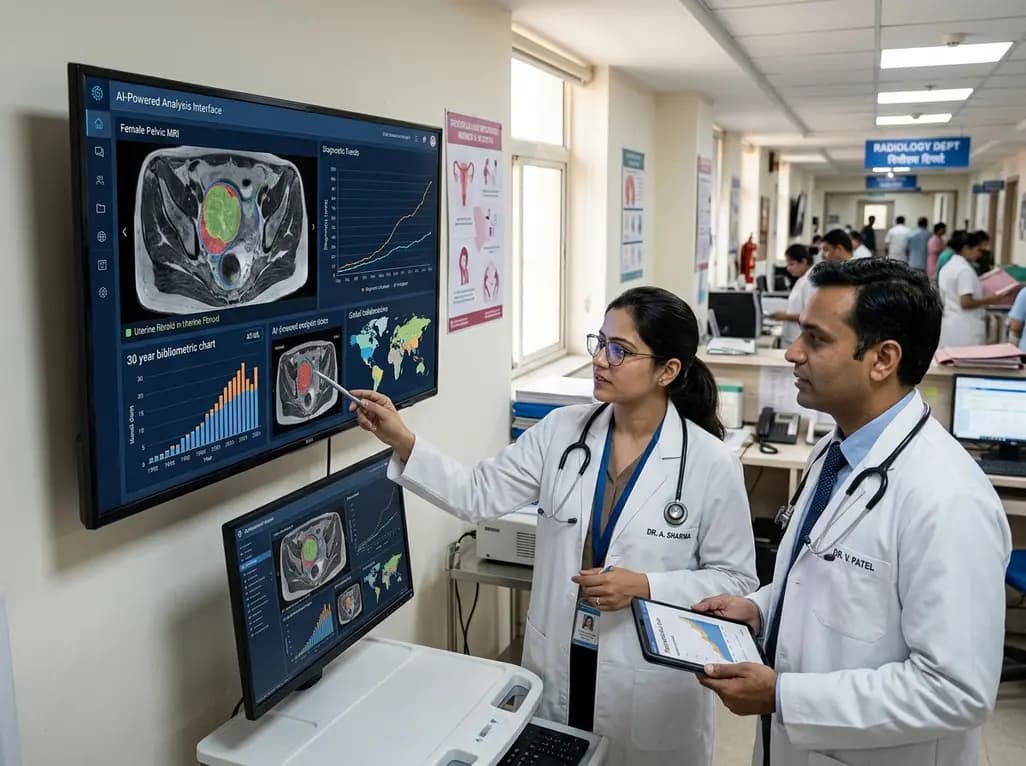
A 30-year bibliometric analysis highlights key research trends in AI in women's health from 1992 to 2024. Discover how evolving computational models, global institutional collaborations, and clinical decision support tools are shaping maternal, oncological, and reproductive care worldwide.
Today
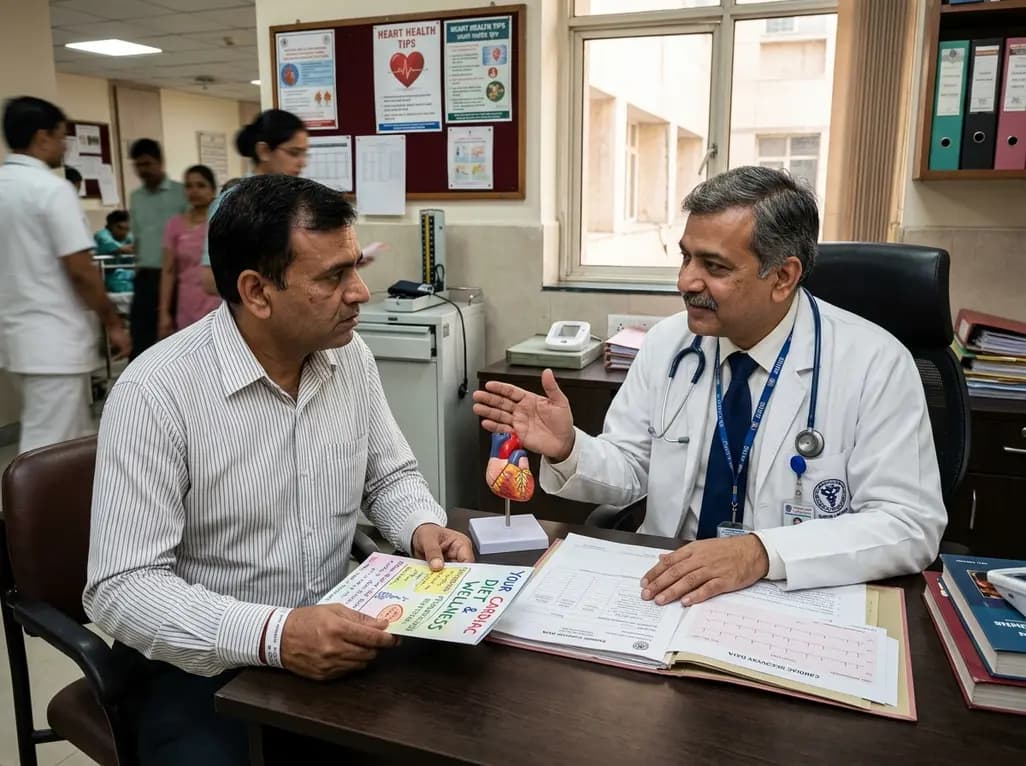
Cardiologists from premier institutes warn that viral diet trends like keto and intermittent fasting jeopardize cardiac recovery. Unsupervised dietary restriction can trigger electrolyte shifts, disrupt cardiovascular medications, and sabotage rehabilitation, necessitating personalized, physician-led nutrition.
Today
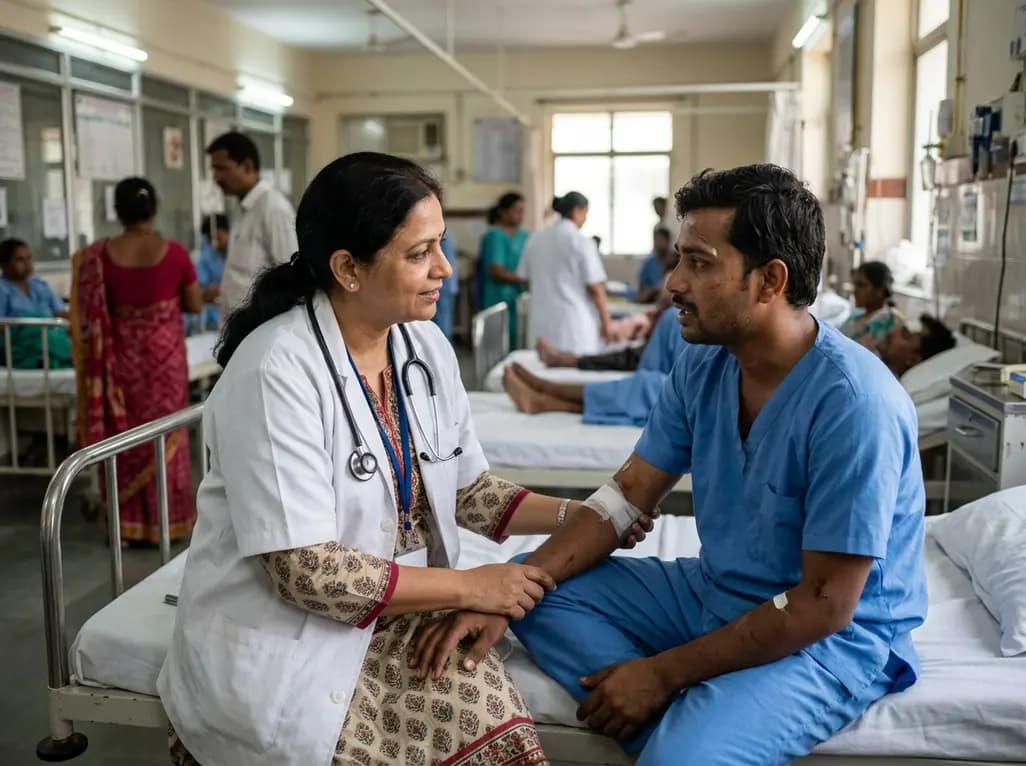
A Level I trauma center study shows a brief bedside mental health intervention boosts 30-day follow-up screening adherence by 84% in nonviolent injury patients. However, outcomes for violence survivors reveal critical care gaps, underscoring the urgent need for specialized community violence intervention programs.
Today
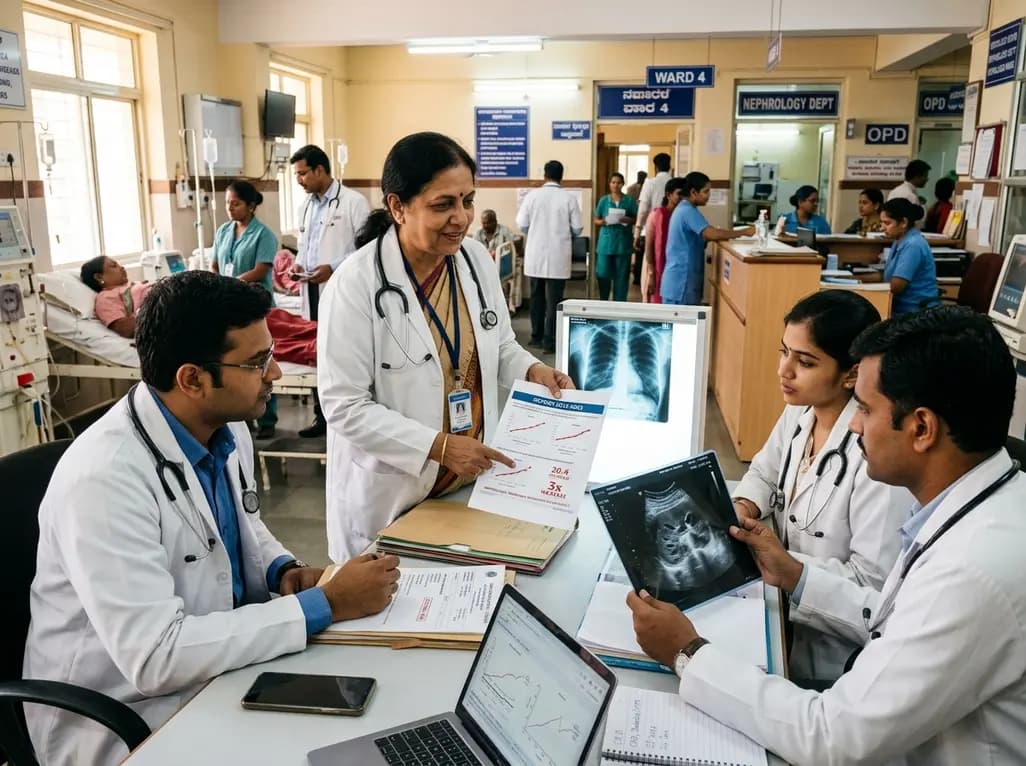
Recent data from Karnataka reveals a threefold surge in genitourinary and renal deaths over ten years. Driven by uncontrolled diabetes, hypertension, and emerging lifestyle hazards, this epidemiological shift highlights an urgent need for proactive screening and multidisciplinary nephrology management in primary care.
Today
