.webp&w=384&q=75)

Loading, please wait...
Loading, please wait...
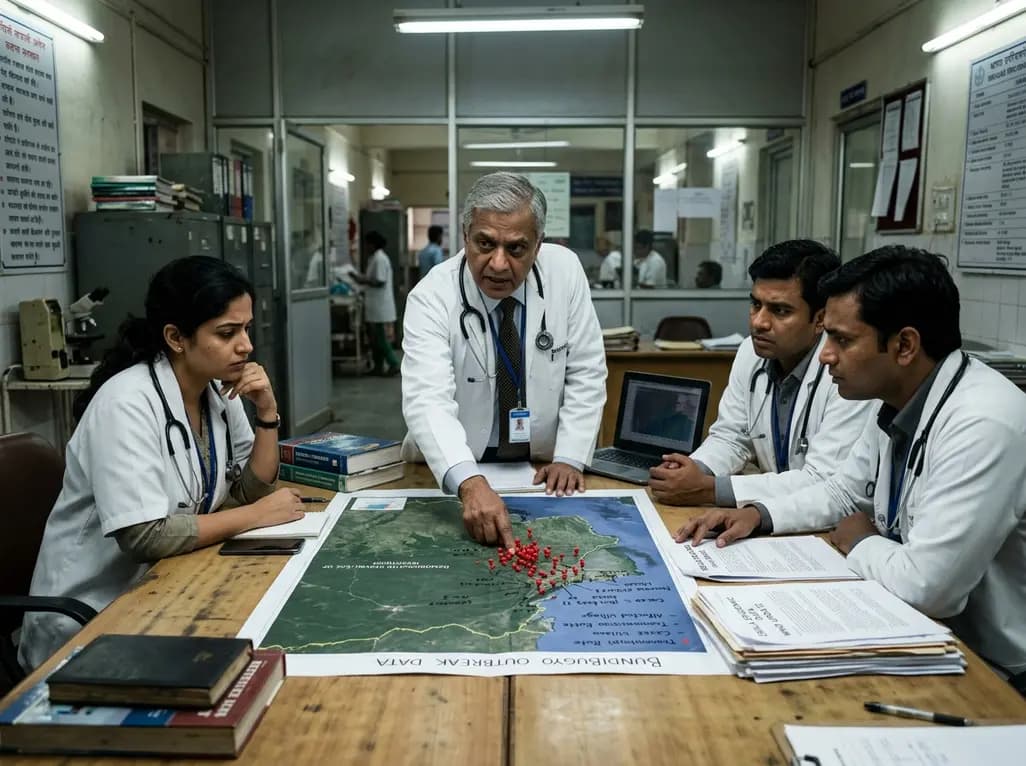
The ongoing Bundibugyo Ebola outbreak in the Democratic Republic of Congo has emerged as the second-largest Ebola epidemic recorded in history. Government data reveals rapid transmission outpacing field containment efforts across eastern provinces. Public health authorities report thousands of confirmed cases and high fatality figures, creating an urgent global health crisis. Unlike previous outbreaks driven by the Zaire strain, this epidemic involves a rarer viral species. Consequently, international agencies urge heightened global vigilance and swift deployment of resources. Furthermore, clinical teams must recognize the operational and epidemiological obstacles currently hindering disease control in affected communities.
Recent epidemiological figures demonstrate an alarming surge in disease transmission across multiple provinces. Official government reports confirm over 3,500 cases and more than 1,500 deaths in eastern Democratic Republic of Congo. Consequently, public health leaders classify this epidemic as the fastest-spreading Ebola outbreak ever recorded. In fact, official surveillance data shows that the virus killed five times as many individuals during its initial three months compared to previous outbreaks at the exact same stage. Currently, only the massive 2014 to 2016 West Africa epidemic surpasses these overall case counts. However, international health organizations warn that official statistics significantly underestimate the true epidemic scale. Specifically, ongoing surveillance gaps and unmonitored community infections suggest actual disease burden could be up to four times higher than reported. Therefore, emergency response teams face unprecedented logistical demands for patient isolation facilities, rapid diagnostic testing, and specialized supportive management protocols in heavily affected regions.
A primary factor complicating disease management is the underlying pathogen responsible for this crisis. The current epidemic stems from the rare Bundibugyo strain of the Ebola virus. Unfortunately, no approved vaccine or specific antiviral treatment currently exists for this viral species. Licensed vaccines, such as those successfully deployed against the Zaire strain, fail to provide cross-protective immunity against Bundibugyo virus infection. As a result, medical teams must rely exclusively on early, aggressive supportive medical care to reduce patient mortality rates. Clinical management protocols focus primarily on intravenous fluid rehydration, electrolyte balance restoration, organ system support, and symptomatic medical therapies. Furthermore, global research teams are currently accelerating early clinical trials for novel candidate vaccines and therapeutic antibodies. However, these experimental medical interventions remain unavailable for immediate widespread clinical field deployment. Consequently, rigorous infection prevention, early case identification, and strict isolation protocols remain the primary frontline strategies to interrupt ongoing community transmission chains.
Epidemiological containment efforts encounter severe real-world operational obstacles across eastern provinces. Dozens of active armed groups operate continuously within affected territories, creating pervasive insecurity for emergency health responders. Tragically, direct armed attacks on healthcare facilities, community workers, and medical transport units frequently halt critical clinical operations. Furthermore, deep foreign aid cuts have severely constrained operational budgets and essential resource availability in field hospitals. Consequently, emergency response teams lack sufficient transport vehicles, personal protective equipment, and basic medical supplies required for effective disease control. Additionally, international travel restrictions and mandatory quarantine orders have restricted the deployment of experienced foreign aid workers. As a result, non-governmental humanitarian organizations report scaling back medical treatment centers in high-transmission zones. Therefore, local healthcare personnel carry an immense operational burden while facing continuous personal safety threats and severe emotional exhaustion.
Effective disease surveillance relies fundamentally on strong community trust and accessible health infrastructure. However, current response operations suffer from widespread community mistrust and deep fear regarding mandatory institutional isolation. Consequently, many symptomatic individuals actively avoid formal medical facilities and seek care from traditional healers instead. This behavioral pattern perpetuates unmonitored community transmission and severely delays lifesaving supportive clinical care for infected individuals. Additionally, frontline health workers experience extreme physical fatigue and psychological trauma after months of continuous crisis response. Furthermore, public health education campaigns have struggled to correct widespread community misinformation regarding viral transmission mechanisms and safety protocols. To reverse these challenging health dynamics, public health agencies must partner directly with local community leaders and trusted traditional authorities. Ultimately, establishing open dialogue and restoring public confidence are indispensable steps to ensure effective contact tracing and epidemic control.
Financing the emergency containment response requires substantial and sustained international financial commitments. Regional public health organizations estimate that comprehensive outbreak containment plans require over one billion dollars to maintain essential field activities. However, declared funding secured to date falls far short of planned spending targets for emergency response phases. Consequently, major public health entities including Africa CDC and the World Health Organization face expanding financial deficits. This severe budget shortfall directly hinders diagnostic laboratory operations, contact tracing teams, and cross-border surveillance measures. Additionally, international public health experts warn that underfunded containment efforts jeopardize regional health security across neighboring East African countries. Therefore, global health organizations strongly urge international donors to mobilize immediate, flexible financial support. Ultimately, securing adequate funding is critical to scale up response infrastructure, protect healthcare workers, and halt further viral spread.
Q1: Why is the Bundibugyo strain particularly challenging to manage?
The Bundibugyo strain presents unique medical challenges because no licensed vaccines or specific antiviral therapies currently exist for this species. Existing Ebola vaccines specifically target the Zaire strain and offer no protective immunity against Bundibugyo infection. Consequently, clinical management relies entirely on early supportive care, electrolyte restoration, and strict infection control measures to prevent secondary hospital-acquired transmission.
Q2: How does the current epidemic compare to previous Ebola outbreaks?
This outbreak represents the fastest-spreading Ebola epidemic on record, exceeding 3,500 confirmed cases within months of detection. It is currently the second-largest Ebola epidemic in history, surpassed only by the 2014 to 2016 West Africa outbreak. During initial outbreak phases, fatality figures were five times higher than prior epidemics at the same stage, driven by rapid community spread and local conflict.
Q3: What immediate measures can mitigate viral transmission in high-risk zones?
Mitigating viral transmission requires rapid case identification, meticulous contact tracing, safe burial practices, and robust community engagement. Furthermore, establishing decentralized diagnostic facilities and supplying personal protective equipment to clinical personnel are essential actions. Rebuilding community trust and mitigating regional security risks are equally vital to ensure symptomatic patients seek timely medical evaluation and supportive clinical care.
Disclaimer: This content is for informational and educational purposes only. It does not constitute medical advice or replace professional judgment. Refer to the latest local and national guidelines for clinical practice.
References

Read summarized clinical updates, watch expert medical content, and earn CME certifications right from your smartphone.
Open your smartphone camera to scan and install.





The ongoing Bundibugyo Ebola outbreak in the Democratic Republic of Congo has become the second-largest Ebola epidemic in history. With over 3,500 cases reported, health responders face severe challenges, including a lack of approved vaccines, active conflict, community mistrust, and acute funding shortages.
last month

Emerging evidence shows that even dim night-time light exposure alters cardiac geometry and weakens contractility. In a landmark cohort study, nocturnal light above 3 lux triggered concentric left ventricular hypertrophy and subclinical dysfunction, highlighting nocturnal illumination as a modifiable cardiac risk factor.
Today
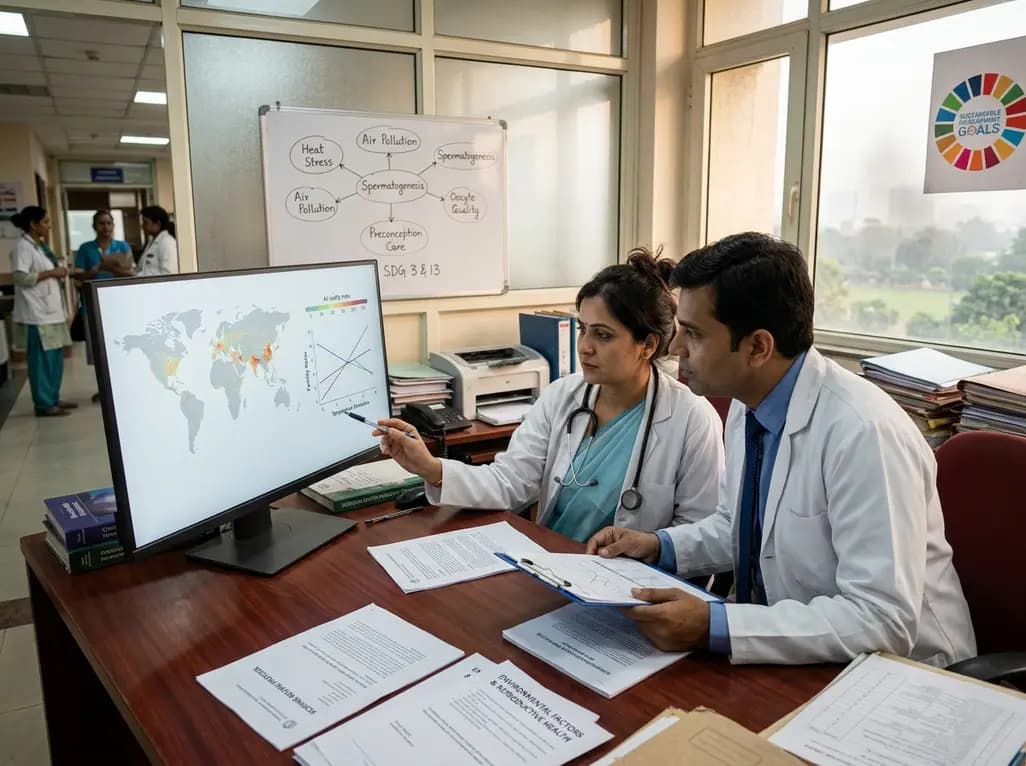
A new scoping review protocol systematically maps global evidence on how climatic shifts, ambient heat, and pollution impact human fertility. Discover key physiological mechanisms, clinical preconception strategies, and critical public health alignments under Sustainable Development Goals 3 and 13.
Today

Pharmacogenomics and artificial intelligence are revolutionizing cardiology by tailoring therapies to individual genetic profiles and clinical data, reducing adverse drug events, and improving cardiovascular patient outcomes.
Today
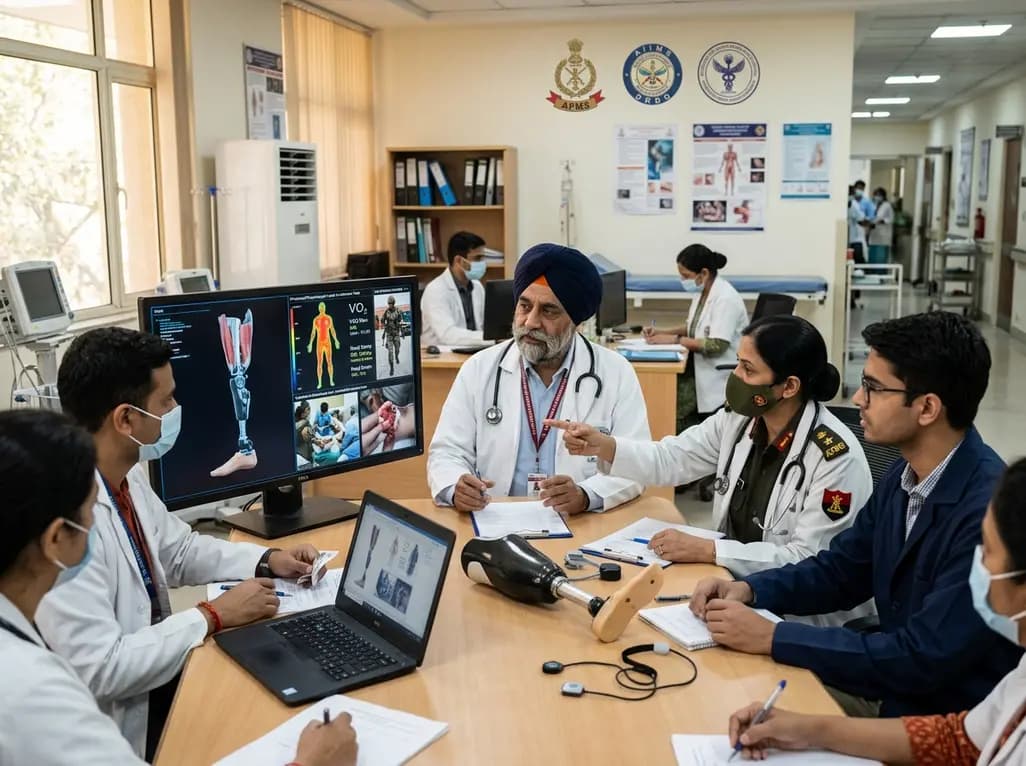
India's premier scientific bodies have joined the Armed Forces Medical Services to solve unique physiological and operational challenges faced by soldiers. The national collaboration covers combat casualty care, artificial intelligence diagnostics, bionic prosthetics, and extreme-environment physiological resilience.
Today
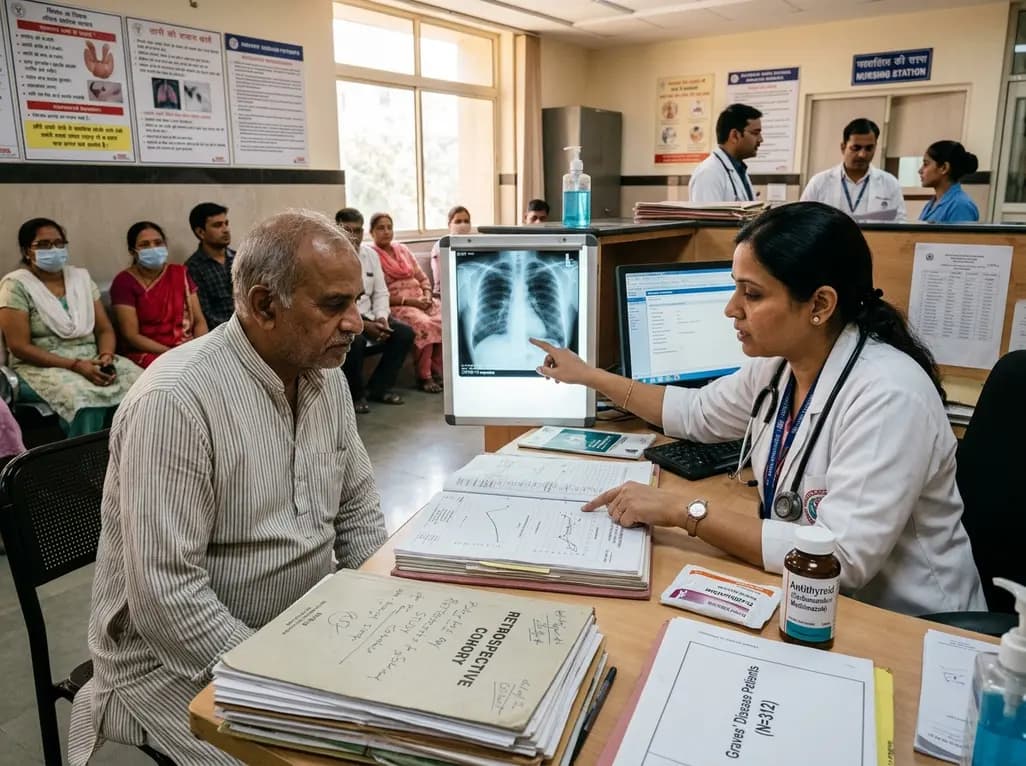
A retrospective cohort study evaluates the short- and long-term impacts of SARS-CoV-2 infection on patients with Graves' disease receiving antithyroid drug therapy, highlighting thyroid status destabilization, clinical symptom exacerbations, and post-viral sequelae.
Today
