.webp&w=384&q=75)

Loading, please wait...
Loading, please wait...

A recent ICMR study highlights the BPaL TB regimen India. This evaluation, published in the IJMR, shows that shorter treatment cycles for drug-resistant tuberculosis are cost-effective. Researchers at the NIRT compared six-month regimens against longer protocols. Their findings suggest these protocols enhance health outcomes and reduce costs.
The study focused on the BPaL regimen, including Bedaquiline, Pretomanid, and Linezolid. Additionally, it assessed the BPaLM regimen, which incorporates Moxifloxacin. The BPaL protocol is both effective and economical. The healthcare system saves Rs 379 per patient for every additional quality-adjusted life year gained. Consequently, this transition benefits both patients and providers.
Furthermore, the BPaLM regimen showed high cost-effectiveness. The analysis indicates an additional expenditure of just Rs 37 per patient per QALY. Both options offer a sustainable alternative to standard 9-to-11-month plans. Notably, these results underscore the importance of resource optimization.
Managing drug-resistant tuberculosis is traditionally very challenging. Long treatment durations often cause adverse effects and poor adherence. However, shorter all-oral regimens address these issues by simplifying the process. They reduce patient morbidity and enable a faster return to life. Moreover, these plans lower the overall burden on clinics. By aligning with national priorities, these regimens support TB elimination.
Q1: What is the primary advantage of the BPaL regimen?
The BPaL regimen reduces treatment duration from 18-20 months to just six months. Additionally, it is an all-oral treatment, which improves patient adherence.
Q2: How much does the health system save with the BPaL TB regimen India?
According to the ICMR study, the BPaL regimen saves Rs 379 per patient for each additional quality-adjusted life year gained.
Q3: Is the BPaLM regimen cost-effective?
Yes, the BPaLM regimen is highly cost-effective, costing only Rs 37 more per patient per additional QALY gained.
Disclaimer: This content is for informational and educational purposes only. It does not constitute medical advice or replace professional judgment. Refer to the latest local and national guidelines for clinical practice.
References

Read summarized clinical updates, watch expert medical content, and earn CME certifications right from your smartphone.
Open your smartphone camera to scan and install.





ICMR study finds 6-month all-oral BPaL and BPaLM regimens for MDR-TB are highly cost-effective and improve patient outcomes compared to current long-term pl...
8 months ago
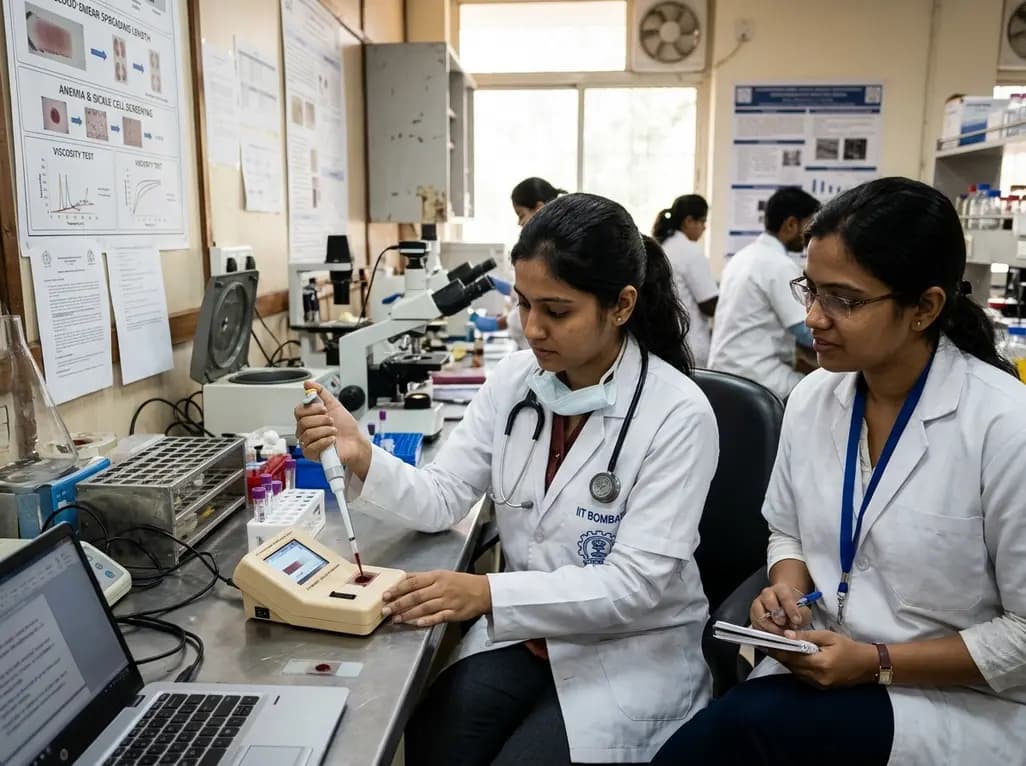
Researchers at IIT Bombay have engineered an automated, cost-effective point-of-care device that diagnoses anaemia and sickle cell disease from a single drop of blood. By measuring blood smear spreading length, this portable tool assesses blood viscosity to offer rapid screening in resource-limited healthcare centers.
Today
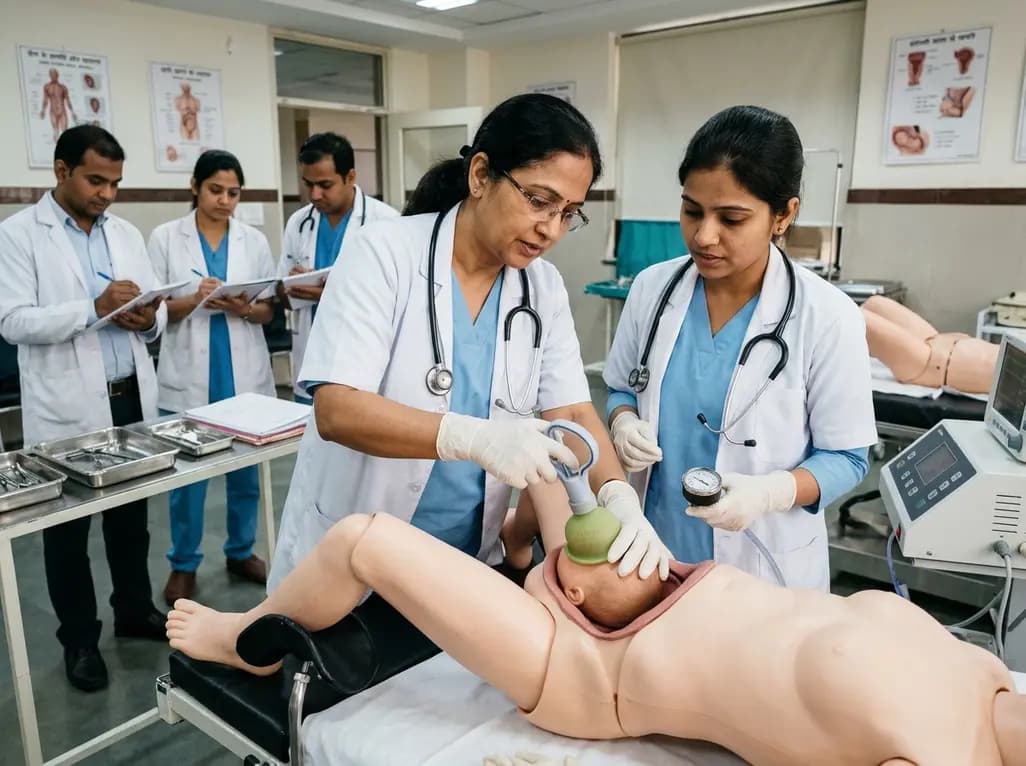
A multicenter study evaluates whether standardized simulation training reduces cup detachment during vacuum-assisted vaginal birth. Evidence-based simulation equips obstetricians to improve cup placement, reduce maternal-fetal trauma, and optimize clinical decision-making during operative deliveries.
Today
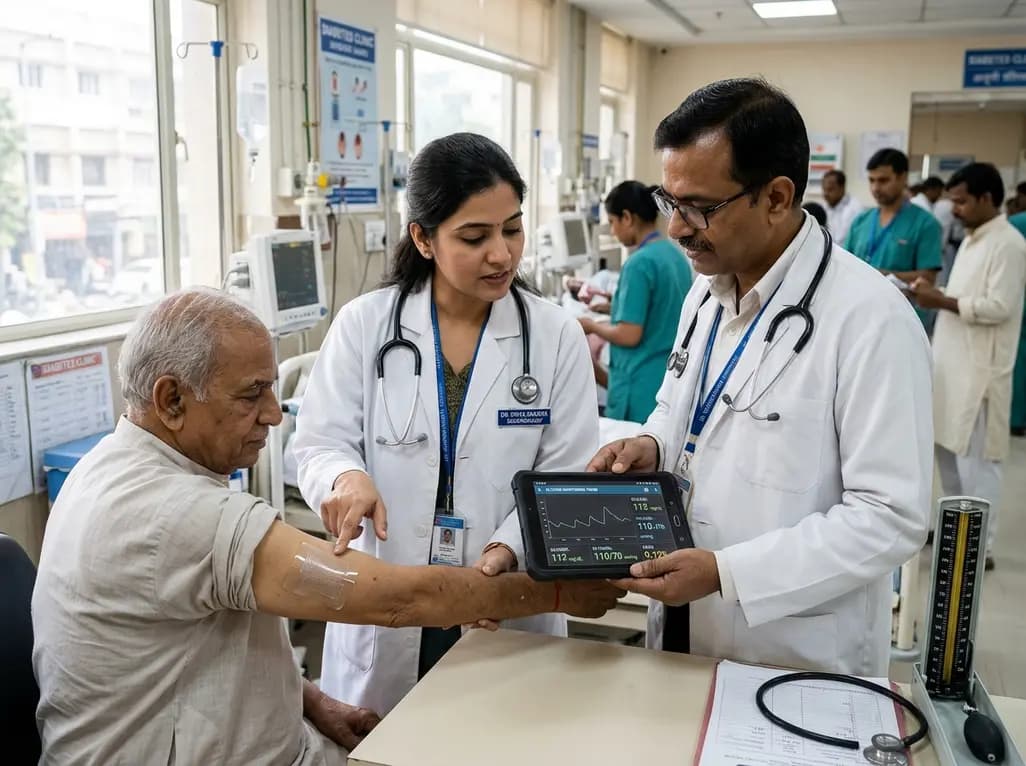
A breakthrough ultrathin multimodal sensor decouples physical hemodynamic monitoring from disposable electrochemical calibration, achieving long-term wearable glucose prediction with 81.36% accuracy and a 9.12% MARD. This offers a robust, drift-free solution for outpatient metabolic surveillance.
Today
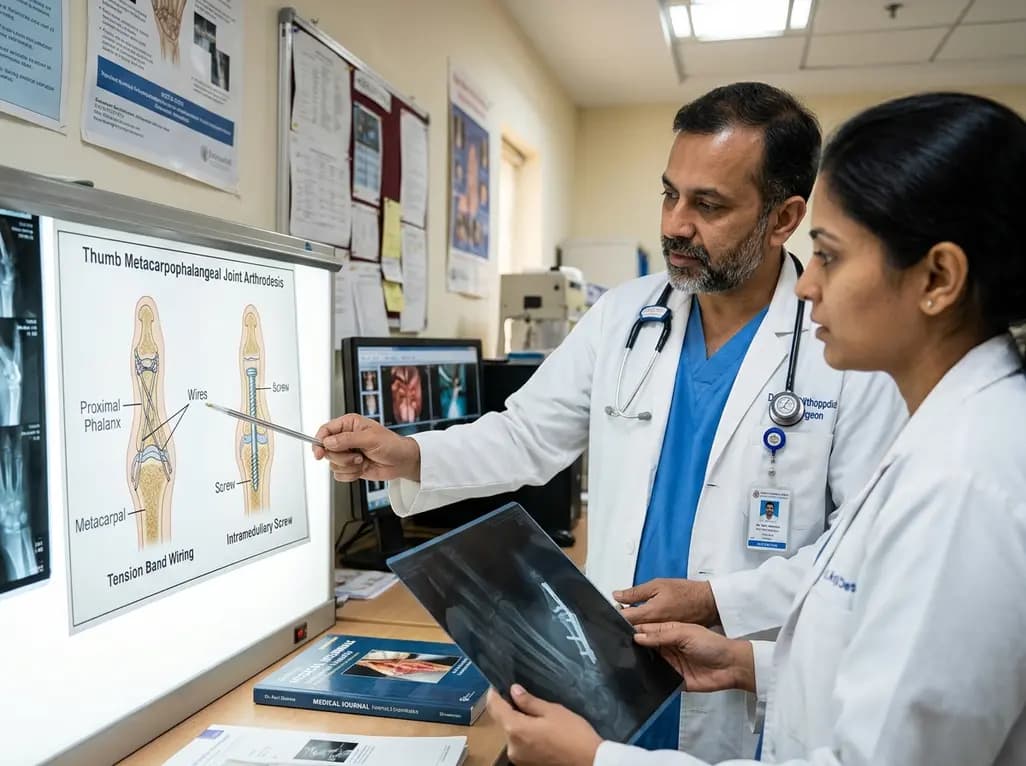
A comparative review of tension band wiring and intramedullary screw fixation in thumb metacarpophalangeal arthrodesis, evaluating union rates, hardware complications, and clinical outcomes.
Today

Following regulatory scrutiny from FSSAI regarding promotional representations and lean muscle preservation claims, Dr. Reddy's Laboratories and Nestlé Health Science are currently reviewing the branding and marketing strategy for their joint nutritional supplement Celevida GLP+.
Today
