.webp&w=384&q=75)

Loading, please wait...
Loading, please wait...

Rapid recanalization remains the gold standard for acute ischemic stroke caused by large vessel occlusion. Clinicians frequently evaluate baseline clinical markers to predict mechanical thrombectomy outcomes and identify patients who benefit most from rapid intervention. Among demographic parameters, body mass index represents an immediately accessible metric at hospital presentation. However, existing medical literature presents conflicting evidence regarding how body habitus influences post-stroke recovery. While obesity represents an established risk factor for vascular occlusive events, some registries suggest that overweight individuals achieve favorable post-stroke survival. Conversely, underweight stroke patients consistently demonstrate higher frailty and diminished functional recovery. To address these controversies, investigators conducted a retrospective cohort analysis at a comprehensive stroke center. The study evaluated patients undergoing mechanical thrombectomy over an eight-year observation window from 2016 through 2024. Furthermore, researchers specifically examined whether body mass index categories correlate with discharge disability and survival. Understanding these relationships enables interventional neurologists and critical care teams to refine acute stroke prognostication. In this article, we examine the physiological mechanisms linking body composition to clinical recovery after endovascular therapy.
The concept of the obesity paradox has spurred intense scientific discussion within neurovascular circles. Historically, clinicians viewed excess adipose tissue solely as a cardiovascular liability. Nevertheless, numerous observational trials in stroke and coronary disease document lower mortality among mildly obese patients. Researchers frequently hypothesize that higher metabolic reserves protect patients during the hypercatabolic post-stroke recovery phase. In addition, adipose tissue secretes neuroprotective adipokines that potentially attenuate ischemic injury and cerebral inflammation. However, severe obesity carries adverse biomechanical and hemodynamic consequences. Marked arterial stiffness, poorly controlled hypertension, and prothrombotic phenotypes can counteract these protective biological mechanisms. Moreover, sarcopenic obesity complicates clinical assessments, as loss of lean muscle mass often hides beneath excess fat. Therefore, clinicians must avoid oversimplifying body habitus during emergency evaluations. Consequently, contemporary neurointerventional trials evaluate stratified body mass index cohorts rather than treating weight as a simple linear variable. Through rigorous multivariable adjustments, recent stroke center data deliver deeper clarity regarding how body composition influences cerebral revascularization success. Accordingly, treating physicians can better anticipate systemic complications while tailoring inpatient recovery plans.
The newly published investigation from the comprehensive stroke center reviewed consecutive endovascular thrombectomy cases across eight years. Specifically, investigators analyzed primary functional recovery using the modified Rankin Scale score at hospital discharge. Secondary endpoints included ninety-day functional independence, symptomatic intracranial hemorrhage, and all-cause in-hospital mortality. Patients were categorized into underweight, normal weight, overweight, and obese cohorts based on established criteria. Interestingly, multivariable regression models indicated that overweight and moderately obese individuals achieved functional recovery rates comparable to normal-weight peers. Furthermore, the analysis highlighted an elevated risk profile among patients presenting with low baseline weight. Underweight individuals suffered substantially worse discharge disability and exhibited significantly higher mortality rates. Severe nutritional depletion, pre-existing systemic frailty, and limited cardiac reserves explain these adverse outcomes among underweight stroke victims. Meanwhile, class-specific obesity did not compromise angiographic recanalization rates. However, morbidly obese individuals required longer intensive care monitoring due to ventilatory dependencies. Ultimately, this comprehensive institutional dataset underscores that extremes of body mass index dictate distinct clinical trajectories during recovery.
Technical execution during catheter-based thrombectomy directly influences patient survival and long-term functional recovery. Neurointerventionists often encounter vascular challenges when treating patients with elevated body mass index. For example, arterial tortuosity and groin hematoma risks complicate femoral sheath placement in obese individuals. Nevertheless, institutional procedural records demonstrate that groin puncture-to-recanalization times remain uniform across all weight brackets. Experienced neurovascular operators consistently achieve high rates of successful reperfusion regardless of patient body habitus. Additionally, radial access strategies and ultrasound guidance effectively mitigate femoral vascular access complications. When examining safety endpoints, researchers found no significant increase in symptomatic intracranial hemorrhage among obese individuals. However, systemic complications differed considerably across body composition cohorts during neurocritical care stays. Obese patients experienced higher rates of aspiration pneumonia and prolonged mechanical ventilation. Conversely, underweight patients experienced higher rates of decubitus ulcers and septic shock. Therefore, neurointensive care units must prepare for predictable complications tailored to patient body composition. Proactive clinical management ensures procedural recanalization translates into durable neurological recovery.
These registry findings hold profound clinical implications for stroke teams across Indian medical centers. Notably, the South Asian population exhibits unique phenotypic features, including elevated abdominal adiposity at lower body mass index thresholds. Consequently, standard international cutoff values may underestimate metabolic vulnerability in Indian stroke patients. Clinicians in Indian emergency rooms frequently evaluate individuals presenting with combined sarcopenia, central adiposity, and diabetes mellitus. Therefore, comprehensive stroke centers should evaluate body composition metrics rather than relying exclusively on height-weight calculations. Furthermore, Indian neurointerventional teams must never withhold mechanical thrombectomy based on high or low body weight. Prompt arterial recanalization remains the most effective intervention for salvaging ischemic penumbra regardless of body size. Post-procedure protocols must prioritize early enteral nutritional support for underweight and frail patients. Simultaneously, neurocritical care staff must implement aggressive venous thromboembolism prophylaxis and respiratory therapy for obese patients. Thus, tailored multidisciplinary stroke care pathways bridge the gap between acute mechanical recanalization and long-term patient autonomy.
Current clinical evidence confirms that elevated body mass index does not diminish the technical effectiveness of mechanical thrombectomy. Experienced neurointerventionists achieve comparable revascularization success and procedure durations across weight categories. While obesity increases secondary medical risks, it does not impair clot retrieval or intracranial arterial recanalization in acute stroke patients.
Underweight patients often suffer from pre-existing frailty, severe nutritional depletion, and reduced metabolic reserves, which hinder post-stroke rehabilitation. Additionally, systemic catabolism and increased vulnerability to hospital-acquired infections contribute to elevated mortality. Consequently, low baseline weight serves as an important warning sign of frailty, necessitating aggressive inpatient nutritional support and vigilant neurocritical monitoring.
Clinicians should never exclude patients from mechanical thrombectomy solely based on body mass index parameters. Every patient presenting with an eligible large vessel occlusion deserves timely endovascular evaluation. Instead, treating teams should utilize body mass index data to anticipate post-procedural nursing needs, optimize airway management, and institute targeted metabolic and physical therapy.
Disclaimer: This content is for informational and educational purposes only... Refer to the latest local and national guidelines for clinical practice.
References

Read summarized clinical updates, watch expert medical content, and earn CME certifications right from your smartphone.
Open your smartphone camera to scan and install.





A comprehensive stroke center study evaluates the association between body mass index (BMI) and mechanical thrombectomy outcomes in acute ischemic stroke, addressing the obesity paradox and prognostic factors.
Today

A crossover study demonstrates that locally deployed large language models with exact-match knowledge augmentation significantly elevate outpatient prescription review accuracy to 97.2%, curbing hallucinations and securing patient data without requiring complex cloud infrastructure.
Today
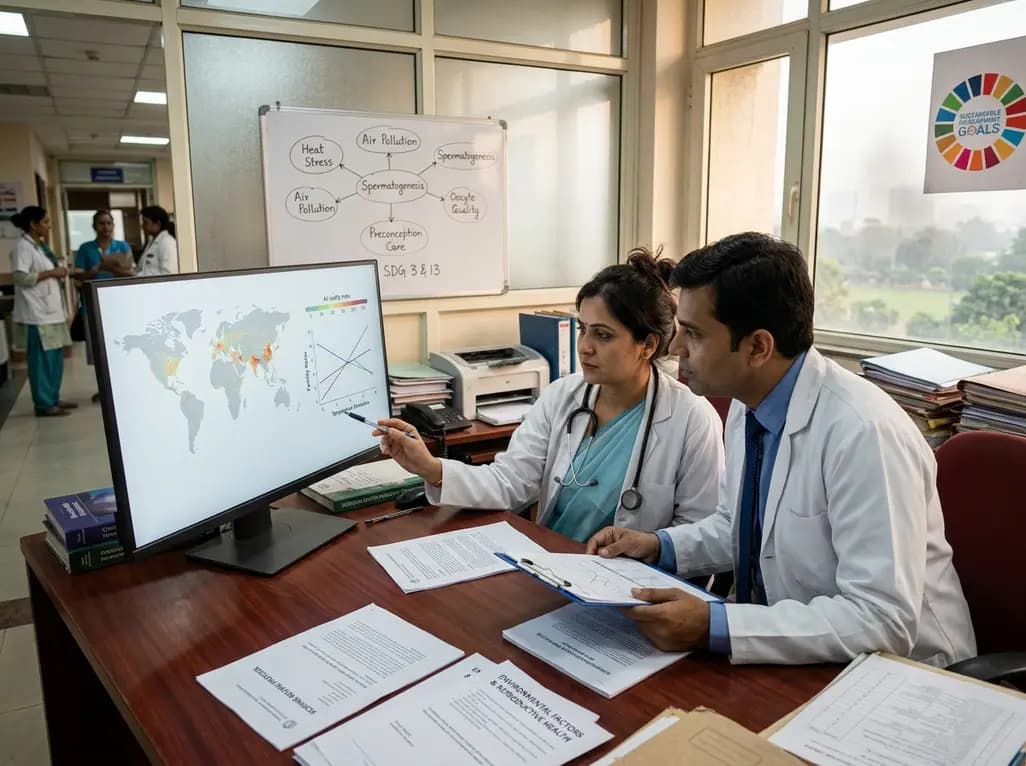
A new scoping review protocol systematically maps global evidence on how climatic shifts, ambient heat, and pollution impact human fertility. Discover key physiological mechanisms, clinical preconception strategies, and critical public health alignments under Sustainable Development Goals 3 and 13.
Today
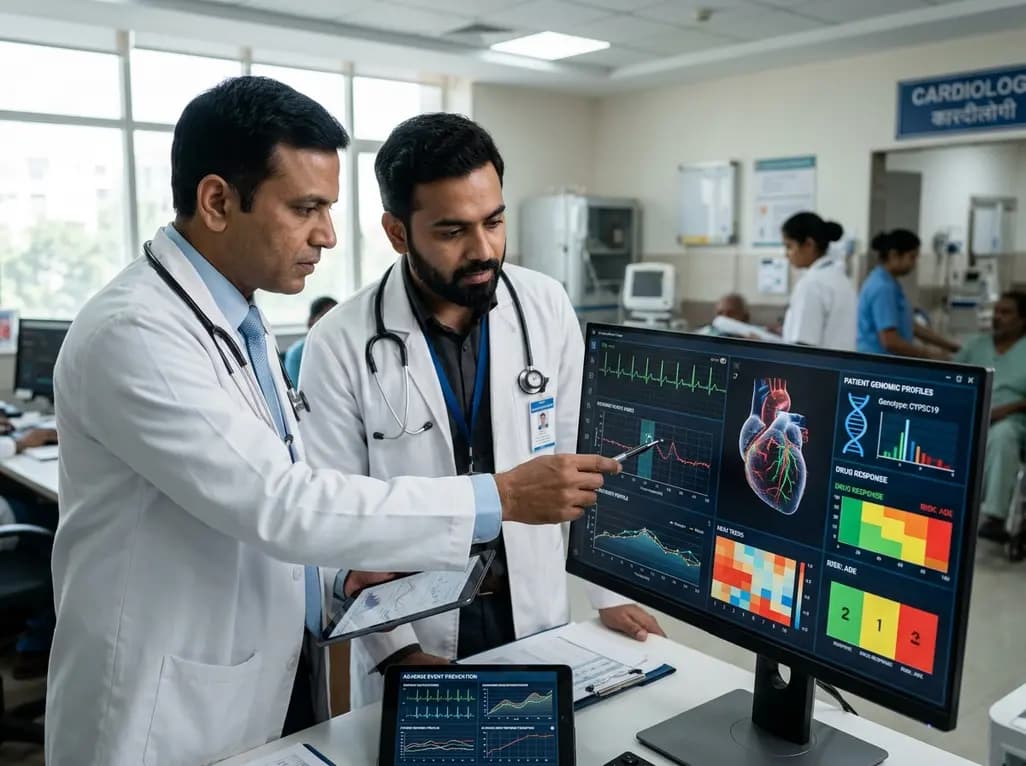
Pharmacogenomics and artificial intelligence are revolutionizing cardiology by tailoring therapies to individual genetic profiles and clinical data, reducing adverse drug events, and improving cardiovascular patient outcomes.
Today
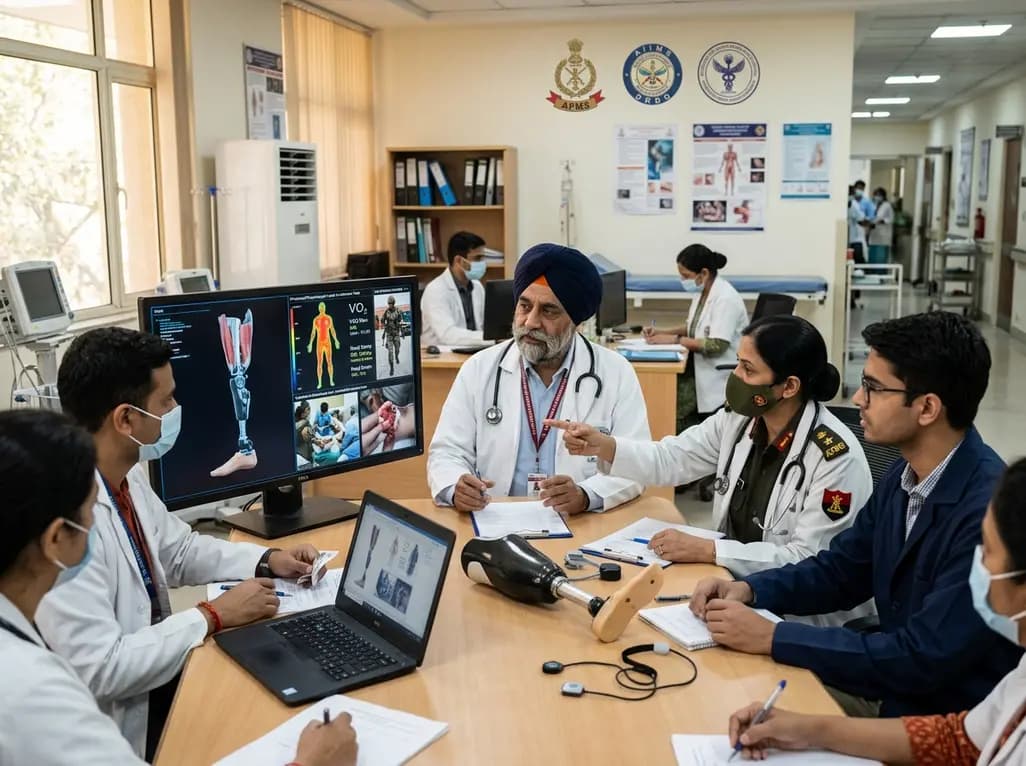
India's premier scientific bodies have joined the Armed Forces Medical Services to solve unique physiological and operational challenges faced by soldiers. The national collaboration covers combat casualty care, artificial intelligence diagnostics, bionic prosthetics, and extreme-environment physiological resilience.
Today
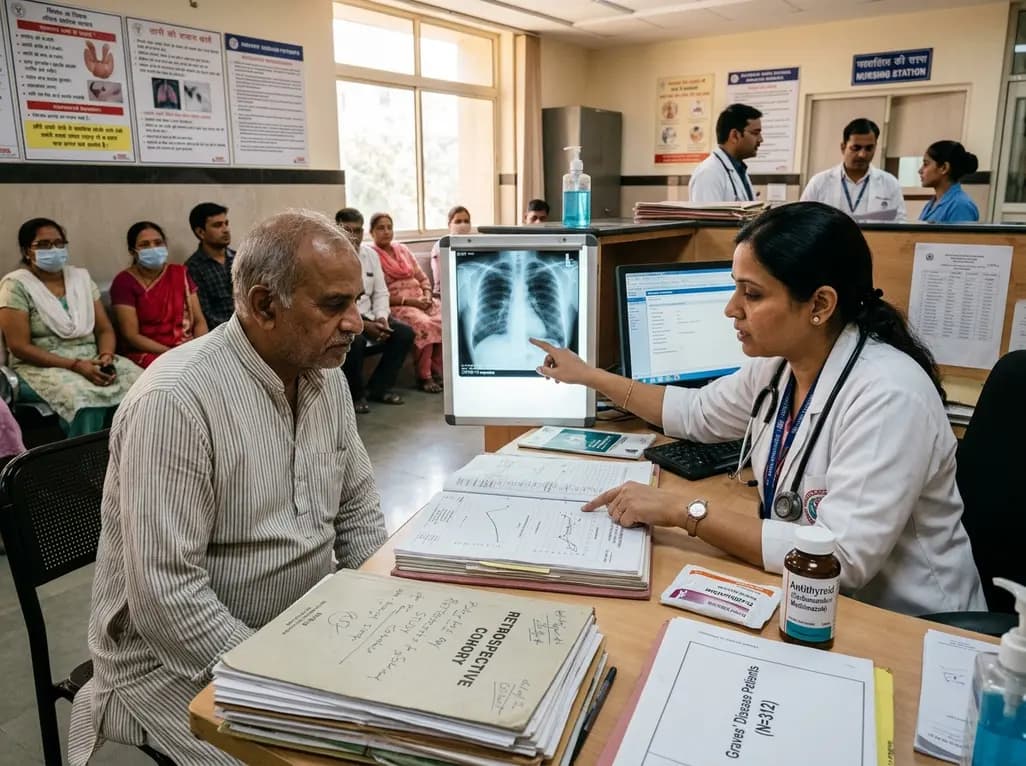
A retrospective cohort study evaluates the short- and long-term impacts of SARS-CoV-2 infection on patients with Graves' disease receiving antithyroid drug therapy, highlighting thyroid status destabilization, clinical symptom exacerbations, and post-viral sequelae.
Today
