.webp&w=384&q=75)

Loading, please wait...
Loading, please wait...
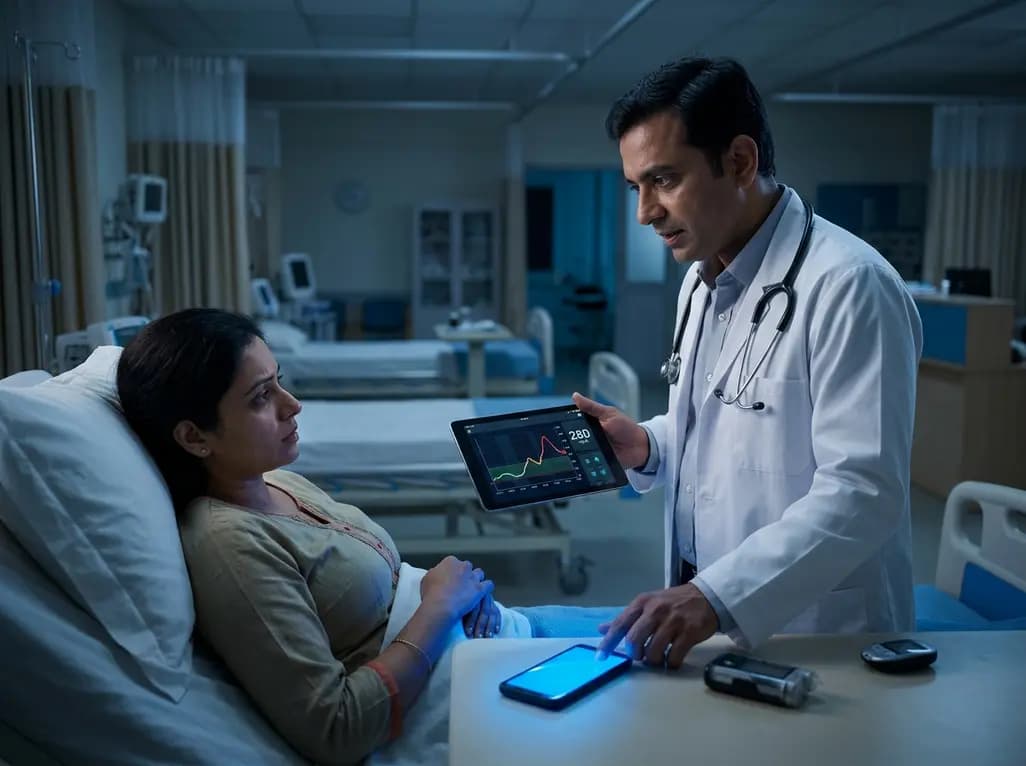
Recent research indicates that blue light and diabetes management have a significant connection that clinicians must address. A study published in the Journal of Sleep Research investigated how blue light exposure during sleep (LEDS) impacts adults with Type 1 Diabetes (T1D). Although sleep health is a cornerstone of diabetes care, nighttime light exposure is often a neglected variable in glycemic control strategies.
The study utilized data from 170 participants, tracking their light exposure via actigraphy and glucose levels through continuous glucose monitoring. Results demonstrated that higher blue LEDS exposure significantly correlates with reduced time in the target glucose range of 70-180 mg/dL. Moreover, increased light exposure was associated with higher instances of hyperglycemia, where glucose levels exceeded 180 mg/dL. Additionally, exposure to light one hour before bedtime was linked to increased levels of fatigue the following day.
The implications of this study extend beyond blood sugar levels to encompass psychosocial well-being. Participants with higher blue light exposure reported increased symptoms of anxiety and depression. Furthermore, these individuals often reported a lower diabetes-specific quality of life. Because blue light exposure is a modifiable factor, it presents a unique opportunity for intervention. Consequently, optimizing the sleep environment by reducing blue light may improve both metabolic and mental health outcomes in T1D patients.
Yes, exposure to blue light during sleep can disrupt circadian rhythms, which negatively impacts glucose metabolism and leads to higher blood sugar levels in people with Type 1 Diabetes.
Studies show that increased blue light exposure during sleep is linked to higher symptoms of anxiety and depression, potentially due to the disruption of restorative sleep cycles.
Patients can use blue light filters on devices, wear blue-light-blocking glasses in the evening, and ensure their sleeping environment is completely dark to mitigate these risks.
Disclaimer: This content is for informational and educational purposes only and does not constitute medical advice, diagnosis, or treatment. Always seek the advice of your physician or other qualified health provider with any questions regarding a medical condition. Refer to the latest local and national guidelines for clinical practice.
References

Read summarized clinical updates, watch expert medical content, and earn CME certifications right from your smartphone.
Open your smartphone camera to scan and install.





A study reveals that blue light exposure during sleep (LEDS) is linked to hyperglycemia and worse psychosocial outcomes in adults with Type 1 Diabetes....
4 months ago
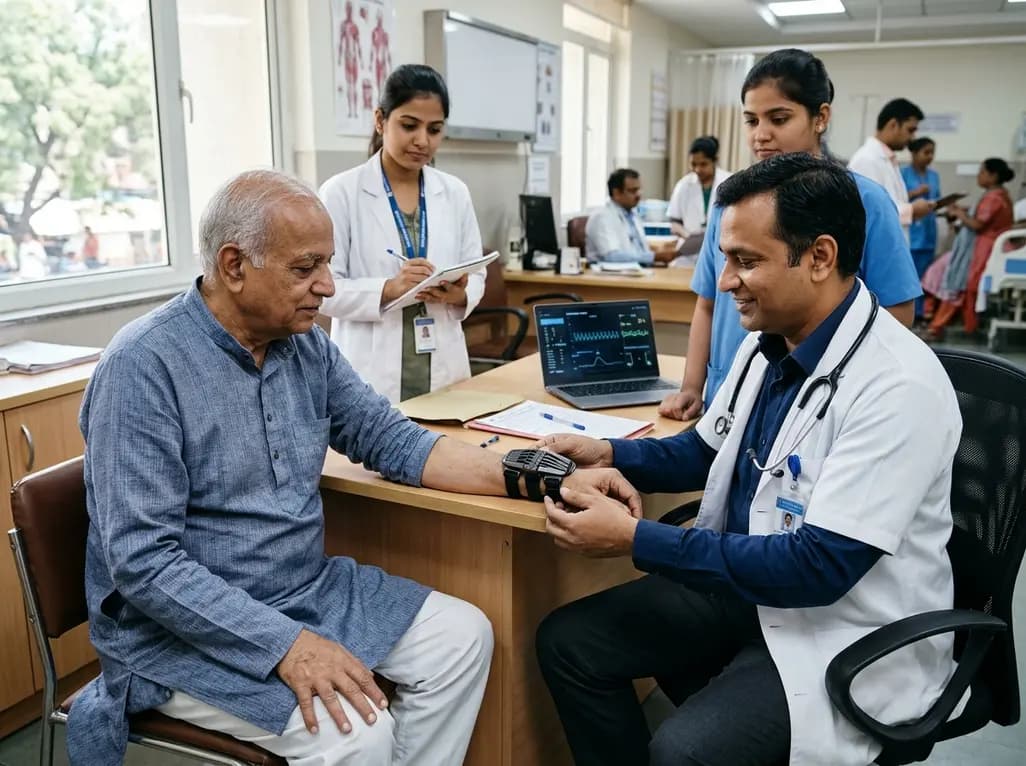
The TREM-AB open-label pilot study evaluated a wearable passive nonlinear vibration absorber for essential tremor. The Nonlinear Energy Sink bracelet reduced clinical Fahn-Tolosa-Marin tremor scores by 32.1% and electrophysiological tremor power by 49.2% with no adverse effects reported.
Today

A study in JAMIA Open shows lightweight open-source reasoning LLMs achieve up to 95% sensitivity and accelerate evidence synthesis screening by nearly twentyfold, presenting a cost-effective, scalable AI solution for biomedical research and systematic reviews.
Today
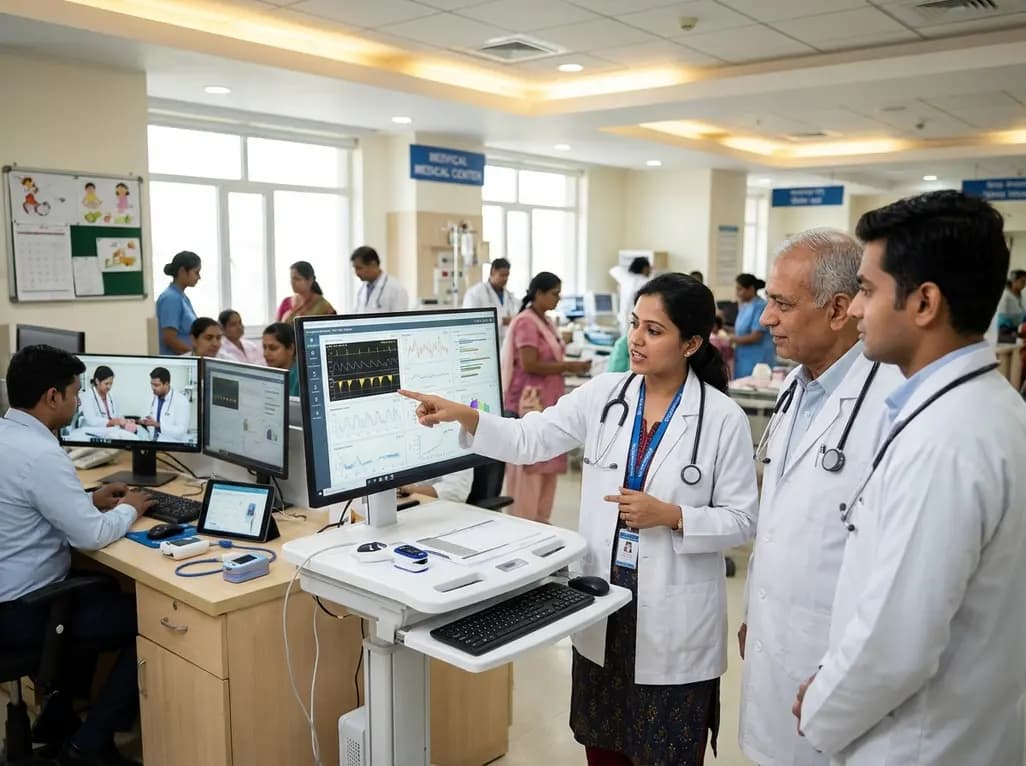
A landmark study details how an enterprise pediatric remote patient management model expanded from a single cardiology pilot to 16 diverse specialty programs by combining centralized digital operations with specialty clinical leadership.
Today
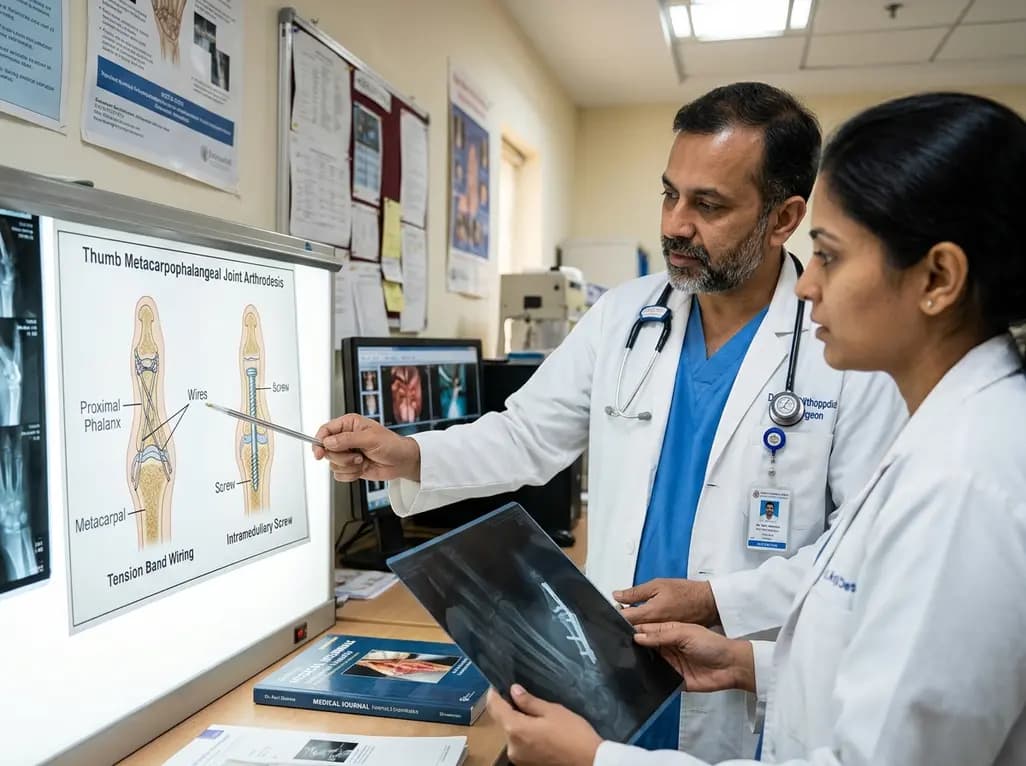
A comparative review of tension band wiring and intramedullary screw fixation in thumb metacarpophalangeal arthrodesis, evaluating union rates, hardware complications, and clinical outcomes.
Today
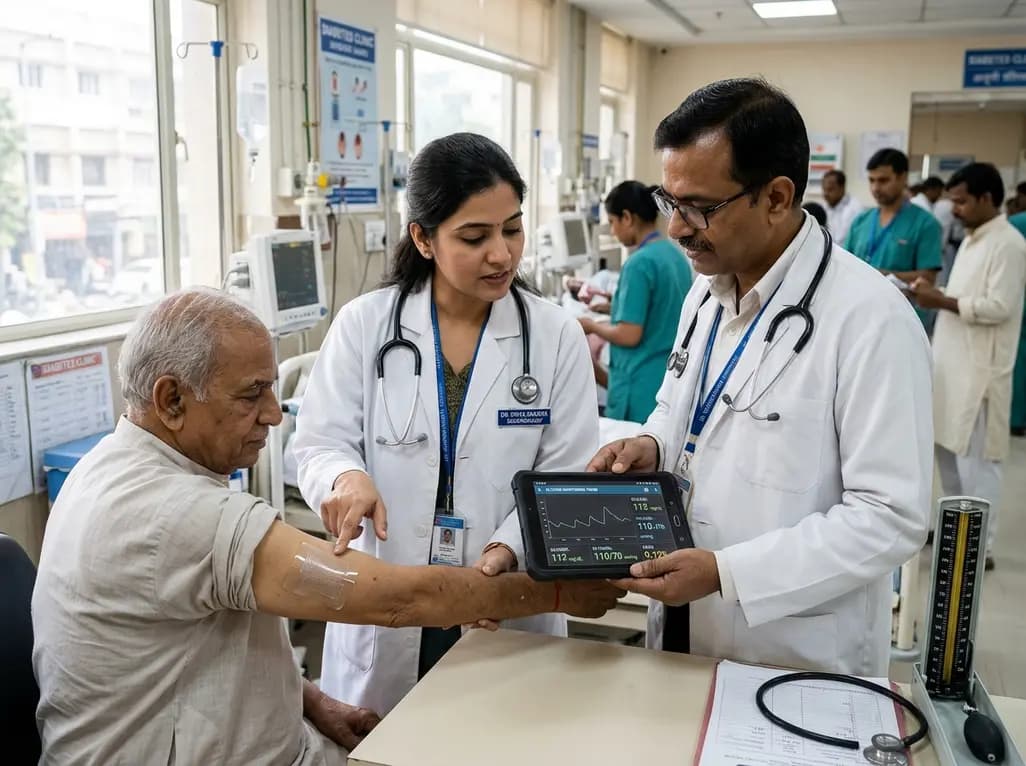
A breakthrough ultrathin multimodal sensor decouples physical hemodynamic monitoring from disposable electrochemical calibration, achieving long-term wearable glucose prediction with 81.36% accuracy and a 9.12% MARD. This offers a robust, drift-free solution for outpatient metabolic surveillance.
Today
