

Loading, please wait...
Loading, please wait...

Langerhans cell histiocytosis represents an inflammatory myeloid neoplasm that predominantly impacts young children. Somatic alterations in mitogen-activated protein kinase pathway genes drive its clonal proliferation, and the BRAFV600E variant represents the most frequent genetic aberration. Clinicians observe diverse clinical manifestations, ranging from self-limiting unifocal osteolytic lesions to life-threatening disseminated disease. Standard prognostic models historically relied solely on anatomical organ involvement. Consequently, patients with multi-system disease affecting risk organs like the liver, spleen, and bone marrow face substantial recurrence risks. However, traditional clinical staging often fails to predict therapeutic failure or disease relapse accurately. Furthermore, repeated surgical tissue biopsies carry substantial procedural morbidity in infants and young children. In addition, bone and deep visceral lesions present distinct diagnostic sampling hazards. Liquid biopsy monitoring provides an elegant, non-invasive alternative to evaluate real-time clone dynamics. Therefore, investigators from the European Consortium for Histiocytosis analyzed peripheral blood specimens from 226 pediatric patients. Notably, these patients received care according to uniform international LCH-IV protocols. This milestone study establishes how circulating mutational burden correlates with long-term clinical outcomes.
Liquid biopsy approaches utilize two primary peripheral blood compartments to track circulating tumor burden. Specifically, clinicians can isolate circulating cell-free DNA from plasma or extract cellular genomic DNA from peripheral blood mononuclear cells. Historically, diagnostic laboratories lacked consensus regarding which biological substrate provides superior diagnostic precision. To resolve this dilemma, the European Consortium for Histiocytosis systematically compared both substrates in pediatric cohorts at baseline diagnosis. In patients presenting with multi-system Langerhans cell histiocytosis, the investigators observed remarkable concordance between cell-free DNA and cellular DNA fractions. Consequently, either blood substrate reliably detects the circulating BRAFV600E mutation in widespread disease. However, single-system presentations demonstrated a noticeably lower circulating clone abundance. In these localized cases, evaluating cell-free DNA alone missed a proportion of positive individuals. Similarly, testing only mononuclear cell DNA yielded occasional false negatives. Importantly, combining both liquid substrates significantly improved diagnostic sensitivity in localized cases. Thus, comprehensive testing strategies provide maximum diagnostic yield when analyzing low-burden presentations. As a result, clinicians should collect both plasma and cellular fractions to ensure thorough genetic assessment.
Quantifying circulating variant allele frequency delivers far greater prognostic clarity than simple qualitative detection. Therefore, the investigators utilized highly sensitive digital droplet PCR and allele-specific PCR assays across five partner laboratories. These modern molecular platforms permitted reliable quantification with extremely low limits of quantification. Specifically, the analytical limit of quantification was defined as 0.1% for circulating cell-free DNA and 0.01% for peripheral blood mononuclear cell DNA. The researchers correlated baseline allelic burden with two-year event-free survival to define actionable clinical cutoffs. In addition, distinct disease presentations demonstrated unique risk thresholds. For patients with single-system disease or multi-system disease without risk-organ involvement, any quantifiable mutation at or above the limit of quantification indicated an inferior prognosis. Conversely, patients with multi-system disease involving risk organs already harbored high circulating burdens. In this high-risk cohort, a circulating BRAFV600E burden exceeding 1% in either plasma or cellular fractions predicted worse survival outcomes. Consequently, these standardized thresholds establish precise parameters for baseline clinical risk stratification. Clinicians can utilize these objective molecular thresholds to anticipate early treatment failure.
The study evaluated how these defined molecular thresholds translated into practical clinical prognostic accuracy. Multivariable statistical models incorporated conventional risk parameters, including patient age, clinical staging, and established risk-organ status. Crucially, baseline BRAFV600E mutational burden remained an independent negative predictor of two-year event-free survival. Patients exhibiting mutation levels at or above the limit of quantification faced double the hazard of disease progression or reactivation compared to negative peers. Furthermore, patients with risk-organ-positive disease harboring an allelic burden of at least 1% demonstrated more than a fourfold increase in adverse events. These striking hazard ratios highlight the profound clinical impact of quantitative liquid biopsy. In addition, the researchers analyzed serial blood specimens obtained after six weeks of induction chemotherapy with vinblastine and prednisone. Persistent circulating mutation after induction therapy strongly correlated with subsequent disease relapse. Therefore, dynamic molecular clearance mirrors real-time cytotoxic efficacy better than physical examination or radiological imaging alone. Tracking these molecular shifts allows clinicians to identify refractory disease months before overt clinical failure occurs. Consequently, oncologists obtain an objective early assessment tool during first-line therapy.
These robust international findings provide practical guidance for modern pediatric oncology units. Clinicians should incorporate baseline liquid biopsy profiling alongside conventional histopathological tissue confirmation. When assessing single-system lesions, laboratories must extract both plasma and cellular DNA to avoid false-negative results. Moreover, quantitative digital droplet assays should report exact variant allele frequencies rather than binary positive or negative designations. Oncologists can promptly identify patients who require close observation or early therapeutic intensification. For instance, infants presenting with risk-organ involvement and an allelic burden above 1% represent candidates for targeted therapy considerations. Targeted MAPK inhibitors, including dabrafenib and trametinib, demonstrate remarkable efficacy in refractory disease. However, discontinuing targeted therapy frequently triggers disease reactivation if occult clonal progenitors persist in peripheral circulation. Serial liquid biopsy monitoring tracks minimal residual disease safely without repeated invasive tissue sampling. Consequently, dynamic molecular surveillance clarifies whether clone eradication has occurred. As a result, integrating routine blood mutation testing into clinical algorithms will elevate the standard of care for children affected by histiocytic disorders globally.
Quantifying the BRAFV600E mutational burden provides indispensable prognostic information that simple qualitative detection cannot offer. Patients with elevated baseline variant allele frequencies experience significantly higher rates of disease reactivation and treatment failure. By measuring circulating allele percentages precisely through digital droplet assays, pediatric oncologists can accurately identify children who require intensified chemotherapy regimens or targeted small-molecule inhibitors. Consequently, this quantitative approach fundamentally transforms pediatric risk stratification and personalizes long-term therapeutic monitoring.
Both circulating cell-free DNA and peripheral blood mononuclear cell DNA deliver comparable diagnostic accuracy in multi-system disease. However, single-system presentations often release lower amounts of mutated fragments into circulation. Therefore, testing both plasma and cellular compartments simultaneously maximizes diagnostic sensitivity in localized cases. Moreover, tracking both fractions during standard induction therapy enables oncologists to detect minimal residual disease reliably, offering an early warning of therapy resistance before clinical symptoms reappear.
Pediatric patients presenting with risk-organ involvement and a circulating BRAFV600E burden exceeding 1% demonstrate a more than fourfold increase in adverse events. These high-risk children frequently show poor responsiveness to standard vinblastine and prednisone induction protocols. Identifying high mutational burdens at baseline allows medical teams to consider timely treatment intensification. Additionally, persistent circulating mutations after initial therapy highlight refractory disease, guiding clinicians toward targeted MAPK inhibitors before severe organ damage develops.
Disclaimer: This content is for informational and educational purposes only. It is not intended to replace professional medical advice, diagnosis, or treatment. Always seek the advice of your physician or other qualified health provider with any questions you may have regarding a medical condition. Refer to the latest local and national guidelines for clinical practice.
References

Read summarized clinical updates, watch expert medical content, and earn CME certifications right from your smartphone.
Open your smartphone camera to scan and install.





A European Consortium for Histiocytosis study highlights the prognostic value of quantifying peripheral blood BRAFV600E in pediatric Langerhans cell histiocytosis, linking baseline allelic burden to two-year event-free survival.
Today
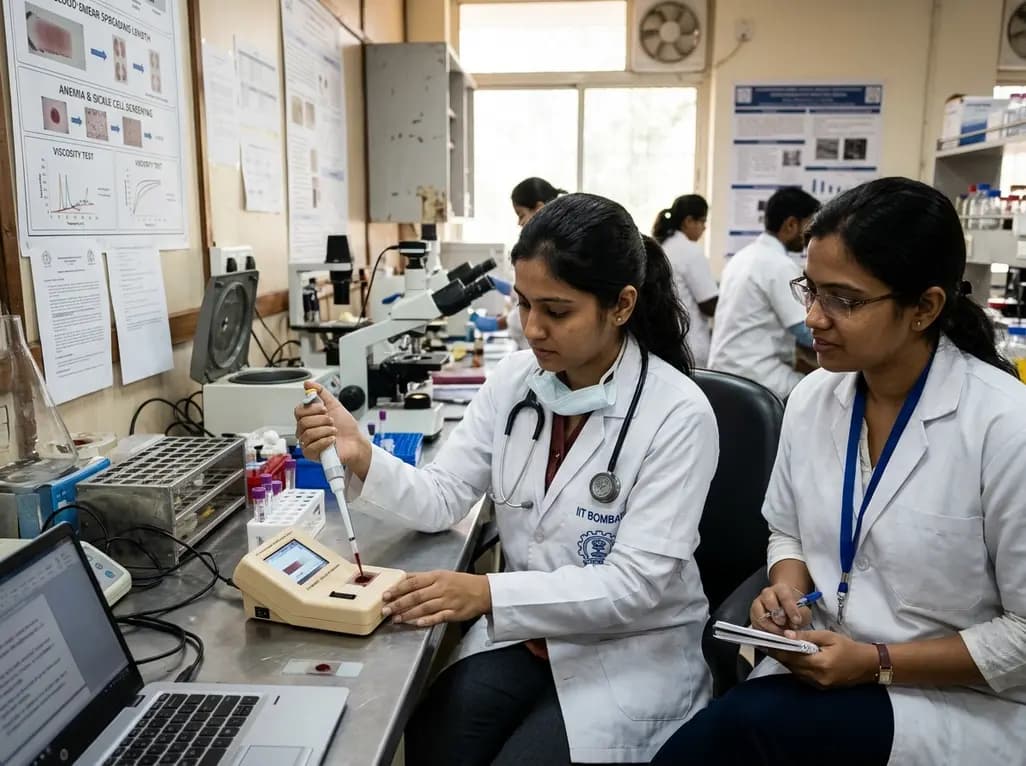
Researchers at IIT Bombay have engineered an automated, cost-effective point-of-care device that diagnoses anaemia and sickle cell disease from a single drop of blood. By measuring blood smear spreading length, this portable tool assesses blood viscosity to offer rapid screening in resource-limited healthcare centers.
Today
A multicenter study evaluates whether standardized simulation training reduces cup detachment during vacuum-assisted vaginal birth. Evidence-based simulation equips obstetricians to improve cup placement, reduce maternal-fetal trauma, and optimize clinical decision-making during operative deliveries.
Today
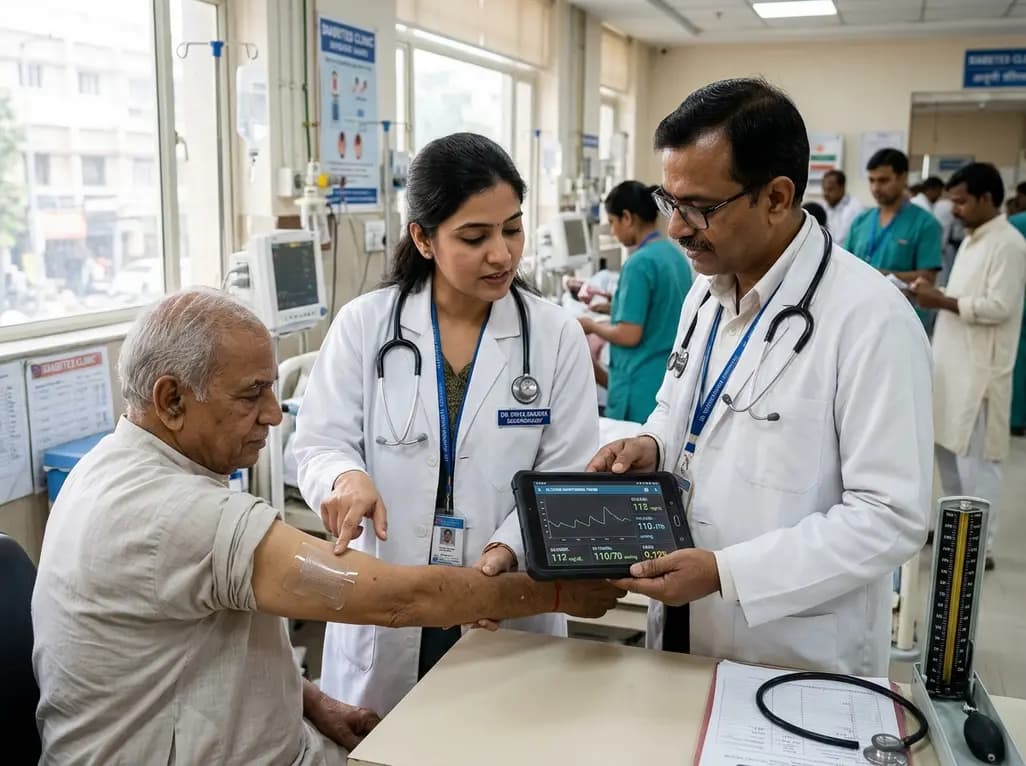
A breakthrough ultrathin multimodal sensor decouples physical hemodynamic monitoring from disposable electrochemical calibration, achieving long-term wearable glucose prediction with 81.36% accuracy and a 9.12% MARD. This offers a robust, drift-free solution for outpatient metabolic surveillance.
Today

A comparative review of tension band wiring and intramedullary screw fixation in thumb metacarpophalangeal arthrodesis, evaluating union rates, hardware complications, and clinical outcomes.
Today
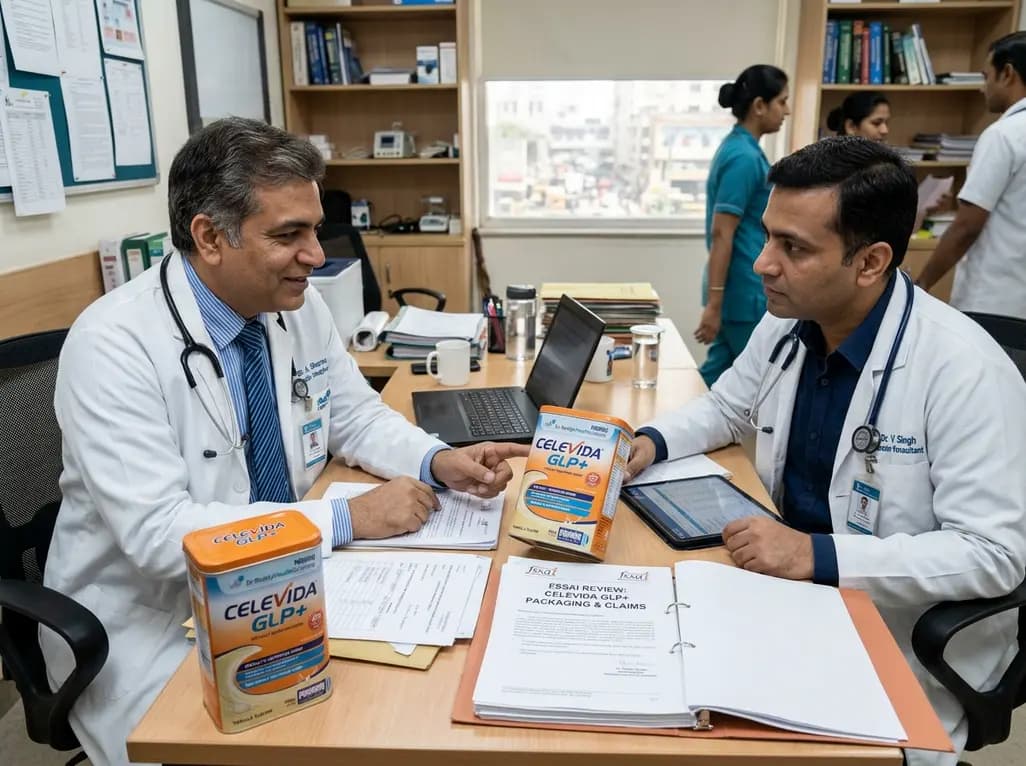
Following regulatory scrutiny from FSSAI regarding promotional representations and lean muscle preservation claims, Dr. Reddy's Laboratories and Nestlé Health Science are currently reviewing the branding and marketing strategy for their joint nutritional supplement Celevida GLP+.
Today
