.webp&w=384&q=75)

Loading, please wait...
Loading, please wait...
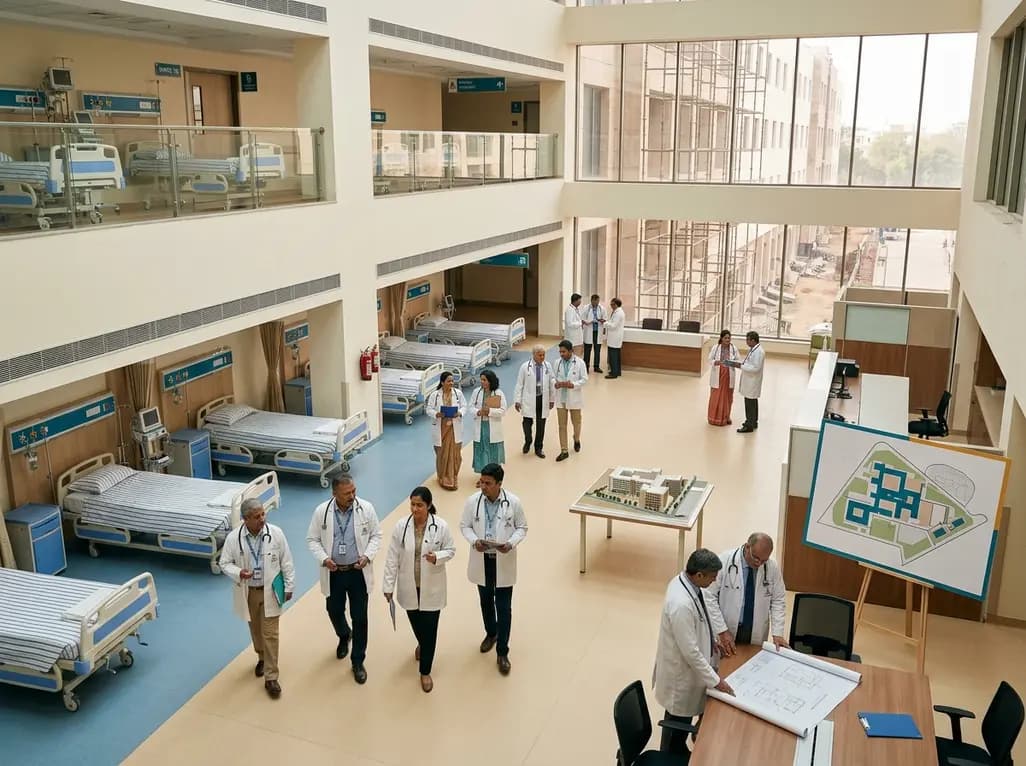
The Indian healthcare landscape is experiencing a structural transformation driven by rising demand for specialized medical services. Recently, the announcement of Apollo Hospitals bed expansion marked a major milestone in tertiary healthcare infrastructure development across India. Consequently, healthcare providers and policy analysts are evaluating how this multi-year expansion plan will reshape regional patient access. Furthermore, private health networks continue expanding their operational footprints to meet growing clinical needs effectively. Capacity expansion remains a pivotal determinant of health system throughput and patient care quality. Therefore, strategic bed additions serve as a vital mechanism for expanding specialty clinical reach. Overall, expanding bed capacity remains essential for addressing systemic healthcare demands nationwide.
The long-term infrastructure roadmap outlines an ambitious plan to add over 5,800 total beds across key regional healthcare centers over five years. Specifically, this expansion includes adding 148 beds to existing tertiary facilities in Indore and Guwahati. Furthermore, the plan incorporates four new hospital projects across major metropolitan and Tier-2 locations. Consequently, new facilities in Indore, Dwarka, Delhi Proton Centre, and Ranchi will collectively contribute 1,200 beds. Additionally, the recently commissioned 180-bed facility in Sarjapur, Bengaluru, reflects ongoing efforts to strengthen regional healthcare accessibility. Meanwhile, the upcoming Gurugram facility remains on track for operational commissioning in Q3 FY27. Therefore, this multi-tier expansion systematically addresses regional disparities in clinical care. Notably, overall network occupancy reached 70 percent in Q1 FY27, compared to 65 percent in Q1 FY26. Thus, expanding bed capacity remains vital for sustaining clinical excellence nationwide.
Robust financial performance during Q1 FY27 provided strong capital support for ongoing hospital expansion projects. Specifically, consolidated revenue grew by 21 percent year-on-year to reach ₹7,043 crore during the quarter ended June 2026. Furthermore, consolidated EBITDA reached ₹1,092 crore, reflecting a 28 percent growth. Consequently, consolidated profit after tax increased substantially to ₹581 crore, demonstrating operational efficiency. Additionally, the core healthcare services division reported a 22 percent increase in revenue to ₹3,567 crore. Meanwhile, operating profit for healthcare services rose by 20 percent to reach ₹862 crore. Consequently, segment net profit reached ₹480 crore, underscoring strong patient volume growth. Furthermore, high-complexity clinical specialties, including cardiology, oncology, and neurology, experienced rising demand. Notably, regional revenue growth was strongest in AP and Telangana at 31 percent. Overall, solid financial metrics provide essential capital for continuous infrastructure growth.
Increasing physical bed capacity directly addresses escalating demand for acute and specialized care in urban centers. Furthermore, executing the Apollo Hospitals bed expansion strategy ensures that advanced diagnostic and therapeutic technologies reach previously underserved regional populations. Consequently, locations like Ranchi and Guwahati will gain enhanced access to high-end surgical procedures and critical care. Additionally, expanding existing hospitals in Indore allows medical teams to scale specialized clinical units rapidly. Therefore, localized expansion reduces the burden on patients traveling long distances for tertiary care. Furthermore, establishing dedicated units like the Delhi Proton Centre enhances specialized oncology treatment nationwide. Notably, expanding bed availability shortens wait times for elective procedures and emergency admissions alike. Subsequently, healthcare facilities maintain optimal clinical workflows while delivering timely care. Overall, well-distributed clinical beds ensure equitable access to multi-specialty care across India.
An integrated healthcare ecosystem relies on synergistic growth across diagnostics, retail health, and digital delivery platforms. Specifically, the Apollo Health and Lifestyle division recorded a 15 percent revenue growth to ₹499 crore. Furthermore, the diagnostics segment generated ₹200 crore, while specialty short-stay centers contributed ₹80 crore. Consequently, the retail health segment narrowed its net loss to ₹1 crore from ₹8 crore last year. Additionally, the digital health and pharmacy vertical reported a 20 percent increase in revenue to ₹2,977 crore. Furthermore, segment EBITDA for digital health surged to ₹171 crore, with net profit reaching ₹101 crore. Notably, the network added 151 net new retail pharmacy stores, expanding the footprint to 7,440 locations. Therefore, physical store expansion complements digital healthcare access, creating a seamless care continuum. Overall, balanced performance across physical and digital channels solidifies health system connectivity.
The rapid rise in non-communicable diseases across India necessitates a fundamental shift toward comprehensive healthcare delivery models. Furthermore, chronic conditions such as diabetes, cardiovascular disorders, and malignancies require continuous care spanning prevention, diagnosis, and long-term management. Consequently, expanding hospital capacity enables clinicians to deliver integrated pathways across multi-specialty medical teams. Additionally, early diagnostic intervention significantly improves clinical outcomes for complex lifestyle disorders. Therefore, healthcare systems must connect primary screening with advanced tertiary interventions seamlessly. Furthermore, integrating digital health tracking with hospital-based care facilitates long-term monitoring for chronic disease patients. Notably, senior leadership emphasizes moving away from episodic treatment toward preventative health models. Consequently, establishing expanded bed capacity alongside outpatient networks ensures continuous medical supervision. Overall, expanding multi-specialty infrastructure directly aligns with national health priorities focused on chronic disease management.
The long-term outlook for Indian healthcare delivery remains highly dynamic, characterized by rapid technology integration and capacity scaling. Furthermore, private healthcare infrastructure investment plays a pivotal role in bridging national bed-to-population gaps. Consequently, multi-year expansion projects signal growing confidence in the sustainability of private health delivery. Additionally, healthcare organizations prioritize clinical excellence, patient safety, and operational transparency. Therefore, operational metrics such as bed occupancy, average length of stay, and patient satisfaction remain crucial benchmarks. Furthermore, modern hospital management emphasizes digital integration and advanced technology adoption during new facility construction. Notably, expanding tertiary care beds in Tier-2 cities supports regional healthcare self-sufficiency. Subsequently, patients benefit from localized access to advanced technology, including robotic surgery and intensive care. Ultimately, the systematic expansion of physical and digital health networks will elevate patient care standards nationwide.
Q1: What are the key details of the Apollo Hospitals bed expansion plan?
The expansion plan aims to add over 5,800 total beds across five years. Specifically, this includes adding 148 beds to existing hospitals in Indore and Guwahati. Additionally, four new hospital projects in Indore, Dwarka, Ranchi, and the Delhi Proton Centre will add 1,200 beds. Furthermore, the recently commissioned Sarjapur facility in Bengaluru and the upcoming Gurugram facility contribute significantly to expanding operational bed capacity nationwide.
Q2: How did Apollo Hospitals perform financially in the first quarter of FY27?
Apollo Hospitals reported a 21 percent year-on-year increase in consolidated revenue, reaching ₹7,043 crore for Q1 FY27. Furthermore, consolidated EBITDA rose 28 percent to ₹1,092 crore, while consolidated profit after tax stood at ₹581 crore. Additionally, the core healthcare services division recorded a 22 percent growth in revenue to ₹3,567 crore, driven by strong patient volumes and increased demand for complex specialty care.
Q3: What role do digital healthcare and pharmacy platforms play in the expansion strategy?
Digital healthcare and retail pharmacy networks serve as crucial components of the integrated care delivery model. Specifically, the Apollo HealthCo segment generated ₹2,977 crore in revenue during Q1 FY27, representing a 20 percent year-on-year growth. Furthermore, the brand expanded its omnichannel pharmacy footprint by adding 151 net new stores, bringing the total network to 7,440 locations. This physical and digital integration enhances patient access across the country.
Disclaimer: This content is for informational and educational purposes only. It does not constitute medical advice or replace professional judgment. Refer to the latest local and national guidelines for clinical practice.
References

Read summarized clinical updates, watch expert medical content, and earn CME certifications right from your smartphone.
Open your smartphone camera to scan and install.





Apollo Hospitals announces plans to add 5,800 beds over the next five years alongside a 21 percent growth in Q1 FY27 consolidated revenue to ₹7,043 crore. The expansion includes new facilities in Indore, Dwarka, Ranchi, and Delhi, coupled with rapid growth across its digital health and retail pharmacy networks.
last month
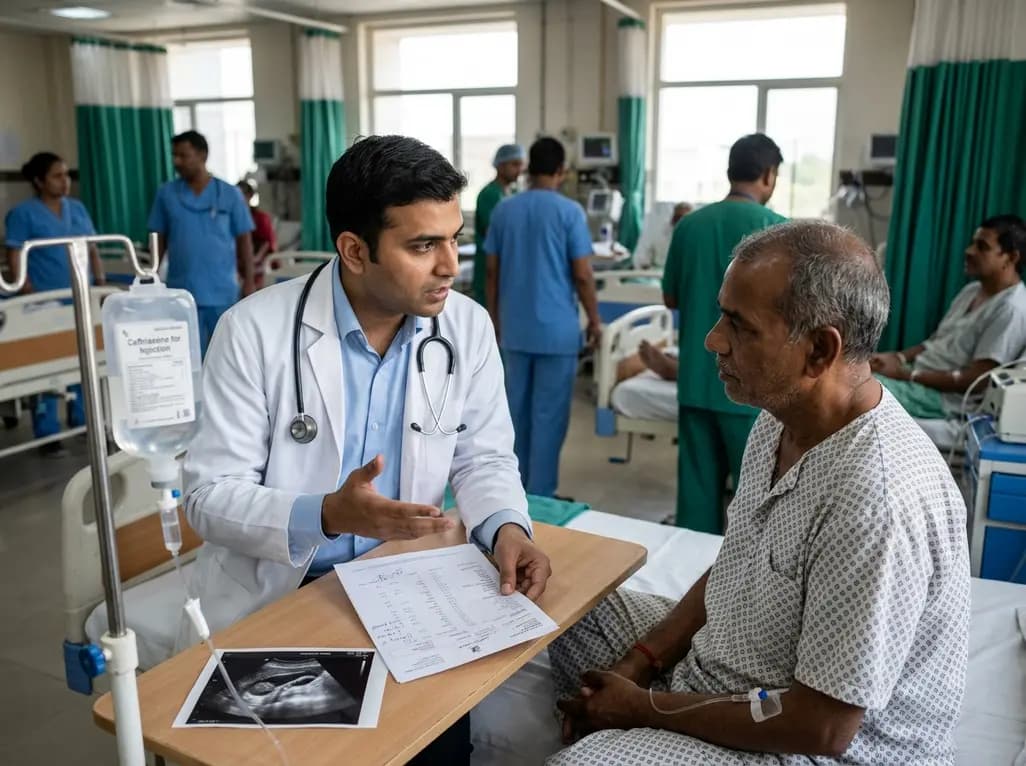
Ceftriaxone therapy can lead to biliary sludge and gallstone formation due to calcium-ceftriaxone precipitation. A recent cohort study shows that the noninvasive Fibrosis-4 (FIB-4) index, alongside treatment duration, independently predicts lithogenesis, enabling proactive risk stratification.
Today

A multiparametric MRI approach combining quantitative T2 shading, apparent diffusion coefficient (ADC) measurements, and morphological signs provides superior diagnostic accuracy over subjective evaluation to differentiate ovarian endometriomas from benign hemorrhagic cysts.
Today
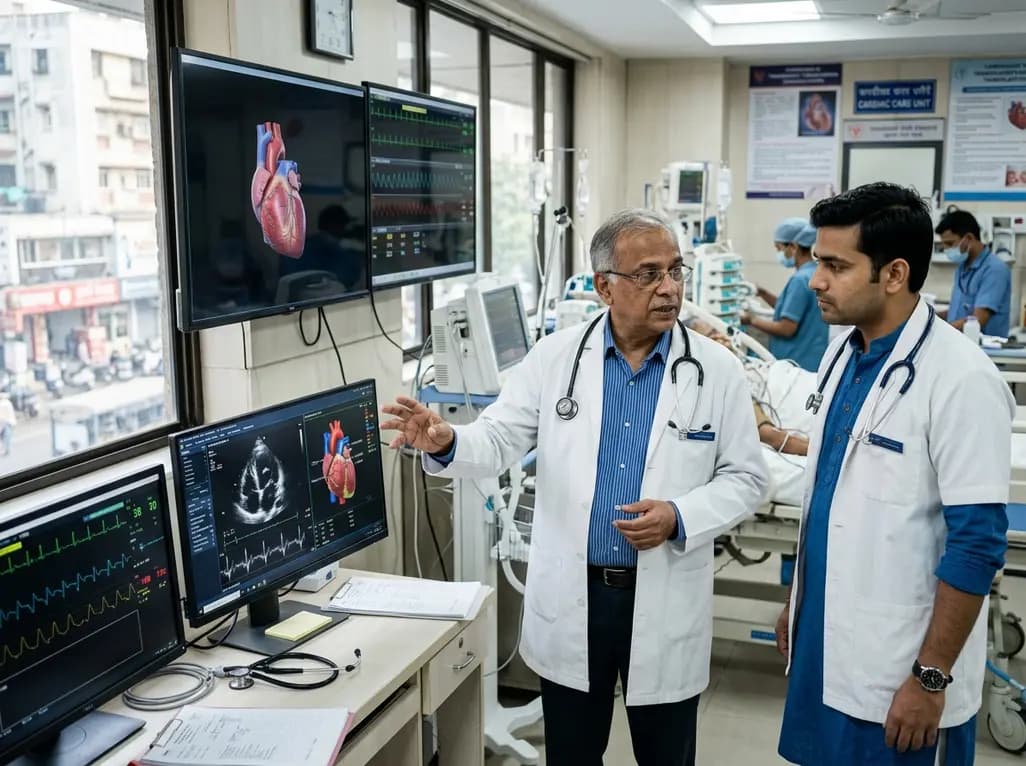
A landmark case report reveals a donor heart beating for a century in a 63-year-old recipient, challenging conventional age limits in cardiac transplantation and offering critical lessons on organ longevity, donor selection, and long-term graft survival.
Today
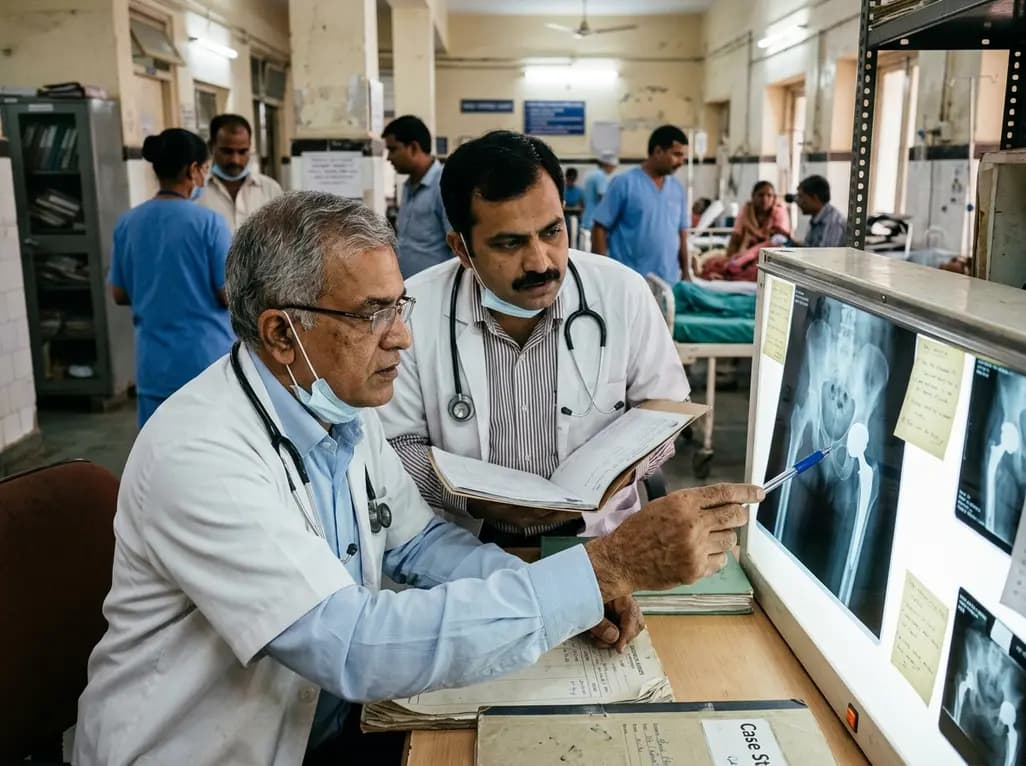
A propensity-matched analysis reveals that patients undergoing total hip arthroplasty on maintenance dialysis experience significantly higher rates of adverse events, periprosthetic infection, and revision surgery at 90 days, 2 years, and 5 years compared to non-dialysis peers.
Today
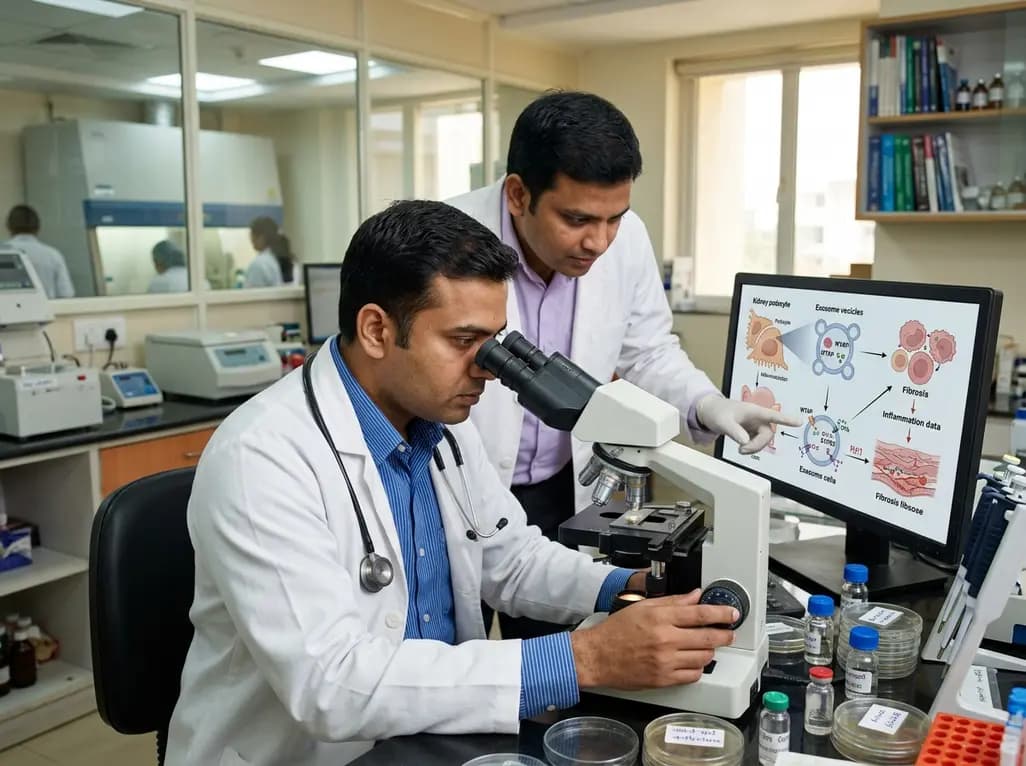
New research reveals that M1 macrophage-derived exosomes aggravate diabetic nephropathy by transferring WTAP to stabilize S1PR2 mRNA. Silencing WTAP in these vesicles attenuates endothelial injury and renal fibrosis, pointing toward innovative nanomedicine therapies.
Yesterday
