

Loading, please wait...
Loading, please wait...

B-cell precursor acute lymphoblastic leukaemia represents a complex haematological malignancy that evolves across distinct developmental stages separated by years. Emerging scientific research investigates whether antineoplastic drug exposure directly impacts this multistage natural history. Pathologists recognise that leukemogenesis often begins with prenatal genetic lesions during fetal life. Subsequently, secondary postnatal events trigger full oncogenic progression and clinical disease manifestation. Furthermore, therapeutic systemic protocols introduce intense selective pressures against vulnerable malignant clones. Consequently, surviving resistant clones can persist for months and ultimately drive disease relapse. Oncology specialists must therefore distinguish between primary chemical induction and subsequent treatment-driven clonal evolution. In addition, modern hospital oncology units involve daily handling of potent antineoplastic agents by clinical staff. Occupational safety programs monitor environmental contamination to mitigate worker absorption. However, establishing clear links between occupational handling and offspring cancer remains methodologically challenging. Therefore, clinicians must critically examine mechanistic evidence across all stages of leukaemic development. Moreover, understanding these biological mechanisms allows paediatricians and haematologists to separate true mutagenic risks from statistical confounders. Such clarity supports evidence-based occupational safety policies and enhances clinical decision-making across oncology departments.
Epidemiological studies increasingly explore whether maternal workplace exposures alter fetal haematopoietic development during critical gestational windows. Specifically, the Japan Environment and Children’s Study tracked over 104,000 pregnancies to assess childhood malignancy risks. Researchers identified a notable association between maternal handling of antineoplastic agents during gestation and leukaemia diagnosed after age one. However, investigators could not establish definitive causal inference from these observational findings. For instance, the cohort relied entirely on self-reported exposure questionnaires rather than validated chemical biomarkers. Furthermore, researchers lacked direct fetal dosimetry measurements to quantify actual transplacental transmission. Because paediatric leukaemia remains exceptionally rare, the total number of exposed cases was very small. Consequently, random variation or undetected bias could distort these observed statistical associations. In addition, routine environmental surveillance confirms surface contamination and minor systemic absorption among healthcare staff. Nevertheless, low-dose occupational uptake does not automatically translate into confirmed carcinogenic damage for developing fetuses. Thus, clinicians should interpret registry associations with scientific caution while continuing to advocate strict protective equipment. Furthermore, reproductive health protocols in oncology wards must maintain robust preventive precautions for all pregnant healthcare professionals.
Decades of molecular haematology demonstrate that classical fusion genes often arise before birth during fetal haematopoiesis. For example, pre-leukaemic clones bearing ETV6-RUNX1 or hyperdiploidy routinely emerge during intrauterine development. However, detecting these prenatal initiating lesions merely establishes timing rather than an environmental trigger. In fact, cord blood screening reveals pre-leukaemic fusion genes in far more newborns than ever develop clinical leukaemia. Therefore, initiating events represent necessary precursors but cannot independently cause overt malignancy. In addition, distinct postnatal triggers, including delayed microbial exposure and abnormal immune responses, drive secondary genetic hits. Mutagenic exposures could theoretically cause chromosomal breaks; however, robust mechanistic evidence linking low-level antineoplastic exposure to prenatal lesions remains absent. Similarly, researchers examine clonal haematopoiesis to understand somatic mutation dynamics under chemical stress. Yet, clonal haematopoiesis functions merely as an adjacent paradigm of somatic selection rather than an initiating mechanism for paediatric leukaemia. Consequently, clinicians must separate prenatal timing from confirmed toxic causation. Moreover, scientists must rigorously account for genetic ancestry, socioeconomic factors, and environmental variability across populations. Thus, comprehensive prospective genomic evaluations remain essential to determine true leukaemic drivers.
Unlike gestational exposures, evidence linking therapeutic drug exposure to leukaemic relapse is scientifically robust. Specifically, modern multidrug chemotherapy exerts immense selective Darwinian pressure upon heterogeneous leukaemic clones. Although frontline therapy successfully eradicates the vast majority of sensitive blasts, rare resistant subpopulations frequently survive. Furthermore, intensive chemotherapy actively induces distinctive mutational signatures and de novo secondary resistance mutations. For instance, prolonged purine analogue administration can select for resistant NT5C2 or PRPS1 mutations in persistent lymphoblasts. Similarly, exposed leukaemic clones acquire genomic alterations in glucocorticoid receptors and mismatch repair pathways. Consequently, these persistent clones can remain dormant within protective bone marrow niches before driving clinical relapse. This phenomenon demonstrates how antineoplastic agents directly shape tumour architecture after primary diagnosis. In addition, paediatric oncologists frequently analyze paired diagnosis and relapse samples using whole-genome sequencing. Such genomic comparisons prove that relapse often stems from minor ancestral clones that survived initial treatment. Therefore, understanding therapy-mediated clonal evolution provides crucial guidance for developing targeted salvage therapies and personalized consolidation strategies. Ultimately, proactive genomic surveillance helps clinicians anticipate resistant recurrence and modify treatment intensity effectively.
Resolving unanswered questions regarding chemical leukemogenesis requires substantial methodological innovation and massive cohort sizes. For example, calculating statistical power for a definitive prospective cancer incidence cohort requires approximately two million pregnancies. Because single institutions or regional cohorts cannot achieve this scale, investigators must explore more feasible alternatives. Specifically, international consortia should establish pooled registry-based nested case-control studies across healthcare systems. In addition, researchers must implement targeted recruitment cohorts focused directly on occupationally exposed pregnant workers. Concurrently, comparative biobanking can evaluate whether pre-leukaemic lesions appear more frequently in exposed cord blood. Furthermore, prospective studies must incorporate validated external personal monitoring and internal biological dosimetry. Scientists must carefully distinguish between environmental exposure, biological uptake, subclinical cellular lesions, and malignant cancer. Moreover, epidemiologists must rigorously adjust for critical confounding variables, including early childhood infections, residential geography, and socioeconomic status. Through standardized international collaboration, the scientific community can delineate genuine environmental risks from spurious correlations. Consequently, such advances will guide rational occupational workplace guidelines and safeguard both healthcare professionals and their offspring worldwide.
Maternal occupational handling involves unintentional, low-level surface or aerosol absorption in workplace environments without verified fetal dosimetry. In contrast, patient chemotherapy delivers deliberate, high-dose systemic antineoplastic drugs designed to eradicate malignant lymphoblasts. While low occupational uptake lacks proven leukemogenic causation in offspring, patient-level therapy exerts profound selective evolutionary pressure. Specifically, systemic chemotherapy selects resistant clones, generates specific mutational signatures, and frequently facilitates clonal persistence that directly leads to disease relapse.
No, detecting prenatal genetic lesions like ETV6-RUNX1 fusions proves developmental timing rather than chemical or environmental causation. In fact, population screening demonstrates that pre-leukaemic lesions occur in newborns up to one hundred times more frequently than overt clinical leukaemia. These prenatal chromosomal alterations represent necessary early initiation steps, but secondary postnatal promotional events are required to trigger disease. Therefore, presence of pre-leukaemic lesions does not establish that maternal chemical exposure initiated the leukaemia.
Healthcare institutions must implement strict engineering controls, closed-system drug-transfer devices, and dedicated biological safety cabinets to minimize chemical contamination. Pregnant staff should consistently wear certified chemotherapy gloves, non-permeable protective gowns, and appropriate respiratory protection during hazardous drug preparation and administration. Furthermore, occupational health guidelines recommend reassigning pregnant or breastfeeding personnel away from direct antineoplastic handling whenever feasible. These proactive measures effectively eliminate chemical uptake and ensure workplace safety for both mother and fetus.
Disclaimer: This content is for informational and educational purposes only... Refer to the latest local and national guidelines for clinical practice.
References

Read summarized clinical updates, watch expert medical content, and earn CME certifications right from your smartphone.
Open your smartphone camera to scan and install.





A critical review of antineoplastic drug exposure across B-cell precursor ALL stages: evaluating maternal occupational handling, prenatal genetic initiation, patient chemotherapy selection pressures, and clonal persistence leading to disease relapse.
Today
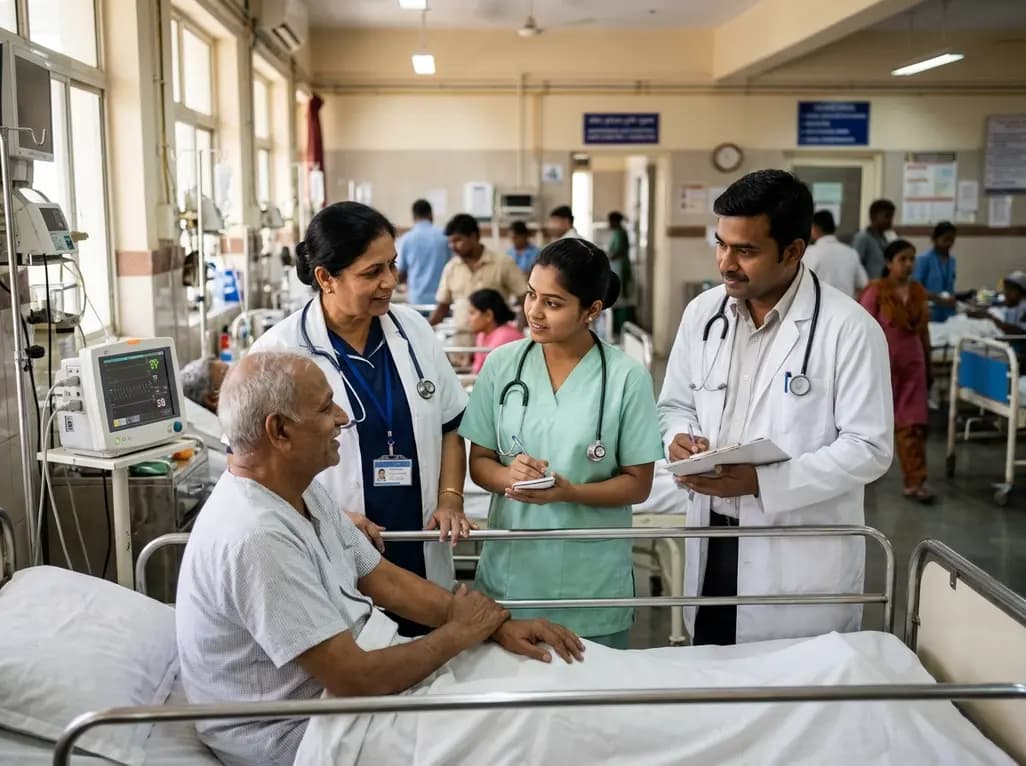
A new realist review examines nurse-led compassionate care interventions in acute hospitals, highlighting how supportive leadership and workflow integration drive meaningful clinical outcomes.
Today

A recent survey reveals significant gaps in antenatal providers' adherence to pregnancy oral health guidelines despite positive attitudes. Integrating regular oral screenings, clinician education, and interprofessional dental referrals during prenatal care is crucial to prevent adverse pregnancy outcomes.
Today
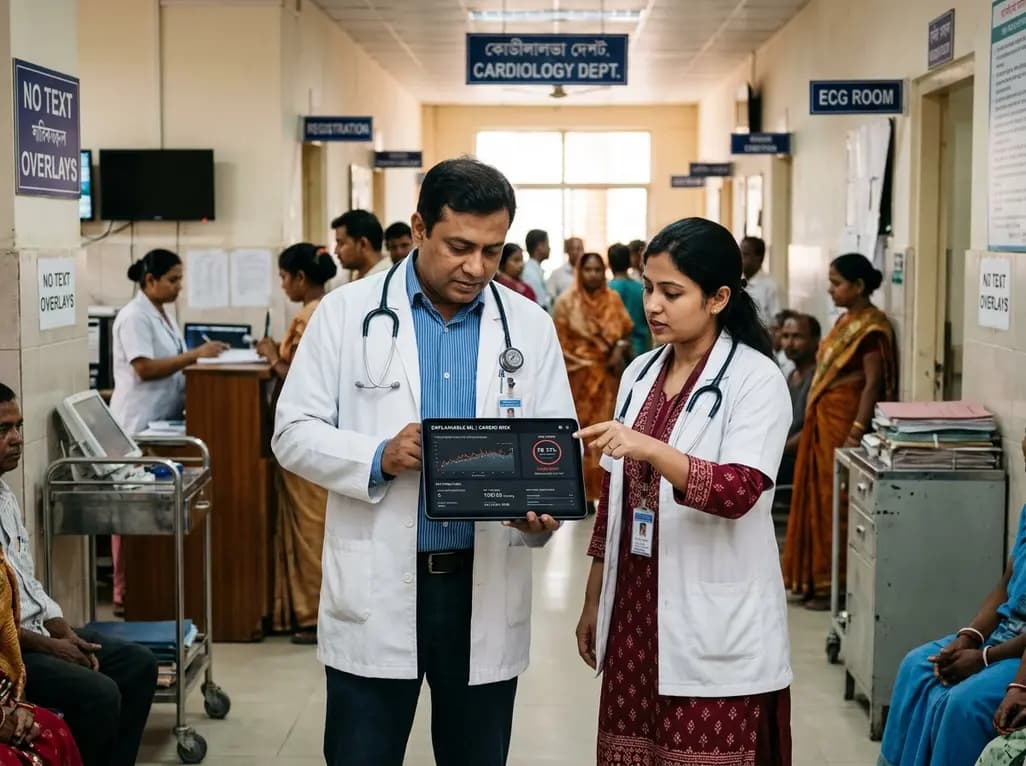
A cross-sectional study in Bangladesh demonstrates that an explainable stacking ensemble machine learning model achieves 98.37% accuracy in cardiovascular disease detection. Using local clinical and behavioral data, the model highlights cholesterol, rhythm abnormalities, and blood pressure as leading predictors.
Today
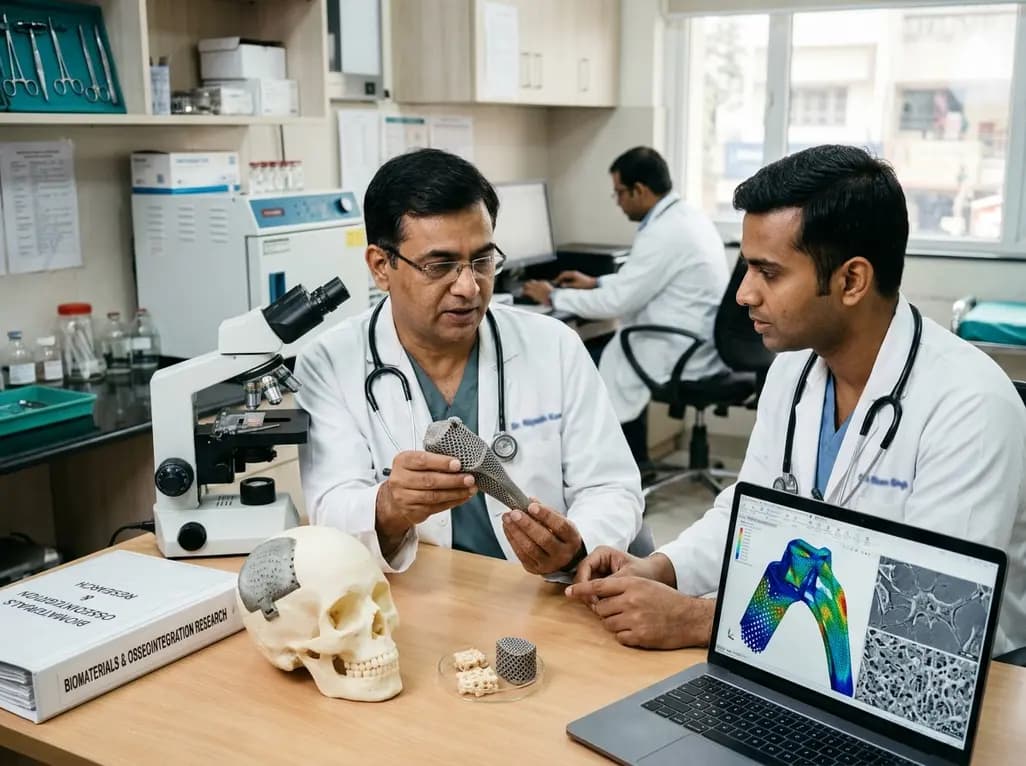
Laser-based powder bed fusion of Ti6Al4V enables custom orthopedic implants. Recent research reveals that heat treatment modulates ductility and wettability, while surface powder morphology drives mesenchymal cell attachment, highlighting crucial design factors for long-term osseointegration.
Today
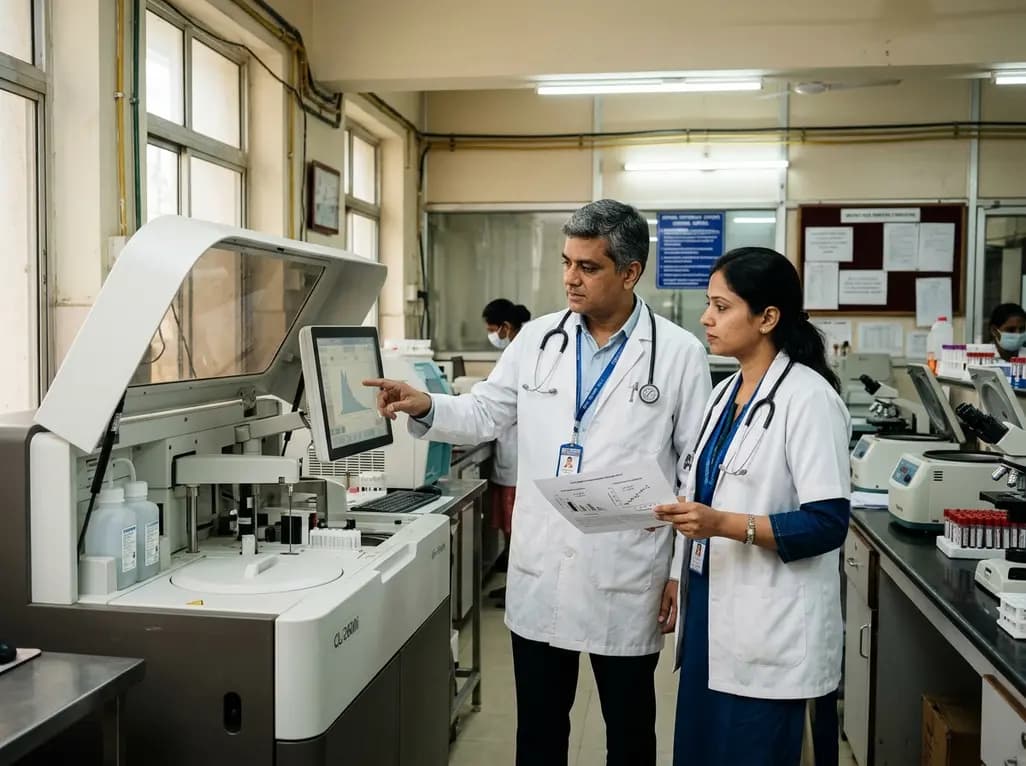
A multicenter study evaluated the CL-2600i immunochemistry analyzer across 640 serum samples, testing endocrinology, infectious disease serology, sepsis markers, and fertility panels. The system demonstrated high analytical trueness, repeatable results with CVs under 5%, and strong correlation with routine platforms.
Today
