.webp&w=384&q=75)

Loading, please wait...
Loading, please wait...
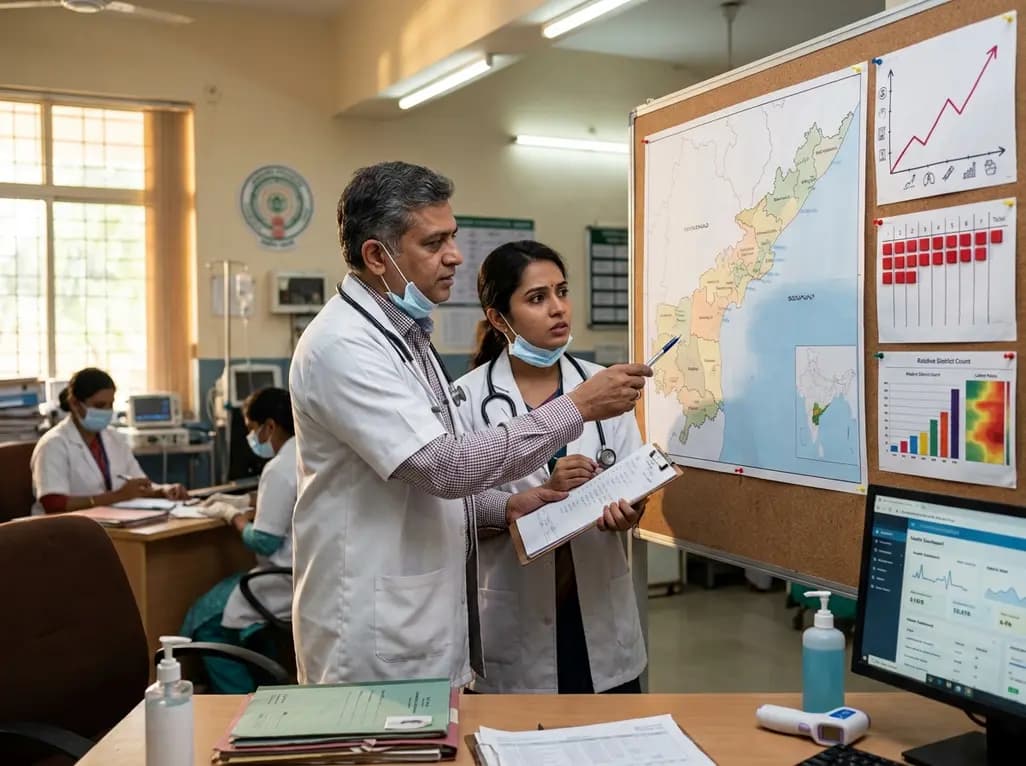
The Health Department has officially confirmed that Andhra Covid-19 cases have reached a total tally of 26 following seven newly detected infections. Public health officials emphasized that these fresh cases remain sporadic and geographically distributed across multiple districts. Consequently, health authorities have confirmed no evidence of active cluster outbreaks in any single municipality. Among the seven new cases reported on Tuesday, four originated from Guntur district. Meanwhile, East Godavari recorded two fresh infections and Bapatla identified one new case. Previously, YSR Kadapa district logged the highest cumulative total of eight cases. Currently, Guntur holds six confirmed cases, while East Godavari reports three. Furthermore, Kakinada and Bapatla have each registered two cases. Single infections have also been confirmed in Visakhapatnam, Eluru, Sri Potti Sriramulu Nellore, NTR, and Parvathipuram Manyam districts. Therefore, surveillance teams continue monitoring contacts across the entire state. A total of 145 diagnostic samples have been evaluated so far by state laboratories. Currently, ten patients are receiving active treatment in designated hospital facilities across the state. Additionally, nine individuals remain under structured home isolation with routine monitoring. Three patients have fully recovered and received official discharge. However, four fatal outcomes have occurred among individuals presenting with serious underlying chronic conditions prior to infection.
Health administrators have structured comprehensive disease tracking across all affected districts to contain further transmission. Currently, state epidemiologists are closely monitoring the geographic spread of incoming laboratory test results. Consequently, local medical officers have intensified symptom screening in primary care centers. Kadapa district initially alerted state teams following localized clusters and reported fatalities. However, recent data demonstrates that new infections are appearing in isolated pockets across neighboring regions. Furthermore, clinical teams report that hospital admissions remain limited to patients requiring specialized oxygen support or intensive observation. Most individuals diagnosed with the infection report mild to moderate upper respiratory symptoms. Therefore, outpatient management protocols are sufficient for the majority of infected patients. Health workers conduct daily telephone follow-ups with all individuals in home isolation to monitor oxygen saturation levels. Consequently, early hospitalization pathways remain accessible if red-flag symptoms develop. In addition, state testing facilities are expanding sample collection drives among symptomatic healthcare workers and symptomatic community members. Local authorities have reiterated that early diagnosis remains essential for preventing severe disease progression. Furthermore, district surveillance units submit daily epidemiological reports to central health headquarters in Vijayawada to ensure rapid resource deployment when required.
Clinical evaluations of the four deceased patients revealed severe pre-existing medical conditions prior to testing positive. Consequently, state medical boards emphasized that underlying comorbidities significantly increase the risk of severe disease progression. Specifically, chronic conditions such as cardiovascular disease, long-standing diabetes mellitus, chronic obstructive pulmonary disease, and renal failure heighten vulnerability. Furthermore, oncological treatments and advanced age further compromise immune responses against viral pathogens. Therefore, healthcare providers must exercise heightened vigilance when managing elderly or immunocompromised patients presenting with acute respiratory illness. World Health Organization guidelines confirm that while healthy individuals usually experience mild illness, vulnerable cohorts require prompt evaluation. Consequently, primary care physicians should maintain a low threshold for diagnostic testing when high-risk patients exhibit mild fever or cough. Early therapeutic intervention can prevent rapid pulmonary deterioration in susceptible populations. In addition, hospital management protocols require immediate isolation for all hospitalized individuals presenting with unexplained respiratory symptoms. Furthermore, continuous monitoring of vital signs and inflammatory markers is recommended for elderly inpatients. Medical teams are advised to review vaccination records and optimize management of underlying chronic diseases. Therefore, targeted protective strategies for high-risk populations remain the primary focus of state public health interventions.
In response to the rising case count, the state government has instituted proactive measures across public healthcare facilities. Consequently, all teaching hospitals under the Directorate of Medical Education have reserved dedicated isolation wards. Specifically, medical centers have set aside special beds equipped with ventilator support and continuous oxygen supply systems. Furthermore, health authorities have decentralized procurement authority, enabling hospital superintendents to purchase essential medical supplies directly. Essential inventories including triple-layer masks, N95 respirators, personal protective equipment kits, and antiviral medications have been distributed. Therefore, frontline medical staff remain adequately protected while treating active cases. Additionally, state procurement agencies have placed orders for additional RT-PCR testing kits and RNA extraction reagents. Consequently, diagnostic capacity across regional laboratories remains robust and capable of handling increased sample volumes. Hospital infection control committees are actively conducting refresher training sessions for nursing and clinical staff. Furthermore, strict triage protocols have been implemented in emergency departments to segregate potential viral infections immediately upon patient arrival. Public health officials continue to reassure the community that healthcare infrastructure is fully equipped to manage any localized surge. Therefore, public panic is unnecessary, provided basic preventive protocols are observed diligently.
Public health authorities strongly advise citizens to adhere to standard infection prevention and control practices. Consequently, individuals experiencing respiratory symptoms should wear well-fitting face masks in public spaces. Furthermore, regular hand hygiene using soap and water or alcohol-based hand rubs remains highly effective against viral transmission. Members of the public are encouraged to avoid overcrowded indoor environments whenever possible. Notably, elderly citizens and individuals with pre-existing medical conditions should exercise extra precautions in crowded public settings. Therefore, early self-isolation is recommended if mild symptoms like fever, sore throat, or body aches occur. Patients should seek immediate medical evaluation if they experience persistent high fever, breathing difficulty, or chest discomfort. Furthermore, healthcare facilities are maintaining active public awareness campaigns to prevent panic while promoting health literacy. Medical officers emphasize that community cooperation is vital for maintaining low transmission rates across all districts. Consequently, state health bulletins will continue providing daily updates regarding active cases and testing figures. By integrating individual safety precautions with robust state surveillance, health authorities aim to suppress further community spread efficiently. Therefore, public vigilance remains an essential pillar of the state's ongoing disease management strategy.
Q1: What is the current status of Andhra Covid-19 cases across the state?
Andhra Pradesh has reported 26 confirmed cases following seven newly detected infections on Tuesday. The cases are geographically dispersed across districts including Kadapa, Guntur, East Godavari, Bapatla, Kakinada, and Visakhapatnam. Health officials confirm that the infections are sporadic and do not represent cluster outbreaks. Ten patients are currently hospitalized, nine are in home isolation, three have recovered, and four deaths have occurred among high-risk patients with severe comorbidities.
Q2: Who is at the highest risk of developing severe complications from the virus?
Older adults and individuals with underlying chronic medical conditions face the highest risk of severe illness. Specifically, conditions such as cardiovascular disease, diabetes mellitus, chronic kidney disease, chronic respiratory disorders, and active cancer increase vulnerability. All four reported fatalities in the state occurred in individuals with significant pre-existing comorbidities. Therefore, vulnerable populations should maintain strict preventive measures and seek early medical evaluation if symptoms arise.
Q3: What safety measures and hospital preparations have been implemented by the health department?
The state health department has alerted hospitals and established dedicated isolation beds in major teaching hospitals. Diagnostic testing kits, personal protective equipment, and antiviral medications have been stocked across regional facilities. Local hospital authorities have been empowered to procure emergency supplies directly. Public health guidelines advise mask-wearing in crowded spaces, frequent hand hygiene, and immediate self-isolation upon symptom onset to prevent further community transmission.
Disclaimer: This content is for informational and educational purposes only. It does not constitute medical advice or replace professional judgment. Refer to the latest local and national guidelines for clinical practice.
References

Read summarized clinical updates, watch expert medical content, and earn CME certifications right from your smartphone.
Open your smartphone camera to scan and install.





Andhra Pradesh state health officials reported seven new Covid-19 infections, increasing the total caseload to 26. Active surveillance across districts shows sporadic transmission rather than cluster outbreaks. Clinicians are urged to monitor high-risk patients with comorbidities as precautionary measures scale up.
3 months ago
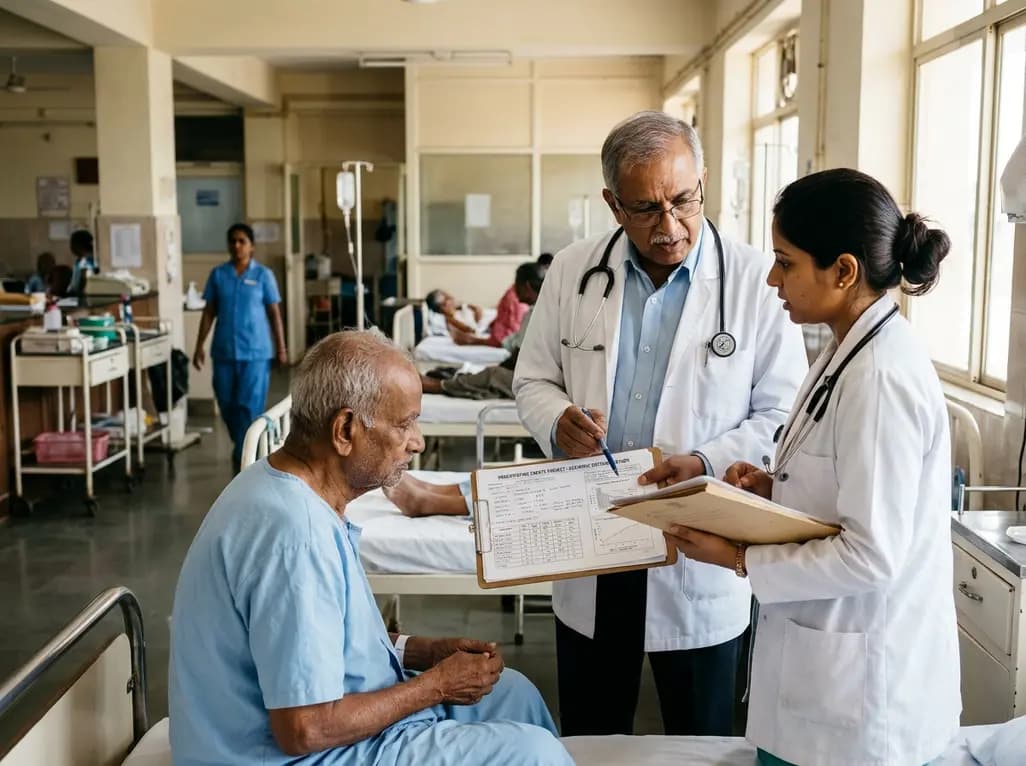
Failing to account for competing events like mortality in longitudinal geriatric studies produces biased risk estimates and misleading inferences. This review highlights key methodological principles, insights from the Precipitating Events Project, and practical approaches for clinical research appraisal.
Today
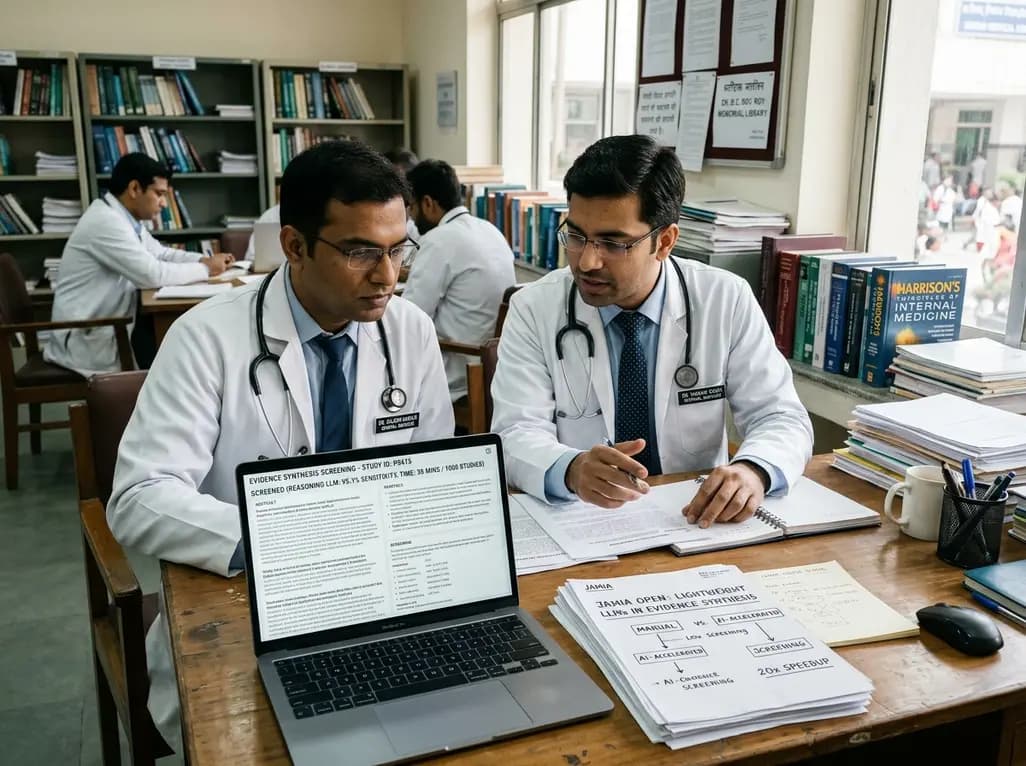
A study in JAMIA Open shows lightweight open-source reasoning LLMs achieve up to 95% sensitivity and accelerate evidence synthesis screening by nearly twentyfold, presenting a cost-effective, scalable AI solution for biomedical research and systematic reviews.
Today
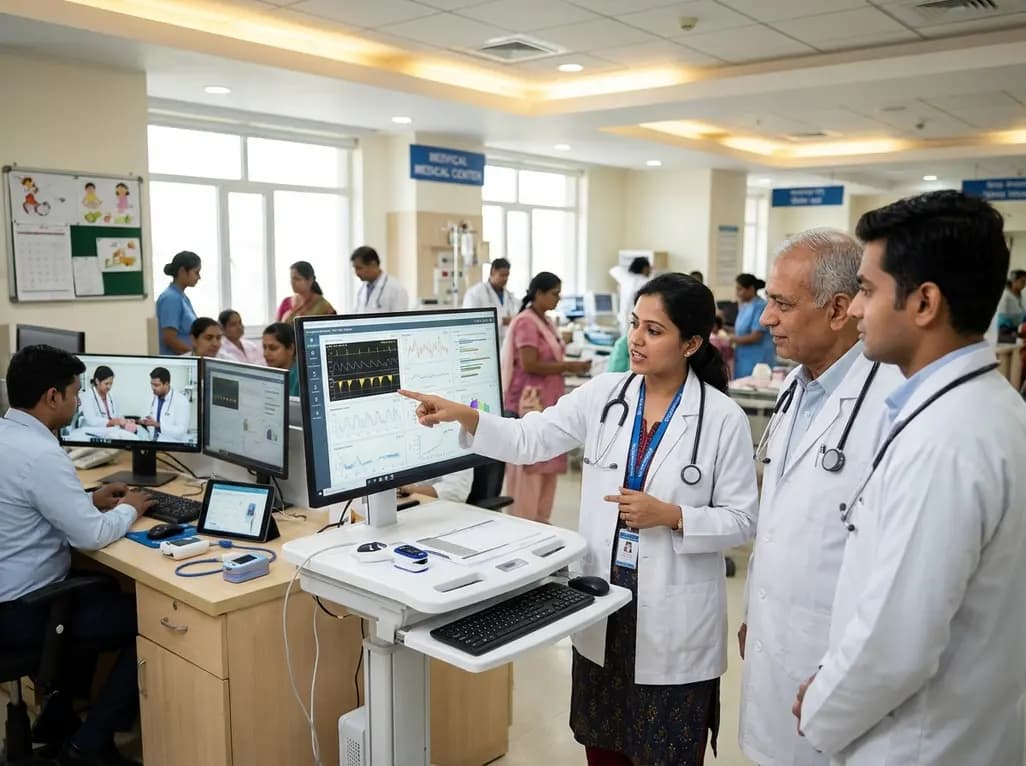
A landmark study details how an enterprise pediatric remote patient management model expanded from a single cardiology pilot to 16 diverse specialty programs by combining centralized digital operations with specialty clinical leadership.
Today

A comparative review of tension band wiring and intramedullary screw fixation in thumb metacarpophalangeal arthrodesis, evaluating union rates, hardware complications, and clinical outcomes.
Yesterday
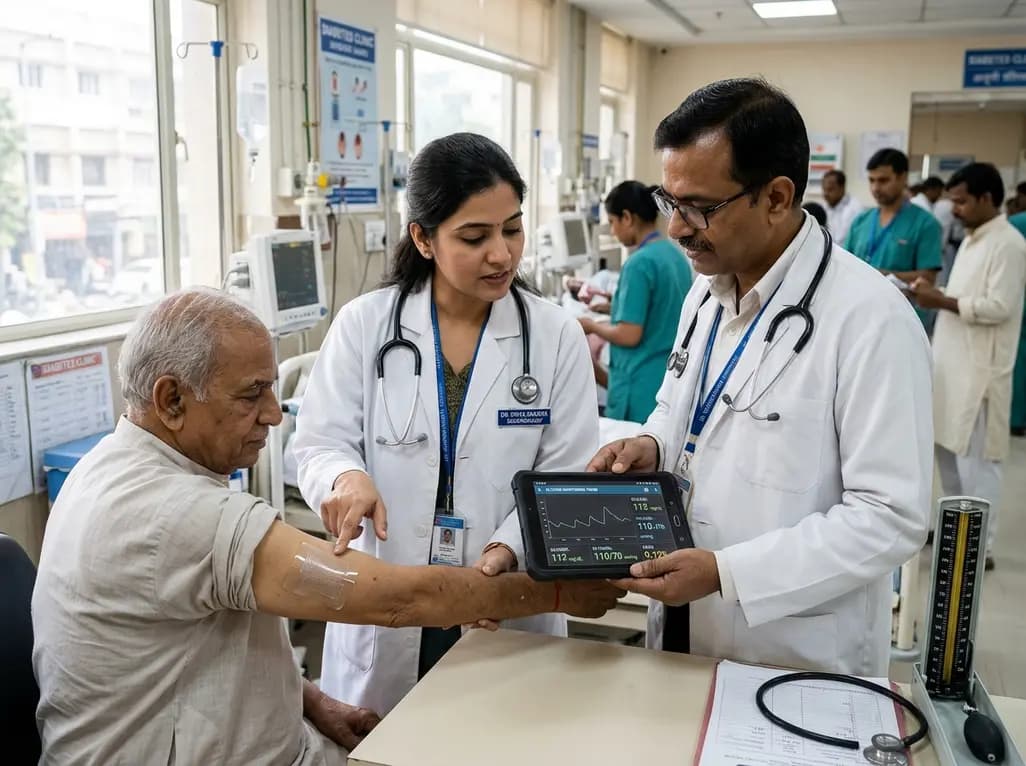
A breakthrough ultrathin multimodal sensor decouples physical hemodynamic monitoring from disposable electrochemical calibration, achieving long-term wearable glucose prediction with 81.36% accuracy and a 9.12% MARD. This offers a robust, drift-free solution for outpatient metabolic surveillance.
Today
