.webp&w=384&q=75)

Loading, please wait...
Loading, please wait...
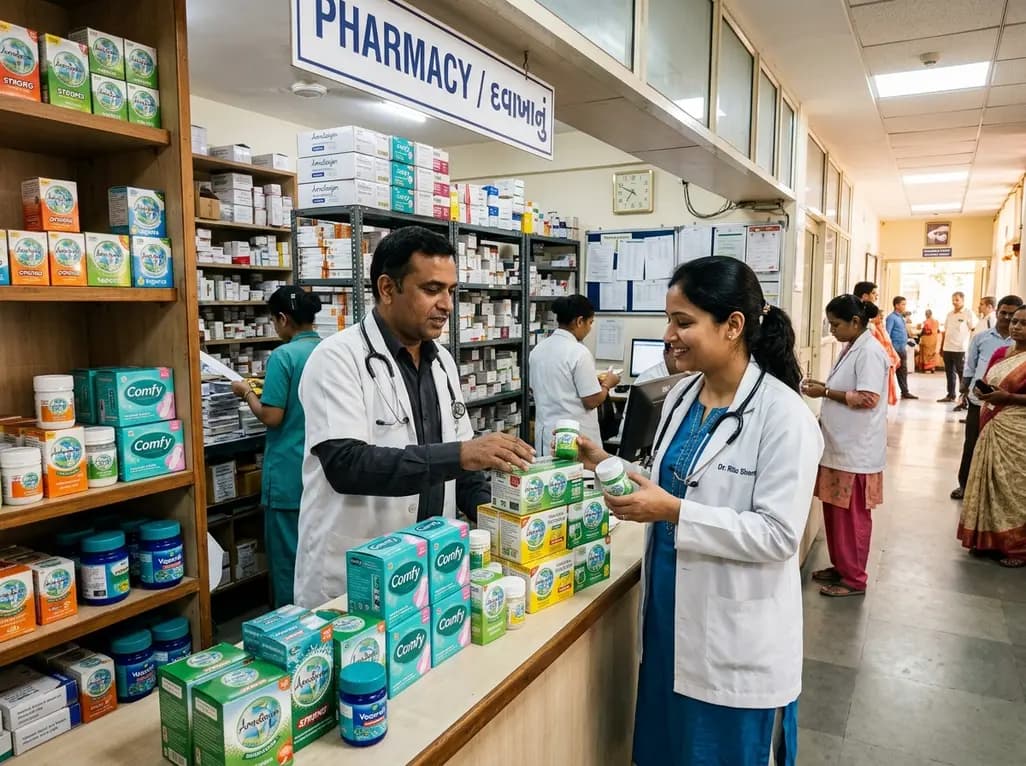
Indian healthcare and consumer wellness major Amrutanjan Health Care has announced an aggressive retail roadmap to establish 1,00,000 direct chemist outlets across India in FY27. This ambitious distribution strategy follows robust financial and volume performance in core therapeutic segments during FY26. Historically, the brand maintained deep penetration across southern and eastern regional corridors. However, this nationwide distribution drive specifically aims to eliminate geographical disparities in access. Consequently, patients and consumers in tier-2, tier-3, and rural markets will benefit from direct access to essential over-the-counter therapeutic products. Healthcare practitioners and retail pharmacists across the country view this supply chain optimization as a vital step in improving community healthcare accessibility.
During the preceding fiscal year FY26, Amrutanjan added 44,000 retail chemist stores to its distribution network. Building on this momentum, the organization aims to double its direct retail reach in FY27. Traditionally, Indian pharmaceutical and consumer wellness manufacturers relied heavily on tiered wholesale intermediaries. However, multi-layered distribution networks frequently lead to localized inventory stock-outs and delayed product availability. By establishing direct chemist outlets, Amrutanjan effectively bypasses intermediary friction to ensure consistent supply at the chemist counter.
Furthermore, direct chemist engagement enables the company to track real-time epidemiological trends across regional markets. Retail pharmacists can quickly replenish high-demand therapeutic formulations during seasonal peaks. For instance, cold remedies experience surge demand during monsoon and winter months, while muscle rubs peak during agricultural seasons. In addition, direct channel management guarantees that pharmacists receive authenticated products directly from verified supply chains. Therefore, this streamlined model minimizes counter-level product substitution and enhances consumer confidence in community pharmacy settings.
Amrutanjan's core pain management portfolio recorded an impressive 10 percent gross sales growth during FY26. Within this vertical, headache management formulations expanded by 8 percent, while body ache products achieved a remarkable 16 percent increase. Musculoskeletal pain, chronic joint discomfort, and tension headaches remain among the most frequent complaints in Indian primary care outpatient settings. Consequently, accessible topical analgesics serve as essential first-line interventions for symptomatic relief.
Significantly, Amrutanjan manufactures formulations containing herbal actives, including camphor, menthol, and eucalyptus oil. These topical agents stimulate peripheral thermoreceptors to provide counter-irritant analgesic benefits without systemic adverse effects. For general practitioners, topical pain remedies provide valuable alternatives to oral non-steroidal anti-inflammatory drugs. In elderly populations, topical applications reduce the risk of gastrointestinal bleeding, renal stress, and cardiovascular complications. Therefore, expanding retail availability allows primary healthcare providers and pharmacists to guide patients toward safe, non-invasive self-care strategies for uncomplicated musculoskeletal pain.
Beyond pain management, the company achieved substantial expansion in the feminine hygiene segment through its sanitary napkin brand, Comfy. Initially launched in 2013, Comfy has ascended to the fourth position nationally in the mass sanitary pad segment. In FY26, the brand maintained double-digit growth, driven by expanding rural awareness and affordable pricing structures. In India, menstrual hygiene management remains a significant public health challenge, particularly in socio-economically vulnerable rural communities.
Consequently, Amrutanjan's focus on low-price packs and localized distribution helps dismantle structural barriers to sanitary product adoption. Inadequate menstrual hygiene often leads to recurrent bacterial vaginosis, reproductive tract infections, and secondary pelvic inflammatory complications. Therefore, broad availability through chemist stores and village retail points plays a preventative health role. Furthermore, the company recently commissioned an automated, large-scale sanitary pad manufacturing facility in Telangana to support growing national demand. By improving product accessibility across diverse town classes, the initiative reinforces public health initiatives promoting feminine health, dignity, and adolescent well-being.
As part of its comprehensive portfolio realignment, Amrutanjan announced the scheduled relaunch of its congestion-relief brand, Relief, during FY27. Upper respiratory tract infections, allergic rhinitis, and common cold symptoms represent a substantial disease burden in urban and rural clinics. When seasonal weather shifts occur, respiratory congestion triggers widespread outpatient consultations.
Accordingly, the relaunch of Relief provides patients with accessible botanical inhalers, cold rubs, and mentholated balms to alleviate nasal airway resistance. These aromatic vapor formulations work by stimulating cold-sensitive trigeminal receptors, providing subjective sensation of improved airflow. Moreover, topical decongestants and inhalers avoid the systemic cardiovascular side effects commonly associated with oral sympathomimetic decongestants like pseudoephedrine. Primary care physicians often appreciate non-sedating, counter-irritant respiratory products for uncomplicated seasonal discomfort. Consequently, placing these reformulated congestion solutions directly into 100,000 retail chemist stores ensures timely, affordable symptom relief for millions of recovering patients nationwide.
Operational automation and digital integration constitute central pillars of Amrutanjan's national scale-up strategy. The company has already automated over 70 percent of its critical business processes, with plans to approach near-complete automation. Concurrently, digital sales platforms, automated order replenishments, and global e-commerce channels on Amazon India and Amazon USA have expanded brand equity.
In parallel, rural penetration strategies combine low unit-cost packaging with targeted chemist outreach to capture low-contribution markets. Historically, small-town and rural pharmacies faced unpredictable restocking cycles from distant regional wholesalers. Now, digitised distribution channels empower local chemists to order directly, verify inventory status, and receive predictable shipments. Moreover, direct engagement allows Amrutanjan to conduct pharmacist educational programs regarding proper topical product usage and menstrual wellness counseling. Because community pharmacists often serve as the first point of healthcare contact in rural India, enhancing their product access and knowledge directly elevates rural health literacy.
The nationwide expansion of direct pharmacy distribution models offers distinct benefits to clinicians, pharmacists, and health policy planners. First, improving point-of-care availability for over-the-counter pain balms, pediatric and adult cold rub formulations, and feminine hygiene products reduces the unnecessary burden on overloaded primary care centers. Patients can effectively manage mild, self-limiting symptoms through safe over-the-counter measures.
Second, reliable supply chains mitigate the infiltration of counterfeit or substandard wellness products into semi-urban pharmacies. Clinicians can confidently recommend established topical analgesics knowing that local pharmacies maintain authentic stocks. In addition, encouraging hygienic menstrual practices through affordable sanitary pads reduces long-term gynecological morbidity across reproductive-age women. Overall, the convergence of extensive retail chemist reach, digital supply logistics, and affordable therapeutic pricing exemplifies how pharmaceutical FMCG distribution strengthens community healthcare infrastructure throughout India.
Q1: Why is Amrutanjan Health Care expanding direct chemist outlets in FY27?
Amrutanjan is expanding its retail reach to establish 1,00,000 direct chemist touchpoints across India in FY27. This strategy aims to broaden brand availability beyond traditional southern and eastern strongholds. By eliminating wholesale intermediaries, the company ensures consistent stock availability, avoids retail shortages, and improves access to essential pain, respiratory, and feminine hygiene products.
Q2: What clinical benefits do topical pain management products offer over oral NSAIDs?
Topical analgesics containing herbal actives like menthol and camphor stimulate sensory thermoreceptors to provide localized pain relief. Unlike systemic oral non-steroidal anti-inflammatory drugs, topical formulations bypass hepatic metabolism and systemic circulation. Consequently, they provide effective counter-irritant relief for headaches and musculoskeletal aches while minimizing risks of gastrointestinal ulceration, cardiovascular strain, and renal toxicity.
Q3: How does wider sanitary napkin distribution impact rural public health?
Broadening the retail distribution of affordable sanitary napkins like Comfy addresses critical menstrual hygiene barriers in rural areas. Accessible menstrual products prevent unhygienic traditional practices that cause reproductive tract infections, bacterial vaginosis, and pelvic complications. Direct chemist availability ensures continuous access, reduces social stigma, and promotes reproductive health and dignity among rural adolescent girls and women.
Disclaimer: This content is for informational and educational purposes only. It does not constitute medical advice or replace professional judgment. Refer to the latest local and national guidelines for clinical practice.
References

Read summarized clinical updates, watch expert medical content, and earn CME certifications right from your smartphone.
Open your smartphone camera to scan and install.





Amrutanjan Health Care accelerates retail expansion by targeting 100,000 direct chemist touchpoints in FY27. Following robust performance in pain management and menstrual hygiene, the healthcare company is strengthening rural distribution, relaunching congestion remedies, and expanding pharmacy access nationwide.
4 weeks back

A bioengineered oral nanozyme microsupplement converts pathological ROS into a protective polydopamine hydrogel shield. By curbing neutrophil extracellular traps and balancing T cells, this platform outperforms standard 5-ASA in preclinical colitis models, opening new paths for sustained remission.
Today
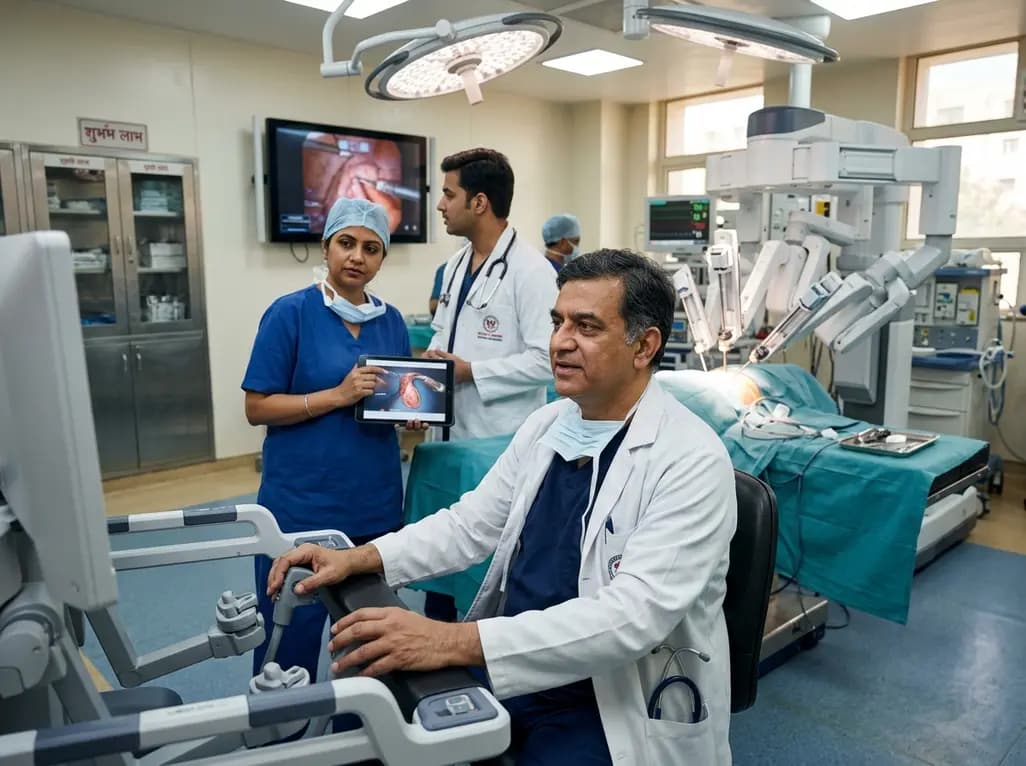
India experiences an exponential rise in robotic-assisted procedures, with Delhi NCR leading system installations and clinical volume. Discover how multidisciplinary surgical adoption, remote telesurgery breakthroughs, and standardized international consensus guidelines are shaping surgical care nationwide.
Today
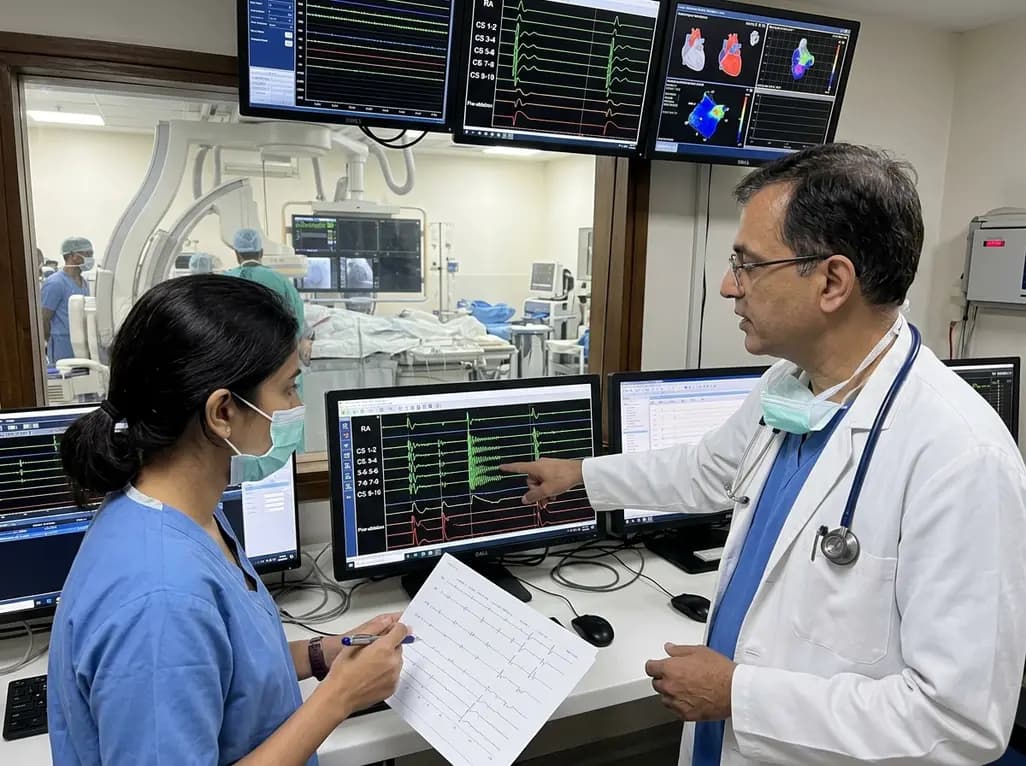
Radiofrequency catheter ablation of the cavotricuspid isthmus successfully terminates typical atrial flutter. This article reviews the mechanisms driving coronary sinus electrogram changes, wavefront activation pathways, and clinical criteria to verify bidirectional block during electrophysiology studies.
Today
A study comparing four knee flexion strength tests after ACL reconstruction using hamstring tendon autografts reveals marked variability in limb symmetry indices. Clinicians must recognize that different strength testing modalities yield divergent return-to-sport clearance rates.
Today
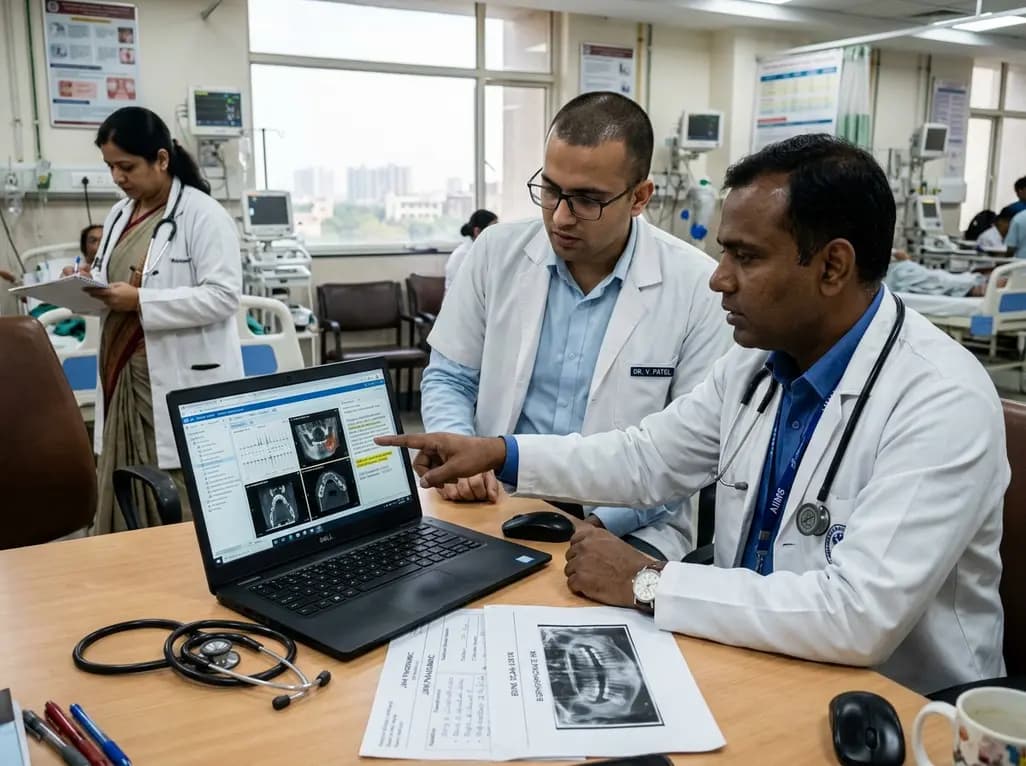
A breakthrough study leverages natural language processing to accurately identify incident medication-related osteonecrosis of the jaw and track antiresorptive drug holidays from clinical narratives in electronic health records, advancing osteoporosis pharmacovigilance and dental safety.
Yesterday
