.webp&w=384&q=75)

Loading, please wait...
Loading, please wait...
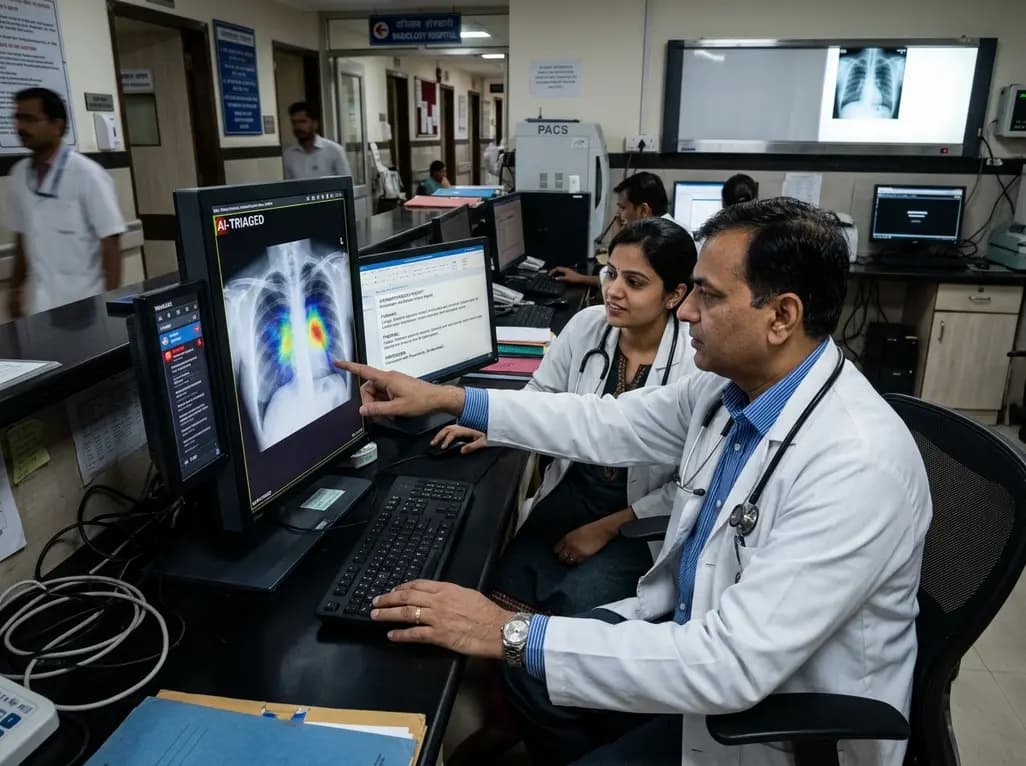
Modern hospital departments face an ever-increasing volume of diagnostic imaging studies, creating severe operational bottlenecks. Prolonged radiology turnaround time directly impacts patient triage, emergency management, and hospital length of stay. While artificial intelligence systems show immense promise for image analysis, their practical integration into daily reading workflows requires rigorous validation. A prospective real-world study provides compelling evidence that combining AI-driven worklist prioritization with automated report generation dramatically accelerates clinical reporting without compromising accuracy.
Conventional radiology departments traditionally manage reading queues using a first-in, first-out workflow model. Consequently, incoming studies sit in chronological sequence regardless of underlying pathology or disease acuity. A normal outpatient chest radiograph might precede a critical pneumothorax or acute lobar consolidation in the queue. Therefore, this legacy approach often delays time-sensitive interventions in acute hospital settings. Furthermore, rising imaging volumes exacerbate physical and cognitive exhaustion among radiologists. When clinicians manually open studies, dictate repetitive normal descriptions, and format reports, cognitive fatigue inevitably accumulates. In high-volume emergency and inpatient services, these procedural delays compromise patient flow and increase bed turnaround delays. As a result, healthcare systems urgently need automated workflow orchestration that categorizes studies based on clinical severity rather than acquisition timestamp. Intelligent worklist reorganization directly addresses these systemic constraints by dynamically matching reading urgency to radiologist availability.
To investigate real-world workflow efficiency, researchers conducted a prospective paired crossover study evaluating board-certified radiologists across distinct reading sessions. Investigators compared standard unaided reporting against an advanced artificial intelligence platform that combined worklist triaging with automated report drafting. Specifically, the study evaluated over one thousand chest radiographs acquired in an active hospital environment. During the assisted sessions, deep learning algorithms prescreened radiographs, prioritized suspected acute abnormalities to the top of the worklist, and generated draft findings. Radiologists reviewed these pre-populated templates, modified textual discrepancies where necessary, and finalized reports. Additionally, a rigorous four-week washout period between sessions eliminated recall bias and familiarity effects. Nonparametric statistical evaluations assessed two core operational metrics: report generation time and overall turnaround time. This robust clinical design ensured that observed time savings reflected genuine operational enhancement rather than learning curve artifact.
The prospective evaluation demonstrated remarkable time savings across both individual study reads and overarching department queues. Notably, the median report generation time plummeted from 2.0 minutes in unaided sessions to just 0.53 minutes during AI-assisted reporting. This dramatic reduction highlights how pre-structured draft text relieves radiologists from tedious manual dictation. Furthermore, overall radiology turnaround time decreased substantially, dropping from hours to mere minutes for critical examinations. Because the triage algorithm instantly flagged suspicious opacities, pleural abnormalities, and pneumothoraces, high-acuity patients received prompt clinical review. Statistical analyses confirmed that these efficiency gains achieved high significance across all participating radiologists. Importantly, the automated tool maintained high descriptive fidelity, meaning speed did not degrade diagnostic accuracy. Consequently, radiologists finalized four times more cases per hour without expanding working hours or increasing staffing levels.
The operational gains of automated worklist management extend far beyond radiology reading rooms. In busy emergency departments, rapid chest radiograph interpretation enables timely clinical decision-making and accelerates targeted therapies. For instance, promptly identifying tension pneumothorax, pulmonary congestion, or misplaced endotracheal tubes saves critical minutes during resuscitation. Similarly, general inpatient wards benefit from accelerated discharge planning when clearance radiographs receive swift confirmation. Moreover, automated reporting templates standardize descriptive terminology, which improves inter-physician communication and minimizes ambiguity. Referring clinicians receive clear, structured actionable reports within minutes of image acquisition. Therefore, implementing intelligent worklist prioritization creates a synergistic operational loop across emergency medicine, critical care, and respiratory care. Ultimately, faster diagnostic cycles reduce emergency department boarding times and optimize acute hospital resource allocation.
Although the operational benefits are substantial, deploying artificial intelligence into clinical pipelines requires careful change management. First, hospital IT teams must integrate AI algorithms seamlessly into picture archiving and communication systems without introducing latency. Radiologists will reject systems that require switching between multiple detached software interfaces. Second, clinical governance teams must establish continuous monitoring protocols to detect algorithm drift and avoid perceptual automation bias. Radiologists must remain vigilant critical evaluators rather than passive template approvers. Furthermore, health systems must train clinical staff to recognize false positives and minor segmentation anomalies. In addition, institutions in resource-constrained environments must weigh initial implementation costs against projected bed turnover and diagnostic throughput gains. When healthcare leaders address these technical, ethical, and logistical factors comprehensively, AI triage solutions reliably deliver high-value clinical transformation.
Traditional first-in, first-out queuing arranges imaging studies strictly by acquisition time, meaning severe abnormalities may sit behind routine examinations. Conversely, AI worklist triaging analyzes imaging data immediately after acquisition to identify potential critical pathologies. The system automatically elevates urgent examinations to the top of the queue, enabling radiologists to review high-acuity cases first while streaming low-risk studies into routine workflows efficiently.
No, AI-assisted reporting does not compromise diagnostic accuracy because board-certified radiologists maintain full editorial and clinical control. The algorithm acts strictly as an assistive drafting tool by pre-populating normal findings and highlighting conspicuous lesions. The radiologist carefully verifies every radiological detail, modifies descriptive discrepancies, and signs off on the finalized report, preserving patient safety while eliminating repetitive dictation steps.
Healthcare facilities primarily measure operational value through report generation time, study turnaround time, emergency department length of stay, and radiologist throughput. Shorter report generation time reduces cognitive fatigue, while faster turnaround times expedite bedside clinical interventions. Additionally, tracking referring physician satisfaction, critical result notification speed, and diagnostic error rates provides a comprehensive assessment of system performance.
Disclaimer: This content is for informational and educational purposes only and should not be considered medical advice. Always consult a qualified healthcare professional regarding any medical conditions or treatment decisions. Refer to the latest local and national guidelines for clinical practice.
References

Read summarized clinical updates, watch expert medical content, and earn CME certifications right from your smartphone.
Open your smartphone camera to scan and install.





A prospective real-world study demonstrates that integrating AI-triaged worklists and automated report generation reduces chest radiograph report generation times by over 70%, slashing radiology turnaround times and enhancing clinical workflow efficiency without compromising diagnostic accuracy.
4 weeks back

A bioengineered oral nanozyme microsupplement converts pathological ROS into a protective polydopamine hydrogel shield. By curbing neutrophil extracellular traps and balancing T cells, this platform outperforms standard 5-ASA in preclinical colitis models, opening new paths for sustained remission.
Today
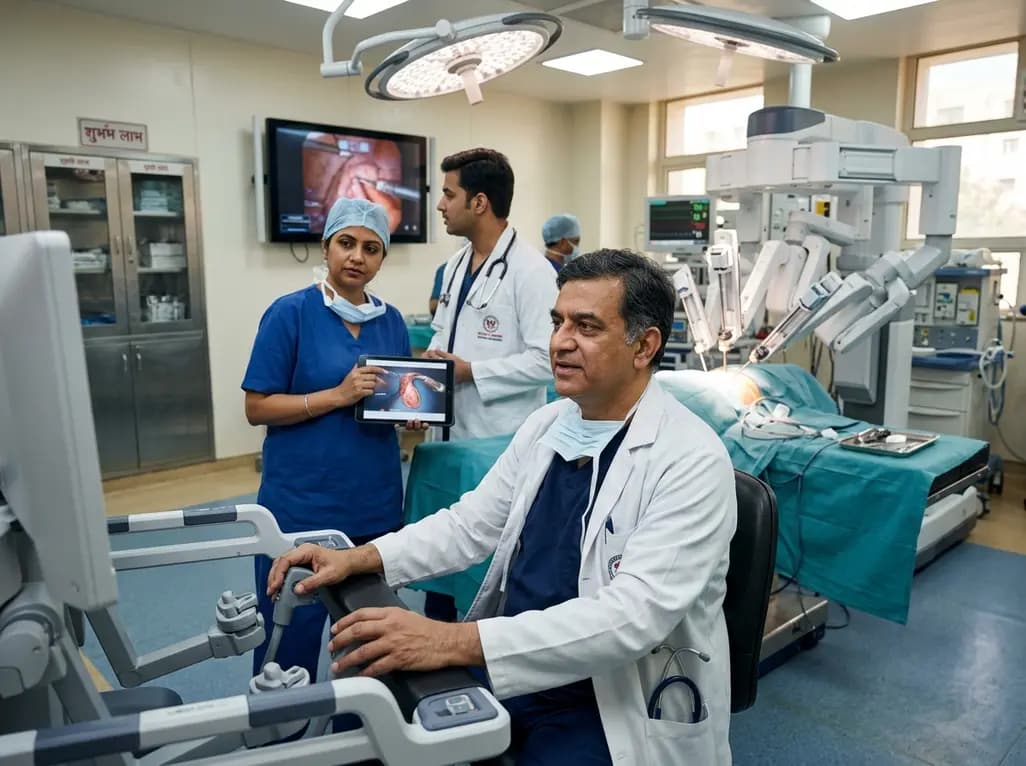
India experiences an exponential rise in robotic-assisted procedures, with Delhi NCR leading system installations and clinical volume. Discover how multidisciplinary surgical adoption, remote telesurgery breakthroughs, and standardized international consensus guidelines are shaping surgical care nationwide.
Today
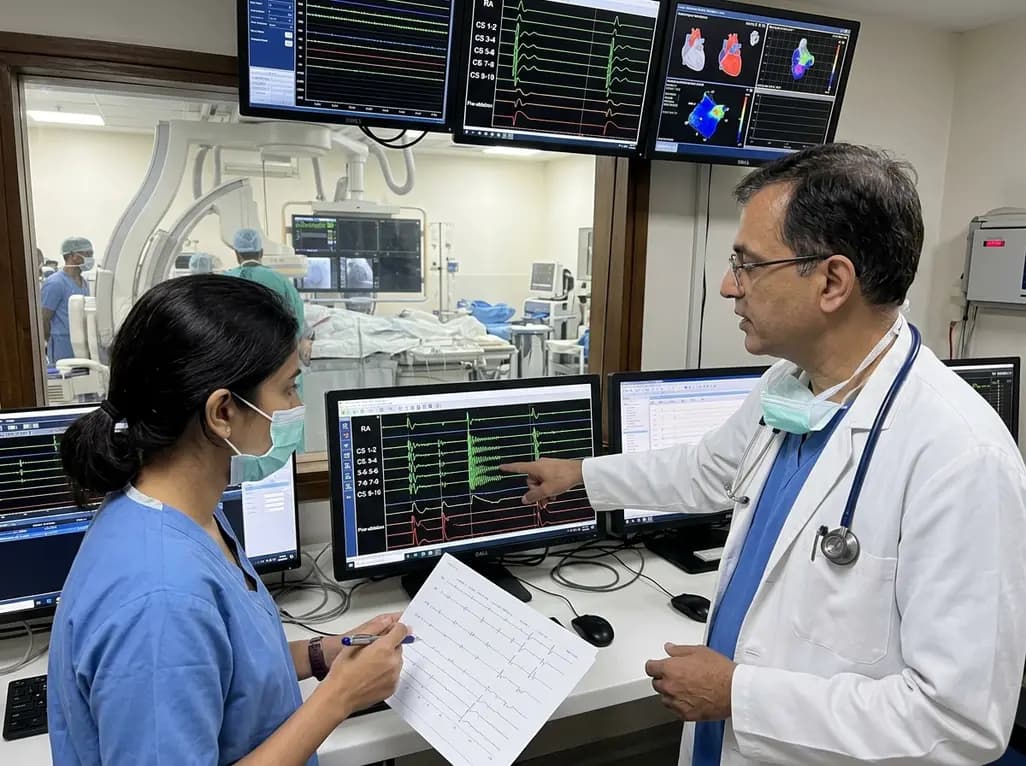
Radiofrequency catheter ablation of the cavotricuspid isthmus successfully terminates typical atrial flutter. This article reviews the mechanisms driving coronary sinus electrogram changes, wavefront activation pathways, and clinical criteria to verify bidirectional block during electrophysiology studies.
Today
A study comparing four knee flexion strength tests after ACL reconstruction using hamstring tendon autografts reveals marked variability in limb symmetry indices. Clinicians must recognize that different strength testing modalities yield divergent return-to-sport clearance rates.
Today
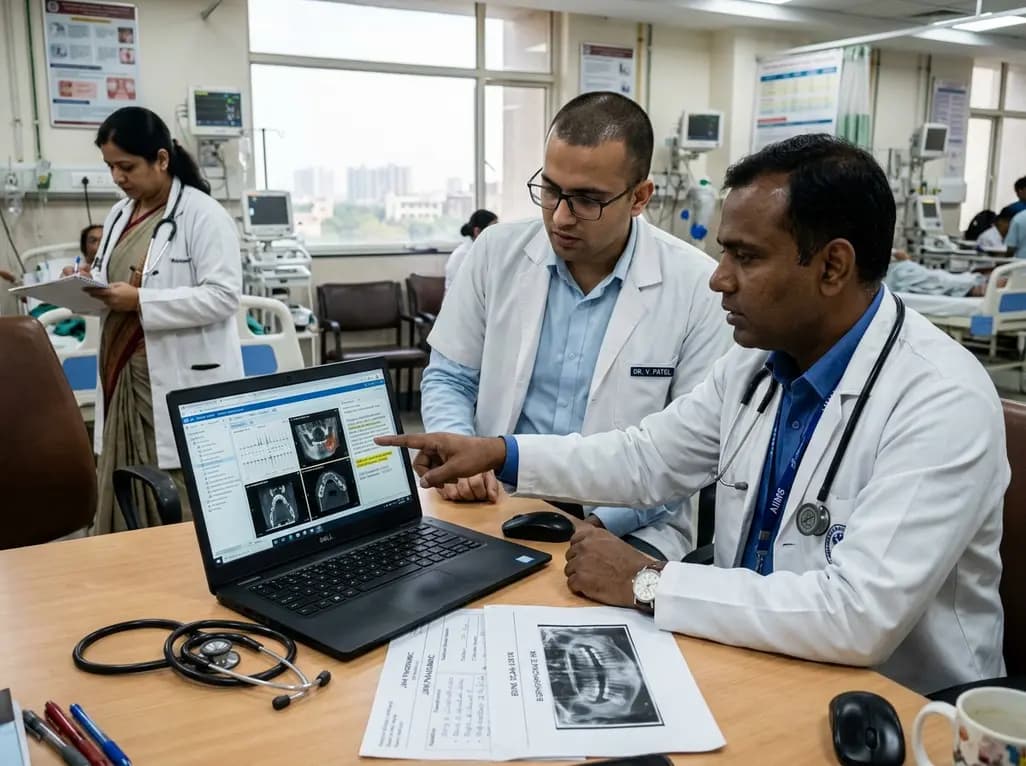
A breakthrough study leverages natural language processing to accurately identify incident medication-related osteonecrosis of the jaw and track antiresorptive drug holidays from clinical narratives in electronic health records, advancing osteoporosis pharmacovigilance and dental safety.
Yesterday
