.webp&w=384&q=75)

Loading, please wait...
Loading, please wait...
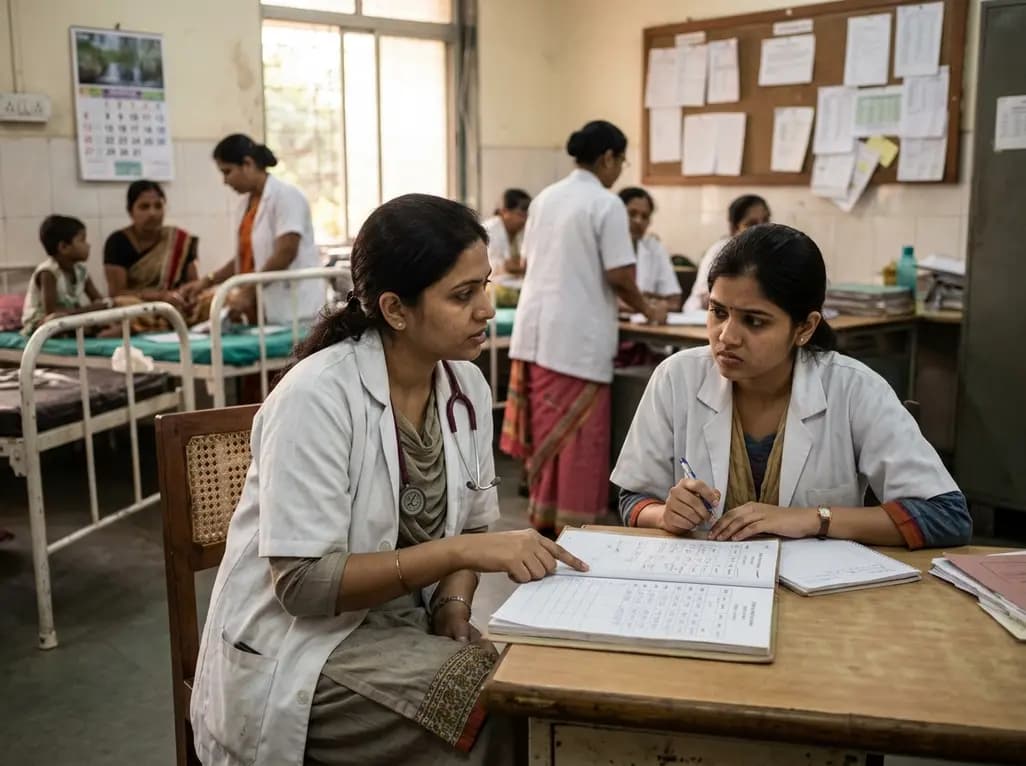
Youth mental health challenges represent an escalating public health crisis worldwide. Clinicians frequently encounter severe psychological distress across emergency departments, psychiatric clinics, and primary care settings. A decade-long population-based study from Santa Catarina, Brazil, provides critical surveillance data on adolescent self-harm and suicide. The research tracks 15,550 self-harm notifications alongside 434 suicide deaths between 2014 and 2024 among individuals aged 5 to 19 years. Consequently, these findings offer vital empirical insights into how age, sex, and seasonal dynamics shape youth self-directed violence over time.
The time-series analysis revealed a stark epidemiological divergence between non-fatal self-harm notifications and completed suicides. During the ten-year evaluation window, self-harm notifications climbed steadily across the population. Specifically, older adolescents aged 15 to 19 accounted for 67.5% of all reported self-harm episodes. Furthermore, females represented nearly three-quarters of these events, showing an overall incidence of 87.8 per 1,000,000 inhabitants. The incidence rate ratio for self-harm in females stood at 3.12 compared to males. Therefore, young women carry a disproportionate burden of documented non-fatal acute self-injury.
Conversely, suicide mortality exhibited an entirely different demographic and longitudinal trajectory. The overall suicide mortality rate among individuals aged 10 to 19 remained comparatively stable at 3.63 per 1,000,000 inhabitants. However, young males accounted for 68.4% of completed suicides, reflecting an incidence rate ratio of 2.07 relative to females. In addition, older adolescents aged 15 to 19 comprised 83.2% of all youth suicide fatalities. This contrast illustrates the distinct gender paradox wherein females present far more frequently with self-harm, whereas males exhibit significantly higher mortality.
Using seasonal and trend decomposition methods, researchers identified clear seasonal patterns governing self-harm notifications. The data revealed consistent annual peaks between September and November, which correspond to spring in the Southern Hemisphere. In contrast, completed suicides demonstrated relatively weak seasonal variation across the decade. Clinicians must recognize these rhythmic surges because environmental transitions, academic milestones, and social pressures often intensify during these specific calendar windows. Consequently, healthcare systems can anticipate patient surges and mobilize targeted resources before peak periods arrive.
Furthermore, similar cyclical trends emerge across international cohorts. In several nations, adolescent crisis admissions fluctuate alongside school term schedules and changing daylight intervals. Academic pressure, standardized testing stress, and disruptions in social support networks often drive acute psychological distress. Therefore, pediatricians and mental health professionals must coordinate proactive outreach during vulnerable months. By anticipating these predictable seasonal spikes, outpatient services can establish crisis safety plans and reinforce parental vigilance ahead of regional danger periods.
The pronounced discrepancy between non-fatal self-harm and fatal outcomes underscores complex developmental factors. Females often report self-injury involving methods with lower immediate lethality, including cutting or intentional medication overdoses. Conversely, males frequently employ irreversible, highly lethal means during impulsive crises. Therefore, a lower notification rate among young boys does not imply lower psychological distress. Instead, it frequently reflects systemic underreporting and lower rates of healthcare seeking before a fatal event occurs.
Moreover, older adolescents face unique neurodevelopmental challenges that amplify these vulnerabilities. The prefrontal cortex matures gradually throughout adolescence, whereas emotional limbic circuits develop earlier. Consequently, older teens experience intense emotional reactivity alongside immature impulse control. When peer conflict, academic despair, or identity distress occurs, impulsive actions can rapidly escalate into severe self-harm. In addition, younger children under 10 years showed minimal self-harm notifications, confirming that vulnerability surges rapidly during secondary school transitions.
Emergency physicians and triage nurses represent the initial defense line for adolescents presenting with self-directed injury. Every adolescent presenting after intentional self-harm requires a comprehensive, compassionate, and nonjudgmental clinical assessment. Clinicians should never dismiss non-fatal cutting as mere emotional manipulation or attention-seeking behavior. Research demonstrates that prior non-suicidal self-injury significantly increases the long-term statistical hazard of subsequent fatal attempts. Therefore, clinicians must treat all presentations of intentional self-harm as urgent indicators of profound psychological suffering.
Standardized assessment instruments help clinicians identify underlying comorbid conditions, including major depression, trauma-related disorders, and substance misuse. In addition, emergency teams must directly assess suicidal intent, access to lethal means, and the stability of the home environment. Clinicians should actively collaborate with family members to implement lethal means restriction immediately. Removing firearms, locking away toxic pharmaceuticals, and securing sharp objects within the household saves lives. Finally, hospitals must ensure seamless transitions to outpatient psychological care rather than discharging vulnerable youths into clinical voids.
Preventing youth self-harm demands robust integration between primary healthcare networks and community mental health resources. General practitioners and pediatricians frequently manage adolescents for routine health exams, somatization complaints, and mild depressive symptoms. Consequently, primary care clinicians are uniquely positioned to detect early behavioral changes before self-harm manifests. Incorporating brief, routine screening tools into adolescent consultations allows physicians to identify emerging anxiety, bullying victimization, and familial discord early.
Furthermore, digital mental health surveillance systems provide public health authorities with real-time indicators of community distress. When surveillance systems highlight regional increases in self-harm notifications, local clinics can rapidly deploy school-based counseling and educational workshops. Multidisciplinary care teams involving social workers, psychologists, and school counselors can establish protective safety nets around vulnerable teens. Ultimately, strengthening youth mental health surveillance bridges the gap between acute crisis management and lasting preventive medicine.
Seasonal shifts often coincide with academic stress, examinations, and neurobiological changes linked to sunlight variation. The Southern Hemisphere study showed self-harm notifications peaked between September and November. Academic deadlines, interpersonal friction, and family pressures often culminate during these months. Therefore, clinicians and schools should expect higher crisis presentations during specific seasonal transitions and implement proactive mental health check-ins accordingly.
The gender paradox occurs because adolescent females report higher rates of non-fatal self-harm, whereas males exhibit higher rates of completed suicide. Young females more frequently seek support and often utilize methods with lower physical lethality. In contrast, adolescent males tend to employ highly lethal, irreversible methods and less frequently access mental healthcare, resulting in substantially higher mortality rates despite fewer notifications.
The most vital immediate intervention involves restricting access to lethal means alongside establishing a collaborative safety plan. Clinicians must educate caregivers to secure prescription medications, over-the-counter drugs, sharp instruments, and firearms at home. In addition, securing prompt outpatient follow-up care and providing emergency crisis contacts ensures the adolescent remains supported throughout the vulnerable post-discharge transition window.
Disclaimer: This content is for informational and educational purposes only and does not constitute medical advice, diagnosis, or treatment. Healthcare professionals should exercise independent clinical judgment. Refer to the latest local and national guidelines for clinical practice.
References
de Almeida LG et al. Age-related and seasonal patterns of self-harm and suicide among children and adolescents: a decade-long population-based time-series study in Santa Catarina, southern Brazil. Trends Psychiatry Psychother. 2026 Sep 14. doi: 10.47626/2237-6089-2026-1338. PMID: 42735392.
To S, et al. Seasonal variation in suicide: age group and summer effects in the United States (2015–2020). BMC Psychiatry. 2024;24(1):831. doi: 10.1186/s12888-024-06309-7.
Ruch DA, Bridge JA. Epidemiology of Suicide and Suicidal Behavior in Youth. In: Ackerman JP, Horowitz LM, editors. Youth Suicide Prevention and Intervention. Cham: Springer; 2022. doi: 10.1007/978-3-031-06127-1_2.

Read summarized clinical updates, watch expert medical content, and earn CME certifications right from your smartphone.
Open your smartphone camera to scan and install.





A 10-year population study reveals rising rates and seasonal peaks in adolescent self-harm notifications alongside stable suicide mortality. Clinicians must adopt developmentally tailored, sex-specific screening and proactive interventions during vulnerable seasonal windows to support youth mental health.
Today
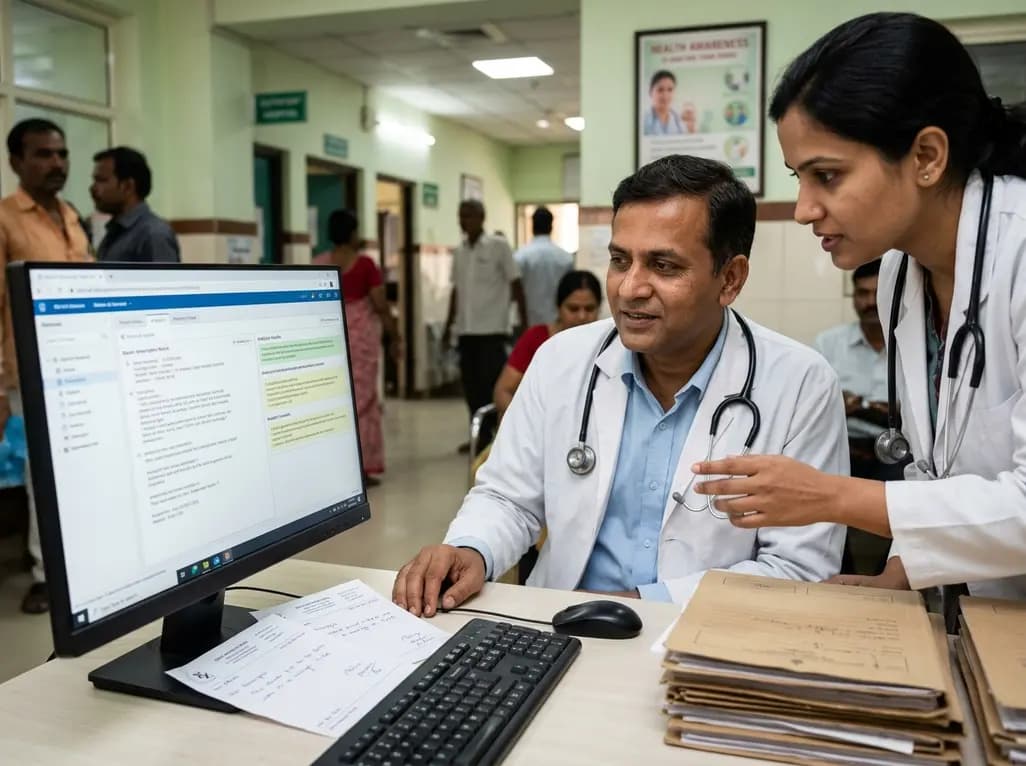
A crossover study demonstrates that locally deployed large language models with exact-match knowledge augmentation significantly elevate outpatient prescription review accuracy to 97.2%, curbing hallucinations and securing patient data without requiring complex cloud infrastructure.
Today
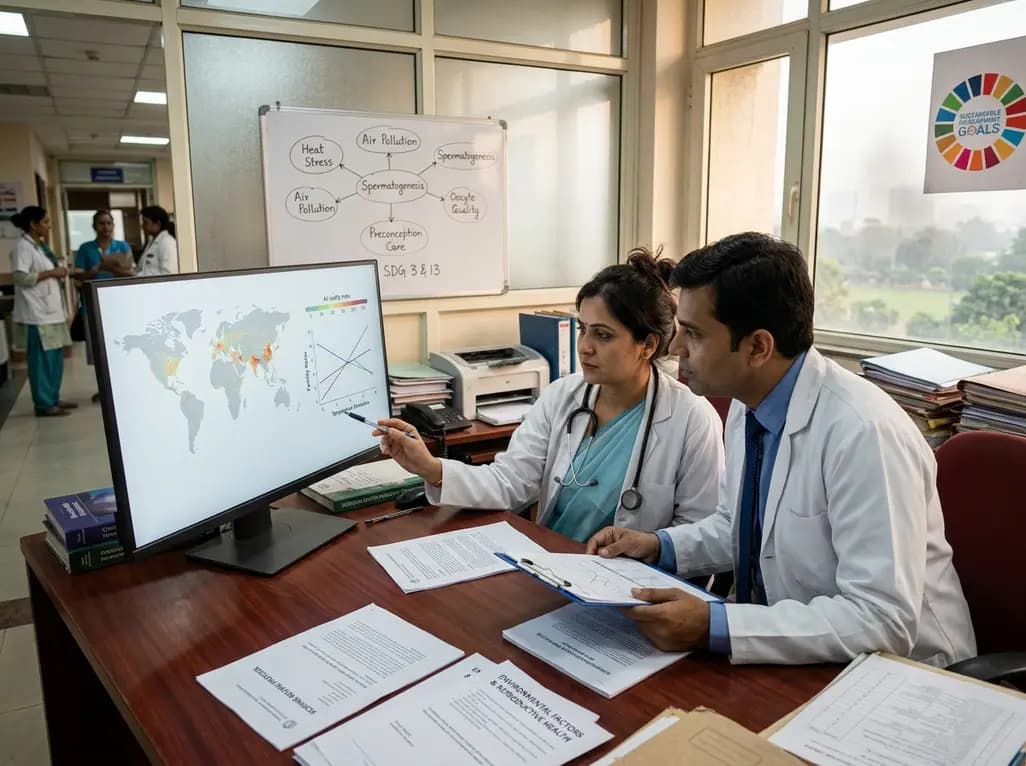
A new scoping review protocol systematically maps global evidence on how climatic shifts, ambient heat, and pollution impact human fertility. Discover key physiological mechanisms, clinical preconception strategies, and critical public health alignments under Sustainable Development Goals 3 and 13.
Today
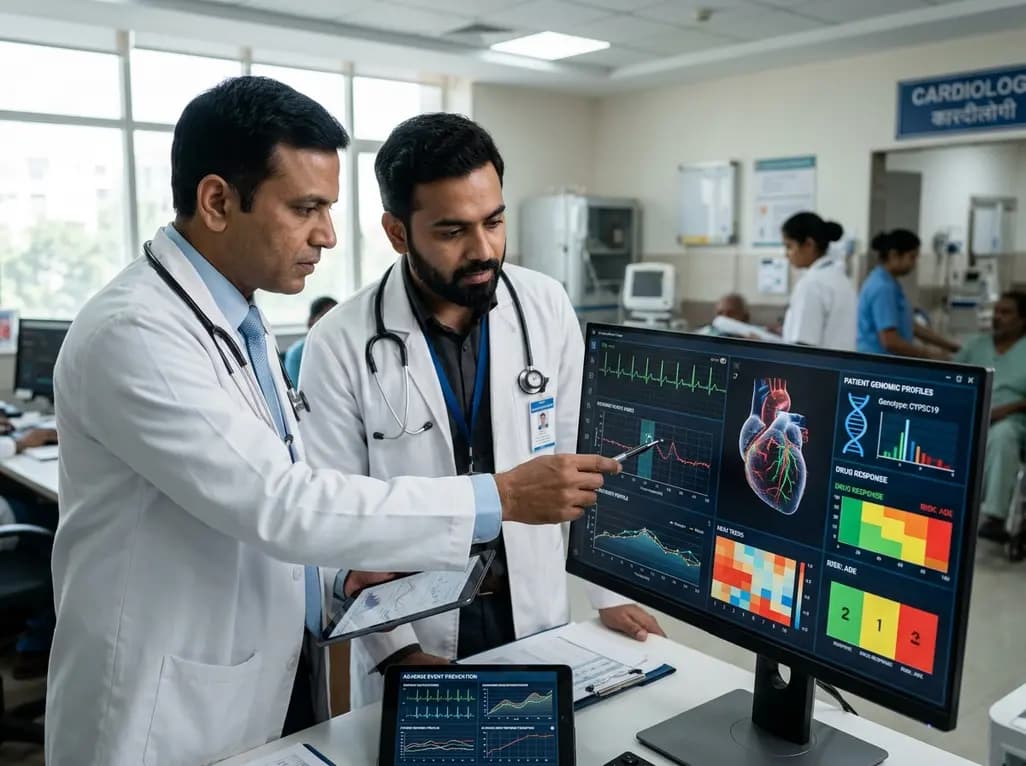
Pharmacogenomics and artificial intelligence are revolutionizing cardiology by tailoring therapies to individual genetic profiles and clinical data, reducing adverse drug events, and improving cardiovascular patient outcomes.
Today
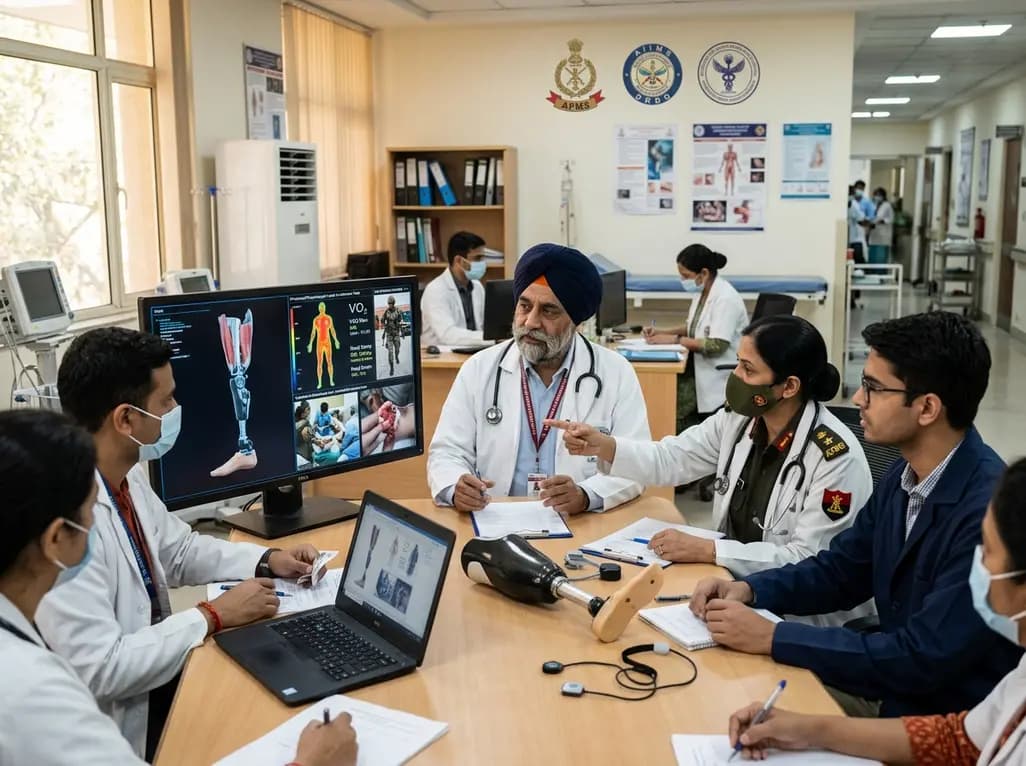
India's premier scientific bodies have joined the Armed Forces Medical Services to solve unique physiological and operational challenges faced by soldiers. The national collaboration covers combat casualty care, artificial intelligence diagnostics, bionic prosthetics, and extreme-environment physiological resilience.
Today
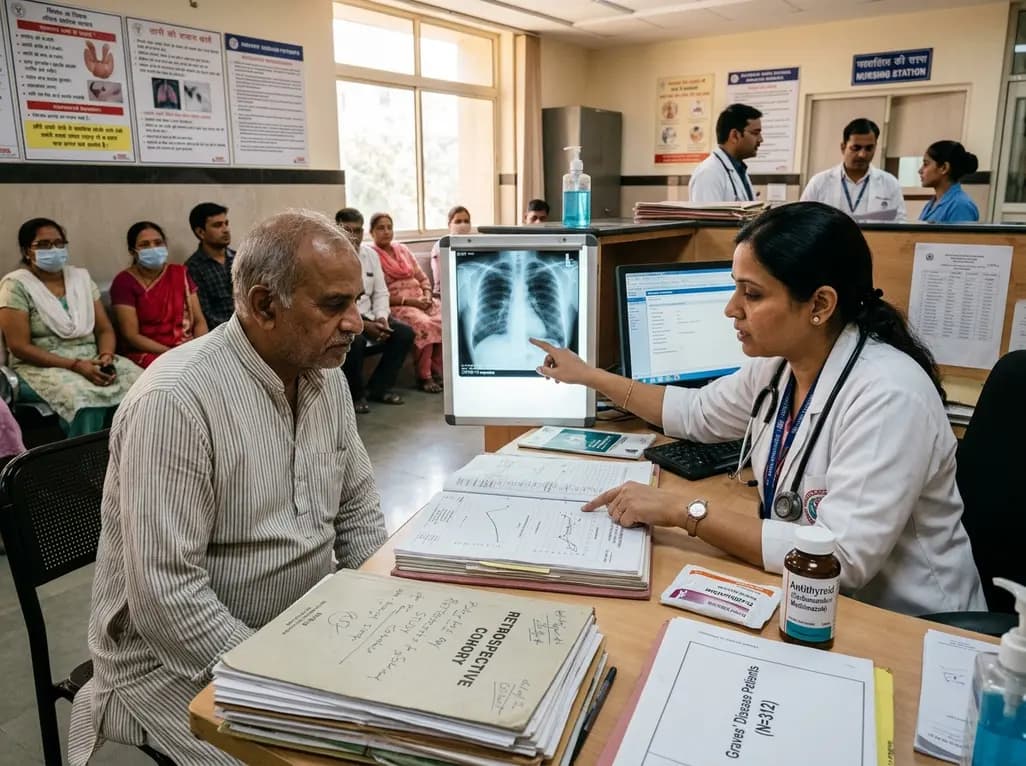
A retrospective cohort study evaluates the short- and long-term impacts of SARS-CoV-2 infection on patients with Graves' disease receiving antithyroid drug therapy, highlighting thyroid status destabilization, clinical symptom exacerbations, and post-viral sequelae.
Today
