.webp&w=384&q=75)

Loading, please wait...
Loading, please wait...
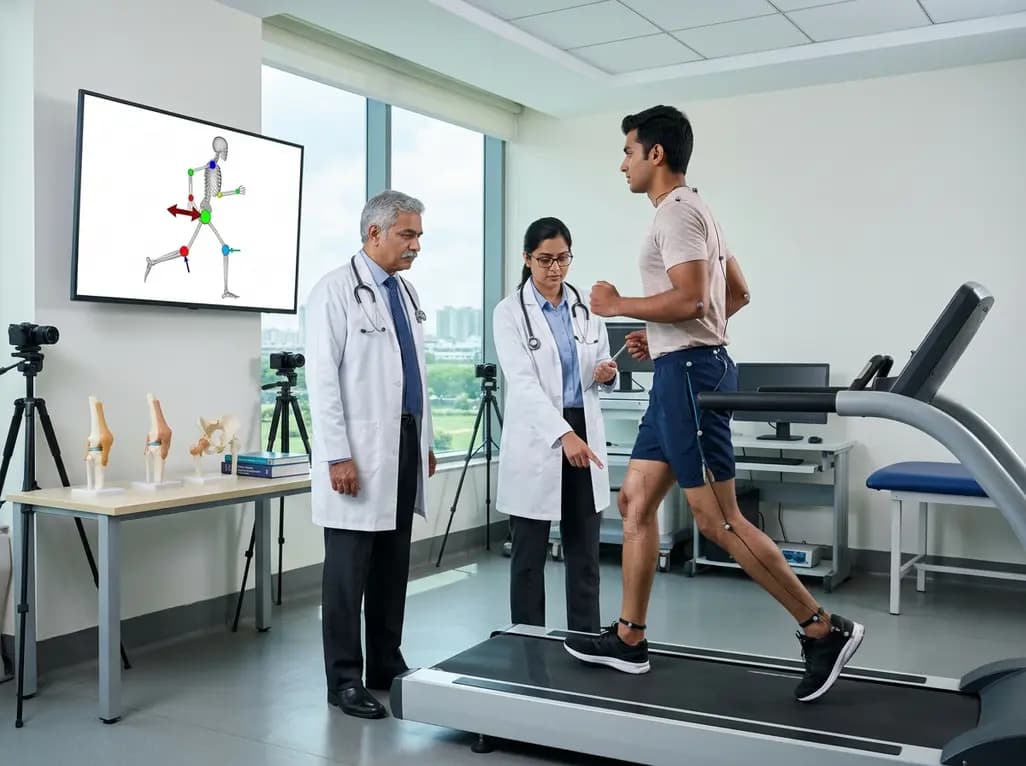
Anterior cruciate ligament (ACL) injuries remain a significant hurdle for athletes globally, including the growing sports population in India. While surgical techniques have advanced, returning to a pre-injury level of activity does not always equate to a return to normal biomechanical function. Recent research highlights that ACL reconstruction running mechanics often involve subtle yet persistent alterations that can influence long-term joint health and athletic performance. Understanding these mechanical shifts is crucial for clinicians who aim to bridge the gap between clinical discharge and high-performance sport. Therefore, analyzing how the body redistributes work across the lower limb joints provides a roadmap for more effective rehabilitation strategies. By focusing on mechanical work, we can better identify how an athlete generates and absorbs energy during the high-impact phase of running. Furthermore, this focus allows us to see beyond simple range of motion or strength metrics, revealing the dynamic compensation strategies that athletes employ to protect the reconstructed limb. Consequently, sports medicine practitioners must look deeper into the kinetic signatures of their patients to ensure comprehensive recovery and prevent future injuries or early-onset osteoarthritis.
A recent study focused on twenty-two male recreational athletes with a history of unilateral ACL reconstruction compared to healthy controls. The researchers examined positive work, which represents energy generation, and negative work, which indicates energy absorption, during overground running at a controlled speed. The findings revealed that the ACLR limb demonstrated significantly less negative and positive work at the knee joint compared to both the uninvolved limb and the control group. Interestingly, this reduction in knee work was accompanied by a shift in mechanical demand toward the hip joint. This suggests that athletes subconsciously adopt a 'knee-avoidance' strategy, where the hip takes on a greater burden of the work during the stance phase of running. Additionally, the uninvolved limb in ACLR patients also showed differences compared to healthy controls, suggesting that the impact of the injury and subsequent surgery is not strictly localized to one side. These shifts in ACL reconstruction running mechanics indicate a systemic adaptation to the initial trauma and the surgical intervention. Thus, rehabilitation cannot merely focus on the injured knee but must address the entire kinetic chain to restore symmetrical and efficient movement patterns across both lower limbs.
The transition toward hip dominance is a hallmark finding in many post-surgical gait analyses. When the knee joint lacks the capacity or the neuromuscular drive to absorb impact forces, the body naturally redistributes these forces to the proximal joints. In this study, the relative contribution of the hip to total limb work was significantly higher in the ACLR group. While this compensatory mechanism allows an athlete to maintain running speed, it may have detrimental long-term effects. Specifically, the hip and its surrounding musculature, such as the gluteus maximus and hamstrings, must work harder to stabilize the pelvis and propel the body forward. Moreover, the lack of energy absorption at the knee means that the articular surfaces may not be receiving the mechanical loading necessary for cartilage health. Consequently, this persistent shift in load distribution could lead to premature fatigue in the hip stabilizers and abnormal wear patterns in the knee joint. For Indian clinicians managing athletes, identifying this hip-heavy strategy through biomechanical screening is vital. By recognizing these patterns early, therapists can implement interventions that specifically target knee-loading capacity while ensuring the hip maintains its supportive role without becoming the primary driver of all athletic movement.
The insights gained from studying ACL reconstruction running mechanics have direct applications in the clinical setting. Standard rehabilitation protocols often emphasize quadriceps strength, but the evidence suggests that strength alone does not automatically restore normal joint work distribution. To address the reduced negative work at the knee, clinicians should incorporate eccentric loading exercises that mimic the energy absorption phase of running stance. For instance, plyometric drills and downhill running tasks can challenge the knee to manage high-velocity decelerations. Additionally, visual or auditory biofeedback during treadmill running can help athletes relearn how to distribute forces more evenly. Therefore, the goal of advanced physical therapy should be to 're-educate' the knee to accept load. Furthermore, because the study found that the uninvolved limb also exhibits altered mechanics, bilateral training remains essential. Practitioners should avoid the pitfall of only training the reconstructed side, as the healthy side may be at risk due to its own compensatory adjustments. Ultimately, a holistic approach that integrates strength, power, and biomechanical symmetry will provide the best outcomes for athletes returning to demanding sports like football, cricket, or kabaddi, where rapid decelerations are frequent.
One of the most concerning aspects of altered ACL reconstruction running mechanics is the increased risk of post-traumatic osteoarthritis (PTOA). Even after a successful surgery, many athletes develop degenerative changes within a decade. The reduction in knee work observed in this study reflects a change in the magnitude and distribution of intra-articular loading. If the knee is consistently under-loaded in terms of work generation and absorption, the cartilage may undergo atrophic changes. Conversely, if certain areas of the joint are overloaded due to malalignment or poor mechanics, the cartilage may break down. Therefore, restoring proper biomechanics is not just about performance; it is a primary prevention strategy for long-term disability. Clinicians must educate their patients on the importance of maintaining mechanical symmetry long after the initial surgical recovery. Periodic follow-up assessments that include gait analysis can help catch these subtle shifts before they lead to permanent joint damage. In the context of the Indian healthcare landscape, where access to long-term specialized sports physiotherapy can vary, establishing robust early-stage biomechanical foundations is even more critical. By ensuring that athletes move correctly from the start, we can reduce the secondary healthcare burden of managing early-onset joint degeneration in a young, active population.
Deciding when an athlete is ready to return to competition is often a complex process involving clinical tests, patient psychology, and functional performance. However, the study on ACL reconstruction running mechanics suggests that traditional return-to-sport criteria might be missing key kinetic information. An athlete might pass a hop test or a strength test but still demonstrate significant knee-work deficits during actual running. Consequently, integrating dynamic mechanical analysis into the return-to-sport battery could provide a more nuanced view of an athlete's readiness. If an athlete continues to show a hip-dominant strategy with reduced knee contribution, they may be at a higher risk for re-injury or secondary injuries in the kinetic chain. Therefore, using objective data to guide these decisions is paramount. Moreover, this approach encourages a more individualized rehabilitation timeline rather than a standard time-based protocol. As sports medicine in India becomes more data-driven, the use of wearable sensors or video analysis to track these mechanical variables will likely become more common. This evolution will allow for more precise interventions, ensuring that each athlete achieves the best possible functional outcome. In conclusion, addressing the nuances of joint work distribution is essential for any modern rehabilitation program aiming for excellence in post-ACLR care.
Negative work at the knee joint represents the energy absorbed by the musculature during the initial contact and mid-stance phases of running. After ACL reconstruction, athletes often demonstrate a significant reduction in this negative work on the reconstructed side. This suggests the knee is not effectively absorbing the impact forces, which often leads the body to shift this demand to the hip or result in less efficient shock attenuation across the limb.
Hip compensation occurs as a protective mechanism to reduce the load on the reconstructed knee joint. When the neuromuscular system perceives the knee as less stable or capable of handling high forces, it increases the mechanical work performed by the hip extensors to maintain forward progression. While this allows for continued athletic activity, it creates an imbalance in the kinetic chain that may lead to secondary injuries or fatigue-related issues over time.
The primary long-term concern of altered mechanics is the development of post-traumatic osteoarthritis. When the knee joint does not experience normal loading and work distribution, the articular cartilage can undergo degenerative changes due to either under-loading or localized overloading. Additionally, persistent mechanical asymmetry can increase the risk of contralateral ACL injury or other lower-limb pathologies by placing undue stress on the uninvolved limb during high-impact sports activities.
Disclaimer: This content is for informational and educational purposes only and does not constitute medical advice. It is not intended to be a substitute for professional medical advice, diagnosis, or treatment. Always seek the advice of your physician or another qualified healthcare provider with any questions you may have regarding a medical condition. Refer to the latest local and national guidelines for clinical practice.
References
Abdolmaleki S et al. Joint-specific mechanical work during overground running in athletes with anterior cruciate ligament reconstruction history. Knee. 2026 Jul 10. doi: undefined. PMID: 42430868.
Gokeler A et al. Principles of Motor Learning to Support Neuroplasticity After ACL Injury: Implications for Optimizing Performance and Reducing Risk of Second ACL Injury. Sports Med. 2019.
Welling W et al. Altered joint kinematics and kinetics during a side-step cutting maneuver in patients after ACL reconstruction: What is the effect of a return to sport test battery? Knee. 2018.

Read summarized clinical updates, watch expert medical content, and earn CME certifications right from your smartphone.
Open your smartphone camera to scan and install.





A recent study investigates how athletes post-ACL reconstruction exhibit altered running mechanics. Results show significant reductions in knee work and compensatory increases in hip work, highlighting the need for targeted rehabilitation to prevent long-term joint degeneration and optimize athletic performance.
3 months ago
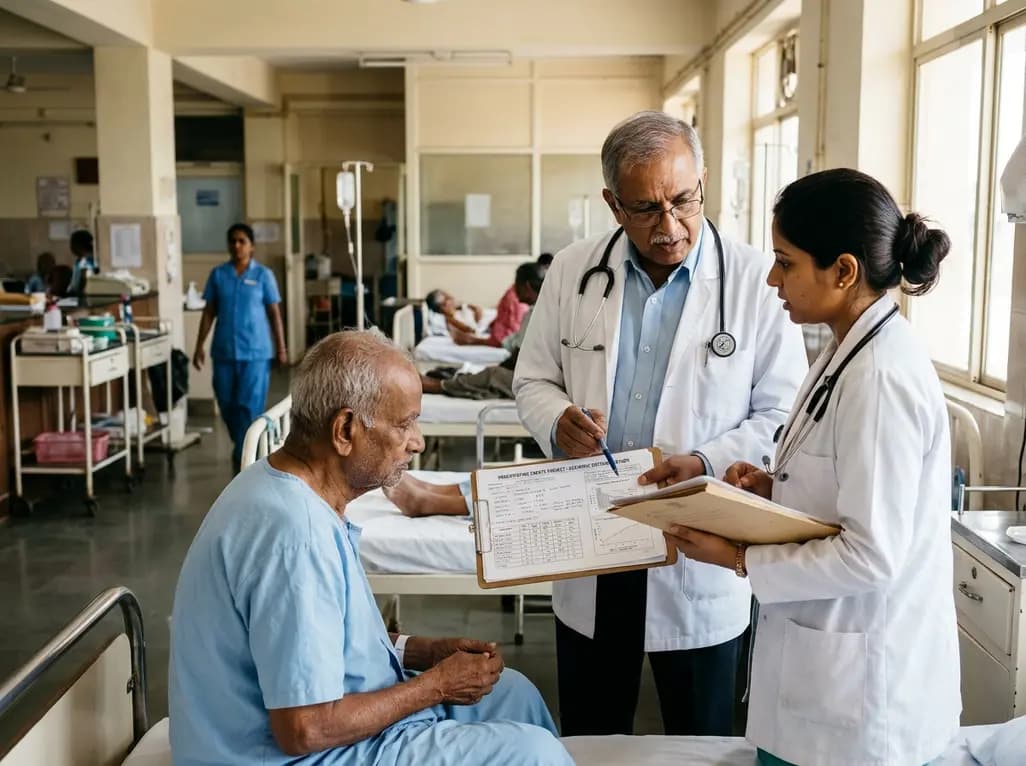
Failing to account for competing events like mortality in longitudinal geriatric studies produces biased risk estimates and misleading inferences. This review highlights key methodological principles, insights from the Precipitating Events Project, and practical approaches for clinical research appraisal.
Today
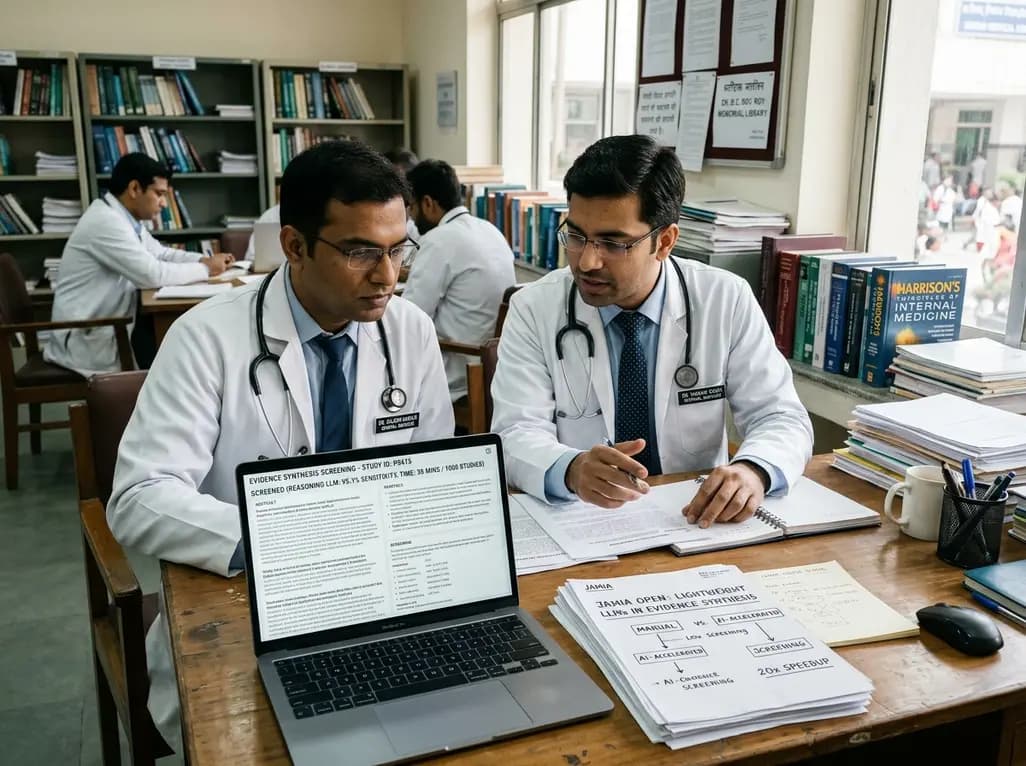
A study in JAMIA Open shows lightweight open-source reasoning LLMs achieve up to 95% sensitivity and accelerate evidence synthesis screening by nearly twentyfold, presenting a cost-effective, scalable AI solution for biomedical research and systematic reviews.
Today
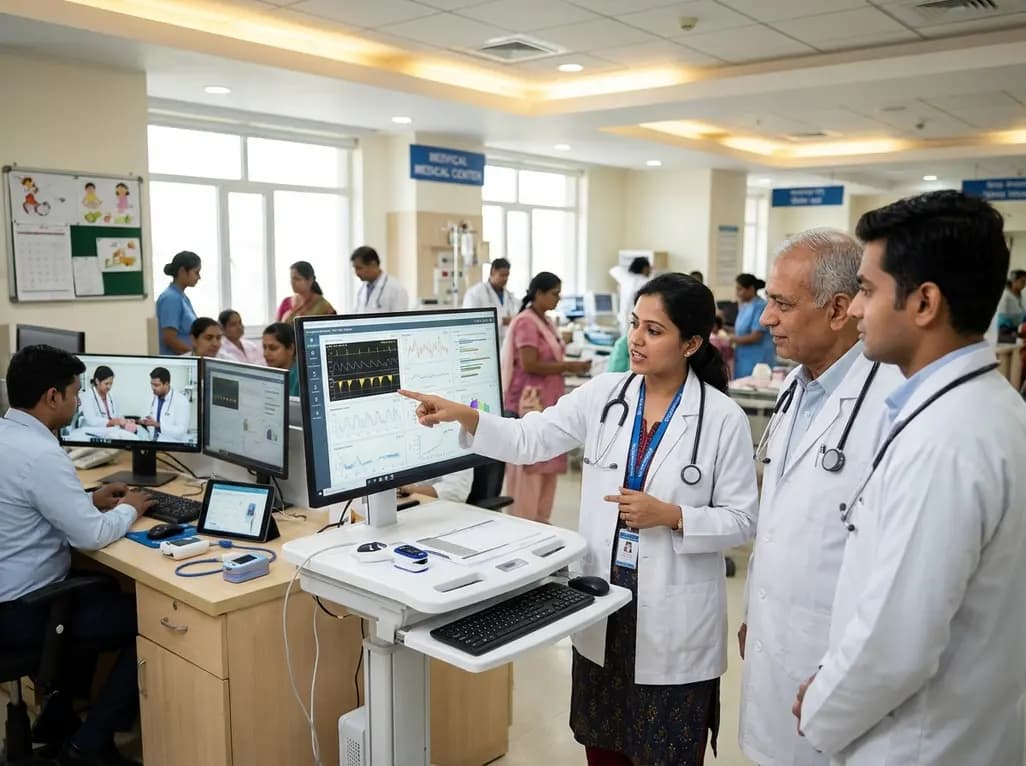
A landmark study details how an enterprise pediatric remote patient management model expanded from a single cardiology pilot to 16 diverse specialty programs by combining centralized digital operations with specialty clinical leadership.
Today
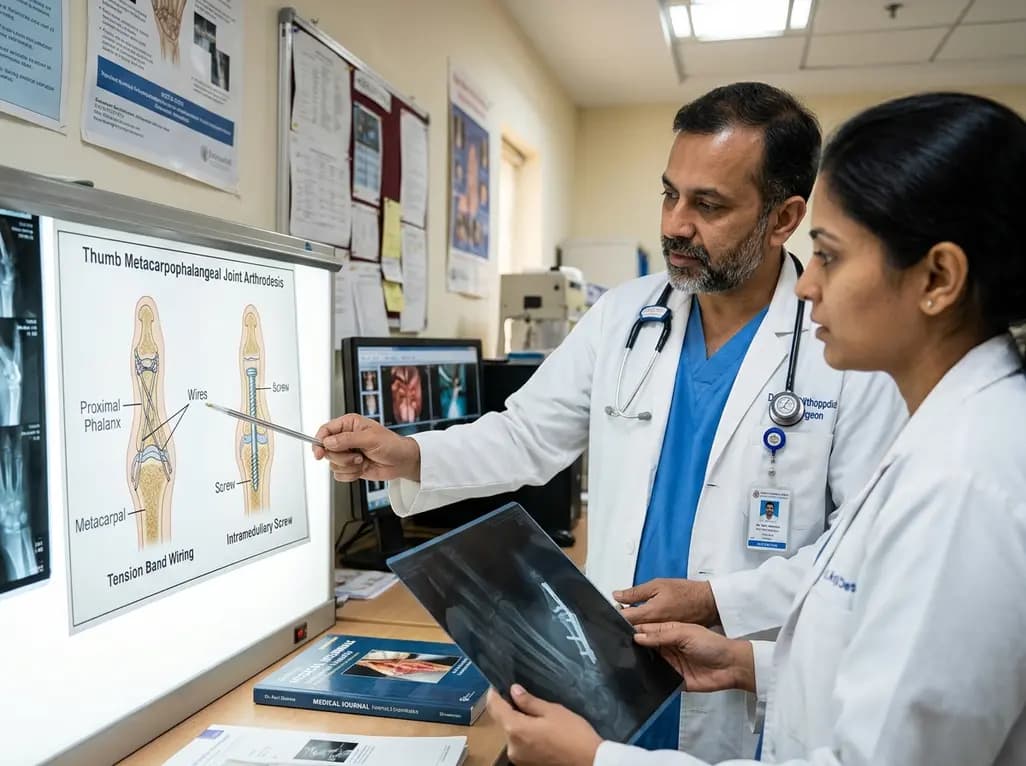
A comparative review of tension band wiring and intramedullary screw fixation in thumb metacarpophalangeal arthrodesis, evaluating union rates, hardware complications, and clinical outcomes.
Yesterday
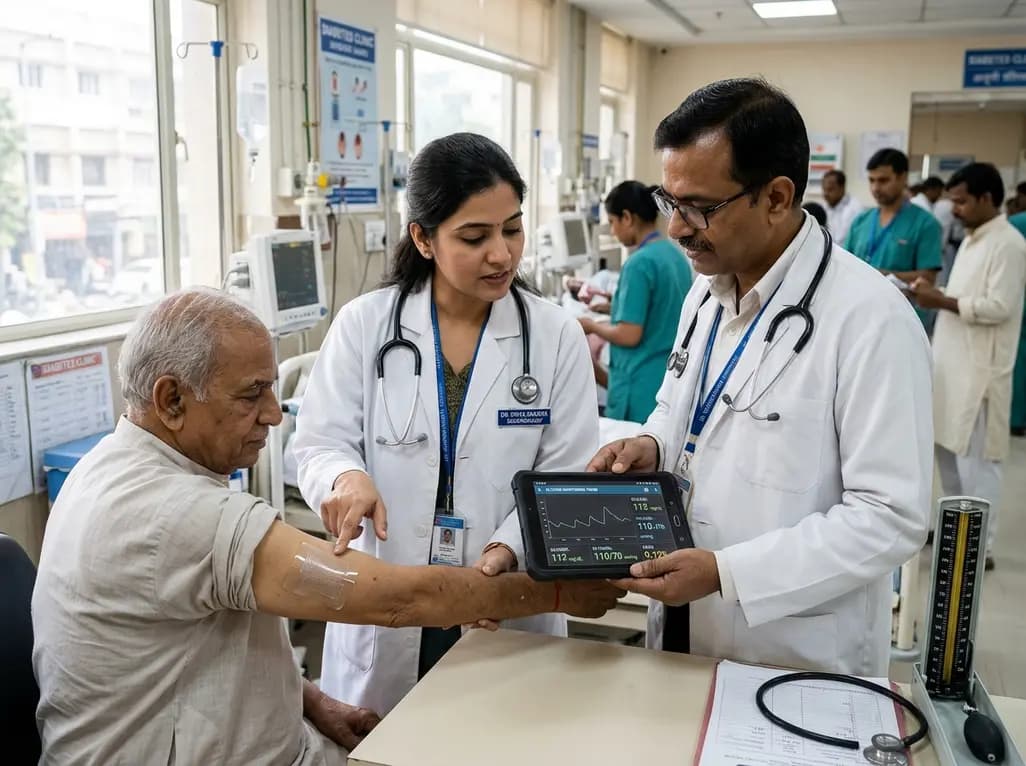
A breakthrough ultrathin multimodal sensor decouples physical hemodynamic monitoring from disposable electrochemical calibration, achieving long-term wearable glucose prediction with 81.36% accuracy and a 9.12% MARD. This offers a robust, drift-free solution for outpatient metabolic surveillance.
Yesterday
