.webp&w=384&q=75)

Loading, please wait...
Loading, please wait...
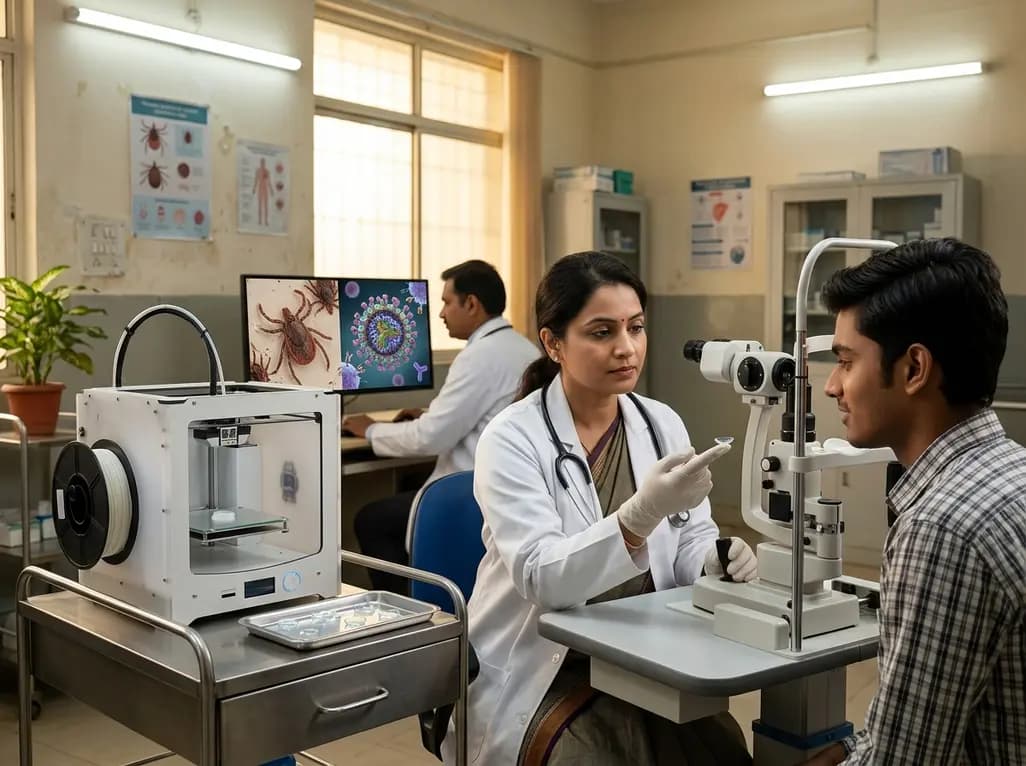
Medical technology continuously advances to solve complex clinical challenges. Recently, researchers have made significant breakthroughs in both vision correction and infectious disease monitoring. In ophthalmology, the development of 3D-printed contact lenses represents a major leap toward highly personalized patient care. Meanwhile, in infectious diseases, scientists are uncovering how tick-borne pathogens evade human defenses. These parallel tracks of scientific inquiry promise to reshape clinical practice in the near future. Understanding these updates helps clinicians prepare for future diagnostic and therapeutic options. Specifically, the integration of digital manufacturing in optometry will soon alter standard optical prescribing workflows.
Traditional manufacturing methods for rigid contact lenses require several weeks and multiple clinic visits. Consequently, patients with irregular corneas often face prolonged discomfort and delayed vision correction. To resolve this issue, researchers at the University of Waterloo developed an innovative digital manufacturing platform. This system utilizes advanced custom design software to map the unique physical topography of the patient's cornea. Subsequently, the digital files guide a specialized printer to fabricate a highly personalized rigid lens. The entire process, from initial scanning to final dispensing, takes only twenty minutes. Therefore, optometrists could soon offer same-day customized fittings during a single routine office visit. This rapid turnaround significantly reduces administrative delays and improves clinical efficiency. Additionally, the technology promises to lower the overall costs of specialized rigid gas permeable lenses. Currently, these customized lenses remain prohibitively expensive for many patients globally. This innovation democratizes access to high-quality ophthalmic care by reducing production expenses.
Standard silicone materials provide excellent oxygen permeability and biocompatibility for traditional daily wear contact lenses. However, conventional silicone formulations are generally incompatible with modern additive manufacturing processes. To bypass this chemical limitation, the research team engineered a novel hydrophilic silicone formulation. This customized material supports high-resolution vat photopolymerization printing without degrading necessary mechanical properties. Furthermore, the material maintains the essential oxygen transmission rates required to prevent corneal hypoxia. The patented formulation also ensures excellent water retention, which enhances long-term wearer comfort. Indeed, early lab testing indicates the material performs similarly to established commercial rigid gas-permeable lenses. The successful development of this material opens new pathways for medical-grade additive manufacturing. Scientists can now explore similar formulations for other biocompatible devices and clinical implants. Ultimately, this breakthrough bridges the gap between material science and personalized patient therapeutics. Clinicians must monitor these material advances as they transition from bench to bedside, preparing for future applications.
Additive manufacturing builds objects layer by layer, which naturally creates minuscule physical ridges on curved surfaces. These microscopic stair-step imperfections can severely degrade the optical clarity of a contact lens. Additionally, rough surfaces cause mechanical friction and significant physical irritation to the delicate corneal epithelium. To resolve this critical issue, the engineering team designed an innovative surface-refinement technique. They created an ultra-thin, non-contact coating process that smooths out physical imperfections. Specifically, this process reduces surface roughness by nearly eighty percent without altering the customized lens shape. Consequently, the finished lens delivers exceptional optical performance and matches the quality of commercial alternatives. The coating also preserves the hydrophilic nature of the specialized silicone material, preventing tear film disruption. Maintaining a stable tear film is essential for preventing dry eye symptoms in long-term lens wearers. Therefore, this non-contact finishing step is vital for producing clinically viable optical devices that guarantee safety and comfort.
The primary benefit of utilizing 3D-printed contact lenses lies in their precise, patient-specific fit. Clinicians frequently encounter patients with severe astigmatism, keratoconus, or post-surgical corneal irregularities who cannot wear standard stock lenses. For these challenging cases, rigid gas-permeable lenses are medically necessary to achieve adequate visual acuity. However, the traditional trial-and-error fitting process often frustrates patients and consumes valuable clinical hours. By adopting digital scanning and rapid printing, practitioners can eliminate the need for diagnostic fitting sets. Instead, the inner surface of the printed lens directly mirrors the unique corneal topography. Simultaneously, the software calculates the precise outer curvature required to correct the patient's refractive error. This dual customization ensures both immediate physical comfort and optimal visual correction. Furthermore, reducing the fabrication time to twenty minutes allows immediate modifications if the initial fit requires adjustment. Consequently, patients receive an optimized therapeutic device without enduring weeks of waiting, enhancing clinical satisfaction.
While material scientists revolutionize optometry, infectious disease researchers are investigating dangerous emerging pathogens. Specifically, a class of tick-borne viruses known as nairoviruses poses an increasing threat to public health. The Crimean-Congo hemorrhagic fever virus belongs to this family, causing severe, often fatal infections. Recently, scientists identified a new relative called the Pacific Coast tick nairovirus, or PCTNV. In laboratory experiments, PCTNV demonstrated a highly sophisticated ability to evade human immune detection. The virus produces specialized protease enzymes that cleave essential signaling proteins like ubiquitin from host molecules. Normally, these signaling proteins act as alarms that trigger cellular defenses. By removing these molecular flags, the pathogen replicates silently without alerting the host's immune system. Although researchers have not yet detected PCTNV infections in humans, the virus resides in human-biting ticks. Consequently, populations along the United States Pacific Coast face a potential risk of exposure. Mapping these enzymatic structures is essential for developing targeted antiviral therapies and advanced biosurveillance systems. Clinicians must remain vigilant and educate patients on tick bite prevention to mitigate these emerging biological threats.
Q1: How do 3D-printed contact lenses differ from traditional rigid contact lenses?
Traditional rigid lenses require weeks of manual fabrication and multiple diagnostic fitting sessions. In contrast, 3D-printed contact lenses utilize digital corneal scans and advanced software to design a fully customized lens. The production takes only twenty minutes using a specialized hydrophilic silicone. This rapid process allows practitioners to design, manufacture, and dispense personalized lenses during a single routine office visit, lowering costs and improving patient convenience.
Q2: Why was a new silicone material necessary for 3D printing contact lenses?
Conventional silicone is the standard material for commercial lenses due to its high oxygen permeability. However, traditional silicone formulations are chemically incompatible with additive manufacturing technologies. Researchers resolved this by developing a patented hydrophilic silicone formulation. This novel material supports high-resolution printing while fully retaining the essential oxygen transmission and biocompatibility required for safe corneal wear, representing a major breakthrough in polymer science.
Q3: How do tick-borne nairoviruses like PCTNV evade the human immune system?
Nairoviruses evade host defenses by producing specialized protease enzymes. These enzymes actively cleave small signaling proteins, specifically ubiquitin and ISG15, from host cell proteins. Normally, these signaling proteins act as alarms that trigger an immune response against viral replication. By stripping these molecules away, the virus effectively hides from detection, allowing it to replicate without triggering host cellular defenses.
Disclaimer: This content is for informational and educational purposes only. It does not constitute medical advice or replace professional judgment. Refer to the latest local and national guidelines for clinical practice.
References

Read summarized clinical updates, watch expert medical content, and earn CME certifications right from your smartphone.
Open your smartphone camera to scan and install.





Explore how innovative 3D-printed contact lenses can be customized and manufactured in just 20 minutes, offering rapid vision correction. Additionally, learn how emerging tick-borne nairoviruses employ specialized enzymes to evade the human immune system, presenting new clinical and public health challenges.
3 months ago
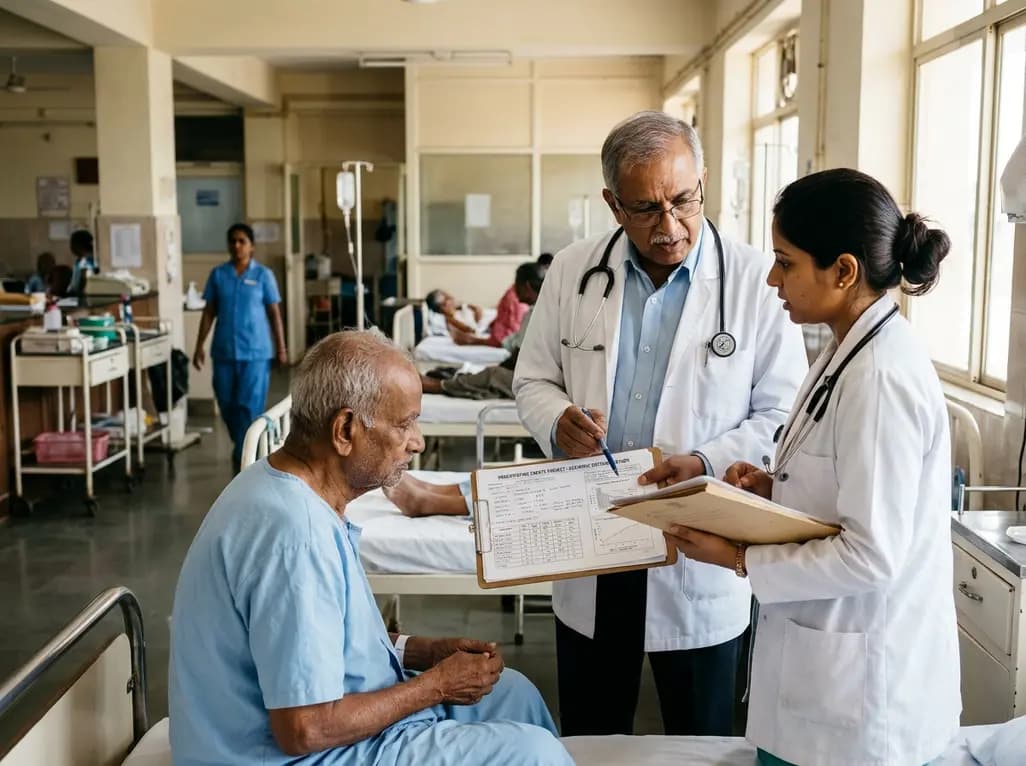
Failing to account for competing events like mortality in longitudinal geriatric studies produces biased risk estimates and misleading inferences. This review highlights key methodological principles, insights from the Precipitating Events Project, and practical approaches for clinical research appraisal.
Today

A study in JAMIA Open shows lightweight open-source reasoning LLMs achieve up to 95% sensitivity and accelerate evidence synthesis screening by nearly twentyfold, presenting a cost-effective, scalable AI solution for biomedical research and systematic reviews.
Today
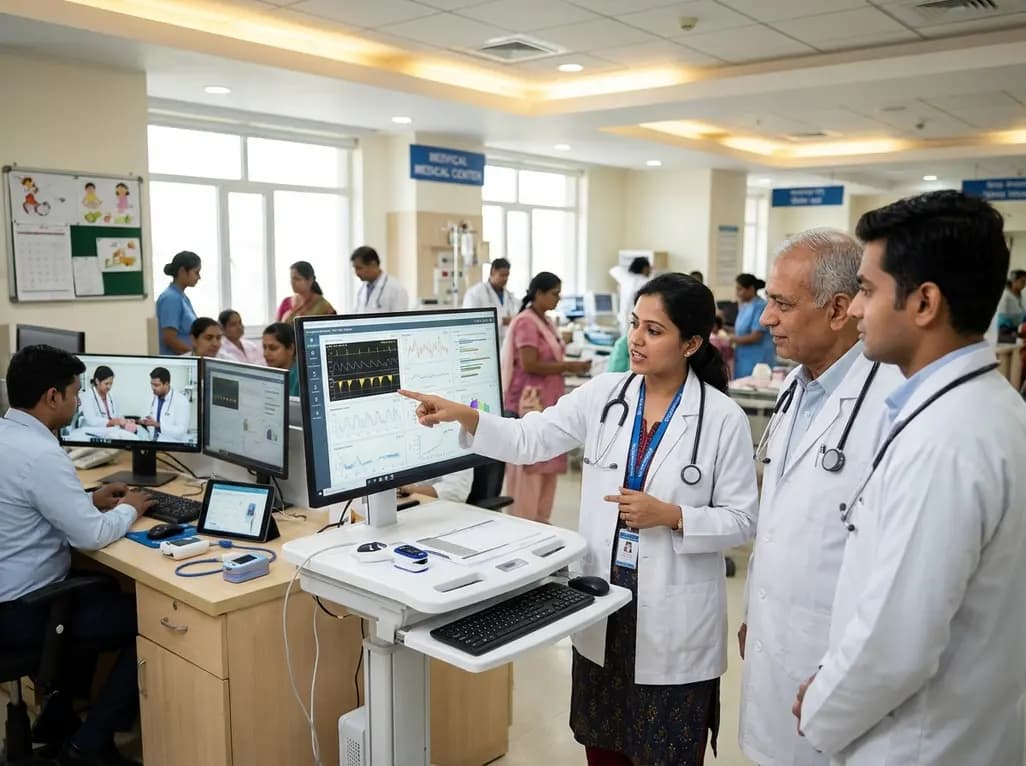
A landmark study details how an enterprise pediatric remote patient management model expanded from a single cardiology pilot to 16 diverse specialty programs by combining centralized digital operations with specialty clinical leadership.
Today
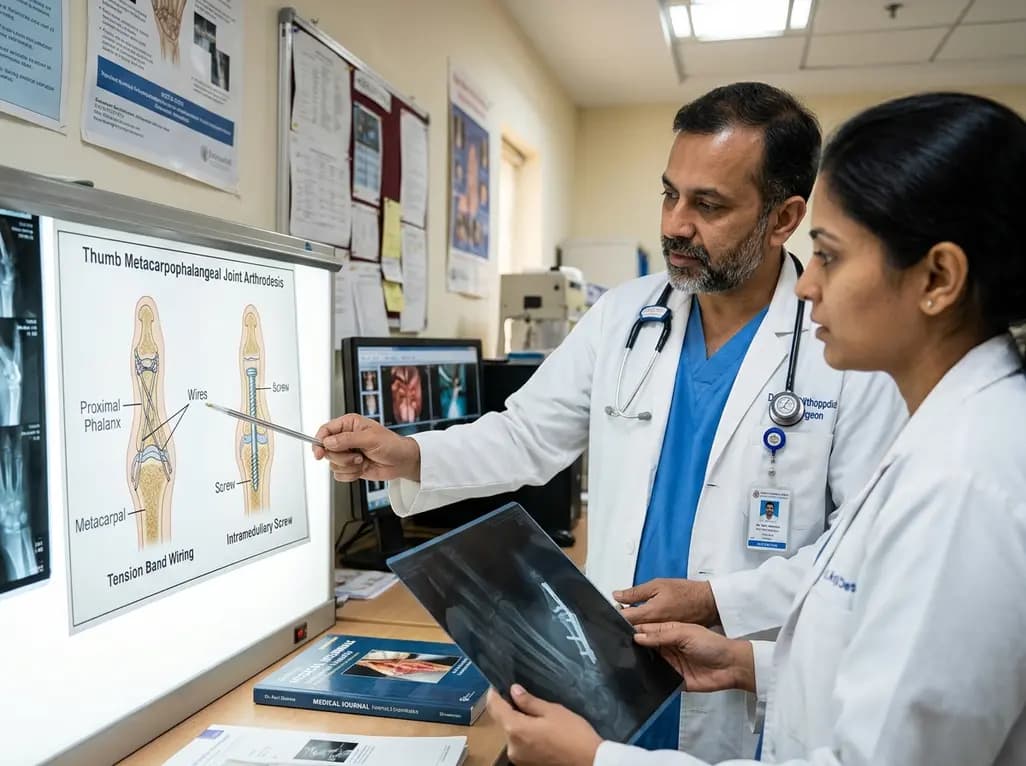
A comparative review of tension band wiring and intramedullary screw fixation in thumb metacarpophalangeal arthrodesis, evaluating union rates, hardware complications, and clinical outcomes.
Yesterday
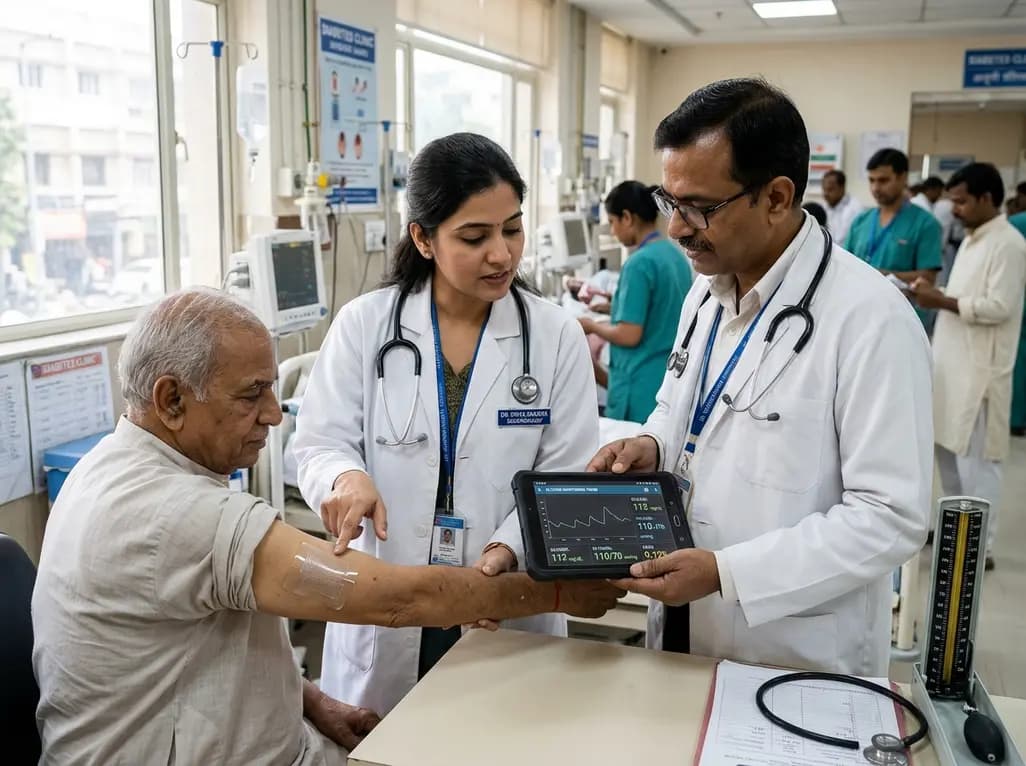
A breakthrough ultrathin multimodal sensor decouples physical hemodynamic monitoring from disposable electrochemical calibration, achieving long-term wearable glucose prediction with 81.36% accuracy and a 9.12% MARD. This offers a robust, drift-free solution for outpatient metabolic surveillance.
Today
