.webp&w=384&q=75)

Loading, please wait...
Loading, please wait...

Understanding the sociodemographic drivers of youth suicidal behavior is essential for effective clinical intervention. A recent study involving 539 individuals aged 15 to 30 years highlighted that nearly 20% of participants exhibit moderate to high risk levels. While many young people show low risk, specific vulnerabilities exist within certain cohorts. Consequently, clinicians must adopt a nuanced approach to screening and support to address these disparities effectively.
The research identifies significant disparities based on identity and social standing. Specifically, women, migrants, and LGBTIQ+ individuals face heightened vulnerability. These groups often navigate intersecting layers of discrimination and structural inequality. Moreover, socioeconomic precarity and adverse family relationships correlate strongly with increased susceptibility. Therefore, a focus on structural factors remains as vital as individual clinical assessment. Furthermore, educational and occupational instability contributes to the psychological burden on young adults.
Effective prevention requires a multidimensional framework that moves beyond a singular definition of risk. Practitioners should integrate family support initiatives and public welfare policies into their management plans. Similarly, educational interventions can provide a safety net for students facing academic or social stress. Because the impact of these factors varies across contexts, tailored strategies are necessary. Finally, an intersectional perspective ensures that interventions reach the most marginalized segments of the population.
According to recent findings, women, migrants, and individuals identifying as LGBTIQ+ show significantly higher vulnerability. Socioeconomic challenges and poor family relationships also serve as major risk indicators.
Clinicians should adopt an intersectional approach that considers social, structural, and individual factors. Integrating family therapy, school-based support, and socioeconomic assistance can provide a more comprehensive safety net.
Disclaimer: This content is for informational and educational purposes only. It does not constitute professional medical advice, diagnosis, or treatment. Always seek the advice of your physician or other qualified health provider with any questions you may have regarding a medical condition. Refer to the latest local and national guidelines for clinical practice.
References
Padín PF et al. Evaluation of Suicidal Behavior in Young Populations: Sociodemographic Factors Associated. J Am Psychiatr Nurses Assoc. 2026 Mar 22. doi: 10.1177/10783903261425612. PMID: 41865310.
National Crime Records Bureau (NCRB). Accidental Deaths and Suicides in India (ADSI) Report. Ministry of Home Affairs, Government of India.
World Health Organization (WHO). Comprehensive Mental Health Action Plan 2013–2030.

Read summarized clinical updates, watch expert medical content, and earn CME certifications right from your smartphone.
Open your smartphone camera to scan and install.





A study of 539 young people identifies gender, migration status, and socioeconomic precarity as key risk factors for suicidal behavior....
7 months ago
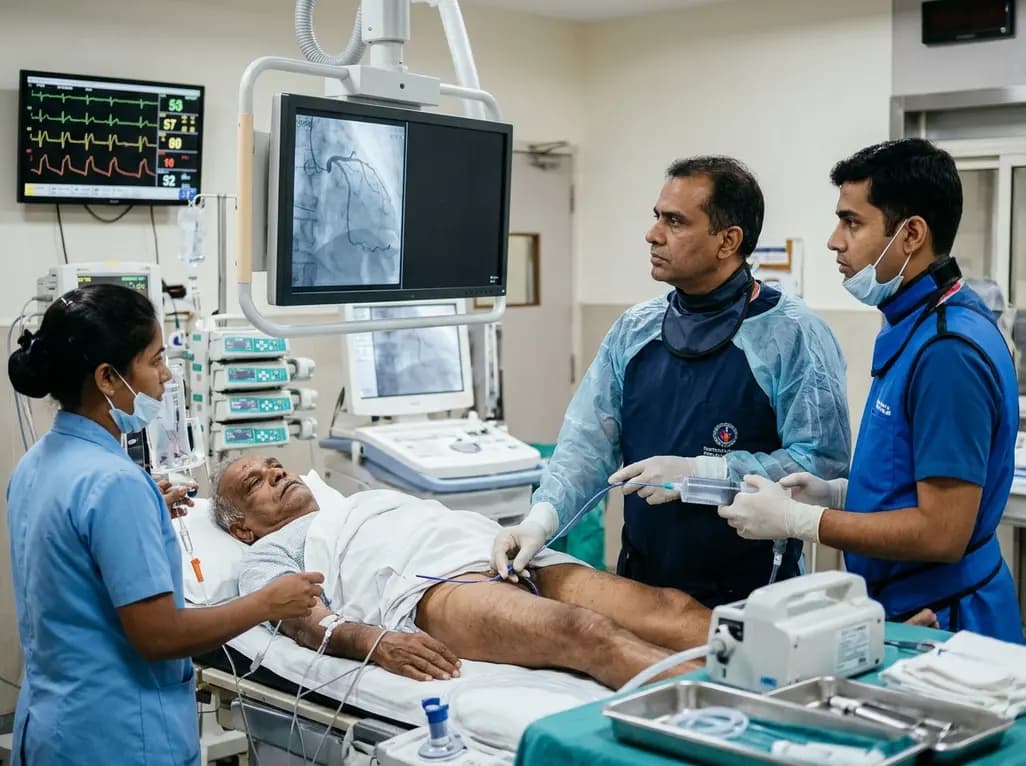
An elderly man with partially repaired Tetralogy of Fallot presented with STEMI caused by coronary embolism rather than atherosclerosis. Successful treatment with sustained mechanical aspiration thrombectomy underscores the vital need for high clinical vigilance in adult congenital heart disease.
Today
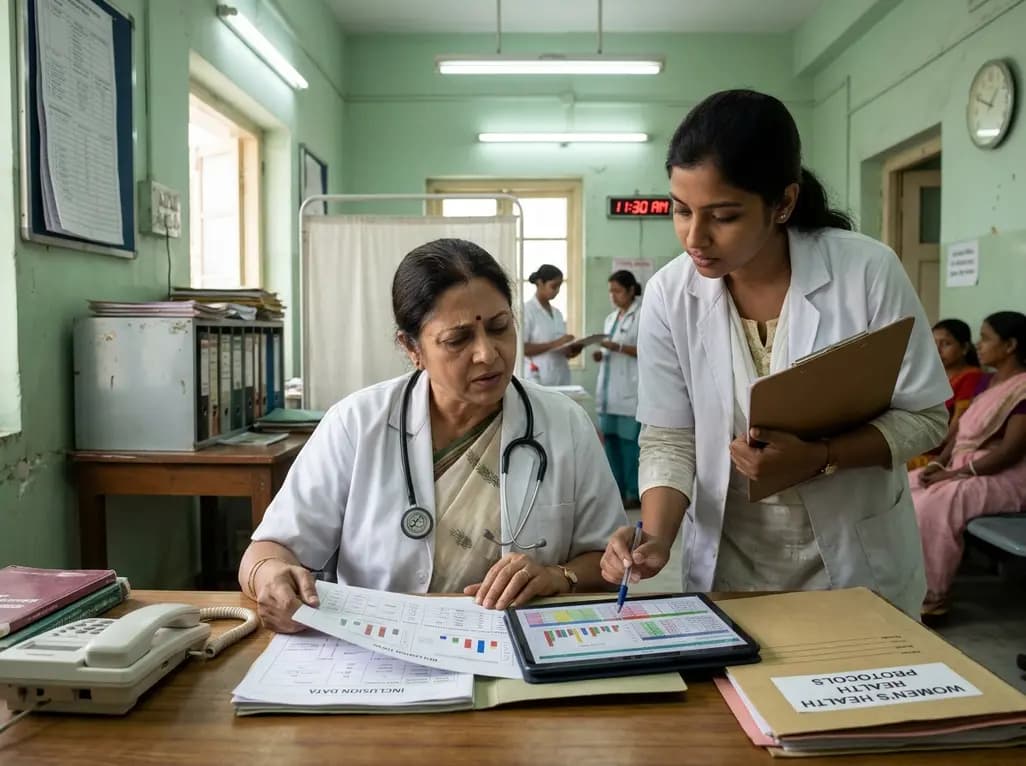
Demanding exhaustive hormonal profiling can inadvertently discourage clinical studies involving females. Methodological standards must align with the specific scientific question to expand, not restrict, equitable evidence for women.
Today

A recent study demonstrates that spinal oxygen sensors do not require mitochondrial electron transport to trigger sympathetic excitation during acute hypoxia, revealing new insights into how mitochondrial oxidative stress modulates autonomic tone in cardiovascular and neurological diseases.
Today

A comparative review of tension band wiring and intramedullary screw fixation in thumb metacarpophalangeal arthrodesis, evaluating union rates, hardware complications, and clinical outcomes.
Today
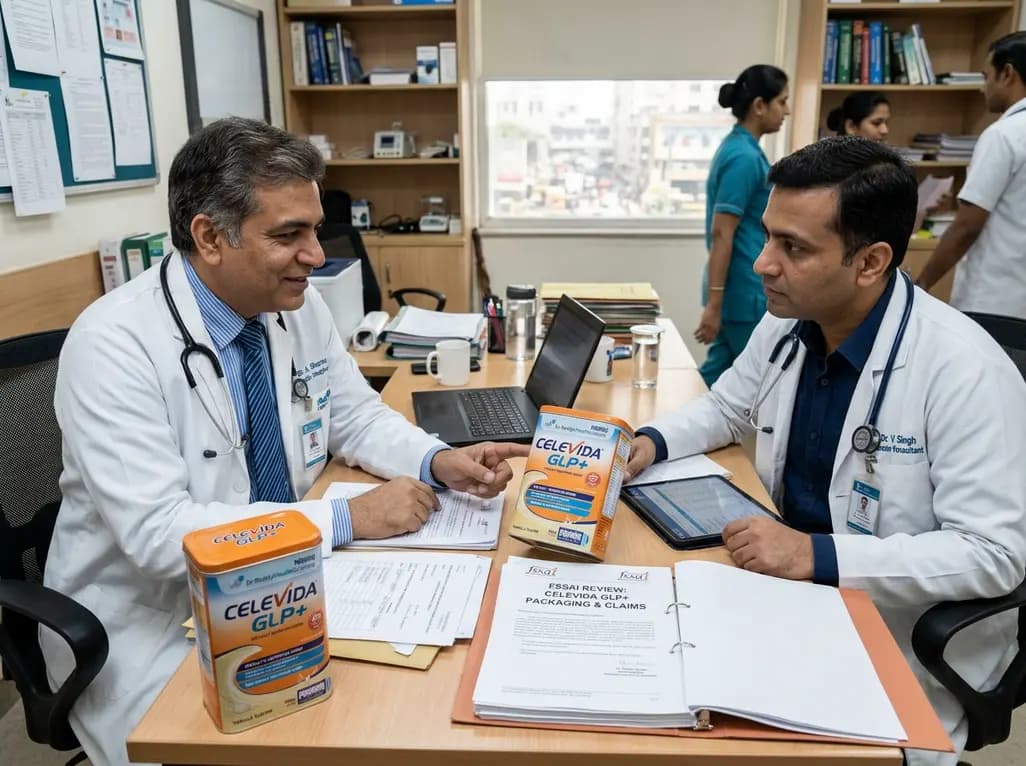
Following regulatory scrutiny from FSSAI regarding promotional representations and lean muscle preservation claims, Dr. Reddy's Laboratories and Nestlé Health Science are currently reviewing the branding and marketing strategy for their joint nutritional supplement Celevida GLP+.
Today
