

Loading, please wait...
Loading, please wait...

Biomedical science has historically treated the male physiology as the universal baseline for human biology. Consequently, women's health research suffered from decades of systemic underrepresentation. Investigators frequently justified excluding female subjects by citing hormonal fluctuations as inconvenient confounding variables. However, this historical neglect created major clinical knowledge gaps that persistently undermine everyday patient care. Over the past decade, major regulatory bodies globally mandated sex as a biological variable in scientific inquiries. As a result, investigators began integrating female cohorts into basic laboratory science and clinical trials. Today, clinical researchers recognize that pharmacokinetics, pharmacodynamics, and disease phenotypes differ substantially between sexes. Therefore, expanding female participation represents an indispensable step toward authentic precision medicine. Furthermore, clinicians increasingly demand robust evidence that accurately reflects their diverse patient population. This ongoing shift has uncovered vital insights across cardiology, oncology, and rheumatology. Nevertheless, the transition toward true equity faces unexpected modern obstacles. While recruitment numbers have risen steadily, researchers now encounter subtle operational bottlenecks. These emerging standards threaten to complicate the very progress they intend to promote.
Although regulatory authorities successfully expanded female enrollment, an unintended barrier has recently emerged in academic publishing. Specifically, peer reviewers and grant committees frequently demand exhaustive hormonal and reproductive characterization whenever researchers include female participants. While granular characterization remains vital for reproductive investigations, applying this requirement universally creates significant hurdles. Consequently, investigators studying non-reproductive diseases face escalating laboratory costs and logistical delays simply for recruiting women. For example, a team evaluating cognitive rehabilitation must now justify why they omitted daily serum estradiol measurements. In contrast, researchers studying male cohorts rarely face demands to quantify daily androgen fluctuations. Therefore, well-intentioned standards designed to strengthen scientific rigor inadvertently discourage investigators from enrolling female subjects. When methodological expectations exceed available grant funding, researchers may reluctantly revert to single-sex male models to conserve resources. Furthermore, this asymmetrical scrutiny penalizes exploratory projects designed to assess preliminary sex differences. Scientific gatekeepers must realize that over-standardization produces perverse disincentives. Demanding impractical endocrine monitoring across every trial ultimately restricts the broad evidence base required to improve female healthcare.
To resolve this operational tension, academic journals and funding agencies must align methodological demands with specific study objectives. Obviously, rigorous menstrual cycle tracking offers immense value when investigators study fertility, hormonal therapies, or endocrine dysregulation. However, requiring identical granular profiling for generalized cardiovascular fitness, musculoskeletal mechanics, or wound healing proves unnecessary. Scientific protocols should measure biological variables only when those variables directly influence the primary clinical outcome. Therefore, investigators need a pragmatic framework where biological characterization directly matches the empirical claim being tested. In addition, funding institutions must differentiate between mechanistic reproductive science and pragmatic clinical effectiveness trials. When researchers conduct community-based interventions, imposing frequent laboratory blood draws increases participant attrition and inflates trial budgets. Furthermore, excessive testing burdens female volunteers, which significantly impedes recruitment across diverse demographic groups. By adopting a tiered, hypothesis-driven model, investigators can preserve scientific rigor without placing unrealistic demands on study participants. Consequently, research institutions can publish actionable findings while maintaining realistic operational budgets. Striking this essential balance ensures that scientific standards expand biomedical insight rather than restrict participation.
For medical practitioners and clinical researchers across India, this emerging paradox carries immediate practical significance. India boasts an exceptionally diverse female population, yet clinical trials frequently struggle with equitable gender representation. Furthermore, specialized endocrine assays and frequent diagnostic visits significantly increase operational costs. Consequently, regional medical colleges and district hospitals struggle to conduct pragmatic observational studies involving local women. Moreover, Indian women face distinct environmental, nutritional, and metabolic challenges, including high burdens of polycystic ovary syndrome and diabetes. If research protocols demand expensive hormonal monitoring for basic clinical trials, local investigators cannot generate vital population-specific data. Therefore, national bodies such as the Indian Council of Medical Research advocate for practical, inclusive study frameworks. Indian clinicians urgently need actionable data derived from local communities rather than extrapolated foreign literature. In addition, simplifying inclusion criteria empowers smaller research centers to participate actively in nationwide clinical registries. Ultimately, adopting pragmatic research standards will enable Indian researchers to generate high-quality evidence that addresses the precise healthcare needs of women across all socioeconomic strata.
At the clinical bedside, therapeutic decisions depend entirely on the breadth and validity of available biomedical literature. When methodological hurdles prevent female inclusion, physicians must extrapolate medication dosages and therapeutic strategies from male cohorts. Historically, this empirical guesswork led to higher rates of adverse drug reactions and clinical failures among women. For example, clinicians historically underdiagnosed acute coronary syndromes in female patients due to male-dominated diagnostic paradigms. Therefore, modernizing clinical trials directly improves patient safety, diagnostic accuracy, and therapeutic efficacy during routine medical practice. When investigators publish accessible, female-inclusive studies, clinicians gain valuable insights into sex-specific pharmacokinetics and disease manifestations. Furthermore, healthcare providers can prescribe targeted regimens with greater clinical confidence across various life stages. This informed perspective enhances physician-patient communication and supports shared clinical decision-making. In addition, closing knowledge gaps reduces avoidable hospital admissions and overall healthcare costs for families. As biomedical science embraces pragmatic methodology, the primary beneficiary remains the patient seeking effective clinical care. Embracing balanced research standards ensures that modern medicine fulfills its ethical commitment to treat every individual effectively.
Biomedical researchers historically excluded female participants due to presumed biological variability linked to estrous and menstrual cycles. Investigators feared that hormonal fluctuations would confound experimental findings, increase statistical noise, and inflate research budgets. Consequently, studies routinely used male subjects as the default standard. This practice created significant knowledge gaps regarding sex-specific drug metabolism, clinical presentation of diseases, and optimal therapeutic dosages in female patients.
No, not every biomedical study requires granular menstrual cycle tracking. While detailed hormonal profiling is vital for reproductive and endocrine investigations, many generalized clinical studies do not need such complex monitoring. Demanding extensive reproductive testing for unrelated outcomes, such as cognitive function or basic biomechanics, adds unnecessary financial burden and participant fatigue. Therefore, methodological characterization should always match the specific scientific question being investigated.
Methodological barriers restrict female representation in Indian clinical trials by increasing laboratory costs beyond the reach of regional hospitals. Consequently, Indian physicians often rely on extrapolated foreign data that fails to account for regional genetics, nutrition, and environmental factors. Fostering pragmatic, inclusive study protocols allows local investigators to generate actionable clinical evidence, directly improving therapeutic safety and treatment outcomes for women across diverse socioeconomic backgrounds in India.
Disclaimer: This content is for informational and educational purposes only and should not be considered as medical advice. Always consult a qualified healthcare professional regarding any medical condition or treatment. Refer to the latest local and national guidelines for clinical practice.
References

Read summarized clinical updates, watch expert medical content, and earn CME certifications right from your smartphone.
Open your smartphone camera to scan and install.





Demanding exhaustive hormonal profiling can inadvertently discourage clinical studies involving females. Methodological standards must align with the specific scientific question to expand, not restrict, equitable evidence for women.
Today
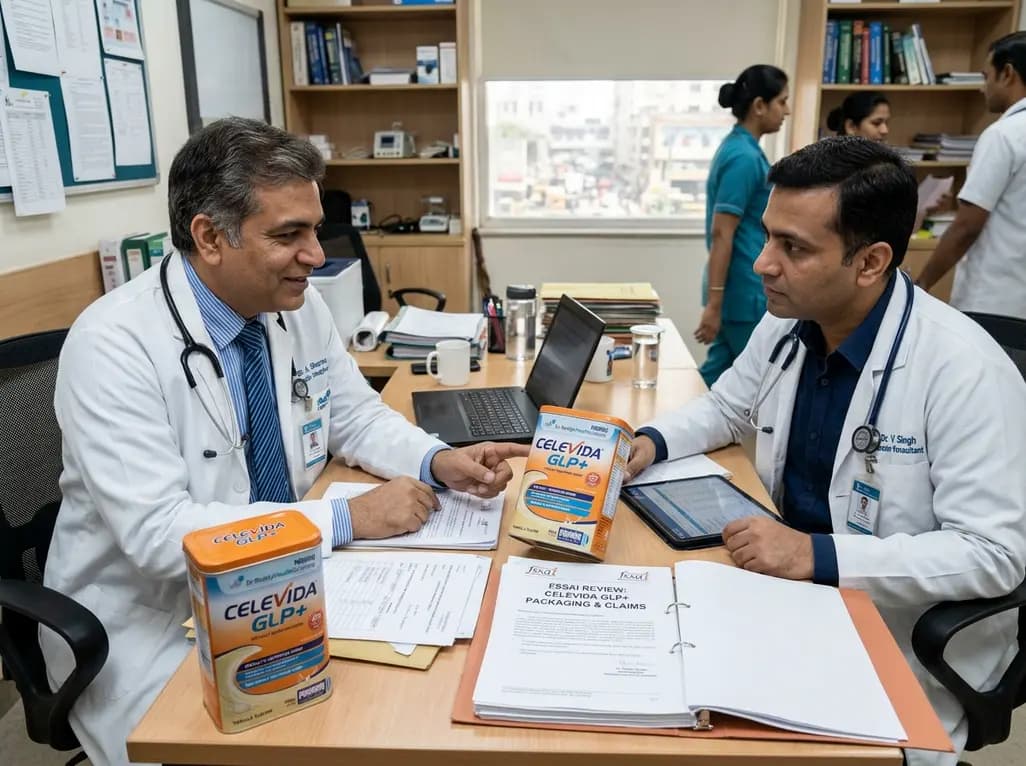
Following regulatory scrutiny from FSSAI regarding promotional representations and lean muscle preservation claims, Dr. Reddy's Laboratories and Nestlé Health Science are currently reviewing the branding and marketing strategy for their joint nutritional supplement Celevida GLP+.
Today
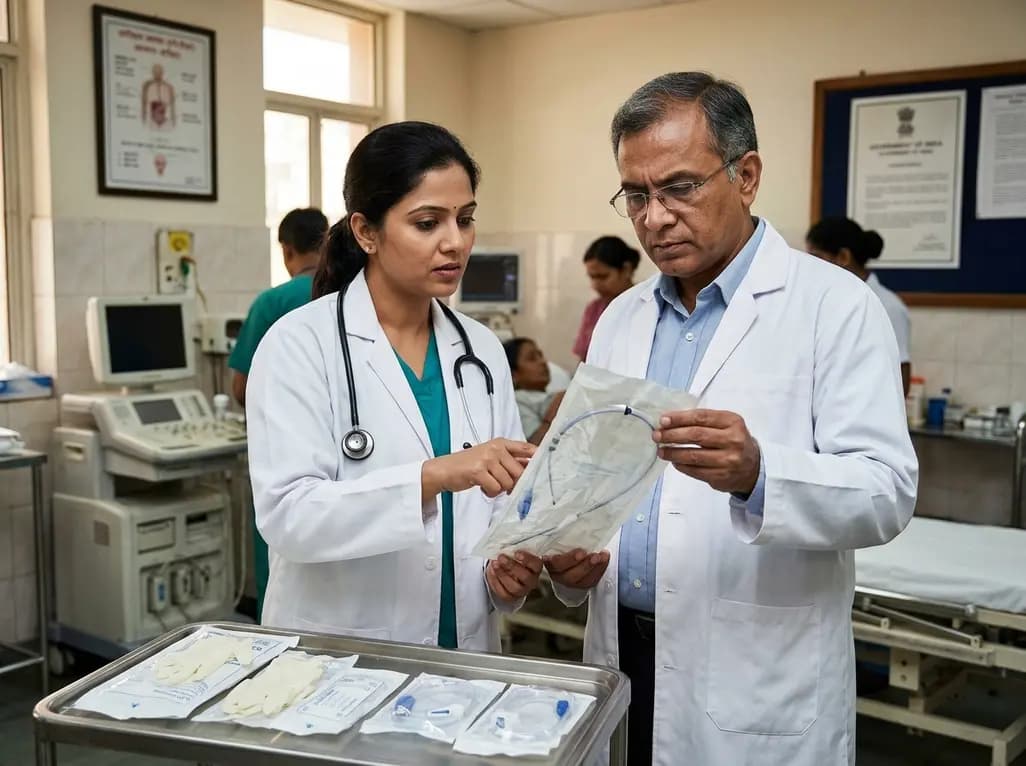
The Directorate General of Health Services directs Indian states to halt the hazardous reuse and reprocessing of single-use medical devices. Discover regulatory implications under the Drugs and Cosmetics Act, critical infection risks, legal liabilities, and operational changes required across clinical specialties.
Today
A novel calcium polyphosphate coacervate enables injectable bone implants with in situ hierarchical porosity via phase separation and gas foaming, significantly enhancing cell proliferation, energy metabolism, and osteogenic differentiation for minimally invasive bone defect repair.
Today
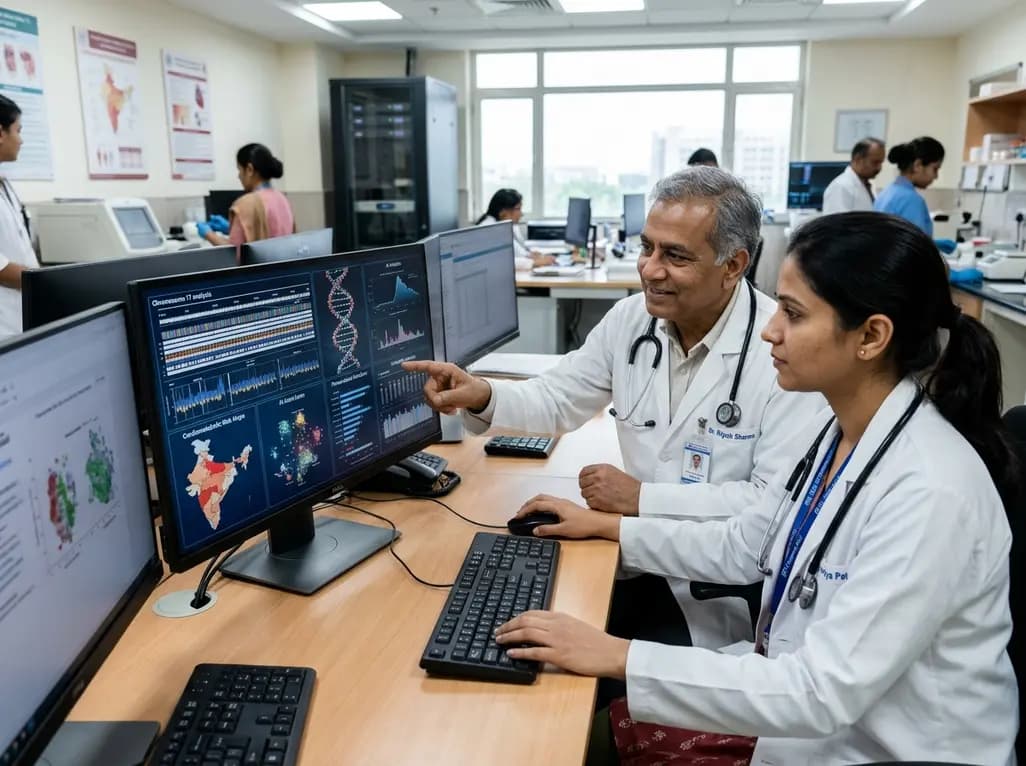
India is advancing preventive healthcare by integrating genomics, artificial intelligence, and quantum technologies. With the SANGAM programme sequencing one million Indian genomes, clinicians can unlock personalized therapies, detect cardiometabolic risks early, and curb the burden of diabetes and heart disease.
Today
