.webp&w=384&q=75)

Loading, please wait...
Loading, please wait...

Women who begin sexual activity at a later age, such as 18 or older, often have higher levels of education and maturity. This maturity typically correlates with a stronger intention to use contraceptives to prevent unintended pregnancies and manage reproductive health.
Regional differences often reflect varying cultural, religious, and socioeconomic landscapes. In regions with better access to healthcare and higher educational attainment, women often demonstrate more positive attitudes toward family planning and modern contraceptive methods.
Education, wealth, and urban residence are among the strongest predictors. However, individual factors like marital status and age at first sexual debut also play pivotal roles in shaping how young women plan their future reproductive lives.
Disclaimer: This content is for informational and educational purposes only. It does not constitute medical advice or a professional opinion. Readers should consult with a qualified healthcare professional for any health-related concerns. Refer to the latest local and national guidelines for clinical practice.
References
Sani J et al. Sociodemographic determinants of contraceptive intention among young adult women (15-24) in Nigeria: the role of age at first sex and region of residence. Contracept Reprod Med. 2026 May 09. doi: 10.1186/s40834-026-00458-8. PMID: 42106883.
Shullai WK et al. Implications of socio-economic factors on contraceptive choices among women in North East India: a perspective. Int J Reprod Contracept Obstet Gynecol. 2023;12(6):1797-1801.
Nsubuga R et al. Patterns and correlates of intention to use contraceptives among fecund sexually active women in developing countries. Taylor & Francis. 2023. doi: 10.1080/00344893.2023.2251322.

Read summarized clinical updates, watch expert medical content, and earn CME certifications right from your smartphone.
Open your smartphone camera to scan and install.





A study of 14,210 Nigerian women identifies age at first sex and region as key drivers of contraceptive intention, offering insights for reproductive health...
5 months ago

Following regulatory scrutiny from FSSAI regarding promotional representations and lean muscle preservation claims, Dr. Reddy's Laboratories and Nestlé Health Science are currently reviewing the branding and marketing strategy for their joint nutritional supplement Celevida GLP+.
Today
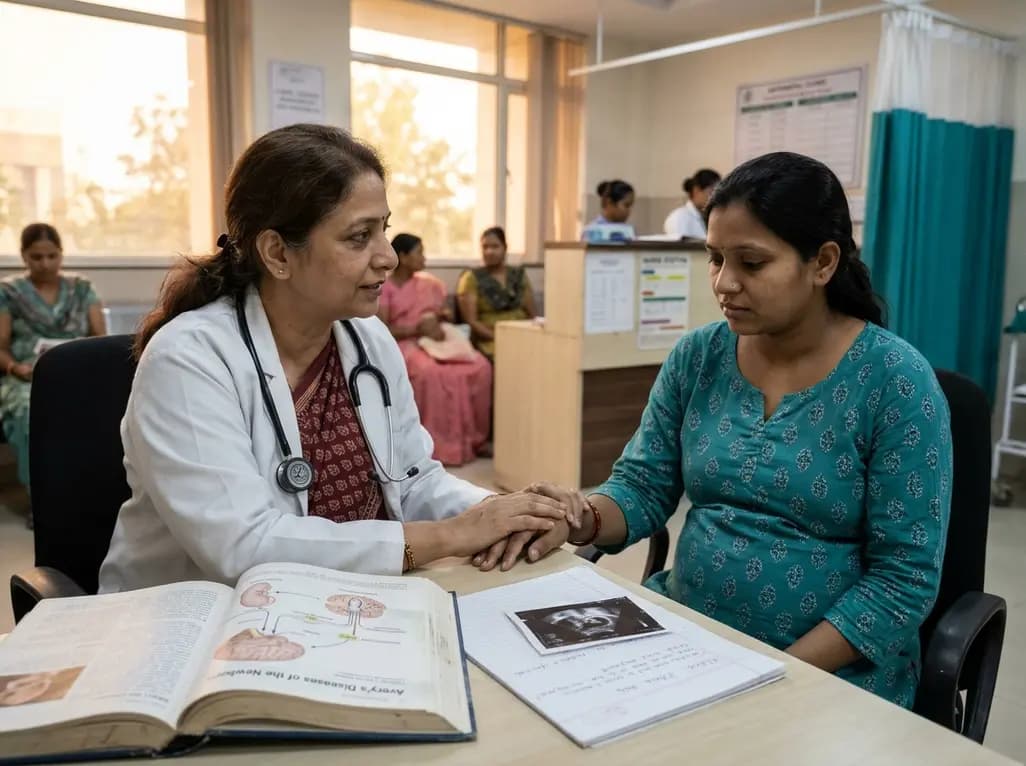
A comprehensive scoping review synthesises evidence linking prenatal maternal mental health to long-term offspring neurodevelopment, evaluating neuroendocrine, inflammatory, and epigenetic pathways while highlighting clinical screening and future research priorities.
Today

The Directorate General of Health Services directs Indian states to halt the hazardous reuse and reprocessing of single-use medical devices. Discover regulatory implications under the Drugs and Cosmetics Act, critical infection risks, legal liabilities, and operational changes required across clinical specialties.
Today

A 25-year multi-institutional cohort reveals high recurrence rates in pediatric giant cell tumor of bone, particularly in patients with open physes and bone marrow edema on preoperative MRI. Early surveillance and careful balance between growth plate preservation and tumor clearance are essential.
Today

India is advancing preventive healthcare by integrating genomics, artificial intelligence, and quantum technologies. With the SANGAM programme sequencing one million Indian genomes, clinicians can unlock personalized therapies, detect cardiometabolic risks early, and curb the burden of diabetes and heart disease.
Today
