

Loading, please wait...
Loading, please wait...
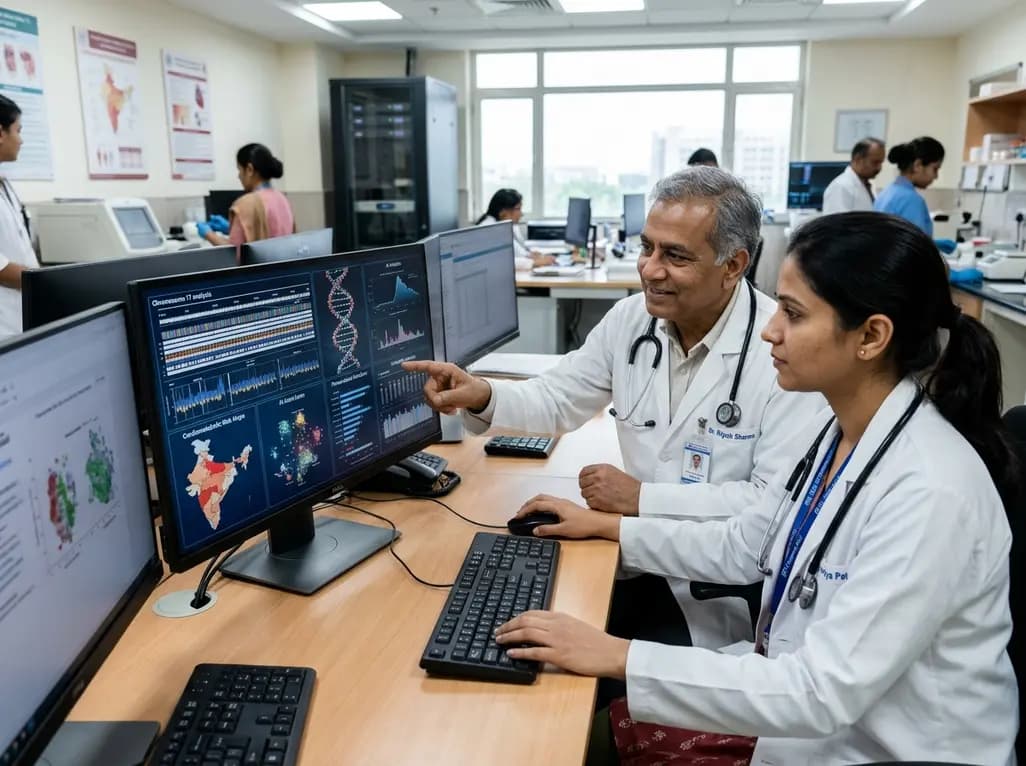
Healthcare paradigms across the globe are shifting decisively from episodic illness management to preemptive wellness. Recently, Union Minister Jitendra Singh emphasized the vital role of advanced computational tools during the 42nd convocation at the Sri Ramachandra Institute of Higher Education and Research in Chennai. Specifically, he urged healthcare leaders to harness artificial intelligence, quantum systems, and genomics in disease prevention. This technological transition arrives at a crucial juncture for the country. Chronic lifestyle conditions are proliferating rapidly among younger demographics across diverse socioeconomic strata. Consequently, healthcare practitioners must comprehend how large-scale multi-omics and data grids will alter clinical workflows, diagnostics, and patient counseling.
Historically, Indian clinical practice has relied on standardized risk scores derived primarily from Western cohorts. However, these epidemiological matrices frequently underestimate cardiovascular and metabolic disease vulnerability in South Asian individuals. Emerging methodologies demonstrate that genomics in disease prevention can bridge these diagnostic disparities. By analyzing single nucleotide polymorphisms and unique polygenic risk scores, physicians can identify susceptible individuals years before clinical symptoms manifest.
Furthermore, precision medicine allows clinicians to move beyond generalized therapeutic guidelines. For instance, specific pharmacogenomic variants influence drug metabolism pathways, altering drug safety and efficacy. When clinicians understand an individual patient's unique genetic profile, they can select optimal antihypertensive, statin, or antiplatelet agents with minimal adverse drug reactions. In addition, preventive genomic sequencing illuminates hereditary patterns of familial hypercholesterolemia and monogenic diabetes. Thus, integrating molecular diagnostics into primary care protocols enhances diagnostic precision. Practitioners can ultimately formulate targeted interventions that significantly reduce long-term cardiovascular morbidity.
A central pillar of this scientific leap is the Sequencing Atlas for National Genomics and Medicine, widely recognized as the SANGAM initiative. Operating under the National Genomics Data Grid, SANGAM aims to sequence the complete genomes of approximately one million genetically diverse Indian citizens. India encompasses thousands of distinct endogamous population groups, each possessing idiosyncratic genetic architectures. Therefore, cataloging this genetic diversity is critical to generating an accurate, indigenous human reference genome.
Moreover, the SANGAM framework intentionally integrates comprehensive genomic datasets directly with longitudinal clinical phenotypes. This correlation enables translational researchers to isolate population-specific pathological markers and unique driver mutations. Consequently, clinicians gain access to actionable bioinformatic repositories tailored specifically to Indian demographics. In contrast to historical research models that sequestered biomedical data, modern centralized repositories ensure open yet secure data exchange. Medical institutions can utilize this shared national infrastructure to validate novel risk biomarkers. Ultimately, this national cohort study lays the foundation for personalized diagnostic panels and affordable molecular interventions nationwide.
Although genomic sequencing produces vast quantities of high-dimensional data, extracting actionable clinical meaning requires robust analytical capabilities. Consequently, artificial intelligence algorithms are becoming essential companions for modern clinicians. Machine learning architectures can process complex multi-omics matrices, medical imaging archives, and electronic medical records simultaneously. Therefore, these systems assist diagnostic teams in identifying occult cardiovascular disease markers and subtle diabetic retinopathy lesions far faster than manual review.
Additionally, quantum technologies present revolutionary computational opportunities for biological modeling and biopharmaceutical discovery. Traditional computing systems struggle to simulate intricate protein folding dynamics or complex molecular interactions. Quantum computational algorithms, by contrast, process these biological simulations at unprecedented speeds. As a result, researchers can accelerate targeted drug discovery for complex metabolic disorders while reducing laboratory costs. Furthermore, quantum-enhanced sensors offer unprecedented precision in biological imaging and early cellular pathology detection. When medical centers combine quantum infrastructure with predictive artificial intelligence, diagnostic turnaround times shorten dramatically. These innovations provide clinicians with highly accurate, predictive roadmaps for daily decision-making.
The urgency surrounding preventive technology stems directly from India's alarming epidemiological transition. Young adults are presenting with premature coronary artery disease and accelerated type 2 diabetes in record numbers. Traditional risk factors, such as dietary changes and physical inactivity, explain only part of this escalating epidemic. In fact, South Asian phenotypes frequently exhibit normal body mass indexes alongside pronounced visceral adiposity, hyperinsulinemia, and elevated lipoprotein(a) levels.
Because these metabolic characteristics remain hidden during routine physical check-ups, emerging predictive technologies become indispensable. Early molecular screening identifies high-risk individuals well before pancreatic beta-cell dysfunction or vascular endothelial damage occurs. Consequently, clinicians can initiate aggressive preventive lifestyle modifications, continuous glucose monitoring, and targeted insulin-sensitizing pharmacotherapies at an early stage. Moreover, wearable sensor platforms and predictive algorithms allow practitioners to observe patient glycemic variability in real time. By identifying microvascular and macrovascular vulnerabilities early, medical teams can prevent devastating outcomes such as sudden cardiac arrest and end-stage renal disease.
Implementing high-tech healthcare solutions across a vast population requires cohesive translational ecosystems. Academic medical colleges are establishing active incubation hubs to transform benchside molecular discoveries into bedside clinical therapies. For example, Sri Ramachandra Institute of Higher Education and Research currently incubates dozens of healthcare startups with public research funding. Government agencies, including the Biotechnology Industry Research Assistance Council, offer critical grant assistance to these clinical innovators.
Furthermore, cross-disciplinary collaboration between biomedical researchers, software engineers, and practicing clinicians accelerates the clinical validation of indigenous medical devices. Domestic developers are actively producing point-of-care genomic sequencing chips, affordable tele-monitoring tools, and targeted biomanufacturing solutions. Accordingly, India is shifting from consuming imported healthcare equipment to creating cost-effective, patentable innovations. As academic hospitals continue fostering robust industry partnerships, medical postgraduates gain essential hands-on training in computational biology. This multidisciplinary synergy ensures that emerging medical discoveries transition seamlessly from academic laboratories directly into everyday primary clinics.
Q1: What is the main clinical objective of the SANGAM programme?
The Sequencing Atlas for National Genomics and Medicine seeks to sequence approximately one million genetically diverse Indian individuals. By correlating these comprehensive genomic sequences with longitudinal clinical outcomes, the project builds a robust national data repository. Consequently, this initiative empowers clinicians to understand distinct disease mechanisms across indigenous communities and design customized therapeutic regimens.
Q2: How does genomic profiling help prevent coronary artery disease?
Genomic profiling identifies inherited genetic variants, such as elevated lipoprotein(a) alleles or monogenic dyslipidemias, before clinical symptoms appear. Therefore, physicians can calculate comprehensive polygenic risk scores and intervene years before plaque accumulates. This proactive strategy allows timely initiation of statins, targeted lifestyle modifications, and customized monitoring protocols that successfully avert premature myocardial infarction.
Q3: How do quantum technologies assist clinical medicine?
Quantum technologies solve complex computational challenges that exceed the capabilities of conventional computers. In medical research, quantum algorithms rapidly simulate multi-molecular interactions, speeding up targeted drug discovery for metabolic disorders. Additionally, quantum-enhanced biophotonic sensors detect minute structural cellular abnormalities, facilitating extremely early diagnosis of oncological and cardiovascular pathologies.
Disclaimer: This content is for informational and educational purposes only. It does not constitute medical advice or replace professional judgment. Refer to the latest local and national guidelines for clinical practice.
References

Read summarized clinical updates, watch expert medical content, and earn CME certifications right from your smartphone.
Open your smartphone camera to scan and install.





India is advancing preventive healthcare by integrating genomics, artificial intelligence, and quantum technologies. With the SANGAM programme sequencing one million Indian genomes, clinicians can unlock personalized therapies, detect cardiometabolic risks early, and curb the burden of diabetes and heart disease.
Today
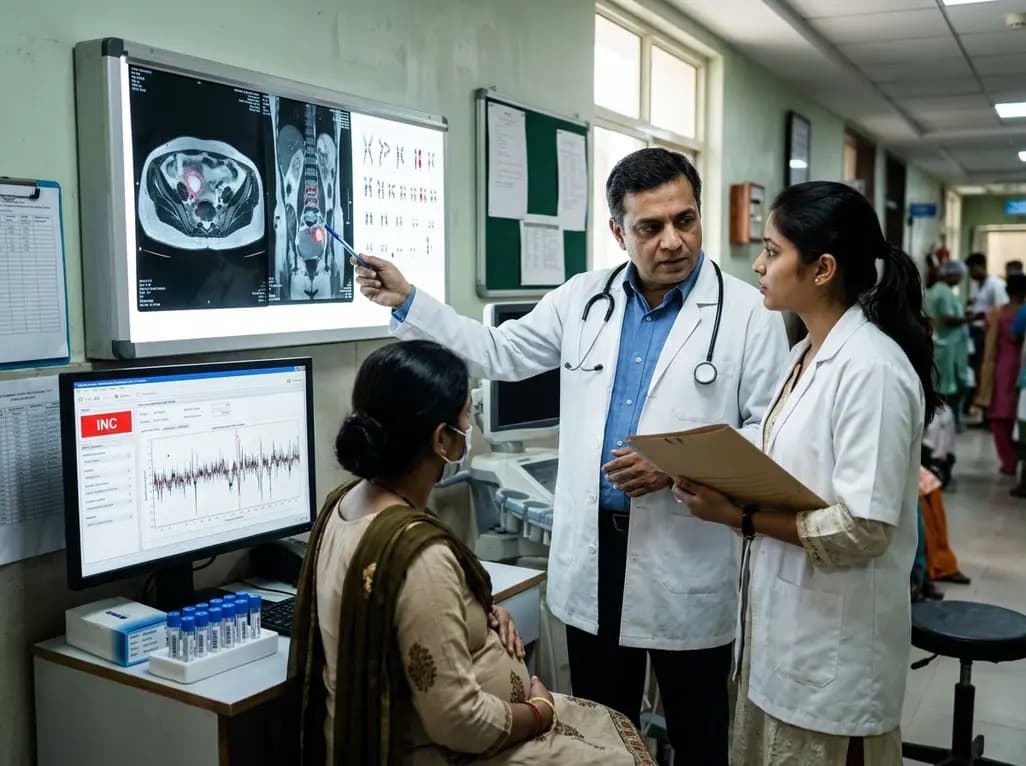
Occult maternal malignancy accounts for 3.82% of persistent unreportable NIPT results with genomic noise. Multiple chromosomal aberrations, notably on chromosome 18, warrant thorough oncological evaluation and whole-body MRI to ensure timely maternal diagnosis while preserving fetal care.
Today

This article reviews the forensic and clinical complexities of acute myocarditis arising on left ventricular hypertrophy in children, highlighting early diagnostic red flags and multidisciplinary postmortem autopsy protocols.
Today
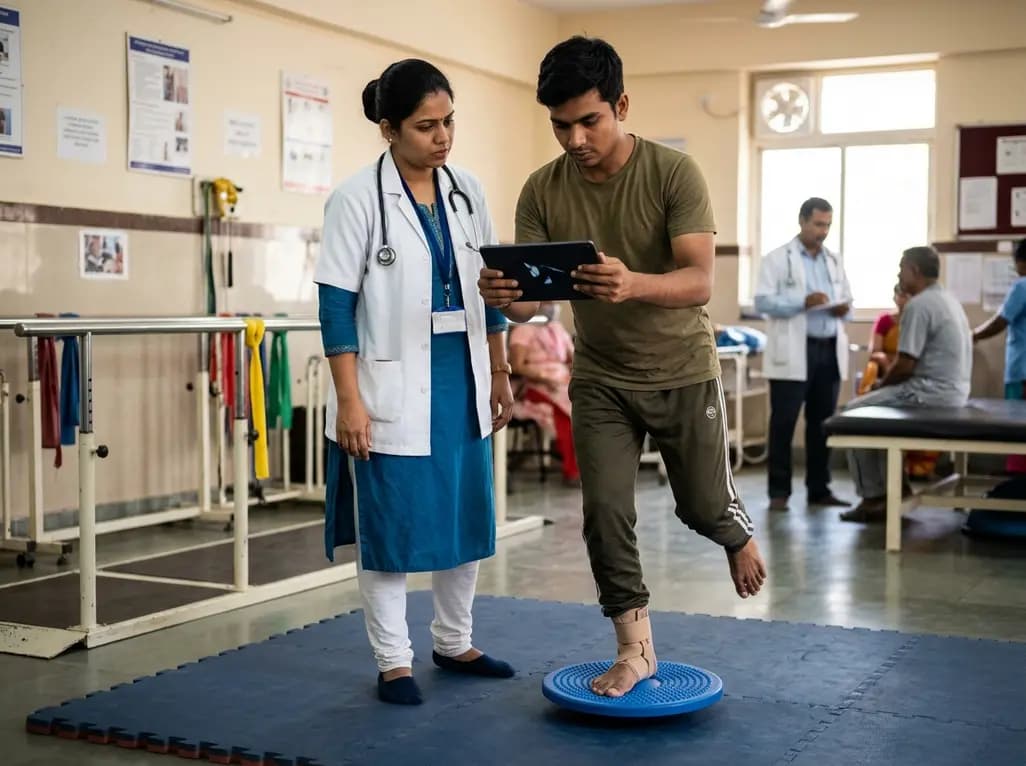
A randomized controlled trial demonstrates that an eight-week dual-task training intervention significantly improves static and dynamic postural control over standard balance exercises in individuals with chronic ankle instability, addressing critical neurocognitive deficits during athletic and daily activities.
Today
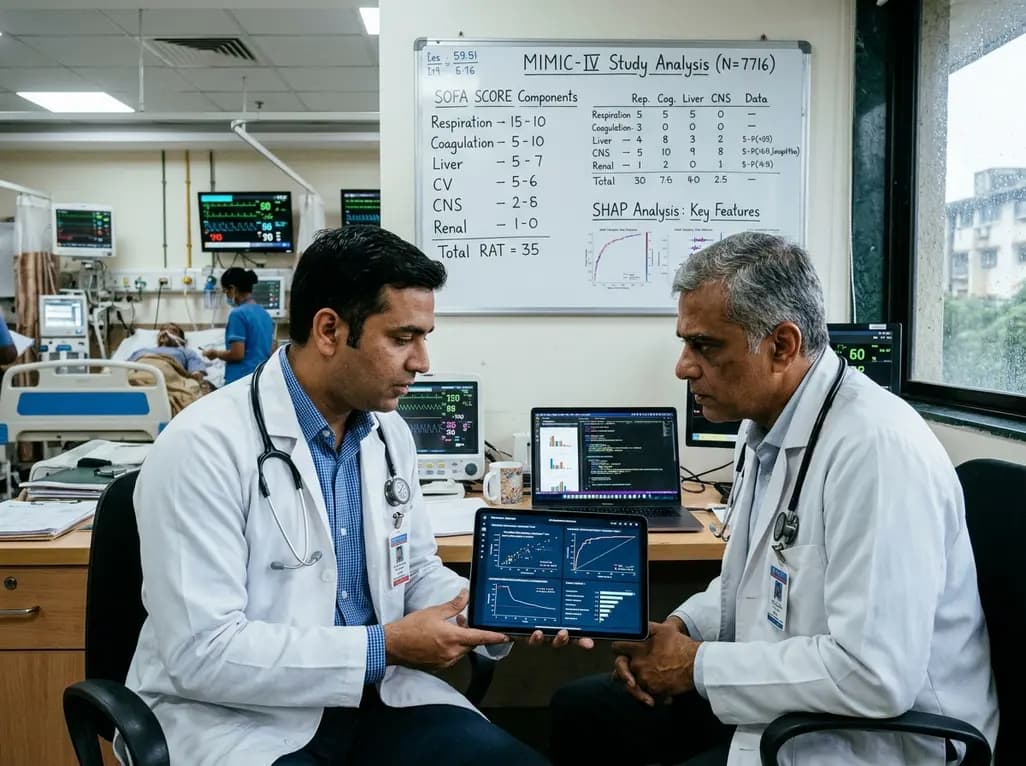
A retrospective cohort study of 7,716 ICU patients from the MIMIC-IV database demonstrates that Gradient Boosting Decision Trees significantly outperform traditional SOFA scores in predicting in-hospital mortality among patients with sepsis and diabetes, with SHAP analysis providing clinical interpretability.
Today
