.webp&w=384&q=75)

Loading, please wait...
Loading, please wait...

Recent data indicates a significant shift in cardiac care, showing that nearly half of all patients undergoing Transcatheter Aortic Valve Implantation (TAVI) are aged 65 or younger. Understanding young TAVI patient outcomes is crucial for modern clinical practice, especially since these patients often present with complex risk profiles despite their relatively young age.
A recent study using the Premier Healthcare Database evaluated over 6,900 patients within this younger demographic. While traditional assumptions labeled these patients as high-risk with limited life expectancy, the study utilized a fitted surgical risk model to simulate Society of Thoracic Surgeons (STS) scores. Consequently, the researchers found an average predicted mortality risk of 4.3% among this cohort.
The research cohort demonstrated that most young patients (81.3%) underwent elective procedures. Furthermore, bicuspid anatomy was present in 9.1% of the cases. Because clinicians are increasingly choosing TAVI for younger populations, evaluating long-term durability and cost-effectiveness remains a top priority. This data suggests that risk models must adapt to the unique frailty and anatomical factors of younger individuals. In addition, the findings highlight that many of these patients are not necessarily the \"salvage\" cases they were once thought to be.
In conclusion, the shifting landscape of aortic valve replacement requires a nuanced approach. Physicians must balance the immediate procedural benefits of TAVI against the long-term needs of a younger patient population. Therefore, personalized risk stratification is essential for optimizing care paths and ensuring longevity. As the technology evolves, these insights will help refine patient selection criteria across India and globally.
According to recent database analysis, the average predicted risk of mortality for patients aged 65 and under is approximately 4.3%. While many are elective, a significant portion still presents with substantial comorbidities.
In the studied cohort of patients 65 and younger, bicuspid valve anatomy was identified in approximately 9.1% of the population, which presents unique challenges for transcatheter device seating.
Disclaimer: This content is for informational and educational purposes only. It does not constitute professional medical advice, diagnosis, or treatment. Always seek the advice of your physician or other qualified healthcare provider with any questions you may have regarding a medical condition. Refer to the latest local and national guidelines for clinical practice.
References
Mehaffey JH et al. Young transcatheter aortic valve implantation: Shifting risk and outcomes. Eur J Cardiothorac Surg. 2026 Feb 18. doi: undefined. PMID: 41707227.

Read summarized clinical updates, watch expert medical content, and earn CME certifications right from your smartphone.
Open your smartphone camera to scan and install.





A study of 6,921 patients under 65 undergoing TAVI reveals shifting risk profiles and clinical outcomes, with an average predicted mortality risk of 4.3%....
8 months ago

A landmark 12-year longitudinal study highlights significant reductions in opioid prescribing for nonspecific low back pain following clinical guidelines and prescription monitoring systems, emphasizing non-opioid multimodal pain care.
Today
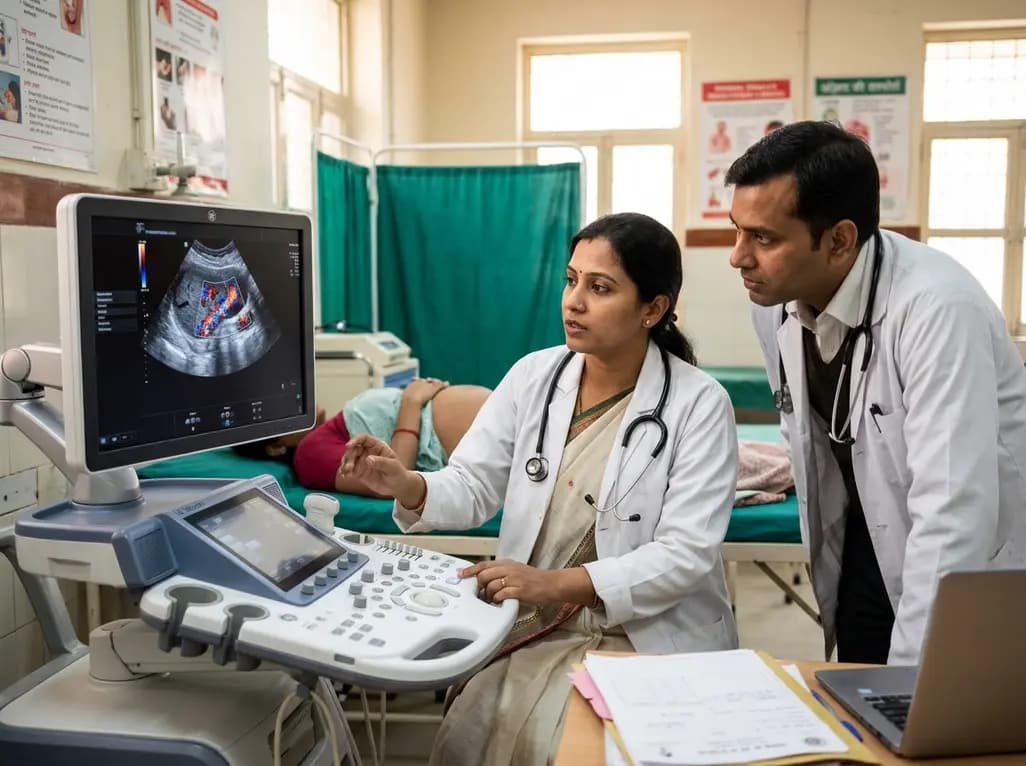
A study in Ultrasound in Obstetrics & Gynecology shows that quantitative vascularization of the anterior fornix/cervix with transvaginal ultrasound reliably identifies placenta accreta spectrum and predicts severe intraoperative hemorrhage, offering vital objective risk stratification.
Today
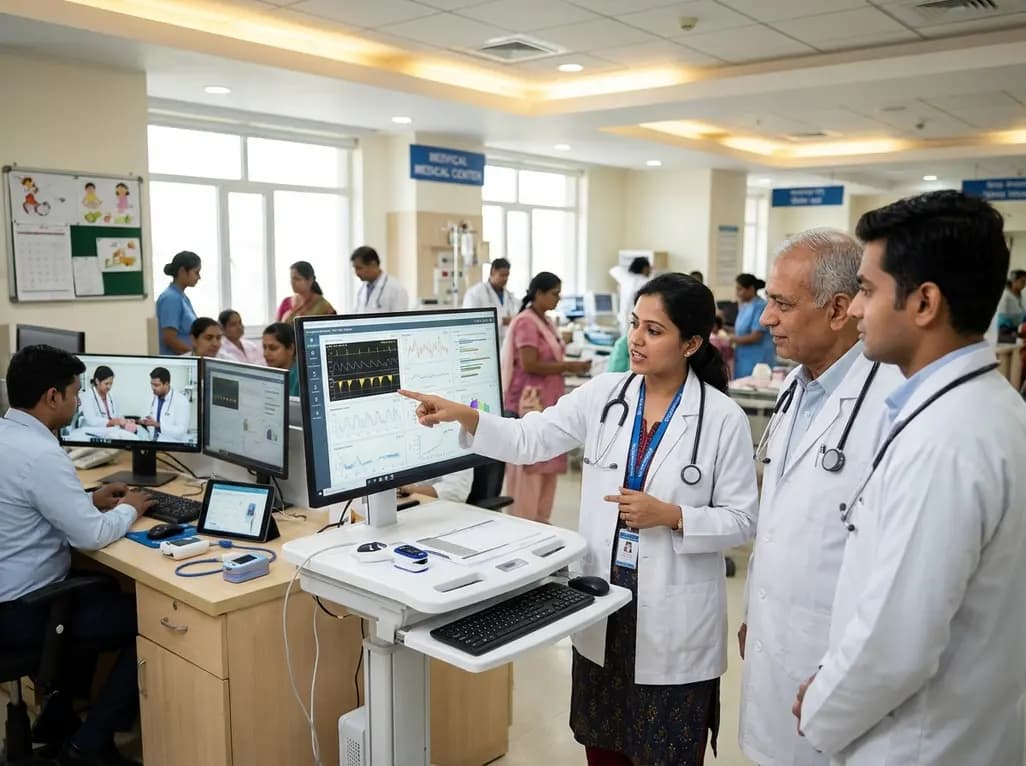
A landmark study details how an enterprise pediatric remote patient management model expanded from a single cardiology pilot to 16 diverse specialty programs by combining centralized digital operations with specialty clinical leadership.
Yesterday
A breakthrough study shows that 3D-planned corrective osteotomy successfully resolves distal radioulnar joint instability in pediatric diaphyseal forearm malunions. The precise osseous realignment eliminates chronic wrist pain and restores joint function without requiring secondary soft-tissue reconstruction.
Today

Protein O-GlcNAcylation couples cellular nutrient status to vital neuronal functions. This review explores how disrupted O-GlcNAc cycling drives both neurodevelopmental delays and neurodegenerative cascades, positioning metabolic post-translational modifications as therapeutic targets in clinical neurology.
Today
