.webp&w=384&q=75)

Loading, please wait...
Loading, please wait...

Advanced wound healing stimulation represents a significant breakthrough in regenerative medicine, specifically for managing post-acute skin recovery. This innovative approach utilizes electrical and mechanical cues to guide the behavior of fibroblasts and keratinocytes. Consequently, these stimuli modulate cellular proliferation and migration, which are essential for effective tissue repair. Recent data-driven reviews have now compiled hundreds of experimental points to clarify how specific parameters influence these biological processes.
Researchers have analyzed over 390 data points for electrical stimulation and 170 for mechanical strain. These parameters include voltage, current, frequency, and mechanical strain levels. Therefore, clinicians can now identify the most effective stimulation windows for skin tissue regeneration. For instance, specific electrical currents can trigger galvanotaxis, which directs cell migration toward the injury site. Furthermore, mechanical strain influences cellular mechanobiology, ensuring that the new skin maintains its structural integrity.
Moreover, the translation of these in vitro findings into clinical practice holds immense promise for Indian healthcare providers. Because current treatments often fragment these parameters, a multi-parameter optimization strategy is necessary. Specifically, combining electrical and mechanical cues might yield better results than using a single modality. This comprehensive approach could revolutionize the management of chronic wounds and complex surgical incisions alike.
Fibroblasts typically increase their proliferation and collagen synthesis when exposed to specific electrical currents. This biological process helps build the extracellular matrix required for robust skin repair.
Keratinocytes respond to mechanical strain by activating signaling pathways that promote re-epithelialization. Consequently, this helps restore the skin barrier more quickly and effectively.
Disclaimer: This content is for informational and educational purposes only. It does not constitute medical advice or professional services. Always seek the advice of your physician or other qualified health provider with any questions you may have regarding a medical condition. Refer to the latest local and national guidelines for clinical practice.
References

Read summarized clinical updates, watch expert medical content, and earn CME certifications right from your smartphone.
Open your smartphone camera to scan and install.





A review of 560+ data points on how electrical and mechanical stimulation modulate fibroblasts and keratinocytes to enhance post-acute skin wound healing....
5 months ago
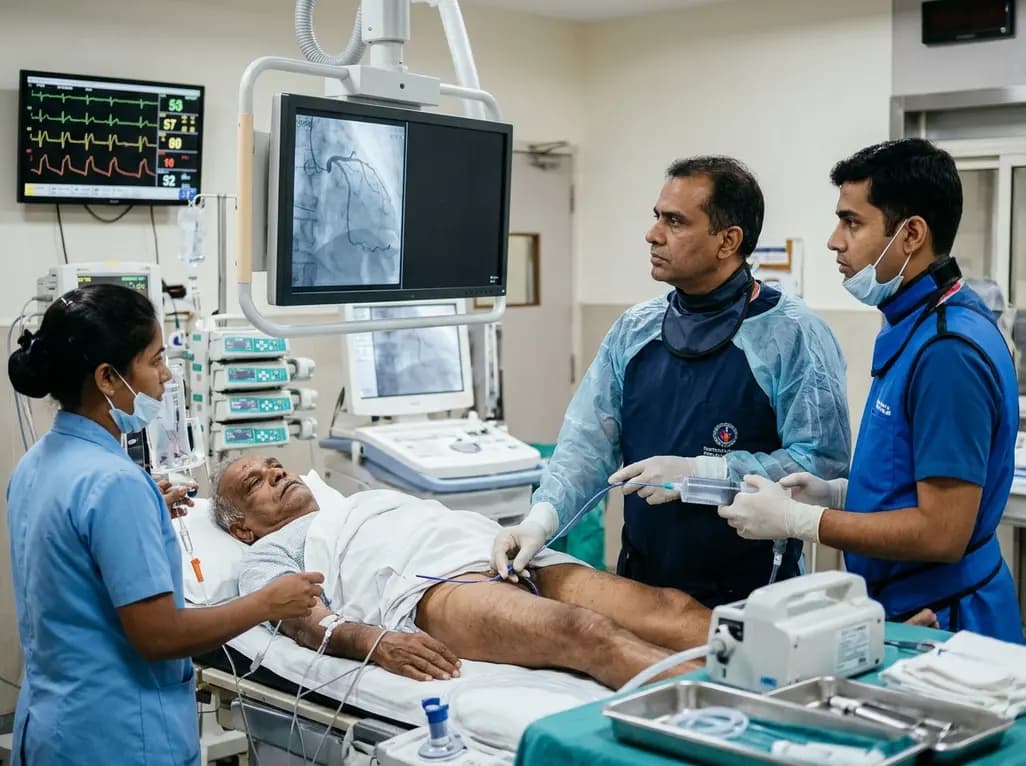
An elderly man with partially repaired Tetralogy of Fallot presented with STEMI caused by coronary embolism rather than atherosclerosis. Successful treatment with sustained mechanical aspiration thrombectomy underscores the vital need for high clinical vigilance in adult congenital heart disease.
Today
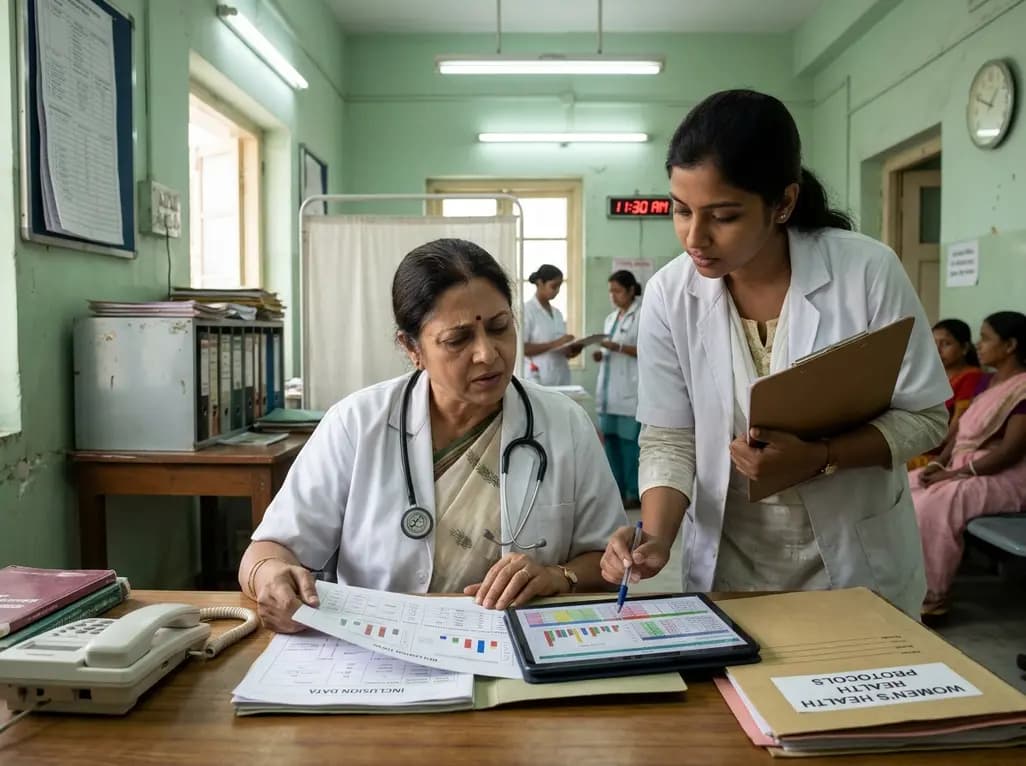
Demanding exhaustive hormonal profiling can inadvertently discourage clinical studies involving females. Methodological standards must align with the specific scientific question to expand, not restrict, equitable evidence for women.
Today
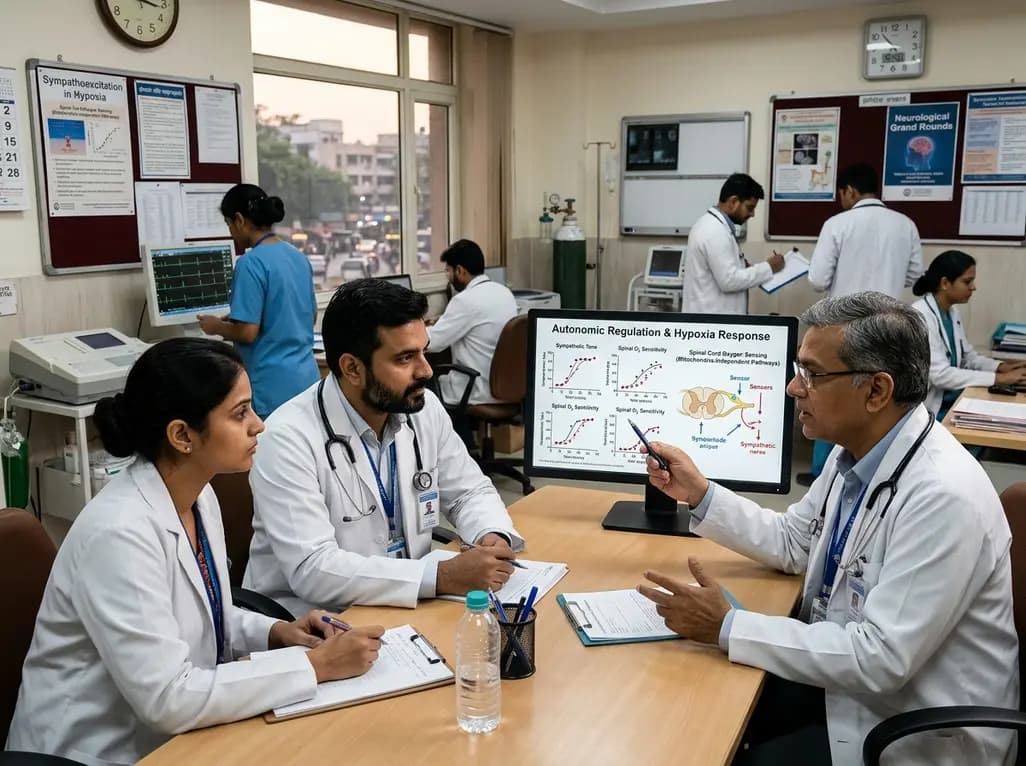
A recent study demonstrates that spinal oxygen sensors do not require mitochondrial electron transport to trigger sympathetic excitation during acute hypoxia, revealing new insights into how mitochondrial oxidative stress modulates autonomic tone in cardiovascular and neurological diseases.
Today

A comparative review of tension band wiring and intramedullary screw fixation in thumb metacarpophalangeal arthrodesis, evaluating union rates, hardware complications, and clinical outcomes.
Today
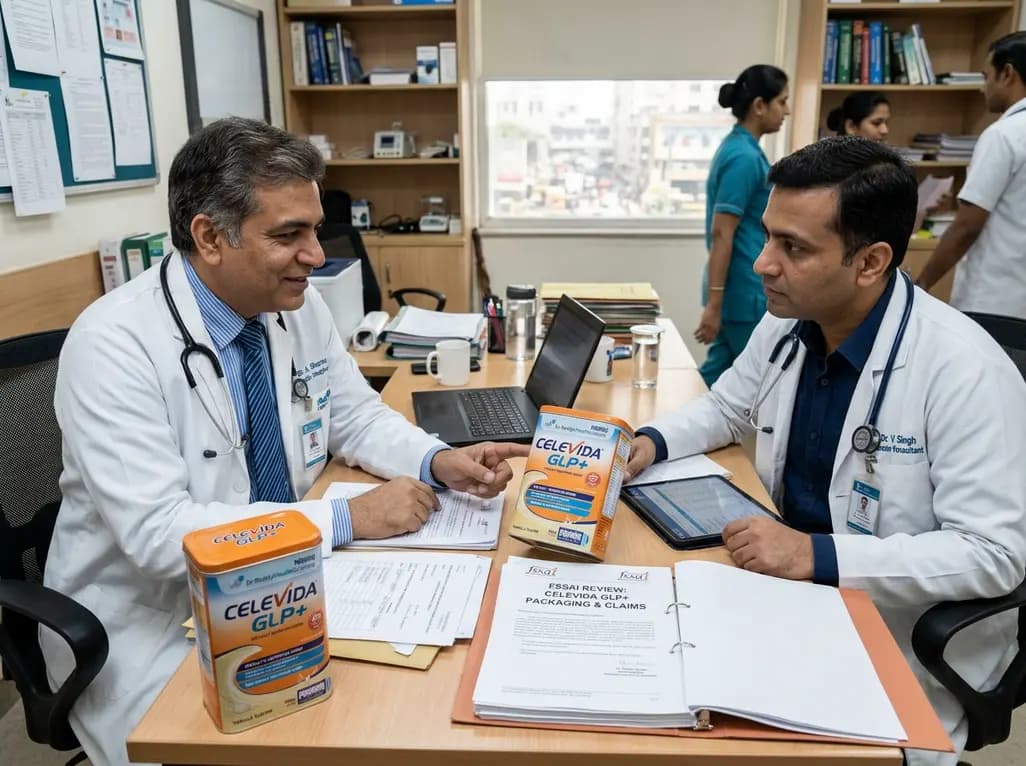
Following regulatory scrutiny from FSSAI regarding promotional representations and lean muscle preservation claims, Dr. Reddy's Laboratories and Nestlé Health Science are currently reviewing the branding and marketing strategy for their joint nutritional supplement Celevida GLP+.
Today
