.webp&w=384&q=75)

Loading, please wait...
Loading, please wait...

Workplace violence in healthcare is an escalating global crisis that threatens the stability of medical institutions. Recent research highlights how non-physical forms of aggression, including perceived sexual harassment (PSH) and perceived gender discrimination (PGD), serve as major catalysts for psychological distress. These factors significantly impact an employee's well-being and their likelihood of staying in their current role. Consequently, understanding these predictors is essential for hospital administrators and clinical leads to foster a safer environment.
A recent cross-sectional study reveals a concerning prevalence of non-physical violence across both public and private sectors. Specifically, the data indicates that perceived gender discrimination often co-occurs with sexual harassment. The multivariable analysis shows that PGD is associated with higher PSH rates. Furthermore, the findings suggest that the psychological burden of discrimination creates a cycle of stress that fuels the intention to leave the profession. Therefore, addressing these non-physical forms of violence is as critical as managing physical threats.
In the Indian context, workplace violence in healthcare remains a significant challenge. Studies suggest that nearly 75% of doctors in India have experienced some form of violence during their careers. Furthermore, the high rates of sexual harassment among female healthcare workers necessitate a robust implementation of the POSH (Prevention of Sexual Harassment) Act. Therefore, organizations must move beyond reactive measures and focus on creating psychologically informed environments. Specifically, implementing clear reporting mechanisms and fostering a culture of zero tolerance can help mitigate these risks. Moreover, addressing gender-based discrimination is vital for improving workforce retention and mental health outcomes across multispecialty settings.
Non-physical workplace violence acts as a silent predictor of burnout and attrition. By recognizing the link between discrimination, harassment, and turnover, healthcare leaders can implement targeted interventions. These steps are essential for ensuring a safe, respectful, and productive environment for all healthcare providers. Consequently, these changes will likely improve organizational performance and patient care quality.
Perceived gender discrimination is a significant predictor of job stress. It often correlates with other forms of harassment and increases a worker's intention to leave their current employment, thereby destabilizing the workforce.
Psychological forms of violence, such as sexual harassment, create high-stress environments. This chronic stress reduces job satisfaction and leads to a higher rate of employees planning to resign or change careers.
Factors such as fear of retaliation, societal stigma, and a lack of awareness regarding legal frameworks like the POSH Act contribute to underreporting. Strengthening Internal Complaints Committees (ICC) is crucial for addressing these barriers and protecting staff.
Disclaimer: This content is for informational and educational purposes only. It does not constitute legal or professional medical advice. Always seek the guidance of qualified professionals regarding workplace safety and mental health. Refer to the latest local and national guidelines for clinical practice.
References
1. Albrekkan F et al. Workplace violence as a predictor of job stress and turnover intention: a cross-sectional study. BMC Psychol. 2026 May 25. doi: 10.1186/s40359-026-04836-4. PMID: 42178581.
2. Kumar M, et al. Workplace violence among healthcare providers in India: a mixed-method study. PMC. 2025 Oct 21. PMCID: PMC11494582.
3. Tilak et al. Emerging paradigms of sexual harassment among healthcare workers in India: A cross-sectional study. Indian J Comm Fam Med. 2025 Jan-Jun; 11(1): 55-61.

Read summarized clinical updates, watch expert medical content, and earn CME certifications right from your smartphone.
Open your smartphone camera to scan and install.





A cross-sectional study explores how non-physical workplace violence like harassment and discrimination fuels job stress and turnover intention in healthcar...
4 months ago
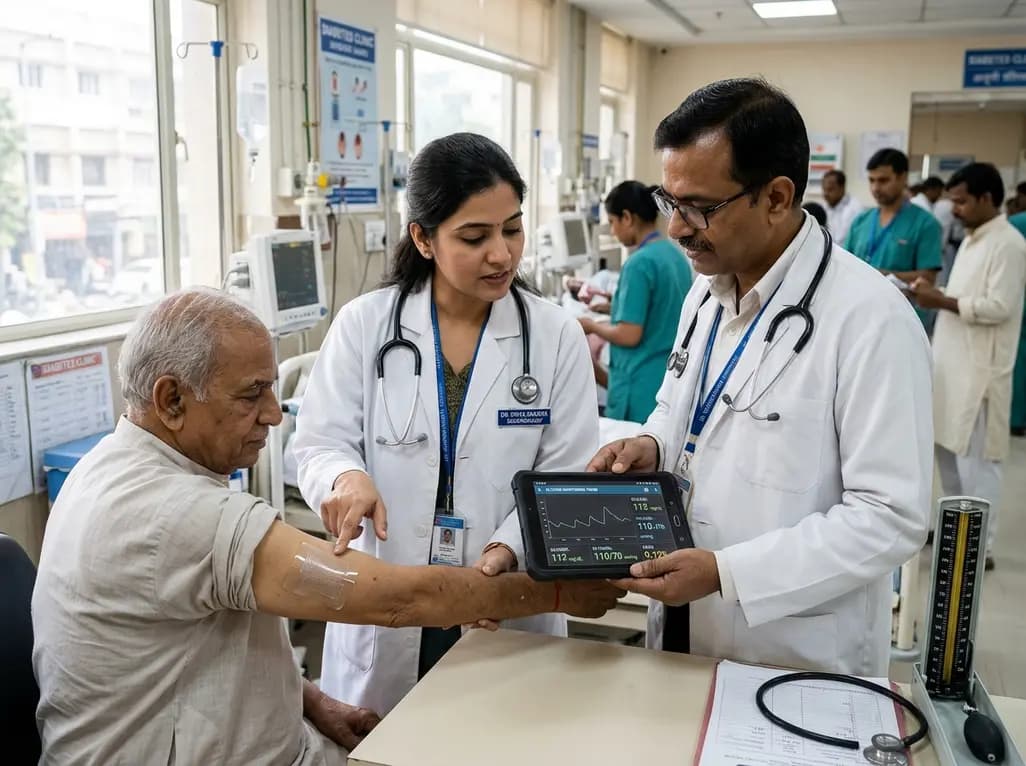
A breakthrough ultrathin multimodal sensor decouples physical hemodynamic monitoring from disposable electrochemical calibration, achieving long-term wearable glucose prediction with 81.36% accuracy and a 9.12% MARD. This offers a robust, drift-free solution for outpatient metabolic surveillance.
Today
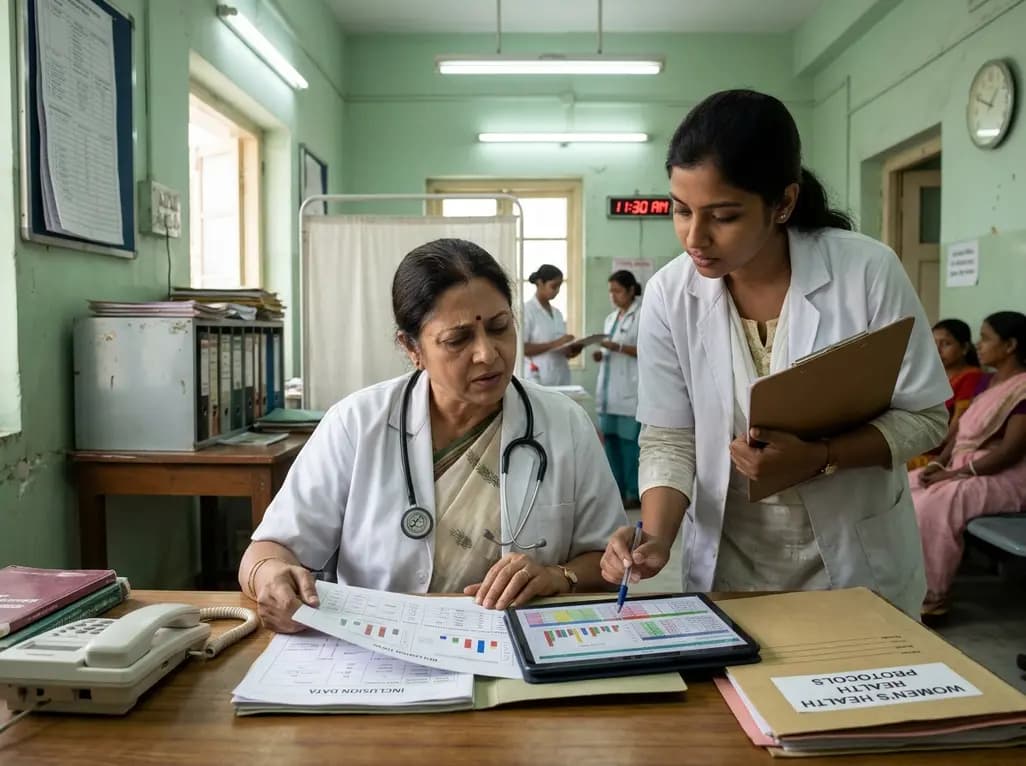
Demanding exhaustive hormonal profiling can inadvertently discourage clinical studies involving females. Methodological standards must align with the specific scientific question to expand, not restrict, equitable evidence for women.
Today
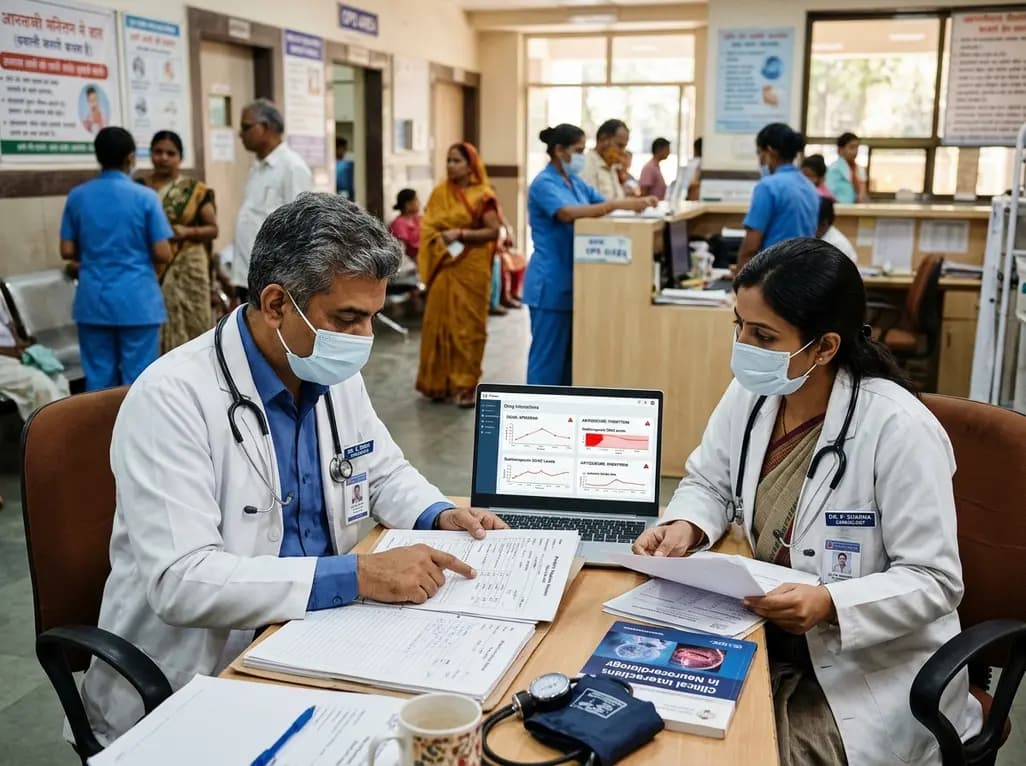
Co-administering antiseizure medications and DOACs frequently causes pharmacokinetic interactions, subtherapeutic drug levels, and thromboembolic failures. This review highlights enzyme induction risks, unpredictable outcomes with levetiracetam, and the vital role of therapeutic drug monitoring.
Today

A comparative review of tension band wiring and intramedullary screw fixation in thumb metacarpophalangeal arthrodesis, evaluating union rates, hardware complications, and clinical outcomes.
Today

Following regulatory scrutiny from FSSAI regarding promotional representations and lean muscle preservation claims, Dr. Reddy's Laboratories and Nestlé Health Science are currently reviewing the branding and marketing strategy for their joint nutritional supplement Celevida GLP+.
Today
