.webp&w=384&q=75)

Loading, please wait...
Loading, please wait...
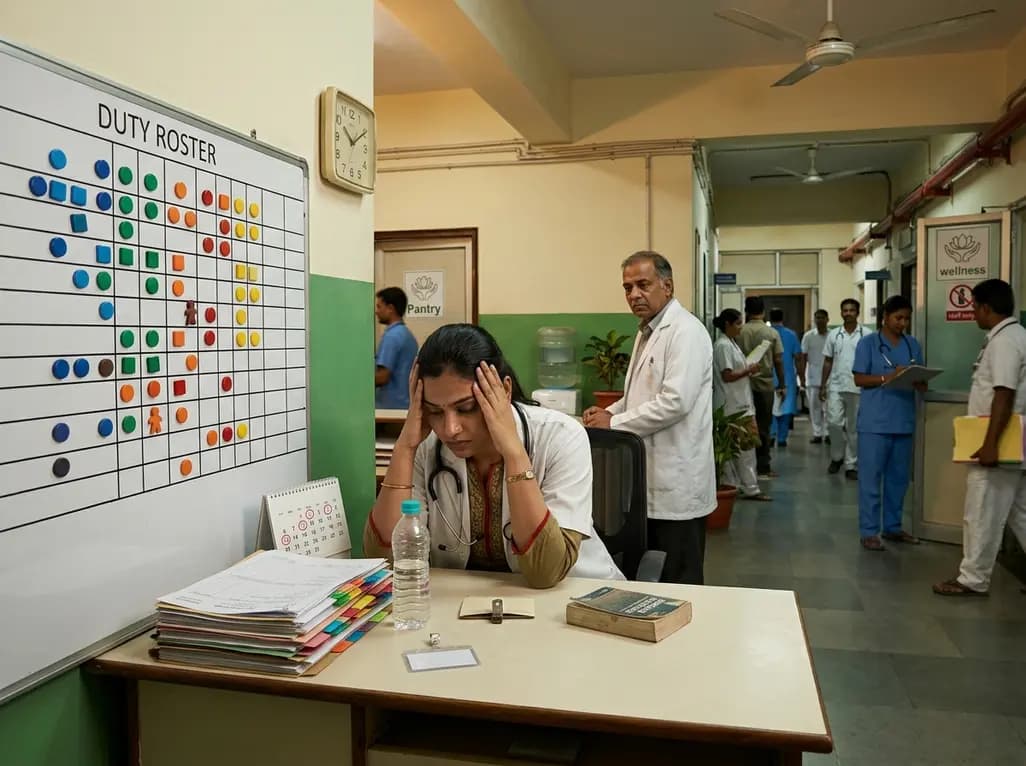
Burnout represents a significant threat to the global medical workforce. While many studies historically focus on physicians, understanding healthcare provider burnout factors among Advanced Practice Providers (APPs) is increasingly critical. APPs, including Nurse Practitioners and Physician Assistants, form the backbone of modern clinical teams. However, their unique work environments can lead to chronic emotional exhaustion and reduced professional fulfillment.
A recent multicenter study conducted by Miltz D et al. examined 305 APPs across diverse clinical settings in the United States. The research cohort primarily consisted of Advanced Practice Registered Nurses (65%) and Physician Assistants (35%). Notably, 70% of these professionals worked in high-intensity environments like inpatient wards, emergency departments, or urgent care. Furthermore, approximately 40% of the participants handled off-shifts, including nights and weekends. Consequently, the study highlighted that work setting and shift timing are pivotal variables in the development of occupational stress.
The findings indicate that those working in adult specialties and inpatient care often report higher burnout indicators compared to their outpatient counterparts. Transitioning between different specialties or facing unclear supervisory roles can also exacerbate stress. In the context of India, where the healthcare system relies heavily on nursing officers and physician associates in tertiary care centers, these results are particularly relevant. Institutional leaders must recognize that a uniform approach to wellness may fail because different specialties face distinct stressors.
Shift characteristics emerged as a major determinant of mental well-being. Providers working night or swing shifts often face disrupted circadian rhythms, which significantly contributes to fatigue. Moreover, full-time status was reported by 85% of the study participants, suggesting that heavy workloads leave little room for recovery. Therefore, healthcare organizations should consider implementing customized support systems, such as online group coaching or flexible scheduling, to mitigate these risks. Addressing these systemic issues not only improves provider health but also enhances the quality of patient care.
The primary drivers include high-intensity work settings like the emergency department, night or weekend shifts, and working in adult-focused specialties. Lack of clear role definitions and administrative burdens also contribute significantly.
Institutions can implement customized interventions such as professional coaching, peer support groups, and improved shift rotation policies. Tailoring these strategies to specific specialties ensures that the unique needs of different provider groups are met effectively.
Yes, studies in India show high burnout rates among healthcare professionals due to long working hours, workforce shortages, and high patient volumes. The burden is particularly notable among nursing staff and those in teaching hospitals.
Disclaimer: This content is for informational and educational purposes only. It does not constitute medical advice or establish a provider-patient relationship. Refer to the latest local and national guidelines for clinical practice.
References
Miltz D et al. The effect of work characteristics on advanced practice provider burnout: a secondary cross-sectional analysis. BMC Health Serv Res. 2026 Jun 04. doi: 10.1186/s12913-026-14737-2. PMID: 42243822.
Ayyanar et al. Prevalence and predictors of burnout among Indian healthcare professionals: A cross-sectional analytical study. Bioinformation. 2026; 22(3): 1622-1626.
Virginia Center for Health Innovation. APP Burnout in Primary Care 2026 – Collaborative multi-system effort. Published February 2026.
"
Read summarized clinical updates, watch expert medical content, and earn CME certifications right from your smartphone.
Open your smartphone camera to scan and install.





A cross-sectional analysis of 305 APPs explores how work settings and shifts influence burnout, advocating for customized institutional support strategies....
4 months ago
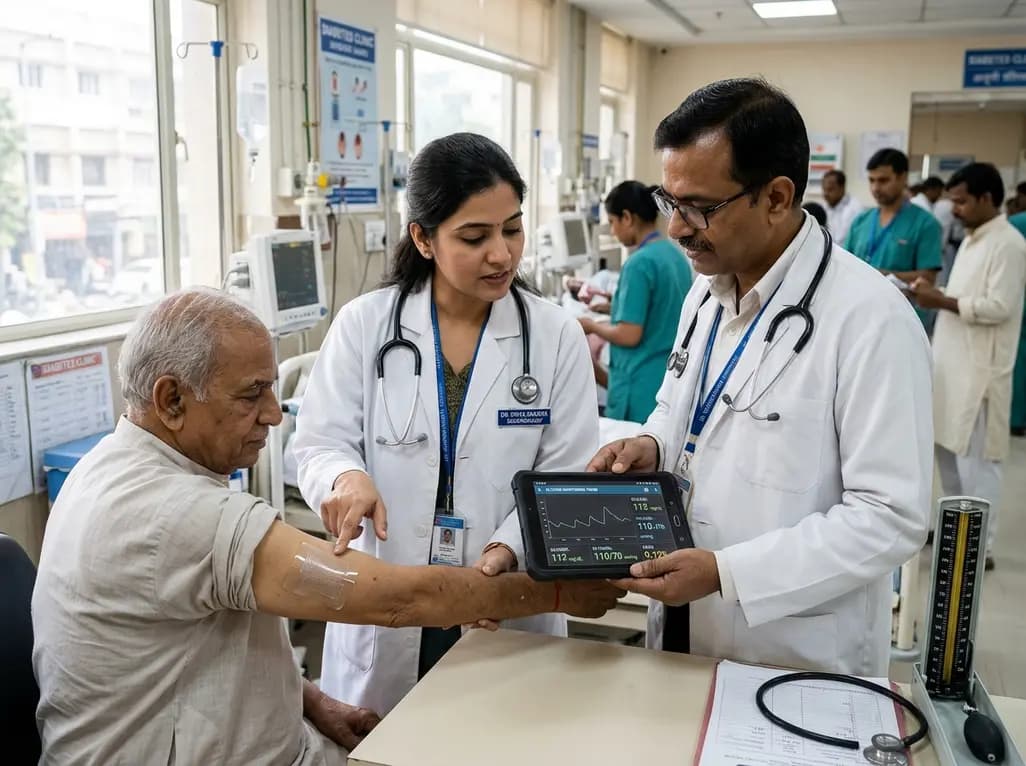
A breakthrough ultrathin multimodal sensor decouples physical hemodynamic monitoring from disposable electrochemical calibration, achieving long-term wearable glucose prediction with 81.36% accuracy and a 9.12% MARD. This offers a robust, drift-free solution for outpatient metabolic surveillance.
Today
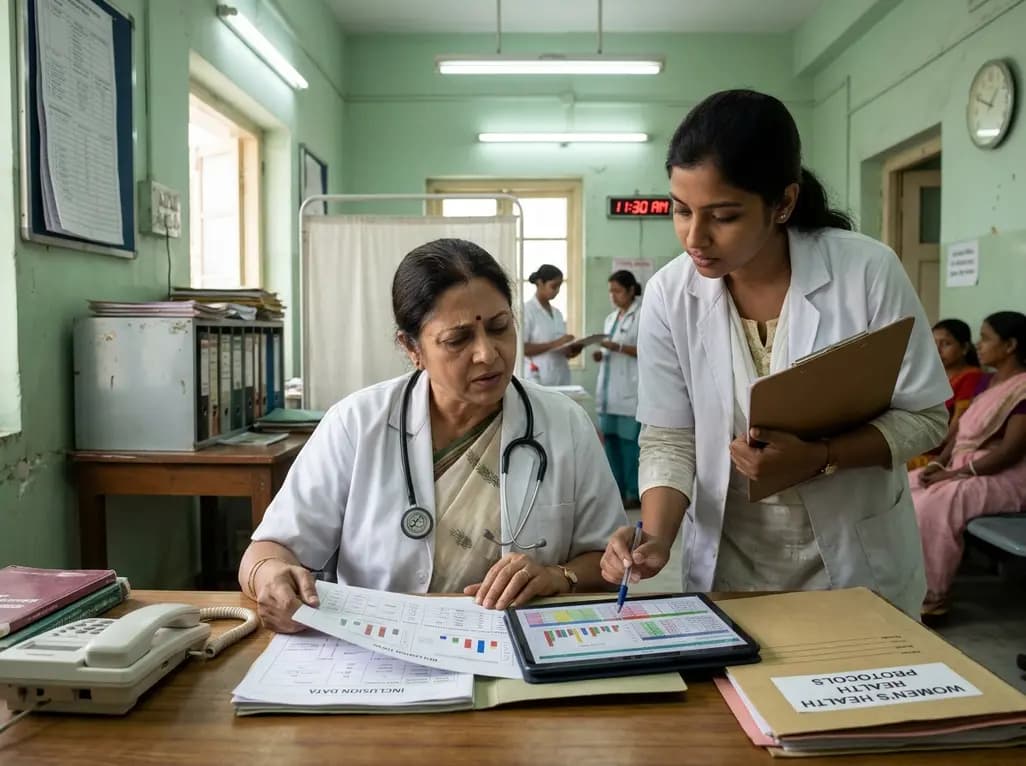
Demanding exhaustive hormonal profiling can inadvertently discourage clinical studies involving females. Methodological standards must align with the specific scientific question to expand, not restrict, equitable evidence for women.
Today
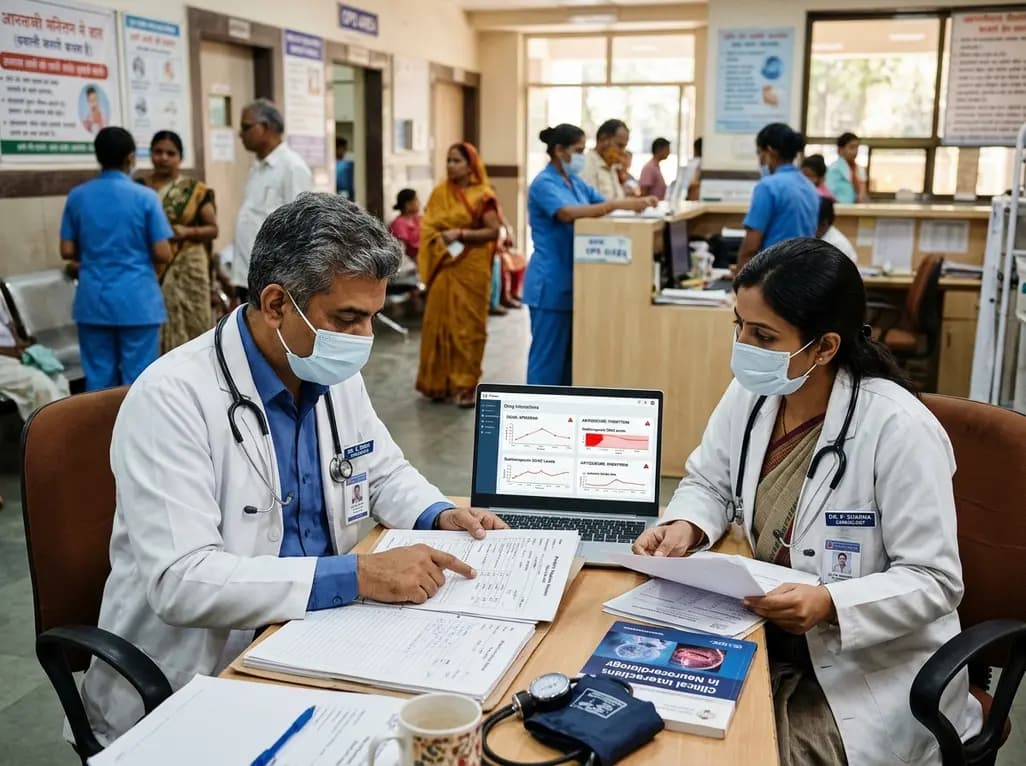
Co-administering antiseizure medications and DOACs frequently causes pharmacokinetic interactions, subtherapeutic drug levels, and thromboembolic failures. This review highlights enzyme induction risks, unpredictable outcomes with levetiracetam, and the vital role of therapeutic drug monitoring.
Today
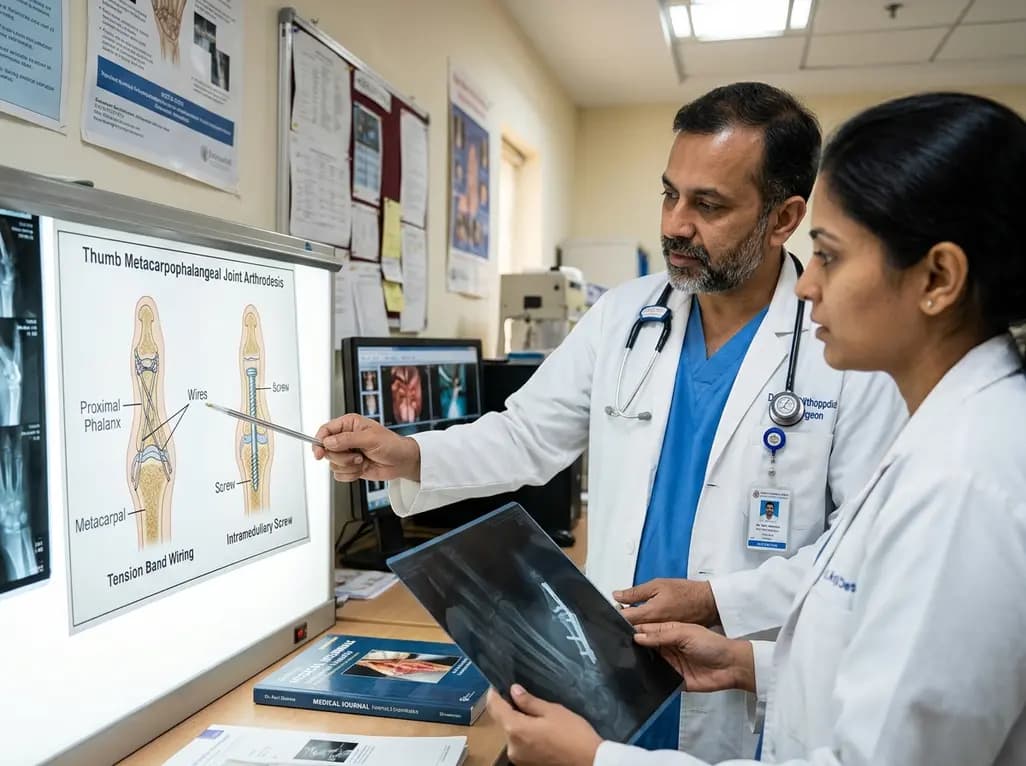
A comparative review of tension band wiring and intramedullary screw fixation in thumb metacarpophalangeal arthrodesis, evaluating union rates, hardware complications, and clinical outcomes.
Today

Following regulatory scrutiny from FSSAI regarding promotional representations and lean muscle preservation claims, Dr. Reddy's Laboratories and Nestlé Health Science are currently reviewing the branding and marketing strategy for their joint nutritional supplement Celevida GLP+.
Today
