.webp&w=384&q=75)

Loading, please wait...
Loading, please wait...

Domestic violence and abuse (DVA) significantly disrupt family stability and child development. Consequently, many health systems are exploring the whole-family DVA intervention as a means to address these complex issues. The For Baby's Sake programme is one such trauma-informed initiative that begins during pregnancy and continues for two years. Furthermore, this study investigates parents' perspectives on how this approach impacts their behavior and relationships.
Notably, parents reported perceived improvements in their parenting knowledge and behaviors. This occurred through psychoeducation on child development and detailed feedback on video recordings of parent-child interactions. Consequently, mothers acknowledged their experiences of DVA and found safety planning activities highly beneficial. Meanwhile, fathers embraced change by addressing their own Adverse Childhood Experiences (ACEs). Additionally, they acquired emotional regulation skills and committed to formal anger management strategies. Thus, a non-judgmental environment proved essential for motivating parents to acknowledge abuse and commit to positive change.
Specifically, the findings suggest that the whole-family DVA intervention model holds promise for high-risk families. By addressing the intergenerational transmission of trauma, the programme helps break the cycle of violence before a child is born. Moreover, the integration of parenting support with DVA interventions ensures that the child's welfare remains central to the recovery process. This holistic approach empowers both mothers and fathers to improve their mental health and behavioral outcomes simultaneously.
The programme uses a trauma-informed approach, working separately with both mothers and fathers. It addresses safety planning, emotional regulation, and the root causes of abusive behavior to ensure long-term stability.
Starting during pregnancy harnesses the parents' motivation to provide a better life for their baby. It allows for early intervention in the child's first 1,001 days, which are critical for attachment and development.
Disclaimer: This content is for informational and educational purposes only. It does not constitute professional medical advice, diagnosis, or treatment. Refer to the latest local and national guidelines for clinical practice.
References
Taccini F et al. Can whole-family interventions target violence and parenting in families experiencing domestic violence and abuse? A longitudinal study of the For Baby's Sake programme. BMC Psychol. 2026 Apr 25. doi: 10.1186/s40359-026-03979-8. PMID: 42032786.
Stanley N, Humphreys C. Identifying the key components of a 'whole family' intervention for families experiencing domestic violence and abuse. J Gender-Based Viol. 2017;1(1):99-115.
World Health Organization. Responding to intimate partner violence and sexual violence against women: WHO clinical and policy guidelines. Geneva: WHO; 2023.

Read summarized clinical updates, watch expert medical content, and earn CME certifications right from your smartphone.
Open your smartphone camera to scan and install.





This study evaluates the For Baby's Sake programme, a whole-family intervention starting in pregnancy to address domestic violence and improve parenting....
5 months ago

A breakthrough ultrathin multimodal sensor decouples physical hemodynamic monitoring from disposable electrochemical calibration, achieving long-term wearable glucose prediction with 81.36% accuracy and a 9.12% MARD. This offers a robust, drift-free solution for outpatient metabolic surveillance.
Today
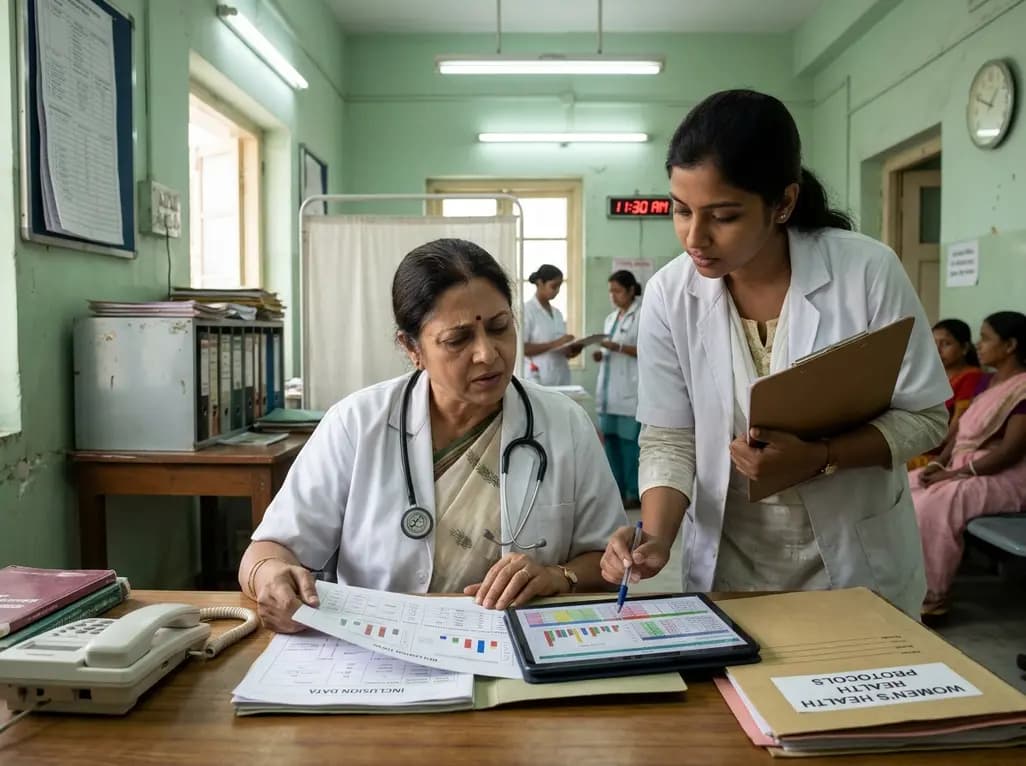
Demanding exhaustive hormonal profiling can inadvertently discourage clinical studies involving females. Methodological standards must align with the specific scientific question to expand, not restrict, equitable evidence for women.
Today

Co-administering antiseizure medications and DOACs frequently causes pharmacokinetic interactions, subtherapeutic drug levels, and thromboembolic failures. This review highlights enzyme induction risks, unpredictable outcomes with levetiracetam, and the vital role of therapeutic drug monitoring.
Today
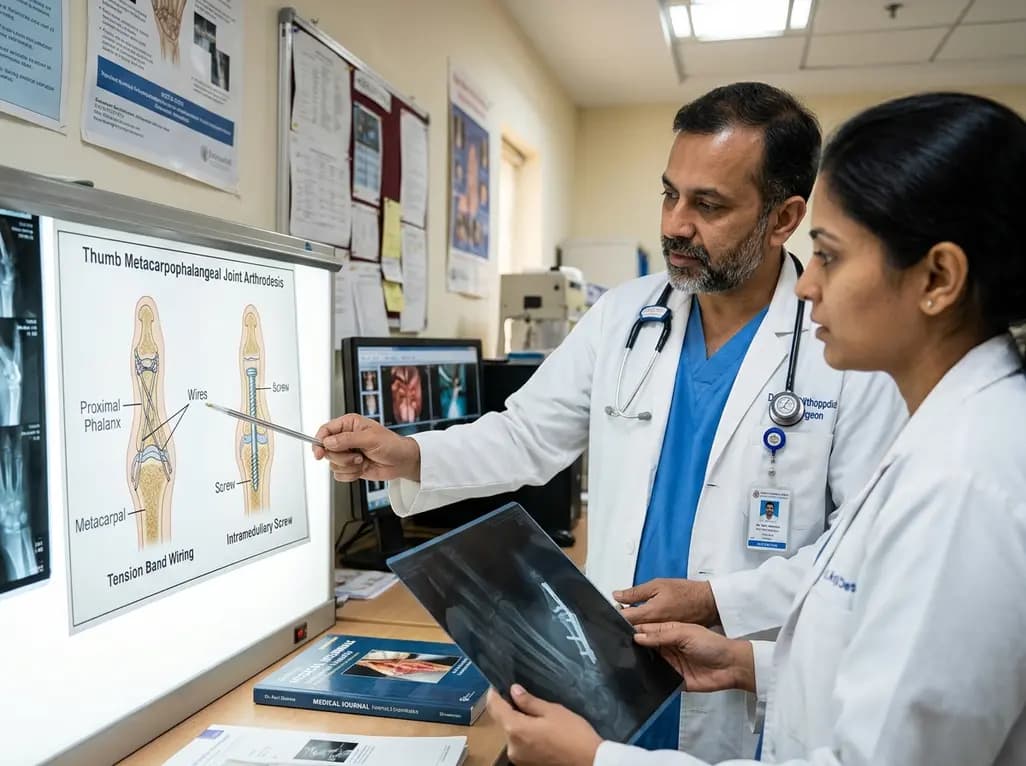
A comparative review of tension band wiring and intramedullary screw fixation in thumb metacarpophalangeal arthrodesis, evaluating union rates, hardware complications, and clinical outcomes.
Today
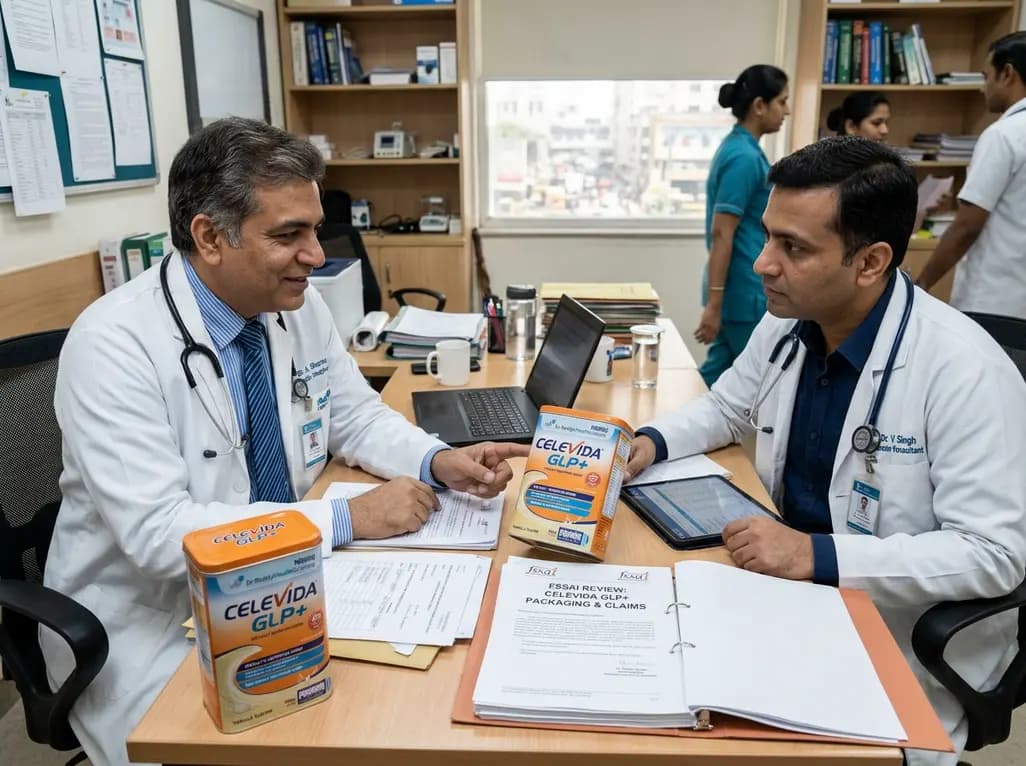
Following regulatory scrutiny from FSSAI regarding promotional representations and lean muscle preservation claims, Dr. Reddy's Laboratories and Nestlé Health Science are currently reviewing the branding and marketing strategy for their joint nutritional supplement Celevida GLP+.
Today
